TL;DR: Never admit fault in a car accident because early statements can be used to assign liability before all evidence is reviewed. Drivers involved in crashes risk reduced recovery if insurers rely on those statements under California’s comparative fault rules, where shared responsibility lowers potential damages.
Highlights:
- Avoid statements that assign blame, even casually.
- Use neutral language when speaking to drivers or police.
- Express concern without linking yourself to the cause.
- Let evidence determine fault, not early assumptions.
- Be consistent when providing statements to avoid credibility issues.
- Shared fault may reduce damages under California law.
- Report crashes to the DMV when injury occurs, or damage exceeds $1,000.
Tip: Stick to what you directly observed and avoid speculating about speed, distance, or fault.
Table of Contents
Never admit fault in a car accident because you don’t yet know all the facts. Insurers may use your words to reduce or deny your claim. Even a simple apology or comment like “I didn’t see you” can be treated as an admission of fault.
If you admit fault, here’s what could happen:
- You could be found partially liable, which would reduce your compensation.
- The other side could use your statement against you if a claim or lawsuit arises.
- Your insurer may see you as a higher risk, which could affect your premiums.
In California, evidence such as witness statements, vehicle damage, road conditions, and reports determines fault. However, what you say after a crash also matters because statements can affect how fault is determined.
California follows pure comparative fault rules. Under it, your share of blame reduces your potential compensation. If you admit fault too soon, you make it easier for the insurance company to shift liability onto you before the full investigation is complete.
Instead of guessing or apologizing, protect yourself by sticking to the facts, getting medical care, documenting the scene, and letting the evidence show what really happened.
Why Words After A Crash Matter
What you say after a car accident can affect fault assessments. However, California law draws an important distinction between expressing concern and admitting responsibility. Showing sympathy is not the same as accepting legal fault.
Under California Evidence Code Section 1160, certain benevolent statements or apologies that express sympathy are generally not treated as admissions of liability in court. However, actual statements admitting fault may still be used as evidence under California Evidence Code Section 1220.
Here are some examples of safer vs. riskier statements:
| Safer Statements | Riskier Statements |
|---|---|
| “Are you okay?” | “This was my fault.” |
| “That looks painful. I hope you get checked out.” | “I didn’t see you. I caused this.” |
| “Let’s make sure everyone is safe first.” | “I take full responsibility.” |
| “I’m sorry you’re hurt.” | “I didn’t see you, it’s my fault.” |
The key difference is whether the statement expresses concern or assigns blame. While an apology is not the same as admitting fault, laws can vary, and a defense team may still use your words to argue liability. Still, actual evidence shows who is truly at fault, so gathering proof early matters.
What Happens If You Admit Fault For A Car Accident?
Admitting fault after a car accident in California can affect how liability is evaluated and how your claim is handled. Insurers may use your statement as leverage in recorded interviews. Even a partial admission can shape how fault is assigned and how insurers view you during the claims process.
Under California’s pure comparative negligence rule, a court can assign you a share of fault. That doesn’t prevent you from pursuing a claim entirely. However, it can reduce your potential car accident settlement. If your damages are $100,000 and a court finds you 25% at fault, your potential recovery drops to $75,000.
Your statement may also be used to challenge your credibility later. If your account changes, it can be used to impeach you during negotiations or litigation, making it harder to dispute fault or clarify what actually happened. That’s why you should avoid admitting fault until you fully understand how the incident occurred.
What To Do Right After A Crash Instead Of Admitting Fault
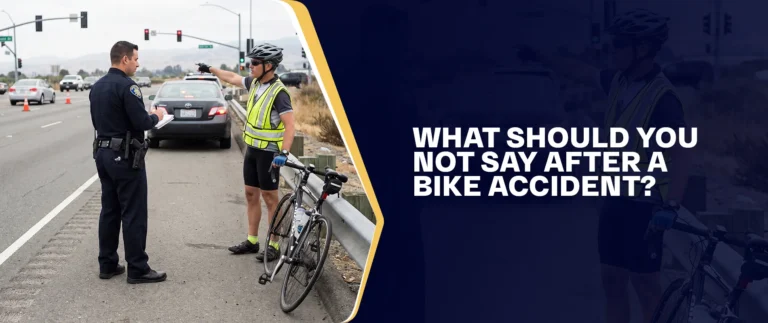
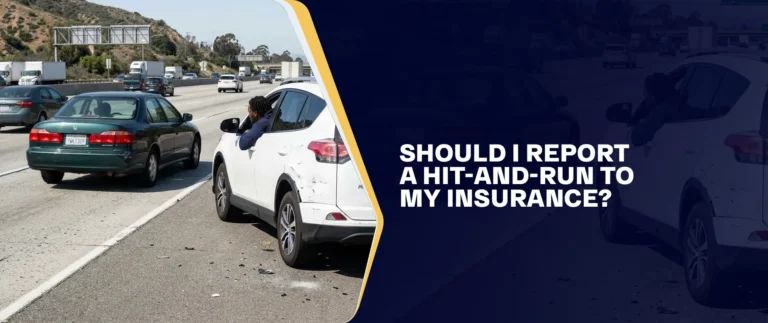
Your priority is safety. If you can, move to a safe place, call 911 if anyone is hurt, and exchange contact and insurance information with the other party. Keep the conversation short. Do not argue, do not apologize in a way that sounds like blame, and do not speculate about what happened. If police ask what occurred, stick to what you saw and did.
In California, you also need to follow reporting rules. The California Department of Motor Vehicles (DMV) requires drivers to submit an SR-1 form within 10 days of an accident if:
- Someone is injured, no matter how minor the injury.
- The crash is fatal.
- Property damage exceeds $1,000.
You may also be unable to avoid talking to other parties altogether. For example, local law enforcement may ask for your information when drafting an accident report. You would also have to share your contact and insurance details with the other driver, as required by state law.
This simple script can help you avoid admitting fault: “I want to make sure everyone is okay. Let’s exchange information. I’m willing to cooperate in settling this matter.”
What Evidence Matters Before Anyone Assigns Blame
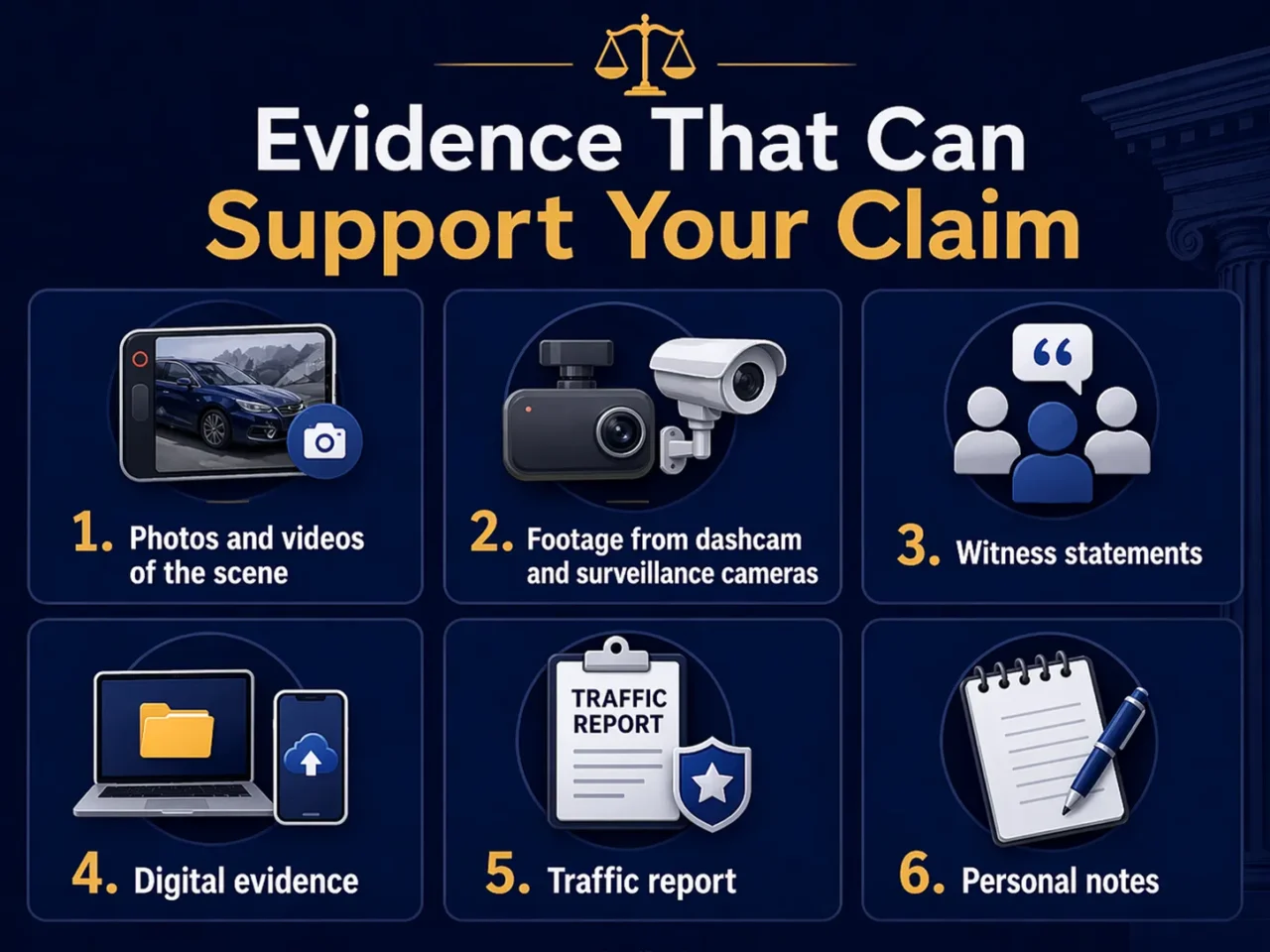
Strong evidence is what wins fault disputes. An abundance of relevant, supporting evidence can leave less room for misinterpretation of your statements during the insurance claims process.
Try to gather:
- Photographs: Visual evidence that can show what happened. These include photos of vehicle damage, skid marks, debris, road layout, signals, and weather conditions.
- Videos of the Accident Scene: Record a short video of the intersection, lane positions, and traffic flow.
- Witness Information: Witnesses can provide a different perspective that may support your claim. Get their names and phone numbers.
- Digital Evidence: Save dashcam footage and time-stamped messages.
- Traffic Collision Report: Request a copy when it becomes available. It can be from the responding authorities, such as the California Highway Patrol, local police, or the sheriff’s department.
- Personal Notes: Write down your own account of the accident while it’s still fresh in your mind. If you suffered injuries, consider documenting your symptoms and how the incident has affected your daily life. These details can help support your claim.
If nearby businesses, homes, or transit vehicles have surveillance cameras, act quickly and request copies of their footage. This evidence can disappear quickly. Car accident lawyers can also send preservation requests to prevent relevant evidence from being overwritten or destroyed.
What Claim Options Do You Have After A Car Accident?
Admitting fault too early can affect several avenues for pursuing compensation, not just one. In the aftermath of a collision, decisions made in the first moments can shape the outcome of any future claims. Understanding your available options helps protect your rights.
You may have these legal options depending on your circumstances:
- Personal Injury Claim: A claim against the at-fault driver if you suffered injuries and related losses.
- Property Damage Claim: For repair or replacement costs due to the car accident.
- Uninsured/Underinsured Motorist (UM/UIM) Claim: You can use your own policy in some cases. This coverage may help pay for losses if the at-fault driver is uninsured or underinsured. It also helps in hit-and-run cases.
- Third-Party Liability Claim: This liability insurance coverage may apply if someone other than the at-fault driver is liable for the crash. Other parties, such as trucking companies, employers, rideshare companies, or vehicle manufacturers, may share liability if they played a role in the collision.
- Public Entity Claim: If a dangerous road condition contributed to the accident, or a government vehicle was involved, you may have a valid public entity claim.
Car accident lawyers can review the circumstances of the accident and determine the options available to you. When a second vehicle, employer, rideshare company, road defect, or defective part is involved, legal options for recovery can expand.
Who May Be Responsible Besides The Other Driver?
The other driver isn’t always the only target of a claim. Some car accidents can become complex, especially when multiple vehicles or contributing factors are involved. Identifying all potentially responsible parties can help clarify liability.
Here are other parties who may be liable:
- Employers or Delivery Companies: They may be liable if their employee caused the crash while performing job-related duties.
- Vehicle Manufacturers: These companies may be liable if a defective component, such as a tire, brake system, or airbag, contributes to an accident.
- Public Entity: They may be liable if a dangerous condition on public property caused the collision. Under California Government Code Section 835, a claimant generally must show the following:
- The property was in a dangerous condition at the time of the incident.
- The unsafe condition directly caused the injury.
- The hazard created a reasonably foreseeable risk of the type of injury that occurred.
- The public entity either created the condition through an employee’s act or omission or had notice (actual or constructive) of the condition in time to address it.
Some victims seek free advice from a car accident lawyer to help them identify the potentially liable party. These parties are another reason not to admit fault. You may not yet know whether missing signage, bad roadway design, a pothole, a defective vehicle part, or the actions of a commercial driver’s employer contributed to the crash. If you admit fault, the other parties may use it against you as part of their negotiation tactics.
Why Medical Care Matters Even If The Crash Seems Minor
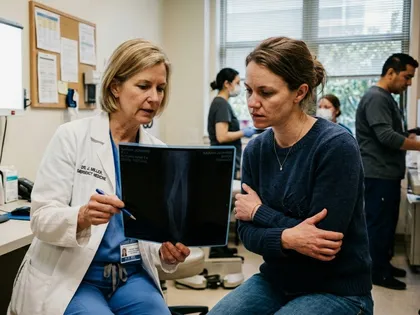
Some crash injuries don’t show up right away. Adrenaline can hide pain for hours or days. Neck injuries, soft-tissue injuries, concussions, and other problems can look minor at first and then get worse over time.
Here are some reasons why seeking medical attention is important:
- Linking Injuries to the Crash: Early medical evaluation helps show that the accident caused your injuries, not some other event.
- Supporting Your Claim: Medical records can be used to support your personal injury claim.
- Preventing Dispute on Severity: Delays in care may allow insurers to argue that injuries are minor or unrelated.
- Documenting Hidden Injuries: Some injuries may not be immediately visible, but a doctor can still include them in your medical history once properly diagnosed.
- Protecting Compensation Value: Consistent treatment records may support the overall valuation of damages in personal injury claims.
Your records act as proof of:
- Emergency care
- Diagnostic tests
- Follow-up visits
- Physical therapy
- Chiropractic care
- Prescription medication
- Work restrictions
Gaps in care give insurers an opening to argue that you weren’t badly hurt. They may also argue that something else caused your symptoms. If the other side is already pushing blame onto you, and you are thinking, “I need a personal injury lawyer,” that usually means the case has moved beyond general online tips. Car accident attorneys can help you understand the next steps and how to handle fault disputes in a case-specific review.
When Lawyers Can Help Most After A Car Accident
You don’t have to hire a lawyer to bring a claim, but some cases become risky fast. Under state law, self-representation is allowed. However, it’s not always wise when fault is disputed or when the stakes are high.
Help from car accident lawyers matters most when:
- There are disputes over fault.
- Injuries are serious or long-lasting.
- Multiple vehicles or third parties are involved.
- There is an unreasonable denial of your claim.
- A city, county, or state agency may be involved.
What Compensation Victims Can Recover In Personal Injury Claims
In personal injury claims, victims can seek compensation for their medical expenses, future losses, and the impacts of the injury on their lives. The value depends on the severity of the injuries, the length of recovery, and whether there are any permanent limitations.
In California personal injury claims, recoverable damages may include:
- Medical Expenses: Ongoing and future treatment costs related to the injury.
- Lost Income: Wages missed due to time away from work.
- Reduced Earning Capacity: Long-term impact on the ability to earn income.
- Property Damage: Costs of repair or replacement of damaged property.
- Pain and Suffering: Physical pain and emotional distress caused by the injury.
- Future Complications: Ongoing care or health issues that may develop over time.
The more clearly you document treatment records, work absences, repair estimates, and daily impact, the harder it is for the defense to reduce your claimed losses.
What Deadlines Can Affect Your Car Accident Case?
The statute of limitations sets the legal time limits for filing a lawsuit in California. Missing these time limits can affect your ability to bring a case forward, even if the facts support it.
- Personal Injury Claims: Most California personal injury lawsuits must be filed within two years. However, there are exceptions to this rule. Some examples include:
- Delayed Discovery Rule: In some situations, the two-year deadline begins when the injury is discovered or reasonably should have been discovered.
- Victims Under 18: When the injured person is a minor, the statute of limitations often pauses until they turn 18, which can delay the filing of a claim.
- Property Damage Claims: These generally must be filed within three years from the accident date.
- Claims Against Public Entities: Victims must first file an administrative claim within six months.
Frequently Asked Questions About Fault After Car Accidents
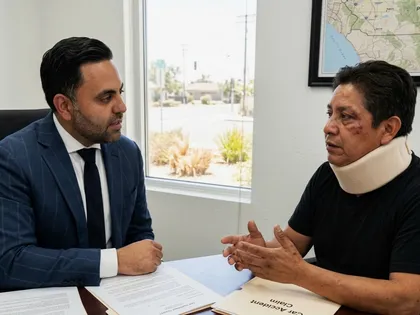
When admissions of fault create issues after a crash, they can affect your ability to pursue the full compensation you deserve under California law. It can be difficult to keep track of what you can and can’t say to protect your claim. To clarify your path forward, here are some answers to common questions victims have about making statements, as well as when it’s ideal to consult a lawyer.
Can I Still Recover Damages If I Said, “I’m Sorry”?
Yes, possibly. An apology does not automatically decide the case. It can give the insurer something to argue about. However, California’s comparative fault focuses on each party’s share of responsibility, so evidence still matters. The key is to stop speculating and start preserving evidence. A car accident attorney can help keep your records accurate and consistent.
What Should I Say To The Police And The Insurance Company?
Give the basic facts. Identify yourself, describe what you observed, and avoid guesses about speed, blame, or what the other driver “must have” intended. You can say, “Here is what I saw,” instead of “It was my fault.” That approach protects accuracy while liability is still unclear.
Do I Have To Give The Other Driver’s Insurer A Recorded Statement?
No. You are not legally obligated to provide a recorded statement to the other driver’s insurer. That does not mean you should ignore the claim. It means you should be careful, especially where fault is disputed or injuries are still developing.
You can give the basic details and politely refuse to give a recorded statement. Car accident attorneys can also handle all insurance communications for you.
How Much Do Lawyers For Car Accidents Charge In California?
The cost of hiring one depends on the complexity of the case. It can also depend on the injury law firm’s billing structure. However, the more complex the case is, the more resources are necessary to handle it. These could affect the legal costs.
If your concern is “Do lawyers only get paid if they win?” Many personal injury lawyers, such as those at Arash Law, work on a contingency fee basis. That means they only get paid if they obtain compensation for you. Read the fee agreement carefully to understand the arrangement.
Consult An Attorney After A Car Accident In California
If you were a victim in a California crash and worry that an apology, recorded statement, or rushed explanation will be used against you, our car accident lawyers can help. AK Law can review the facts, explain your options, and deal with the insurer. Call (888) 488-1391 for a free case evaluation. No fees unless we win.