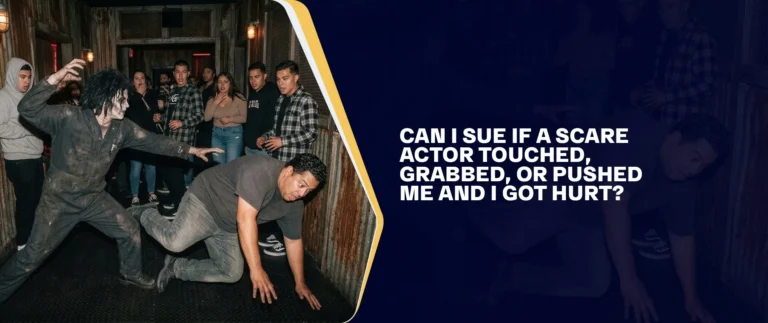
TL;DR: Scare actors and haunted house workers in California can file a claim if they sustain injuries while working. Depending on the facts, they could seek workers’ compensation from their employer or pursue damages from a negligent third party, but failing to report the injury within 30 days could affect their eligibility for benefits.
Yes. Scare actors and haunted house workers injured on the job in California may qualify for workers’ compensation benefits. These benefits can cover medical treatment and part of their lost wages, regardless of who caused the accident. Workers may also have grounds for a separate personal injury claim if someone other than their employer contributed to the injury.
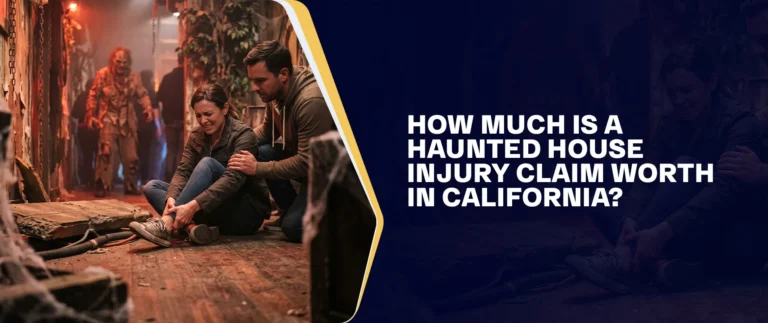
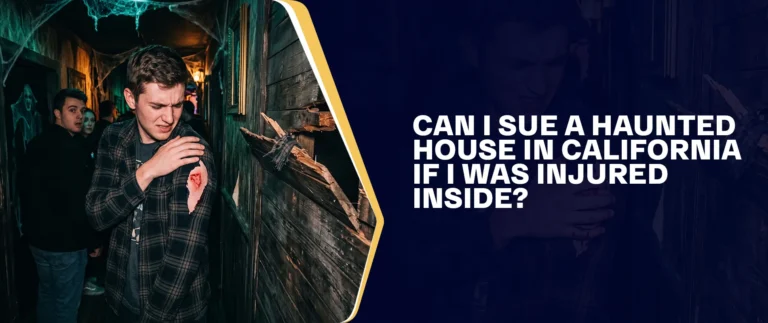
Haunted attractions create unusual working conditions. Employees perform in dark corridors, navigate crowded spaces, handle props, and interact with guests who may react unpredictably. A sudden collision, unsafe walkway, or equipment malfunction could leave a worker facing medical expenses and time away from work.
California’s workers’ compensation system generally protects employees, including seasonal and temporary workers. However, the right to benefits depends on the worker’s employment status, how the injury occurred, and whether it was work-related.
Key Facts About Haunted House Worker Injury Claims in California
- Workers’ compensation generally operates without fault. Eligible employees do not need to prove employer negligence to receive benefits for a qualifying work-related injury.
- Seasonal employment does not automatically exclude coverage. Temporary workers may qualify for benefits even if they work only through Halloween.
- Employment classification matters. California’s ABC test applies to many classification disputes, though other exceptions and tests may also apply.
- Third-party injury claims may provide another avenue for recovery. An injured worker may have a separate claim against a legally responsible property owner, contractor, or equipment manufacturer.
- Workers should report injuries promptly. California generally requires employees to notify their employer within 30 days to avoid jeopardizing workers’ compensation benefits.
Table of Contents

Can a Scare Actor File a Workers’ Compensation Claim in California?
A scare actor can file a workers’ compensation claim when an injury arises out of and occurs during their employment. California Labor Code §3600 establishes the general conditions for workers’ compensation liability.
The system is generally no-fault. An employee does not need to prove that their employer caused the accident through negligence. Instead, the worker must establish the required connection between the injury and their employment.
For example, a scare actor could get hurt after slipping on a wet floor while moving between scenes. Another worker might suffer a shoulder injury while handling heavy decorations. These incidents may qualify as workplace injuries if they meet California’s requirements.
The California Division of Workers’ Compensation (DWC) provides guidance on reporting workplace injuries, obtaining treatment, and filing claims. Workers can review its official instructions for filing a workers’ compensation claim.
Are Seasonal Haunted House Workers Employees or Independent Contractors?
Seasonal haunted house workers may be employees or independent contractors, depending on their working arrangements and applicable California law. Working at a haunted attraction for only a few weeks does not automatically make someone an independent contractor.
California uses the ABC test for many employment classification decisions, although workers’ compensation cases may involve other applicable statutory definitions or exceptions.
Under the ABC test, a hiring business generally must establish all three conditions to classify a worker as an independent contractor:
- A — Freedom From Control: The worker operates without the hiring business’s control or direction when performing the work.
- B — Work Outside the Usual Business: The worker performs services outside the hiring business’s usual course of business.
- C — Independently Established Business: The worker ordinarily operates an independent trade, occupation, or business involving similar services.
A scare actor who follows the attraction’s schedule, performs assigned scenes, and works under management’s direction may raise questions about whether an independent contractor classification is appropriate.
A worker’s job title or contract label does not settle the issue. The actual working arrangement and applicable classification rules must be considered.
What Types of Injuries Can Haunted House Workers Experience?
Haunted house workers may suffer injuries from physical contact, unsafe walking surfaces, malfunctioning equipment, or repetitive job duties.
Potential workplace injuries include:
- Back and Neck Injuries: Heavy lifting, repeated movements, and sudden collisions can strain muscles or damage the spine.
- Knee and Shoulder Injuries: Falls, awkward movements, and physically demanding performances may affect joints and surrounding tissues.
- Broken Bones and Head Injuries: Workers may fall over cables, collide with structures, or be struck by unsecured objects.
- Burns and Electrical Injuries: Faulty equipment, exposed electrical components, and special effects may cause serious harm.
- Respiratory Injuries: Exposure to irritants or unsafe special effects may impair breathing.
- Repetitive Strain Injuries: Repeated lifting, crouching, gripping, or other physical movements may contribute to cumulative trauma.
- Psychological Injuries: Certain workplace incidents or conditions may contribute to anxiety, post-traumatic stress disorder (PTSD), or other psychological harm. Compensation for psychiatric injuries is subject to additional legal requirements.
Medical documentation can help establish the nature of an injury and its relationship to work. Employees should explain their job duties and the circumstances of the incident when seeking medical care.
Can a Haunted House Worker File a Claim If a Guest Causes the Injury?
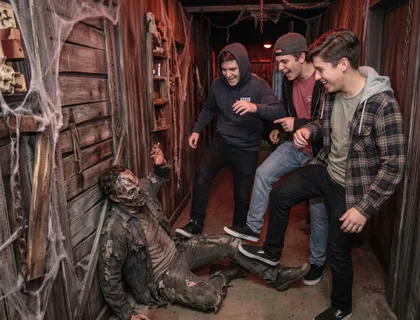
Yes. Haunted house workers may qualify for workers’ compensation if a guest injures them while they are performing their job duties. They may be eligible for benefits even if their employer was not responsible for the incident.
Guests can react unexpectedly when frightened. Some may run, push past others, or accidentally strike a scare actor. These reactions can lead to injuries in several ways:
- Sudden Collisions: A frightened guest may run into a scare actor, resulting in a fall, a head injury, or a broken bone.
- Pushing or Grabbing: A startled visitor may instinctively push or grab an employee, resulting in a shoulder, wrist, or back injury.
- Falls During Guest Interactions: A worker may trip over props, cables, or other obstacles while trying to avoid a guest.
- Aggressive Guest Behavior: A visitor may intentionally strike or shove a worker, resulting in injuries requiring medical treatment.
For example, a scare actor who suffers a knee injury after being knocked down by a frightened guest may qualify for workers’ compensation benefits.
A separate personal injury claim may also be possible if the guest or another third party was legally responsible for the injury. The guest’s actions, the attraction’s safety measures, and the circumstances of the incident can all affect whether another party may be held liable. A workers’ compensation lawyer can help the injured employee understand their options and determine whether a separate third-party claim may be available.
Who May Be Liable for a Haunted House Work Injury?
Several parties may contribute to a haunted house worker’s injury. However, their legal responsibilities depend on their conduct and relationship to the injured employee.
California’s workers’ compensation system generally makes benefits the exclusive remedy against a covered employer for qualifying employment injuries. That protection does not automatically extend to negligent parties outside the employment relationship.
Potential third-party defendants include:
- Property Owners: An owner may be responsible for unsafe conditions within their control when the legal requirements for liability are met.
- Independent Contractors: An outside contractor may be liable for negligent construction, installation, or maintenance.
- Equipment Manufacturers: A manufacturer may be liable when a defective product causes injury.
- Maintenance Companies: A company responsible for maintaining equipment or structures may be liable for negligent work.
- Security Providers: A security contractor may face liability when its negligence contributes to a foreseeable injury.
- Other Guests: A visitor whose negligent or intentional conduct injures a worker may face a separate claim.
For example, a worker might be injured when a temporary structure installed by an outside vendor collapses. The circumstances could support both a workers’ compensation claim and a separate claim against the responsible vendor.
California Civil Code §1714 provides a general foundation for liability based on negligence. The facts of the case influence whether a particular party owed and breached a legal duty.
How Do Third-Party Claims Differ from Workers’ Compensation?
Workers’ compensation and third-party personal injury claims provide different forms of recovery.
| Workers’ Compensation | Third-Party Personal Injury Claim |
|---|---|
| Generally does not require proof of employer negligence. | Generally requires proof of a legal basis for liability, such as negligence. |
| May cover qualifying medical treatment. | May cover past and future medical expenses. |
| Provides disability benefits subject to statutory rules. | May allow recovery of lost income and reduced earning capacity. |
| Does not generally compensate for pain and suffering. | May provide compensation for pain, suffering, and emotional distress. |
| Generally applies to qualifying employment injuries. | Depends on another party’s legal responsibility for the harm. |
A worker may pursue both types of claims arising from the same incident. However, reimbursement, credit, and other coordination rules may affect the final recovery.
What Benefits Can Injured Haunted House Workers Receive?
Eligible workers may receive medical and disability benefits through California’s workers’ compensation system. Available benefits depend on the injury, medical findings, ability to work, and eligibility requirements.
Common benefits include:
- Medical Treatment: Qualifying care may include doctor visits, surgery, medication, rehabilitation, and certain travel expenses.
- Temporary Disability Benefits: Eligible employees who cannot perform their regular work during recovery may receive partial wage replacement.
- Permanent Disability Benefits: Workers with lasting impairments may qualify for payments under applicable disability rules.
- Supplemental Job Displacement Benefits: Certain injured employees may qualify for a voucher to support education or retraining.
- Death Benefits: Eligible dependents may receive benefits when a qualifying workplace injury or illness results in an employee’s death.
Workers’ compensation generally does not pay for pain and suffering. A qualifying third-party claim may allow recovery for additional losses that workers’ compensation does not cover.
Can Workers Receive State Disability Benefits While on Workers’ Compensation?
Yes, in limited circumstances. California’s Employment Development Department (EDD) explains that State Disability Insurance benefits may be available when workers’ compensation payments are delayed, denied, or lower than an eligible disability payment.
However, workers may not receive both benefits in full simultaneously. Coordination and reimbursement rules may affect payments.
Workers should disclose their workers’ compensation claim when applying for disability benefits. The EDD addresses these situations in its workers’ compensation and disability insurance FAQs.
Can a Liability Waiver Prevent a Haunted House Worker from Filing a Claim?
A pre-injury liability waiver generally cannot eliminate an employer’s workers’ compensation obligations in California. Labor Code §5000 prohibits agreements that exempt employers from liability imposed by the workers’ compensation system.
Workers may be asked to sign employment agreements, safety acknowledgments, or other documents before starting their jobs. Signing such paperwork does not automatically prevent an eligible employee from seeking workers’ compensation benefits.
Waivers involving separate personal injury claims raise different legal questions. Their enforceability depends on the document’s language, circumstances, and conduct involved.
What Should a Haunted House Worker Do After Getting Injured?
An injured worker should seek medical attention, notify their employer, and document what happened. Prompt action can support medical treatment and preserve evidence for a potential claim.
Consider taking the following steps:
- Seek medical attention. Obtain appropriate treatment and explain how the injury occurred.
- Report the injury. Notify a supervisor or manager promptly and retain a written record.
- Document the accident scene. Photograph relevant conditions, equipment, and visible injuries when safe and permitted.
- Collect witness information. Record the names and contact details of anyone who saw the incident.
- File a workers’ compensation claim. Request a DWC-1 form, complete the employee section, and submit it to your employer. Keep a copy for your records.
- Keep relevant records. Preserve medical documents, work schedules, incident reports, and communications.
- Consider a legal review. An attorney can assess whether the incident may also support a third-party claim.
According to the DWC, an employer must provide or mail a claim form within one working day after learning of a work-related injury or illness.
The DWC also explains that an employer must authorize appropriate medical treatment within one day after receiving a completed claim form. While a claim is under review, an injured worker may receive up to $10,000 in medical treatment under applicable rules.
How Long Do Haunted House Workers Have to File an Injury Claim?
California has different deadlines for workers’ compensation and personal injury claims. The applicable period depends on the claim and who may be legally responsible.
| Type of Claim | General California Deadline |
|---|---|
| Workers’ compensation injury report | Notify the employer within 30 days to avoid potential loss of benefits. |
| Workers’ compensation claim | Generally one year, subject to exceptions and statutory rules. |
| Personal injury lawsuit | Generally two years from the injury. |
| Property damage lawsuit | Generally three years. |
| Government claim | Generally six months for personal injury claims against public entities, subject to applicable rules. |
Legal basis: California Labor Code §§5400 and 5405 address workers’ compensation notice and filing periods. Code of Civil Procedure §335.1 governs the general two-year personal injury period, while §338 governs the relevant three-year property damage period. Government Code §911.2 establishes the general six-month government claim presentation period for personal injury claims.
Missing the deadline to file a lawsuit or a mandatory government claim may bar the claim entirely. Workers’ compensation reporting and filing requirements follow separate rules and can affect eligibility for benefits.
Evidence preservation is also urgent. Delays in obtaining surveillance footage, equipment records, photographs, or witness information may weaken the evidence before any legal deadline expires.
Talk to Arash Law About a Haunted House Work Injury
An injury during a seasonal Halloween job can raise questions about workers’ compensation, employment classification, and third-party liability. Understanding which claims may apply can help you make informed decisions.
If someone other than your employer may have contributed to your injury, Arash Law’s work injury lawyers can review the circumstances and discuss potential legal options. Call (888) 488-1391 for a free initial consultation.
Frequently Asked Questions About Haunted House Worker Injuries in California
Can I Get Workers’ Compensation If I Only Worked at a Haunted House for One Week?
Yes. Seasonal and temporary employees may qualify for workers’ compensation even if they have worked at a haunted house for only one week. California generally requires employers to provide coverage for eligible employees regardless of whether their jobs are permanent or seasonal.
Eligibility depends on employment status and the circumstances of the injury.
Can I File a Claim If My Employer Says I’m an Independent Contractor?
Yes. If you get hurt as an independent contractor, you may still have options. For example, you could file a personal injury claim against the responsible party.
You can also have an attorney assess your true legal employment status. Even if your employer calls you an independent contractor, you might actually be misclassified as one. A classification dispute may require examining your duties, the business’s control over your work, and applicable legal exceptions.
What Happens If My Haunted House Employer Denies My Workers’ Compensation Claim?
A denial does not automatically end your ability to pursue benefits. An injured employee may dispute the decision through California’s workers’ compensation system.
The Workers’ Compensation Appeals Board (WCAB) handles these disputes. An employee may need to file an Application for Adjudication of Claim to bring the matter before the WCAB.
Can I File a Claim If Another Scare Actor Accidentally Injured Me?
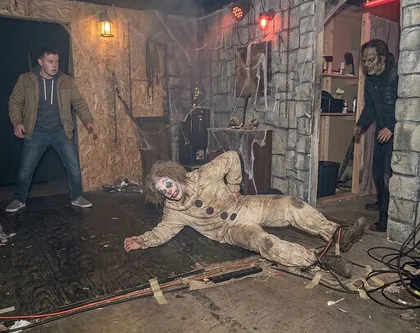
Yes. A worker injured by another employee may qualify for workers’ compensation if the accident meets California’s work-related injury requirements.
For example, two actors could collide while moving between scenes in a dark passageway. An accidental collision during assigned duties may support a claim even when neither employee intended harm.
Can I Receive Benefits If I Get Injured During My Last Shift?
Yes. An injury during a worker’s final scheduled shift may qualify for workers’ compensation if it arose out of and occurred during covered employment.
The scheduled end of seasonal employment does not automatically eliminate coverage.
What If My Haunted House Employer Has No Workers’ Compensation Insurance?
You may have the option to seek workers’ compensation benefits through California’s Uninsured Employers Benefits Trust Fund (UEBTF), subject to eligibility and procedural requirements.
You may also be able to sue your employer directly if they are illegally operating without the required workers’ compensation coverage (Labor Code §3706). Under Labor Code §3708, the law also presumes employer negligence in such lawsuits. However, the employer may rebut that presumption.
Can I Sue a Haunted House After Receiving Workers’ Compensation?
A covered employee generally cannot sue their employer for ordinary workplace negligence involving a qualifying work injury. However, a worker may have a separate claim against a responsible third party or qualify for a statutory exception to employer immunity.
For example, if an outside contractor negligently installs a structure that collapses, the injured employee may have grounds to investigate a third-party claim.
Can I File an Injury Claim If I Volunteered at a Haunted House?
Yes, but your options depend on your legal status and the circumstances of the injury. Under California Labor Code §3352, unpaid volunteers for public agencies or private nonprofit organizations generally do not qualify for workers’ compensation benefits.
However, nonprofit organizations may elect to provide workers’ compensation coverage for volunteers under Labor Code §3363.6. Volunteers without coverage may still pursue personal injury claims against negligent organizers, property owners, or other responsible parties.
Injured While Working at a Haunted House? Contact Arash Law
Scare actors and other haunted house employees may have legal options after suffering workplace injuries. Workers’ compensation can help with qualifying medical expenses and disability benefits. A separate third-party claim may address additional losses when someone outside the employment relationship is legally responsible.
If you were injured while working at a California Halloween attraction, Arash Law can evaluate the circumstances and discuss whether a personal injury claim may be available. Contact us at (888) 488-1391 for a free case evaluation.
Sources
- California Department of Industrial Relations. Frequently Asked Questions for Workers in California. https://www.dir.ca.gov/California-Worker/FAQ-for-California-Workers.html
- California Division of Workers’ Compensation. How to File a Workers’ Compensation Claim. https://www.dir.ca.gov/dwc/FileAClaim.htm
- California Division of Workers’ Compensation. Uninsured Employers Benefits Trust Fund (UEBTF). https://www.dir.ca.gov/dwc/claims.html
- California Labor and Workforce Development Agency. Employment Status FAQ. https://www.labor.ca.gov/employmentstatus/faq/
- California Employment Development Department. Workers’ Compensation and Disability Insurance Frequently Asked Questions. https://edd.ca.gov/en/Disability/FAQ_DI_Workers_Compensation
- California Employment Development Department. Workers’ Compensation and Disability Benefits. https://edd.ca.gov/en/Disability/Employer_Workers_Compensation
- California Legislature. Labor Code §3352 — Exclusions from Employee Status. https://leginfo.legislature.ca.gov/faces/codes_displaySection.xhtml?lawCode=LAB§ionNum=3352.
- California Legislature. Labor Code §3363.6 — Nonprofit Volunteer Coverage. https://leginfo.legislature.ca.gov/faces/codes_displaySection.xhtml?lawCode=LAB§ionNum=3363.6.
- California Legislature. Labor Code §3706 — Actions Against Uninsured Employers. https://leginfo.legislature.ca.gov/faces/codes_displaySection.xhtml?lawCode=LAB§ionNum=3706.
- California Legislature. Labor Code §3708 — Presumption of Employer Negligence. https://leginfo.legislature.ca.gov/faces/codes_displaySection.xhtml?lawCode=LAB§ionNum=3708.
Disclaimer
This content is provided for educational purposes only and does not constitute legal advice. Reading it or contacting Arash Law does not establish an attorney-client relationship. Workers’ compensation eligibility, personal injury liability, and applicable deadlines depend on the circumstances of each case. Consult a licensed California attorney about your specific situation.
Arash Law — (888) 488-1391.