TL;DR: A California school may be held liable if staff fail to address reported or foreseeable bullying and that failure contributes to a student’s serious injury or death. Families must show that the school was aware of the warning signs, failed to take reasonable protective action, and contributed to the harm. Claims involving public school districts also have special filing deadlines and legal requirements.
Yes. Bullying may lead to a personal injury or wrongful death claim in California when another person’s wrongful conduct causes serious harm. A school may also face liability if its employees knew, or reasonably should have known, about a foreseeable danger and failed to take reasonable steps to protect the student.
Bullying does not always leave visible injuries. Repeated threats, humiliation, harassment, and intimidation can seriously affect a child’s emotional well-being. When bullying escalates into violence, severe psychological harm, or death, the victim’s family may have grounds to seek compensation.
California has laws addressing school bullying and student safety. However, filing a civil lawsuit requires more than showing that bullying occurred. Families must establish a party’s failure to act with reasonable care, a connection between that failure and the harm, and legally recognized losses or “damages.”
Table of Contents

Can Bullying Become a Civil Injury or Wrongful Death Claim if a California School Knew About the Danger and Failed to Take Reasonable Protective Steps?
Yes. A California school may face a personal injury or wrongful death claim when its negligent response to known or foreseeable bullying contributes to a student’s serious injuries or death.
School employees have a duty to exercise reasonable care when supervising students. This includes taking appropriate steps to address foreseeable dangers involving threats, intimidation, and student-on-student violence.
For example, suppose a student repeatedly reports being threatened and physically attacked by classmates. If school officials know about these incidents but fail to take reasonable protective measures, their response may support a negligence claim when another assault causes serious injury.
The central question is whether the school acted reasonably under the circumstances, not simply whether bullying took place.
Key Facts About Bullying-Related Injury Claims in California
- Bullying may support a civil claim. Serious physical or psychological harm may give rise to legal action when the required elements of negligence or another actionable claim are established.
- School notice matters. Earlier complaints, documented threats, and repeated incidents may show that staff knew or should have known about a foreseeable risk.
- Schools have anti-bullying responsibilities. California Education Code §234.1 requires immediate intervention when school personnel witness qualifying bullying and can safely intervene.
- Public school claims have special deadlines. Government Code §911.2 generally requires families to present an injury or wrongful death claim against a public school district within six months of the injury or death.
- Insurance may complicate recovery. Intentional misconduct exclusions, allegations of negligent supervision, and public entity coverage arrangements may affect the available payment sources.
- Wrongful death requires proof of causation. Claimants must establish that legally actionable conduct caused or contributed to the student’s death.
What Makes Bullying Legally Different From Ordinary School Conflict?
Not every argument or disagreement between students creates a civil lawsuit. Bullying raises greater safety and legal concerns when it involves threats, intimidation, repeated aggression, or conduct causing legally recognized harm.
The California Department of Education identifies several forms of bullying, including:
- Physical Bullying: Hitting, kicking, pushing, or other unwanted physical contact.
- Verbal Bullying: Repeated threats, humiliation, or abusive language.
- Psychological Bullying: Excluding someone, spreading rumors, or intimidating them.
- Cyberbullying: Sending or posting hurtful material through texts, group chats, social media, or other electronic communications.
- Sexual Bullying: Unwanted touching, assault, exhibitionism, or other sexual conduct targeting a student.
Some incidents may also support separate civil claims, such as assault or battery. A violation of a school bullying policy can help show what the school knew and how it responded, but it does not automatically entitle a student to compensation. A claim against a public school generally requires proof that school personnel failed to take reasonable measures against foreseeable harm and that their failure contributed to a legally recognized injury.
When Does a School Have Enough Warning to Take Action?
A school may have notice of a foreseeable danger even before a student suffers a serious injury.
Warning signs can include:
- Parents repeatedly emailing administrators about threats.
- Students reporting earlier physical assaults.
- Teachers witnessing intimidation or aggressive behavior.
- School records documenting repeated confrontations.
- Classmates reporting threats against another student.
The school’s responsibility depends on what staff knew or reasonably should have known, the nature of the danger, and what protective measures were appropriate.
California Government Code §815.2 provides a potential basis for holding public school districts liable for employees’ negligent conduct within the scope of their employment.
In Dailey v. Los Angeles Unified School District (1970) 2 Cal.3d 741, the California Supreme Court recognized that negligent supervision of students may create school district liability when it causes injury or death.
A school is not expected to prevent every disagreement or unexpected act of violence. Nevertheless, repeated warnings may make a danger foreseeable and strengthen questions about whether reasonable protective measures were taken.
Can a School Be Responsible for Bullying-Related Harm Outside Campus?
A California public school district is not automatically responsible for everything that happens away from school.
Education Code §44808 generally limits district responsibility when students are off campus, subject to statutory exceptions involving transportation, school-sponsored activities, assumed responsibilities, and failures to exercise reasonable care under applicable circumstances.
For example, threatening messages sent from home may alert school officials to a foreseeable danger on campus. However, those messages do not automatically make the district liable for a later off-campus injury.
Relevant questions include where the harm occurred, whether the student was under school supervision, and what responsibilities the school had undertaken.
How Can Reported Bullying Develop Into a Serious Injury or Wrongful Death Claim?
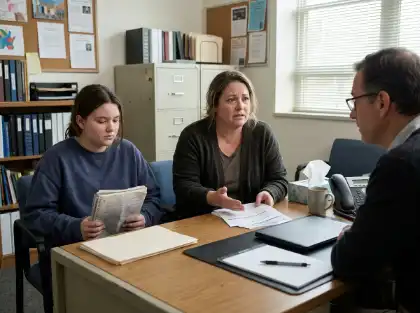 Bullying may lead to a civil claim when a school knew or should have known about a foreseeable danger, failed to take reasonable protective steps, and that failure contributed to serious harm.
The following hypothetical scenarios illustrate how these claims may arise:
- Repeated Physical Bullying: A student suffers a severe head injury after repeated assaults that parents previously reported to school officials. A claim may examine whether reasonable intervention could have prevented the injury.
- Cyberbullying and Threats: Parents notify school administrators about threatening online messages and related on-campus harassment. The student is later hospitalized after an assault. The school’s knowledge and response may become central to a negligence claim.
- Bullying-Related Death: A student dies after persistent harassment and repeated warnings to school personnel. A wrongful death claim may arise if evidence establishes that an actionable failure to protect the student legally caused the death.
These claims require proof of negligence or another legal basis for liability, causation, and damages. Wrongful death cases involving suicide can be particularly complex because foreseeability, causation, school supervision, and public entity defenses may affect liability.
Legally Responsible Parties for Bullying-Related Injuries
Responsibility is not necessarily limited to the student who engaged in bullying. Depending on the circumstances, several parties may have separate legal obligations.
- The Student Who Caused the Harm: May face liability for assault, battery, or other actionable misconduct.
- Parents or Guardians: May have limited statutory liability for certain willful misconduct by their minor child.
- Teachers and Administrators: May be liable for qualifying negligent acts or omissions.
- Public School Districts: May face liability based on employee negligence, subject to statutory requirements and defenses.
- Private Schools: May be responsible for negligent supervision or other actionable failures.
Can Parents Be Financially Responsible for Their Child’s Bullying?
California Civil Code §1714.1 provides limited parental liability for specified willful misconduct by a minor.
For personal injuries, the statute limits imputed liability to qualifying medical, dental, and hospital expenses, subject to the applicable statutory cap.
Parents are not automatically responsible for every bullying incident. Separate evidence may also support a claim based on a parent’s own negligent conduct.
Why Are Bullying-Related Insurance Claims More Complicated?
Bullying-related injuries may involve both intentional misconduct and allegations of negligent supervision, making the insurance claims process more complicated.
An intentional assault by a student differs legally from a school employee’s alleged failure to protect another student. Insurance policies may address these allegations differently.
Common Insurance and Recovery Issues
Bullying injury claims can raise questions about coverage for intentional acts, negligent supervision, and claims against multiple parties. Families may also face disputes over causation and how a public school district pays a claim.
- Intentional Acts: Insurance policies may not cover injuries caused deliberately, such as when a student physically attacks a classmate. However, the school may still face a separate claim if staff failed to take reasonable steps to prevent a foreseeable assault.
- Failure to Supervise or Protect Students: If school employees ignored repeated reports of bullying or failed to intervene when they reasonably should have, the school’s insurance may cover certain claims involving negligent supervision. Coverage depends on the policy and the circumstances.
- More Than One Responsible Party: Sometimes, several people or organizations may share responsibility for a student’s injuries. The student who caused the harm, their parents, and the school may each face different claims, with different insurance policies or legal defenses.
- How Public Schools Pay Claims: Public school districts do not always rely on traditional insurance companies. Some use shared insurance arrangements with other districts or set aside their own funds to pay covered claims.
- Disagreements About What Caused the Injury: A school or its insurer may argue that the injury would have happened even if staff had responded differently. Families may need evidence showing how earlier intervention could have prevented or reduced the harm.
For example, suppose a student is seriously injured after being attacked by a classmate. The student’s parents had previously warned school officials about repeated threats, but the bullying continued. The family may pursue a claim against the student responsible for the assault and a separate claim against the school for failing to respond reasonably to those warnings.
Whether insurance will pay depends on the coverage available, the reasons for the denial, and the facts of the case. Moreover, even if an insurance company refuses to cover the assault, the school may still face liability for its own negligence.
How Do Public Entity Claims Affect Recovery?
Suing a public school district is different from suing a private school. Because public school districts are government entities, California has special rules about when they can be held responsible for a student’s injuries, what compensation families can recover, and how claims must be filed.
Here are the main issues families should understand:
- When a School District May Be Responsible: Under California Government Code §815.2, a public school district may be liable when an employee’s negligence causes harm while performing their job duties. For example, if school officials repeatedly ignore reports of physical bullying and a student is later seriously injured, the family may have grounds to pursue a claim.
- Legal Protections for Public Schools: California law gives school districts certain protections against lawsuits. These protections, known as governmental immunities, may limit liability depending on what happened and which school employees were involved.
- Limits on Compensation: Government Code §818 prohibits punitive damages (intended to punish wrongdoing) against public entities. However, families with valid claims may still recover compensation for medical expenses, pain and suffering, and other legally recognized losses.
- Insurance and Payment of Claims: Public school districts may use private insurance, shared insurance programs, or their own funds to pay claims. Even when a district is found responsible, insurance coverage and payment arrangements may need to be resolved.
- Special Filing Deadlines: Families generally must submit a formal government claim to the public school district within six months of the injury or death. Missing this deadline may prevent them from pursuing compensation.
What this means for families: A school district may be held responsible when its employees fail to take reasonable steps to protect a student from foreseeable bullying-related harm. However, proving negligence is only part of the process. Families must also follow the required government claim procedures and meet the applicable deadlines.
What Should Families Document When Bullying Causes Injury?
Families can begin preserving evidence before making decisions about legal action. When a student reports bullying, a written record may help establish the seriousness of the concerns and how school officials responded.
Evidence That May Support a Claim
| Evidence | Why It May Matter |
|---|---|
| Emails to teachers and administrators | May show when the school received notice of a danger. |
| Incident and disciplinary records | May establish patterns of reported aggression. |
| Social media posts and text messages | May document threats, harassment, or cyberbullying. |
| Witness information | May identify people who observed incidents or reported concerns. |
| Medical records | May establish the nature and severity of injuries. |
| Counseling and mental health records | May help document qualifying psychological injuries and treatment. |
| School response records | May show investigations, safety measures, and follow-up actions. |
Families should also preserve photographs of injuries and records of expenses related to medical treatment or counseling.
Steps Parents Can Take When Bullying Continues
When bullying persists despite prior reports, parents can take additional steps to protect their child and ensure the school understands the seriousness of the situation.
- Listen to your child. Encourage them to explain what happened, who was involved, and whether they feel safe at school. Take their concerns seriously, even if there are no visible injuries.
- Keep evidence of the bullying. Save threatening messages, screenshots, photographs, and notes about each incident. Include dates, locations, and names of anyone who witnessed what happened.
- Report the bullying in writing. Contact the child’s teacher, principal, or other appropriate school official. Explain what happened and why you are concerned about your child’s safety.
- Ask the school about protective measures. Find out what steps officials plan to take to prevent further incidents. This may include increased supervision, separating students when appropriate, or other safety measures.
- Follow up and document the school’s response. Keep copies of emails, meeting notes, and other communications. If bullying continues, record the new incidents and report them promptly.
- Get medical or emotional support when needed. If your child has been physically injured or is showing signs of emotional distress, consider seeking care from an appropriate healthcare or mental health professional.
- Escalate concerns if the problem continues. If school officials do not adequately address the situation, use the district’s formal complaint procedures or contact the appropriate district administrator.
California’s anti-bullying laws and school policies provide ways for families to report concerns and request action. Certain complaints involving discrimination or harassment based on protected characteristics may also be handled through the Uniform Complaint Procedures.
These reporting processes are designed to help schools address bullying and protect students. However, filing a school complaint is different from pursuing a personal injury or wrongful death claim. Families considering legal action must also follow any applicable filing deadlines.
📞 Emergency and Bullying Support Resources in California
If your child is experiencing bullying, threats, or severe emotional distress, the following resources can help:
- 911 — Emergency Services: Call if your child faces immediate danger, serious physical harm, or a medical emergency.
- 988 — Suicide & Crisis Lifeline: Call or text 988 for free, confidential, 24/7 mental health and suicide crisis support.
- (800) 843-5200 — California Youth Crisis Line: Call or text for 24/7 crisis support for young people and families.
- School or District Officials: Contact the principal, school counselor, or district superintendent to report ongoing bullying and request protective measures.
If a child is in immediate danger of serious physical harm, call 911 rather than waiting for a school investigation or complaint response.
Bullying-Related Injury? Arash Law Can Help
Families may be managing treatment, school communications, and concerns about their child’s safety. Legal requirements can add pressure during an already difficult period.
Arash Law’s school injury attorneys help California families evaluate potential personal injury and wrongful death claims. Our team can review available evidence, explain applicable filing deadlines, and assess whether the school or another party may be legally responsible.
Call (888) 488-1391 for a free case evaluation.
How Long Do Families Have to File a Bullying Injury or Wrongful Death Claim?
California generally allows two years to file a personal injury or wrongful death lawsuit under Code of Civil Procedure Section 335.1.
However, claims against public school districts typically require an earlier government claim.
| Claim Type | General Deadline | Legal Consequence |
|---|---|---|
| Personal injury or wrongful death lawsuit | Two years | Missing the applicable deadline may bar the lawsuit. |
| Property damage lawsuit | Three years | A separate limitations period generally applies. |
| Public school district injury or death claim | Six months | A government claim generally must be presented before suit is filed. |
Legal basis: Code of Civil Procedure § 335.1, Code of Civil Procedure § 338, and Government Code § 911.2.
Filing a Government Claim Against a Public School District
Before suing a California public school district for most personal injuries or wrongful deaths, families generally must present a formal administrative claim.
If the district properly rejects the claim in writing, Government Code Section 945.6 generally gives the claimant 6 months from the date of the rejection notice to file a lawsuit. Different deadlines may apply when the district does not issue a proper written rejection.
The California Courts’ government claim guidance provides an overview of these procedures.
Does Being a Minor Extend the Government Claim Deadline?
A student’s age does not automatically pause the initial six-month government claim deadline. Although California law may pause certain lawsuit deadlines for minors, that rule does not extend the applicable deadlines for claims against a public school district.
However, California Government Code Sections 911.4 and 911.6 provide limited procedures for presenting a late government claim, including certain protections for injured minors. Late-claim applications generally must satisfy a separate one-year time limit.
These provisions do not guarantee an extension, and the applicable requirements depend on the circumstances.
Private school lawsuits may follow different rules, including provisions affecting deadlines for injured minors.
Families should not wait for a school investigation to finish before checking their legal deadlines. Delays may also affect the strength of the evidence if surveillance footage, messages, or other records become unavailable.
What Compensation May Be Available for Bullying-Related Harm?
Bullying-related injuries may give students or their families grounds to seek compensation. If the student tragically passes away, eligible family members may pursue a wrongful death claim. The damages available depend on the legal claim, the losses supported by evidence, and whether another party’s conduct caused the harm.
Compensation for Personal Injuries
A personal injury claim may cover the student’s documented treatment costs and the physical or emotional harm caused by the incident.
- Medical Expenses: Costs for emergency care, examinations, and treatment.
- Counseling and Therapy: Qualifying expenses for psychological treatment.
- Future Medical Care: Anticipated treatment costs supported by medical evidence.
- Pain and Suffering: Physical discomfort and qualifying emotional distress caused by the injury.
- Other Financial Losses: Documented expenses legally attributable to the harm.
Emotional distress claims do not always require visible physical injuries. Nevertheless, they must satisfy the applicable legal requirements.
Compensation Following a Wrongful Death
When a child dies because of bullying-related negligence or other wrongful conduct, certain surviving family members may have the right to file a wrongful death claim. The family must show that another party’s actions or failure to act legally contributed to the child’s death.
A wrongful death claim may help families get compensation for the following:
- Funeral and Burial Expenses: Families may recover reasonable costs associated with the child’s death, such as funeral and burial expenses.
- Love and Companionship: California law also recognizes the loss of the love, companionship, comfort, affection, and care that the child would have provided throughout their life.
- Financial Support: Families may also seek compensation for any contributions the child would reasonably have provided to the family.
- Household Services: The wrongful death claim may also include the value of services the child would reasonably have provided.
California Code of Civil Procedure §377.60 identifies which family members may file a wrongful death claim, while §377.61 addresses the damages they may recover. Although families experience profound grief and emotional pain after losing a child, California law generally does not allow separate compensation for grief, sorrow, or mental anguish in a wrongful death claim.
No amount of money can make up for the loss of a child. However, a wrongful death claim may give families a way to hold responsible parties accountable and seek financial support for losses recognized under California law.
Frequently Asked Questions About Bullying Injury Claims in California
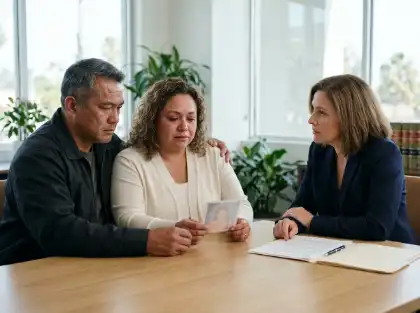
Can Parents Sue a School for Bullying and Intimidation?
Yes. Parents may be able to sue a school on behalf of their child if the school failed to take reasonable steps to protect them from bullying and the child suffered harm as a result.
For example, if parents repeatedly reported threats or physical bullying to school officials, but the school failed to respond appropriately, the family may have grounds for a claim if their child was later injured. The key question is whether the school knew or should have known about the danger and whether reasonable action could have prevented the harm.
However, bullying does not automatically make a school legally responsible. Families must show that the school’s actions or failure to act contributed to their child’s injuries.
Can a Student Sue for Emotional Distress Without Physical Injuries?
Yes, potentially. California law recognizes certain emotional distress claims even without accompanying physical injury.
However, the student must establish an applicable legal duty or other recognized legal basis, the required conduct, causation, and compensable distress. Ordinary embarrassment or being upset does not automatically support a damages award.
Medical and counseling records may help document the severity and consequences of the harm.
Is a School Responsible if Bullying Happens Through Social Media?
Not automatically. Online bullying may become relevant to a school’s responsibilities when it affects student safety or creates a hostile educational environment connected to the school. The school may need to address it even when some messages originate off campus.
However, the applicable rules depend on the conduct, its effects, the school’s knowledge, and the circumstances of the resulting harm.
Can Parents Sue if Their Child Was Hurt in a Fight at School?
Yes, when the facts support a valid claim. A school may face liability if employees negligently failed to supervise students or respond to a foreseeable risk of violence.
A school is not automatically responsible for every unexpected fight. Prior threats, reports of aggression, and school incident records may help establish whether the danger was reasonably foreseeable.
What Is Seth’s Law in California?
Seth’s Law strengthened California’s protections against discrimination, harassment, intimidation, and bullying in public schools.
Among other requirements, Education Code Section 234.1 addresses school anti-bullying policies, complaint procedures, and employee intervention when safe to do so.
The law helps establish school obligations, but violations do not automatically entitle a student to personal injury compensation.
Can Bullying Lead to a Wrongful Death Claim After a Student’s Suicide?
Yes, in limited circumstances, but these claims present substantial legal challenges.
A family must establish a valid basis for liability and prove that the defendant’s actionable conduct legally caused the death. Public school claims may also face restrictions involving the location of the harm and whether the student was under school supervision.
Reported bullying or even a failure to follow school procedures does not automatically prove wrongful death liability.
Does the Government Claim Deadline Wait Until a Student Turns 18?
No. The initial six-month deadline for presenting an injury claim against a public school district generally is not postponed simply because the student is a minor.
Limited late-claim procedures may apply, but they have separate requirements and deadlines.
Families should seek advice promptly rather than assume the ordinary rules for lawsuits involving minors also apply to government claims.
Can Parents Be Responsible for Their Child’s Bullying?
Yes, under certain circumstances. California Civil Code Section 1714.1 provides limited parental liability for specified willful misconduct by a minor.
The statute does not make parents automatically liable for all bullying. The conduct, damages, statutory conditions, and applicable limits must be evaluated.
Seek Accountability After Serious School Bullying
Parents should be able to raise concerns about their child’s safety and expect those concerns to receive appropriate attention. When repeated bullying results in serious harm, a careful review of the school’s actions may help establish whether preventable failures occurred.
For families dealing with a severe injury or an unimaginable loss, legal proceedings may feel like another burden. Understanding the available options can help you decide whether pursuing a claim is right for your circumstances.
Arash Law assists California families with personal injury and wrongful death matters. Our team can evaluate potential liability, review important evidence, and discuss legal requirements, including government claim deadlines and insurance issues.
If your child suffered serious harm because of bullying or your family lost a loved one in a bullying-related incident, call Arash Law at (888) 488-1391 for a free initial consultation. We can listen to your concerns and help you understand the options that are available to you.
Sources
California Department of Education — Bullying & Hate-Motivated Behavior Prevention. Official information on forms of bullying and prevention measures. https://www.cde.ca.gov/ls/ss/se/bullyingprev.asp
California Department of Education — Bullying Prevention Training & Resources. California school bullying prevention and cyberbullying requirements. https://www.cde.ca.gov/ls/ss/se/bullyres.asp
California Department of Education — Sample Policy for Bullying Prevention. Official model guidance addressing reporting, intervention, and school responses. https://www.cde.ca.gov/ls/ss/se/samplepolicy.asp
California Courts — Ask a Government Agency to Pay You. Official guidance on government claim procedures and filing deadlines. https://selfhelp.courts.ca.gov/civil-lawsuit/government-claim
California Education Code Section 234.1. Requirements concerning discrimination, harassment, intimidation, and bullying policies and intervention. https://leginfo.legislature.ca.gov/faces/codes_displaySection.xhtml?sectionNum=234.1.&lawCode=EDC
California Government Code Section 815.2. Public entity liability for qualifying employee acts and omissions. https://leginfo.legislature.ca.gov/faces/codes_displaySection.xhtml?sectionNum=815.2.&lawCode=GOV
California Government Code Section 911.2. Deadlines for presenting government claims involving personal injury and death. https://leginfo.legislature.ca.gov/faces/codes_displaySection.xhtml?sectionNum=911.2.&lawCode=GOV
Disclaimer
This content is intended for general educational purposes only and does not constitute legal advice. Every bullying-related personal injury or wrongful death claim depends on its individual facts, the evidence available, and applicable California law.
Reading this content or communicating with the firm does not establish an attorney-client relationship. Families should consult a licensed California attorney regarding their specific circumstances and filing deadlines.
Arash Law — (888) 488-1391