TL;DR: Even after a landlord repairs a hazard, your injury lawyer can review earlier photos, repair requests, maintenance records, contractor files, and witness accounts. These records can help establish what the property looked like before the repair and what changed. Save original files, document repair dates, and identify anyone who may hold missing evidence.
Your injury lawyer can review earlier photos and videos, repair requests, maintenance records, and witness accounts to piece together what happened before the landlord repaired the hazard. Contractor files, permit or inspection records, and a safe, authorized look at the current condition can help show what changed and which questions remain open.
Consider a California rental where a tenant warned the landlord about a ceiling problem. The ceiling later collapsed, and the tenant was injured during cleanup. A repair before a lawyer or expert can inspect the site is possible. Until a reliable record or witness confirms that work occurred, its timing and scope remain open questions.
If another section of ceiling fell during cleanup, the earlier warnings and the second collapse raise their own questions about the injury. Once cleanup or repair changes the scene, compare the evidence from each stage to establish what was visible when the injury happened.
Key Facts About Preserving Evidence Before and After Repairs
- Earlier photos can show what changed. A witness or other evidence can help confirm where and when a photo was taken and what it shows. (Cal. Evid. Code § 1401.)
- Complaints can document prior warnings. A dated complaint can show what the tenant reported, while a reply or work order may help show who received the warning and how they responded. (Alcaraz v. Vece (1997) 14 Cal.4th 1149, 1170.)
- Later repairs have limited use in court. If making the repair earlier would have made the injury less likely, evidence of the later repair cannot be used to prove negligence. (Cal. Evid. Code § 1151.)
- Preservation duties can begin before a lawsuit. A party may have to keep relevant texts, emails, or digital files once litigation is reasonably foreseeable. (Victor Valley Union High School Dist. v. Superior Court (2023) 91 Cal.App.5th 1121, 1138.)
- Intentional destruction can affect what a jury infers. If jurors find that a party deliberately hid or destroyed evidence, they may conclude that the evidence would have hurt that party’s position. (Cal. Evid. Code § 413 and CACI No. 204.)
Table of Contents

The Landlord Repaired the Condition Before Inspection. What Records Can My Injury Lawyer Still Review?
Your lawyer can compare the records from before the collapse, during cleanup, and after any confirmed work. Even when before-and-after photos show the same spot, the dates and work records help establish what happened between the two images.
Match Each Record to the Question It Can Answer
- Photos and videos. The tenant, a neighbor, building management, or a contractor may have original files. Compare the location, angle, and date to see whether an image shows the ceiling before the collapse, debris during cleanup, or a surface after work. A camera operator or other witness may help identify the location and explain what the image shows.
- Warnings and complaints. The tenant may have the original messages or a portal confirmation. The landlord or property manager may have the matching inbox or complaint log. A sent message shows what the tenant reported and when. A reply, acknowledgment, or intake log can help establish who received it.
- Maintenance and contractor records. Management may hold work orders, and the contractor may have job notes, invoices, and photos. Compare when work was requested, what workers found, and what they actually removed or replaced. Check who marked a ticket complete and when the contractor says the work was done.
- Witness accounts. A neighbor may remember the ceiling before the collapse. A person present during cleanup may be able to describe the area at the time of the injury. Workers may know what was removed. Record each person’s contact details and what they saw firsthand.
- Permits and inspection records. If the work involved a permit or inspection, the local building department may hold the application, permit, or inspection record. The owner or contractor may have copies. Compare the work described on paper with the contractor’s account of what was done. A missing permit record leaves open whether the work needed a permit or whether the search found the right file.
- Current condition. A lawyer or qualified expert may compare the same spot with older photos during a safe, authorized inspection. A finished surface may cover the area the expert needs to evaluate. Keep out of unsafe areas, leave debris where it is, and avoid recreating the hazard for a photo.
In the ceiling example, a tenant’s message could show what they reported before the collapse. A photo or witness account from the cleanup could show what was still in the area when the injury occurred. Following a repair, a dated work order and photos taken before the work began could show what the contractor found and replaced. However, the timeline may remain uncertain when no records show the area at the time of the injury.
If you don’t have a copy, tell your lawyer who may have the record. Your attorney can ask for copies of specific items, such as a work order or photos taken before repairs began. If a lawsuit is filed, your lawyer may be able to subpoena relevant records from a third party, such as a contractor.
How to Document What Changed at the Property
Use the table to note what happened, when it happened, and who may have a record. If you’re unsure of a date or whether repairs took place, write “unknown.”
| What Happened and When | Where to Look for Records | What to Ask Your Lawyer |
|---|---|---|
| Before the collapse: The tenant reported a ceiling problem. | The tenant’s messages or photos, or the property manager’s complaint log. | Who received the warning, and what did the ceiling look like then? |
| During cleanup: The tenant was injured. | Existing photos or someone who saw the area before the injury. | What had already been moved or cleared when the injury happened? |
| After the injury: Repairs may have happened. | The manager’s work order or the contractor’s notes and photos. | Did the work happen? If so, what was removed or replaced? |
| Current condition: The area may look different now. | Existing photos or notes from a safe, authorized inspection. | What can an expert still see, and what might be covered or gone? |
Download the fillable worksheet to record what changed at the property and jot down questions for your lawyer. Fill it out on screen or print it and write by hand.
If repairs are planned or the area has already changed, call Arash Law at (888) 488-1391 for a free initial consultation. Our landlord liability lawyers can review what you have and help identify who may have other records.
When Can California Courts Consider Evidence of a Later Repair?
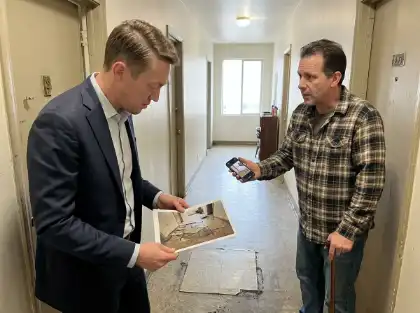 Under California Evidence Code § 1151, evidence of a later repair that could have made the incident less likely is inadmissible to prove negligence or other culpable conduct in connection with that incident. The California Supreme Court explained in Alcaraz v. Vece that a later measure may be relevant for another purpose, such as showing who controlled the area when control is disputed. The court decides whether to admit the evidence for that purpose.
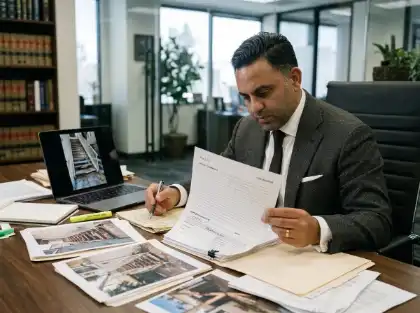
A lawyer can still review a repair file as part of the investigation. It may contain a photo taken before work began or name a worker who saw the exposed area. To use a photo in court, a party generally needs evidence that it is what the party says it is. A work order offered to prove what it says may need to meet the requirements for a business record or another hearsay exception.
What Should You Save Before or After a Repair?
Start with the records you already have. Save them as soon as you learn that work is planned, underway, or complete.
- Photos, videos, and messages. Keep the original files and full message threads so your lawyer can see the dates, who was involved, and what was said.
- Repair notices and dates. Save any notice about the work. If the repair already happened, note when you learned about it and, if you know, when the work was done.
- Medical records. Keep a separate record of your medical care after the injury. If you were hurt during cleanup, treatment records can help show when symptoms began. Photos and witness accounts can help show what the area looked like at the time.
What can your lawyer ask others to keep? Your lawyer can request that the landlord, property manager, or contractor preserve relevant photographs, messages, repair records, and materials removed during the work. When safe and practical, they may also request preservation of physical evidence. A preservation letter can identify specific items and document when the recipient received the request.
In Victor Valley Union High School Dist. v. Superior Court, a California appellate court explained that the duty to preserve relevant electronic evidence can arise before a lawsuit. The question is whether a reasonable person in the same circumstances would have considered a lawsuit probable or likely.
What if records or materials are missing? A repair can limit what an expert can inspect. Your lawyer can check who had the missing item, when it became unavailable, and whether another record or witness can fill the gap.
A court needs evidence of intentional concealment or destruction before it can instruct a jury on willful suppression. If the jury finds that a party intentionally hid or destroyed evidence, it may infer that the evidence would have been unfavorable to that party.
Frequently Asked Questions About Evidence After a Landlord’s Repair in California
Can My Lawyer Review the Claim if No One Photographed the Original Ceiling?
Yes. Your lawyer can compare the complaint history, maintenance records, and firsthand witness accounts to see what they show about the condition before the injury. If the available records leave a central question unanswered, that gap can affect the claim.
What if the Landlord Threw Away the Broken Ceiling Materials?
Your lawyer can ask who removed the materials, when they were discarded, and whether anyone photographed or documented them first. Those details help counsel assess whether the loss affects what an expert can determine and whether any preservation obligation applied at the time.
How Soon Should I Tell My Lawyer if Repairs Are Planned?
Tell your lawyer as soon as you learn that work is planned or underway. Send any existing notice, scheduled work date, or contractor name. Your lawyer can assess whether to request specific records or materials while they are still available.
What if the Only Photos I Have Show the Ceiling After the Repair?
A photo taken after the repair can help identify the room and document how it looked on that date. Your lawyer can compare it with a work order or witness account to see whether the sources describe the same spot. Keep the original file so its date and other details can be checked.
Ask Arash Law to Review the Records You Have
If you were injured in a California rental and the condition has changed, call Arash Law at (888) 488-1391 for a free, no-obligation initial consultation. Bring the photos, complaints, and repair messages you already have. We can review what they show, what may still be available, and how any gaps could affect your options. No attorney’s fees unless we win. The written fee agreement governs case costs and expenses.
Sources
- California Evidence Code § 1151, admissibility of later repairs. https://leginfo.legislature.ca.gov/faces/codes_displaySection.xhtml?lawCode=EVID§ionNum=1151.
- Alcaraz v. Vece (1997) 14 Cal.4th 1149, 1169–1170, use of a later repair as evidence of control. https://www.leagle.com/decision/1997116314cal4th114911162
- California Evidence Code § 1401, authentication of writings, including photographs. https://leginfo.legislature.ca.gov/faces/codes_displaySection.xhtml?lawCode=EVID§ionNum=1401.
- California Evidence Code § 1271, requirements for the business records exception. https://leginfo.legislature.ca.gov/faces/codes_displaySection.xhtml?lawCode=EVID§ionNum=1271.
- Victor Valley Union High School District v. Superior Court (2023) 91 Cal.App.5th 1121, duty to preserve electronic evidence. https://fvaplaw.org/wp-content/uploads/2023/11/Victor-Valley-Union-High-School-Dist-v-Super-Ct-San-Bernardino-John-Doe.pdf
- California Evidence Code § 413, inferences from willful suppression of evidence. https://leginfo.legislature.ca.gov/faces/codes_displaySection.xhtml?lawCode=EVID§ionNum=413.
- Judicial Council of California Civil Jury Instructions, No. 204, Willful Suppression of Evidence. https://courts.ca.gov/system/files/file/judicial_council_of_california_civil_jury_instructions_2026.pdf
- State Bar of California, attorney license and admission record for Arash Khorsandi. https://apps.calbar.ca.gov/attorney/Licensee/Detail/249405
Disclaimer
This information is for educational purposes only. It does not constitute legal advice or create an attorney-client relationship. Past results do not guarantee a similar outcome. Consult a licensed California attorney about your circumstances. Arash Law | (888) 488-1391.