TL;DR: Yes, you can sue a drunk driver who caused your Halloween injuries in California. You must prove that the driver’s negligence caused your injuries and losses. Compensation may cover medical costs, lost income, pain and suffering, and property damage. Punitive damages may also apply. Depending on the circumstances, other parties may also share responsibility.
Yes, you can sue a drunk driver who hit you on Halloween night in California if their negligent driving caused your injuries. You may seek compensation for medical bills, lost income, pain and suffering, and other losses. You must show that the driver’s actions caused or contributed to your injuries.
California law allows you to pursue a civil claim whether the driver struck your car, hit you while trick-or-treating, or injured you as a passenger. A criminal DUI conviction is not required. However, you need evidence of the driver’s negligence and the harm you suffered.
Key Facts About Suing a Drunk Driver Who Hit You on Halloween Night in California
- You can sue a negligent drunk driver. California Civil Code § 1714 supports injury claims against drivers whose negligence caused a crash and resulting harm.
- Civil cases use a lower standard of proof than criminal prosecutions. Civil cases generally require proof that your allegations are more likely true than not, while criminal cases require proof beyond a reasonable doubt.
- Punitive damages require additional proof. Civil Code § 3294 requires clear and convincing evidence of malice, oppression, or fraud.
- Your own insurance may provide compensation. Uninsured or underinsured motorist coverage may help when an at-fault driver lacks adequate insurance under Insurance Code § 11580.2.
- A two-year filing deadline generally applies. CCP § 335.1 generally gives injured people two years from the date of injury to file a personal injury lawsuit.
Table of Contents

When Can You Sue a Drunk Driver After a Halloween Crash in California?
You can sue a drunk driver when their negligent actions cause or contribute to your injuries. The driver does not have to be convicted of DUI for you to pursue compensation.
California personal injury law generally requires proof of four elements:
- Duty of Care: The driver has a duty to operate their vehicle with reasonable care.
- Breach of Duty: The driver failed to meet that duty, for example, by driving while impaired or by ignoring traffic signals.
- Causation: The driver’s negligent actions caused or contributed to your injuries.
- Damages: You suffered injuries or incurred financial losses as a result of the crash.
Under California Vehicle Code § 23152, driving while impaired by alcohol is illegal. The law applies even when a driver’s blood alcohol concentration (BAC) is below 0.08%.
Evidence of a DUI law violation may support a presumption of negligence. However, the violation must meet the law’s requirements and be connected to the injury.
A civil injury lawsuit and a criminal DUI case follow separate legal processes. Prosecutors must prove criminal guilt beyond a reasonable doubt. In a civil claim, you generally must prove liability by a preponderance of the evidence. That means showing that your claim is more likely to be true than not.
You can still sue if prosecutors never charge the driver or dismiss the criminal case. However, you must prove the driver’s negligence caused your injuries.
How Does a Civil Lawsuit Against a Drunk Driver Work?
A civil claim allows injured individuals to seek compensation for losses caused by the drunk driver. Most cases begin with an insurance claim, but you can file a lawsuit without waiting for an insurance denial.
A California drunk driving injury claim generally follows these stages:
- Case Investigation: Your attorney reviews the collision, available evidence, witness accounts, and applicable insurance policies. This review helps identify potentially responsible parties.
- Evaluating Damages: Medical bills, lost wages, future treatment needs, and pain and suffering help establish the claim’s value.
- Insurance Claim & Negotiations: Your attorney submits a demand for compensation to the insurer/s. The company reviews the claim and may accept, deny, or negotiate the terms.
- Filing a Lawsuit: If negotiations fail, you may file a civil complaint with the help of your attorney. After personal service, the defendant generally has 30 days to respond.
- Discovery: Both sides exchange evidence and information. This process may include written questions, document requests, and testimony under oath.
- Settlement or Trial: The case may settle before trial. Otherwise, a judge or jury decides liability and damages. Payment then follows the settlement agreement or judgment collection process.
Insurance negotiations do not automatically extend the lawsuit deadline. A civil case can also proceed while criminal DUI charges remain pending.
What Evidence Can Help Support a Halloween Drunk Driving Accident Claim?
Evidence from the crash and DUI investigation can help establish fault, injuries, and financial losses. You do not need to prove every detail through a police report.
Useful evidence may include:
- Police Reports: Officers may record signs of impairment, witness statements, and details about the crash.
- BAC Test Results: Available chemical test records may help establish whether alcohol impaired the driver.
- Witness Statements: People who saw the collision may describe speeding, unsafe turns, or other driving behavior.
- Video Footage: Dashcams, nearby businesses, and traffic cameras may capture the crash.
- Medical Records: Hospital reports, treatment notes, and medical bills help connect your injuries to the accident.
- Employment Records: Pay statements and employer records can support lost-income claims.
A DUI arrest does not make every police record automatically admissible in civil court. The court must apply California’s evidence rules.
Some businesses overwrite security recordings within days. A drunk driving accident lawyer may request that businesses and other parties preserve relevant footage before it disappears.
What Compensation Can You Recover After a Halloween Drunk Driving Crash?
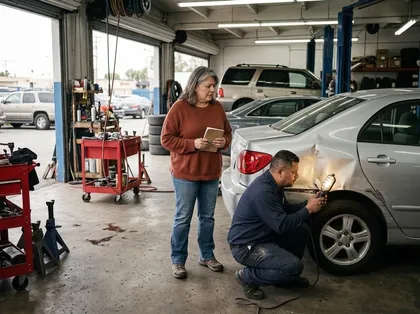
You may seek compensation for financial losses and personal harm after a Halloween drunk driving crash. California law protects the legal rights of victims hit by drunk drivers, regardless of when the collision occurs.
Your potential recovery depends on your injuries, treatment needs, and supporting evidence. California does not set a fixed payout for drunk driving injuries.
Economic Damages
Economic damages cover financial losses caused by the collision. These may include:
- Medical Expenses: Emergency care, hospitalization, surgery, medication, and follow-up treatment.
- Future Medical Care: Rehabilitation, therapy, medical equipment, and ongoing treatment.
- Lost Wages: Income you lost while recovering from your injuries.
- Reduced Earning Capacity: Future income losses caused by lasting physical limitations.
- Property Damage: Repair or replacement costs for your vehicle and other belongings.
Non-Economic Damages
Non-economic damages cover personal losses that do not have a fixed financial value. They may include:
- Pain and Suffering: Injury-related pain, discomfort, and ongoing symptoms that interfere with daily activities.
- Emotional Distress: Anxiety, fear, depression, or other emotional effects of the collision and injuries.
- Loss of Enjoyment: Reduced ability to enjoy hobbies, recreation, and activities you previously enjoyed.
- Physical Impairment: Lasting limitations that affect your mobility, independence, or ability to perform everyday tasks.
California’s Proposition 213 may limit pain and suffering damages if you owned an uninsured vehicle involved in the crash.
Civil Code § 3333.4(c) provides a narrow exception when the at-fault driver was convicted of DUI. The exception does not apply to every uninsured motorist.
You can still sue without a DUI conviction, but a conviction may affect the damages you can recover.
Wrongful Death Damages
Eligible family members may file a wrongful death claim if a drunk driver’s negligence caused a loved one’s death. California Code of Civil Procedure §§ 377.60 and 377.61 govern these claims.
Wrongful death compensation may include:
- Funeral and Burial Expenses: Reasonable costs related to the death.
- Lost Financial Support: Income and financial contributions the deceased would have provided.
- Lost Household Services: The value of household work and services the deceased would have performed.
- Loss of Companionship: The loss of care, affection, guidance, and companionship.
These damages compensate eligible family members for their own losses.
The personal representative or successor in interest may pursue a separate survival action for losses the deceased suffered before death.
The available damages and parties entitled to bring each claim depend on the circumstances.
Punitive Damages
Punitive damages may be available when the driver’s conduct meets California’s higher legal standard. These damages punish particularly wrongful conduct rather than compensate you for medical bills or lost income.
Under Civil Code § 3294, you must prove malice, oppression, or fraud with clear and convincing evidence.
In Taylor v. Superior Court (1979) 24 Cal.3d 890, the California Supreme Court addressed punitive damages against an intoxicated driver. The court recognized that knowingly driving while intoxicated can show conscious disregard for others’ safety under certain circumstances.
Evidence about the driver’s decisions and awareness of the danger may support a punitive damages claim. However, a DUI arrest or conviction alone does not guarantee punitive damages.
Arash Law can review your Halloween drunk driving accident and assess the compensation you may claim. Our attorneys offer free case evaluations and handle personal injury cases on a contingency fee basis.
Call (888) 488-1391 to discuss your injuries, available insurance, and legal options.
Can You Sue Someone Besides the Drunk Driver?
Yes. Other parties may share responsibility if their conduct contributed to the Halloween DUI crash or your injuries. Liability depends on each party’s actions and the available evidence.
Potentially liable parties include:
- Vehicle Owners: An owner may be subject to limited liability under Vehicle Code § 17150 for allowing a negligent driver to use their vehicle.
- Employers: An employer may be responsible when an employee causes a collision while performing work duties.
- Bars and Restaurants: California generally protects alcohol sellers from liability for serving intoxicated adults. Business and Professions Code § 25602.1 provides a limited exception involving obviously intoxicated minors.
- Private Halloween Party Hosts: Civil Code § 1714(d) may apply when an adult knowingly provides alcohol to someone under 21 at home. The alcohol service must contribute to the injury for them to be liable.
- Other Negligent Drivers: Another driver may share fault if speeding, unsafe turns, or traffic violations contributed to the crash.
- Government Agencies: A public agency may be liable under Government Code § 835 when a dangerous public road condition contributed to the accident.
- Vehicle Manufacturers and Repair Shops: A defective vehicle part or negligent repair may create liability if it caused or worsened the injuries.
Not every Halloween DUI accident involves multiple responsible parties. The evidence must support each additional claim.
What If the Drunk Driver Has No Insurance or Not Enough Coverage?
You may have other insurance options when the drunk driver is uninsured or underinsured. Available compensation depends on policy limits, coverage terms, and your documented losses.
Since January 1, 2025, California’s minimum auto liability limits have been:
- $30,000 for injury or death to one person.
- $60,000 for injury or death to multiple people.
- $15,000 for property damage.
Additional sources of compensation may include:
- Uninsured Motorist Coverage (UM): May cover qualifying injuries when the responsible driver lacks applicable liability insurance.
- Underinsured Motorist Coverage (UIM): May provide benefits when your UIM limits exceed the at-fault driver’s bodily injury liability limits.
- Your Other Insurance Coverages: Medical payments or collision coverage may apply under your policy.
Under Insurance Code § 11580.2, UIM benefits generally require exhausting the applicable bodily injury liability coverage first.
You may sue the driver for compensation beyond their insurance limits. However, even if you win, getting paid depends on the driver’s ability to pay.
Are There More Drunk Drivers on Halloween Night?
Halloween has documented drunk-driving fatalities, but national fatality data does not count every impaired driver on the road. It cannot establish exactly how many more people drive drunk compared with an ordinary night.
The National Highway Traffic Safety Administration (NHTSA) reported 176 deaths in drunk-driving crashes on Halloween nights from 2019 through 2024.
These crashes involved at least one driver with a BAC of 0.08% or higher. NHTSA measures Halloween night from 6 p.m. October 31 through 5:59 a.m. November 1.
The figures cover the United States, not California alone.
Halloween celebrations may also bring pedestrians, families, and late-night drivers onto the same roads. California’s civil liability rules apply when a negligent driver causes injuries during those activities.
What Should You Do If a Drunk Driver Hits You on Halloween?
Seek medical care and report the collision first. Then preserve evidence that may help show what happened and what losses followed.
- Get medical attention. Tell your doctor about your symptoms and keep treatment records.
- Contact law enforcement. Report the crash and describe any signs of impairment you observed.
- Save evidence. Keep scene photos, witness details, dashcam footage, and vehicle damage records.
- Track your losses. Preserve medical bills, missed-work records, and repair estimates.
- Notify your insurer. Meet your policy’s notice requirements and review requests for recorded statements.
- Consider legal advice. Car accident lawyers can review fault, insurance, and filing deadlines.
Under Vehicle Code § 20008, drivers involved in qualifying injury collisions generally must make or arrange a written law enforcement report within 24 hours. Drivers must also file a DMV SR-1 within 10 days when someone is injured or killed. The same requirement applies when property damage exceeds $1,000.
A police report does not replace the SR-1 filing. Passengers and pedestrians do not automatically assume these driver reporting duties.
How Long Do You Have to Sue a Drunk Driver After Halloween?
You generally have two years from the injury date to sue a private driver in California. Code of Civil Procedure § 335.1 sets this deadline. Missing it may prevent you from recovering compensation, even if the drunk driver caused your injuries.
Other claims may have different deadlines:
- Property Damage: Code of Civil Procedure § 338 generally allows three years to file a lawsuit.
- Government Injury Claims: Government Code § 911.2 generally requires a written claim to be filed within six months.
- Injuries to Minors: Code of Civil Procedure § 352 generally pauses the ordinary injury lawsuit deadline while the injured person is under 18.
-
Uninsured Motorist Claims: Insurance Code § 11580.2 generally requires you to take certain actions within two years to preserve UM benefits.
Simply notifying your insurer may not be enough. Within that period, you generally must file a bodily injury lawsuit against the uninsured driver, reach an agreement with your insurer on the amount owed, or formally demand arbitration.
An arbitration demand must be sent in writing by certified mail with a return receipt requested. Missing these requirements may prevent you from recovering UM benefits.
Government claims have additional deadlines. After a legally sufficient written rejection, you generally have six months to sue. Without the required rejection notice, the deadline is generally two years from the date of injury under Government Code § 945.6.
The ordinary deadline extension for minors does not automatically apply to government claims.
Why Is It Important to Act Before the Filing Deadline?
You may lose important evidence long before the deadline to sue expires. Nearby businesses may overwrite surveillance footage within days. Witnesses may forget details, and damaged vehicles may undergo repairs before anyone documents their condition.
Early investigation can help preserve crash recordings, witness statements, DUI test records, and other evidence of the driver’s negligence. Medical records can also help connect your injuries to the collision.
Preserving evidence early gives you a better opportunity to prove fault and support your compensation claim.
Frequently Asked Questions About Halloween DUI Accidents in California
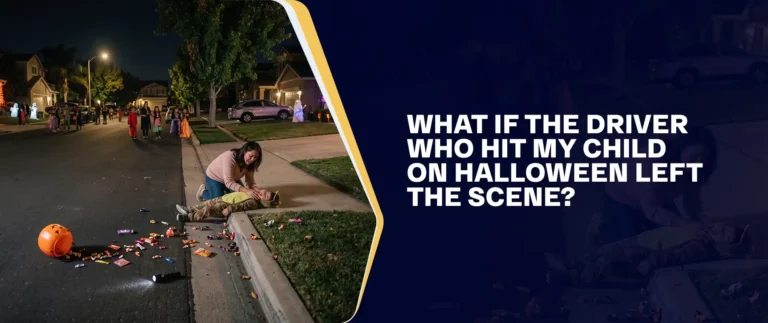
Can I Sue If the Drunk Driver Fled the Scene?
Yes. You can pursue a claim against the driver if authorities identify them. Your uninsured motorist coverage may also apply if the driver remains unknown.
For unidentified hit-and-run drivers, California generally requires physical contact and prompt reporting. Insurance Code § 11580.2 also includes a 24-hour police reporting requirement and a 30-day sworn insurer statement requirement for these claims.
Can I Recover Compensation If I Was Partly at Fault?
Yes. California follows a pure comparative fault rule, which allows recovery even when you share responsibility. Your damages generally decrease by your percentage of fault. If you were 20% responsible, a $100,000 award would decrease to $80,000.
What if I was Wearing a Dark Halloween Costume or Crossing Outside a Crosswalk?
You may still recover compensation. Neither circumstance automatically makes you responsible for the collision. The court considers each party’s actions. Your damages may decrease if your negligence contributed to the crash.
Can I Sue if I Was a Passenger in the Drunk Driver’s Car?
Yes. Passengers can seek compensation for injuries caused by a negligent driver. However, knowingly riding with an impaired driver may affect the passenger’s share of fault. The circumstances determine whether that rule applies.
How Much Does a Lawyer Cost for a Halloween DUI Injury Claim?
Many California personal injury attorneys, including those at Arash Law, work on a contingency fee basis. This means you only pay the attorney’s fees if your claim results in a recovery. The fee is a percentage of your potential recovery. The written agreement must explain the fee percentage and how case expenses are handled.
Discuss Your Halloween Drunk Driving Accident Claim With Arash Law
If a drunk driver injured you on Halloween night, you may have grounds to pursue compensation under California law. You do not have to wait for the criminal DUI case to end before exploring your civil claim.
Arash Law’s drunk driving accident lawyers can review the collision, identify responsible parties, and assess potential damages. Our attorneys handle personal injury cases on a contingency fee basis, and you can ask about the fee structure in detail during your free case review.
Call (888) 488-1391 to discuss your Halloween DUI accident claim. Hablamos español.
Sources
- California Vehicle Code § 23152. Impaired driving. https://leginfo.legislature.ca.gov/faces/codes_displaySection.xhtml?sectionNum=23152.&lawCode=VEH
- California Evidence Code § 669. Negligence per se. https://leginfo.legislature.ca.gov/faces/codes_displaySection.xhtml?sectionNum=669.&lawCode=EVID
- California Civil Code § 3294. Punitive damages. https://leginfo.legislature.ca.gov/faces/codes_displaySection.xhtml?sectionNum=3294.&lawCode=CIV
- Taylor v. Superior Court (1979) 24 Cal.3d 890. Drunk driving punitive damages. https://openjurist.org/24/cal3d/890/taylor-v-superior-court-1218195
- California Civil Code § 3333.4. Proposition 213 damages limits. https://leginfo.legislature.ca.gov/faces/codes_displaySection.xhtml?sectionNum=3333.4.&lawCode=CIV
- California Code of Civil Procedure § 377.60. Wrongful death claimants. https://leginfo.legislature.ca.gov/faces/codes_displaySection.xhtml?sectionNum=377.60.&lawCode=CCP
- California Code of Civil Procedure § 377.61. Wrongful death damages. https://leginfo.legislature.ca.gov/faces/codes_displaySection.xhtml?sectionNum=377.61.&lawCode=CCP
- California Business and Professions Code § 25602.1. Alcohol service to intoxicated minors. https://leginfo.legislature.ca.gov/faces/codes_displaySection.xhtml?sectionNum=25602.1.&lawCode=BPC
- California Civil Code § 1714. Social-host liability. https://leginfo.legislature.ca.gov/faces/codes_displaySection.xhtml?sectionNum=1714.&lawCode=CIV
- California Vehicle Code § 17150. Vehicle-owner liability. https://leginfo.legislature.ca.gov/faces/codes_displaySection.xhtml?sectionNum=17150.&lawCode=VEH
- California Government Code § 835. Dangerous public property liability. https://leginfo.legislature.ca.gov/faces/codes_displaySection.xhtml?sectionNum=835.&lawCode=GOV
- California Insurance Code § 11580.2. Uninsured and underinsured motorist coverage. https://leginfo.legislature.ca.gov/faces/codes_displaySection.xhtml?sectionNum=11580.2.&lawCode=INS
- California DMV, Insurance Requirements. Minimum liability limits. https://www.dmv.ca.gov/portal/vehicle-registration/insurance-requirements/
- National Highway Traffic Safety Administration, Halloween. Halloween drunk-driving fatalities. https://www.trafficsafetymarketing.gov/safety-topics/drunk-driving/buzzed-driving-drunk-driving/halloween
- California Courts, After You Serve Your Lawsuit. Defendant responses and case procedures. https://selfhelp.courts.ca.gov/civil-lawsuit/plaintiff/after-serve
- California Vehicle Code § 20008. Injury collision reporting. https://leginfo.legislature.ca.gov/faces/codes_displaySection.xhtml?sectionNum=20008.&lawCode=VEH
- California Vehicle Code § 16000. DMV collision reporting. https://leginfo.legislature.ca.gov/faces/codes_displaySection.xhtml?sectionNum=16000.&lawCode=VEH
- California Code of Civil Procedure § 335.1. Two-year injury deadline. https://leginfo.legislature.ca.gov/faces/codes_displaySection.xhtml?sectionNum=335.1.&lawCode=CCP
- California Code of Civil Procedure § 338. Three-year property damage deadline. https://leginfo.legislature.ca.gov/faces/codes_displaySection.xhtml?sectionNum=338.&lawCode=CCP
- California Code of Civil Procedure § 352. Deadlines involving minors. https://leginfo.legislature.ca.gov/faces/codes_displaySection.xhtml?sectionNum=352.&lawCode=CCP
- California Government Code § 911.2. Government claims deadlines. https://leginfo.legislature.ca.gov/faces/codes_displaySection.xhtml?sectionNum=911.2.&lawCode=GOV
- California Government Code § 945.6. Government lawsuit deadlines. https://leginfo.legislature.ca.gov/faces/codes_displaySection.xhtml?sectionNum=945.6.&lawCode=GOV
Disclaimer
The information on this page is for general educational purposes and does not constitute legal advice. No attorney-client relationship is formed by reading or relying on this content. If you were injured, consult a licensed California personal injury attorney about your specific situation. Arash Law: (888) 488-1391.