TL;DR: Homeowner liability for a guest’s garage door injury in California depends on negligence: unsafe maintenance, failure to warn, or careless operation. You must show duty, breach, causation, and damages, and homeowners insurance may cover losses unless an exclusion applies.
Highlights:
- Get medical care and follow all treatment instructions.
- Photograph the garage door, hazards, and your injuries.
- Request and save any garage security camera footage.
- Document prior issues or warnings about the door.
- Keep medical bills and proof of missed work.
- Write a recovery journal describing pain and limitations.
- Consult a lawyer before signing insurance paperwork.
Tip: Stick to facts when discussing the incident and avoid guessing about how it happened.
Table of Contents
In California, a homeowner may be liable if a broken garage door injures a guest. The state’s premises liability law requires them to maintain a safe environment for lawful visitors. If they knew their garage door was dangerous but didn’t fix it, they could be held responsible for any resulting injuries or losses.
That’s because injured guests could file a personal injury claim and seek compensation under California law. In this case, homeowners’ insurance could cover their damages.
When Homeowners Might Be Liable For A Guest’s Garage Door Injuries
A homeowner could be liable for your injuries if they fail to spot and fix dangerous conditions on their property. If you get injured by their garage door, you may be eligible to file a personal injury case.
Garage door accidents can happen for many reasons. For instance, they may occur due to misuse, negligence, or product defects. Homeowners must exercise reasonable care to keep their property safe for guests, including friends, neighbors, or even visiting relatives. They may thus face legal responsibility for any injuries if they fail to do so.
Scenarios Where Homeowners May Be Liable
Part of a homeowner’s responsibility is to keep their property reasonably safe for visitors. Aside from fixing any known hazards, they should also warn guests about potential dangers, especially those that are hidden. Accidents can result from a failure to adhere to this responsibility.
California’s Civil Jury Instructions for premises liability establish that anyone who controls a property but fails to keep lawful visitors safe may be liable for any resulting injuries. With this in mind, they may be liable for your garage door injuries in scenarios such as the following:
- Failure to Maintain the Garage Door: Not fixing frayed cables, broken springs, or faulty safety sensors.
- Failure to Warn Guests of Known Risks or Defects: Doing nothing to alert others of hazards, such as a garage door that jerks, slams, or fails to stop when blocked.
- Unsafe or Negligent Operation: Examples include propping a malfunctioning door open or allowing children to play near it despite knowing the risks.
- Misuse of Keypads and Remotes: Usually involves opening or closing the door while someone is in the way. Leaving the remote accessible to children may also lead to accidents.
In these cases, you could argue that a homeowner failed to fix their garage door despite:
- Having actual notice of the dangerous condition the door created, which means they directly observed that it could cause harm
- Having constructive notice of the hazard, which means they should have spotted issues with their garage door during regular inspections or maintenance
Common Garage Door Injuries
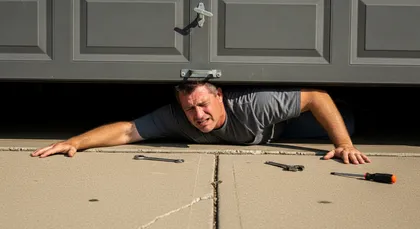
Garage doors are large, powerful machines that can cause serious injury if not used properly. The following are some of the typical kinds of injuries they can cause:
- Pinch and Laceration Injuries: A garage door has many moving parts. They include rollers, tracks, and panels. Their springs could snap and cut someone nearby, while their mechanisms can trap fingers and hands. That could result in severe injuries. In more serious accidents, amputation may be necessary.
- Falling Door Injuries: A falling garage door can cause fractures or concussions if it hits or traps someone underneath.
- Crushing Injuries: A malfunctioning or poorly maintained door may trap someone behind it or pin someone under it as it falls, crushing them.
How To Prove A Homeowner’s Negligence In A Garage Door Accident
To prove negligence, you must show the homeowner acted carelessly and caused your injuries. Not all injuries on someone’s property lead to a premises liability claim. However, homeowners may be liable if their actions or inactions cause injuries. As the injured party, you can prove negligence through the following elements:
- Duty of Care: Under Section 1714 of the California Civil Code, the homeowner had an obligation to maintain a reasonably safe environment for guests. This duty can include ensuring that moving parts in their home, such as garage doors, function properly so they don’t harm others.
- Breach of Duty: The owner failed to meet this obligation. For instance, they may have failed to repair their garage door despite noticing defects.
- Causation: The breach of duty caused the accident. To illustrate, suppose the homeowner knew they needed to replace the springs on their garage door, but never did. These springs then snapped, and the garage door fell on you as you entered or exited the garage.
- Damages: The garage door accident resulted in actual injuries and losses. Examples include broken bones leading to medical bills and lost wages due to time off work.
Upon identifying these elements, you or your lawyer can begin preparing a premises liability claim. Note that all four must be present for a valid case.
When Homeowners Might Not Be Liable For Guest Injuries
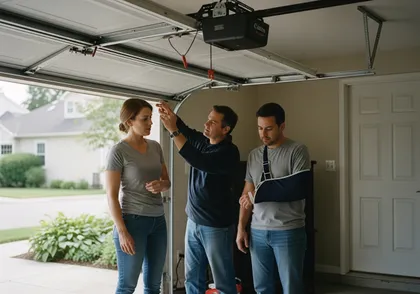
Homeowners aren’t automatically liable for a garage door mishap. Fault assessment in California premises liability cases depends on many factors. Here are some scenarios in which the homeowner may not be responsible for injuries to guests caused by a garage door.
The Injured Person Is A Trespasser
Homeowners usually aren’t responsible for the safety of trespassers. Still, there are situations in which the homeowner may be liable for their injuries. One notable example is when the trespasser is a child, such as a neighbor retrieving a ball that landed near a garage door.
Insufficient Knowledge
A homeowner unaware of the garage door’s hazardous condition may not be held accountable. This rule applies when the hazard occurs unexpectedly, and there is no reasonable time to identify or mitigate it. Suppose the accident occurs despite the homeowner conducting regular inspections. If they have no means of knowing about the risk in time to avoid an accident, they may not be automatically liable.
The Garage Door Has A Defect
The manufacturer or seller may be liable if a flaw in the garage door’s mechanism or design causes the accident. California’s product liability law holds these parties liable for producing or distributing defective items. Under this rule, you don’t have to prove the manufacturer’s negligence.
You only have to demonstrate the defect’s presence and the injury’s causal relationship. For example, consider the safety sensor. If it’s defective, it may prevent the door from stopping when it should. This malfunction could cause crushing injuries or entrapment.
The Garage Door Was Poorly Installed Or Repaired
A contractor or installer might have used the wrong parts or failed to comply with the manufacturer’s safety instructions during installation of the garage door. A repair company may have also failed to fix any persistent issues.
In cases like these, the homeowner might not be wholly responsible for your injuries. However, they can still be partially liable because they should have addressed any hazards caused by poor installation or repairs before a guest could be injured.
How To Prevent Garage Door Accidents
Standing far away from the door and keeping your hands off the mechanism can prevent garage door accidents. Homeowners have a duty to maintain their garage door in a reasonably safe condition. However, guests like you can also help prevent accidents. Here are a few simple safety measures you can keep in mind during your visits:
- Avoid Standing Near or Strolling Under a Garage Door When It’s Closing: Never rush to get out when the garage door is moving. Not only does this action pose a serious safety risk, but it also creates a risky example for kids.
- Do Not Touch Panel Joints: Keep your hands and fingers away from the panel joints between the door sections as you open or close the door. Doing so helps prevent pinching injuries.
- Do Not Touch the Lifting Cables: These cables experience significant stress when garage doors move up and down. They could cut or pinch you if you touch them during this time.
- Keep Away From the Garage Door Springs: Garage doors use various high-tension springs. These parts can cause severe damage if disturbed. Keep yourself and any other guests, especially children, away from these springs.
What Guests Can Do When Injured By A Garage Door On Someone Else’s Property
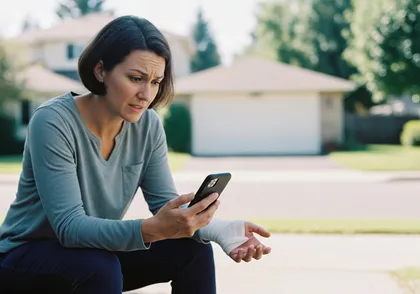
You may be eligible to seek compensation if a homeowner’s negligence contributed to your garage door injury. If you are unsure of what to do after being injured on someone else’s property in such an incident, consider these steps:
- Follow Your Doctor’s Advice: If you sought medical attention after being injured, be sure to comply with all the treatments your doctor prescribes. Additionally, attend every follow-up appointment. That way, you can thoroughly document the recovery process. This strategy can also help you prevent gaps in medical care, which insurers may use to question the severity of your injuries.
- Gather Any Available Evidence: The right proof helps support an injury case. For example, if the homeowner has a security camera in the garage, request a copy of its footage. It might have documented the accident and could help illustrate how it occurred.
- Keep Records of Your Losses: Collecting injury-related bills can help support your claim. Examples include bills from medical or chiropractic services. You can also journal your recovery. Writing down your experiences could help support claims for intangible losses, like the pain and suffering your injuries caused.
- Speak with a Lawyer: Since not all garage door accidents result in personal injury claims, you may be seeking free advice from a premises liability attorney who can tell you whether you have a valid case. An injury attorney can review your accident and explain whether you can pursue compensation. They can also outline your next steps and assist you throughout the claims process.
Frequently Asked Questions
Victims injured during home visits often share some common insurance and legal concerns. This section answers frequently asked questions about guest injuries from garage door accidents.
What Types Of Compensation Are Available For Garage Door Injuries?
You can seek different types of compensation for the physical and emotional losses you incurred in a garage door accident. These include:
- Economic Damages: Compensate for out-of-pocket costs and future expenses you may incur as a result of your injuries. Examples include:
- Medical bills
- Lost income
- Prescription medications
- Long-term care
- Loss of earning capacity
- Property damage
- Non-Economic Damages: Refer to intangible losses without explicit monetary values, such as:
- Pain and suffering
- Emotional distress
- Disfigurement
- Loss of companionship
- Loss of enjoyment of life
Is The Garage Door Manufacturer Responsible For A Defective Garage Door?
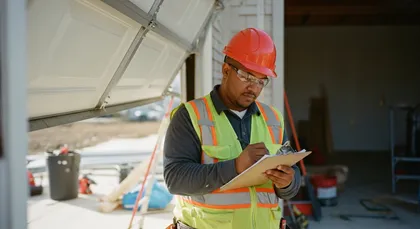
Yes. A faulty garage door can be dangerous from the moment it gets packaged for sale. If it eventually injures someone, the manufacturer can be liable under California’s product liability law. It states that whoever manufactures or sells a defective product is accountable for any damage it causes. Product liability cases often fall under one of the following categories:
- Manufacturing defects
- Design defects
- Inadequate warning defects
Does Homeowners Insurance Cover Guest Injuries?
Yes, but it depends on a specific policy’s scope, terms, and conditions. In California, homeowners’ insurance generally provides personal liability coverage when the homeowner or a resident of their household is responsible for an injury. Aside from paying for legal defense costs, this policy covers damages specified by the insurance provider. It can serve as the primary source of compensation for injured guests filing premises liability claims.
However, exclusions and limits may apply. For instance, in the case of deliberate misconduct, liability coverage may not protect the homeowner. Many homeowners’ insurance policies also come with Medical Payments to Others, but this coverage is limited and cannot apply to the policyholder’s household members. It’s important to review this policy and any exceptions to prevent issues later.
If The Guest Was A Relative, Can They Sue The Homeowner?
Yes, family members who are not part of the homeowner’s household could sue for injuries they sustained. However, they typically must file a premises liability claim with the owner’s insurer first. Lawsuits may become necessary only if settlement negotiations fail, such as due to disputes over liability, injury severity, or available coverage.
If I Got Injured In Someone’s Garage Door, How Long Do I Have To Sue?
In California, you generally have two years from the date of the accident to file a personal injury case. This rule, known as the statute of limitations, applies to lawsuits involving injuries caused by garage doors. If you miss this window, the court can cite Section 335.1 of the state’s Code of Civil Procedure and dismiss your case.
To illustrate, if a garage door hit you on the first day of 2026, you need to file a lawsuit before January 1, 2028. Some exceptions may extend or shorten this time limit, depending on the facts of the case:
- If the injured individual is a minor, the clock doesn’t start until they turn 18. Afterward, they have two years to submit a claim.
- The delayed discovery rule may also apply in cases where injuries don’t show up right away. For these lawsuits, the deadline can instead begin when the victim becomes aware of, or should reasonably have become aware of, their injuries.
Can I Still Get Compensation If I’m Partially At Fault For My Garage Door Injuries?
Yes. California follows a pure comparative negligence rule. It allows courts to assign fault to multiple parties, including injured victims. That means you can still pursue compensation for your garage door injuries, even if you’re up to 99% responsible for causing them. However, your percentage of fault will reduce your potential award.
For example, suppose you were walking into your friend’s garage while using your phone. You didn’t notice that the door was closing in on you until it hit you. If a court finds you 25% responsible for your injuries, it will deduct 25% from your total damages.
Get Legal Clarity For Your Garage Door Injury Case
Garage door accidents may not be as common as many other property-related accidents. However, they continue to occur in California and across the United States. Homeowners may fail to fix these doors or warn their guests about the hazards they pose. Such negligence may lead to accidents, and that could make them liable for your injuries.
If a garage door injures you and you’re considering filing a claim, you may be thinking, “I need a personal injury lawyer.” At Arash Law, our premises liability attorneys are ready to address your legal concerns. During a free initial consultation, we can explain your rights, assess potential liability in your case, and explore your available options. If you’re eligible to pursue compensation, we can also assist you through the claims process.
If you’re thinking about how much these services may cost, you might be wondering, “Do lawyers only get paid if they win?” For our team, the answer is yes. We work on a contingency basis, meaning we charge legal fees only if we obtain compensation for you. You can ask our lawyers about this arrangement during your consultation.
Call AK Law at (888) 488-1391 for a free case review.