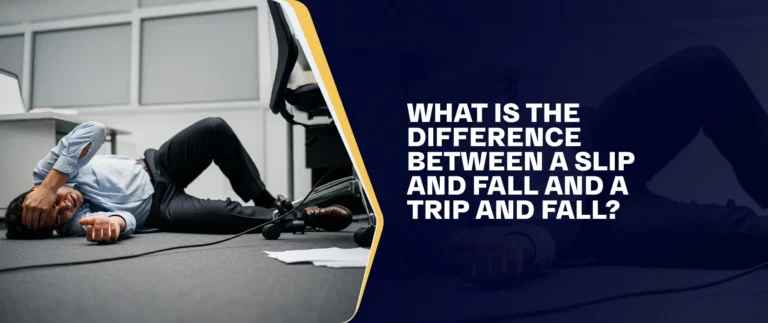
TL;DR: You may sue a store for a slip and fall when a failure to maintain safe premises causes injury. Customers face risks from unaddressed hazards, and liability depends on notice and reasonable inspections. Medical records and timing can strongly affect claim viability.
Highlights:
- Determine if a store’s negligence led to the accident.
- Check whether the store was aware of, or should have noticed, the hazard.
- Gather CCTV footage of the incident, showing the hazard and accident.
- Collect witness statements from anyone who saw the accident occur.
- Preserve any evidence, including the clothes and shoes you wore.
- Consult a lawyer to explore your legal options and potential compensation.
Tip: Gather and preserve all available evidence immediately after the accident.
Table of Contents
Yes, you can sue a store for a slip-and-fall if its negligence caused the incident. The laws governing duty of care and premises liability in California also apply to retail settings. Here are some legal aspects to consider:
- In California, anyone who owns, occupies, or controls property must keep it reasonably safe.
- A store owes customers a duty of care to prevent harm. Essentially, it has to maintain a safe environment for them to shop in.
- If a store knew of a dangerous condition and didn’t take reasonable steps to address it in a timely manner, it might be held responsible for any resulting injuries.
If you get injured in a slip and fall at a store, you may seek compensation for medical bills, lost wages, and other losses you incurred due to the incident. Generally, you can file an insurance claim against the liable party. Stores often have commercial general liability (CGL) insurance that can cover slip-and-fall accidents. However, suing may become an option if liability is disputed, coverage is insufficient to cover the damages, or attempts to resolve the matter through negotiation are unsuccessful.
When You May Sue A Store For A Slip And Fall
You may have the right to sue a store if you slip and fall while shopping there. Under California law, it may have been negligent if it did not exercise reasonable care to avoid causing you harm. Typically, you have a valid case if these conditions are present:
- Under California law, businesses must ensure that their customers or visitors are reasonably safe. The store thus has a legal responsibility to keep its premises free of dangerous conditions. Cleaning up spills promptly, regularly checking for hazards, and informing clients of any dangers are all part of this duty.
- The business owner or store manager failed to fulfill that duty. For instance, they might have ignored dangerous conditions or failed to post signs warning visitors of known hazards.
- The store’s negligence directly caused the slip-and-fall accident. For example, if a spill is left unattended without warning signs or timely cleanup, and someone gets injured as a result, the store may be liable.
- The slip and fall caused serious injuries and related losses. Injuries such as spinal cord damage or fractures often result in substantial medical costs, lost income, and ongoing pain and suffering.
How Can You Tell If The Store Failed To Keep The Premises Safe?
Under California law, property owners, occupants, or others in control of property have a legal duty to maintain reasonably safe conditions for foreseeable visitors. In premises liability claims, the concept of “notice” determines whether a store can be responsible for an incident. Slip-and-fall lawyers often consider it to establish fault in such cases. Here are some examples to explain each type of notice:
The Store Is Directly Aware Of The Hazard (Actual Notice)
Actual notice means the store knew about the dangerous condition that injured you. Still, liability depends on whether it took reasonable steps to fix the hazard or warn the visitors within a reasonable time. Actual notice applies in several scenarios:
- A customer reported a dangerous condition to a manager or to staff.
- A staff member noticed the hazard and documented it.
- There was a formal complaint about the safety issue, and the store received it.
- A store employee created the dangerous condition.
With knowledge of the hazard and a failure to address it at the time of the accident, the store may face slip-and-fall liability under certain circumstances.
The Store Should Have Been Aware Of The Safety Issue (Constructive Notice)
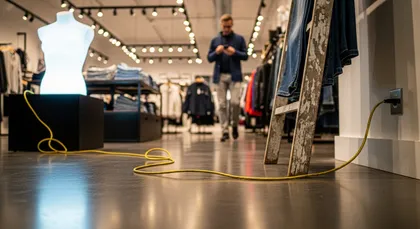
Constructive notice applies when a store should have known of a hazardous condition, even if it was not directly informed of it. This notice is determined by considering how long the hazard was present and whether a reasonable store owner would have noticed and corrected it. It may apply when certain visual indicators are present, such as:
- A spill that partially dried out or that stained the floor, indicating that it has been there for a long time.
- Loose flooring or carpeting showing signs of long-term wear that has not been repaired.
- A littered or obstructed pathway that employees regularly pass but fail to clean for an extended period.
- Recurring safety issues. Some examples include:
- A leaking air conditioning unit that repeatedly drips water in the same area.
- Areas with more foot traffic that become slippery over time.
- Walkways or aisles that are consistently cluttered with merchandise or equipment.
- A refrigerator or freezer that regularly leaks onto the floor.
Retail stores like Target, Safeway, Costco, Walmart, Whole Foods, and CVS often deal with slip-and-fall risks. These hazards usually arise due to high customer traffic, spills from food or beverages, wet floors, and cluttered aisles.
How Can You Support Your Store Slip-And-Fall Case?
You may be asking, “How successful are slip-and-fall lawsuits?” It usually depends on the details of the case and the availability of clear evidence. However, slip-and-fall cases are generally harder to win because they require sufficient proof that the store owner or management knew about the hazard.
To clearly demonstrate a store’s negligence and support your case, you can gather proof such as:
- CCTV Footage — Videos from the premises can be helpful, as they may have captured the accident site, including hazards like wet floors, uneven surfaces, or obstacles. They might also have documented how your slip-and-fall occurred.
- Eyewitness Information — Collect the names and contact details of anyone who saw the accident. Their statements can support your claim. For example, they could confirm whether the hazard was present for a certain period and that the store failed to address it. If you weren’t able to talk with other shoppers immediately after your accident, you may be able to get statements from store employees who were working at the time.
- Clothing and Footwear — Preserve the clothes and shoes you wore during the accident, especially if they show damage or stains. They may serve as evidence of the dangerous condition that injured you.
Proving fault in a slip-and-fall case can be challenging. Concerns such as “What if the store says it did not know about the hazard?” are valid.
Evidence such as maintenance records and inspection logs can further help establish the store’s negligence if they deny responsibility. Slip-and-fall attorneys often obtain this evidence through subpoenas or other formal discovery methods.
How Store Slip-and-Fall Injuries Can Lead To Legal Claims
Thinking, “I need a personal injury lawyer” after a slip-and-fall is valid. These accidents can result in serious injuries and significant losses. For this reason, filing an injury claim may be necessary for affected victims. Common injuries sustained in these accidents include:
- Back and Spinal Cord Injuries — Falls can lead to herniated discs, chronic back pain, or even paralysis in severe cases. These conditions often require long-term care or surgery.
- Sprains and Strains — Twisting or bending awkwardly during a fall can injure the ankles, knees, and wrists. Victims typically experience severe pain and limited mobility for weeks or months.
- Fractures — Attempting to break a fall can result in broken bones, commonly affecting the wrists, arms, and hips.
- Head Injuries — Concussions or more serious brain injuries can develop after a slip and fall. Symptoms such as headaches, dizziness, or confusion may not appear immediately, but these injuries often need prompt medical attention.
- Cuts and Lacerations — Sharp or abrasive surfaces can cut or scrape you, such as on the face, hands, and knees. Larger or deeper wounds may require stitches and an extended recovery period.
Learning what to do after a slip-and-fall accident can help you ensure your immediate safety. For instance, getting timely medical treatment can prevent your injuries from getting worse. Similarly, consulting a lawyer can help you understand your legal options.
So, Why Sue For A Slip And Fall?
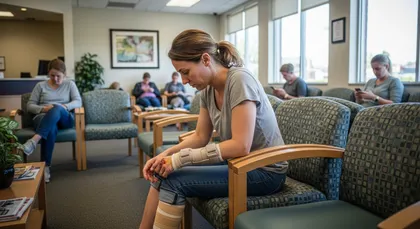
Filing a lawsuit is one way you can seek compensation for the losses you sustained in a slip and fall. In many cases, accident claims settle through insurance. Many businesses carry CGL coverage, but coverage varies by policy and exclusions. This type of policy can cover unintentional injuries caused by conditions on the premises or by ongoing operations.
However, certain circumstances may require pursuing a lawsuit, including the following:
- The victim’s losses exceed policy limits.
- There are liability disputes.
Whether through an insurance claim or a lawsuit, victims may pursue compensation for various kinds of losses arising from an accident. These may include:
- Medical Costs — These cover expenses related to treating slip-and-fall injuries. Often, they include urgent care and hospital stays. A claim can also consider the costs of other prescribed treatments, such as physical therapy, chiropractic care, or surgery.
- Lost Income — If victims need to take time off work due to their injuries, they can include lost wages in their claim. For accidents resulting in temporary or permanent disability, they can also pursue compensation for reduced earning capacity or loss of future income.
- Non-Economic Damages — Some losses from a slip-and-fall accident are intangible and do not have a direct monetary value. Victims may still be able to seek compensation for these types of losses, which can include:
- Pain and suffering
- Emotional distress
- Loss of quality of life
- Loss of consortium
Slip-and-fall lawyers often evaluate the damages sustained to determine the potential compensation their clients may pursue.
Who Can Be Sued In A Store Slip And Fall?
Generally, a store may be held liable for a slip-and-fall accident if its negligence caused an injury. Liability may extend to multiple parties involved in the operation and maintenance of the property:
- Store owner
- Manager
- Employees
Workers who either create a hazard or fail to eliminate one can share liability. For instance, an employee spills a drink, and neither cleans it up nor posts a warning sign. Managers or store owners may also face liability if they fail to supervise employees or enforce safety procedures.
In some situations, responsibility for specific conditions on the premises may lie with parties other than the store itself. These parties may include:
- Property Management Companies — Businesses that manage routine property maintenance. They may be liable if they overlook or mishandle hazards, such as those in parking lots and other common areas in the establishment.
- Maintenance or Janitorial Contractors — Contractors who clean or maintain the property. They can be responsible if they leave hazards unattended or fail to correct known dangers.
- Property Owners or Managers — Owners or managers of a store or commercial property. These parties could be at fault if they fail to maintain these areas or address safety hazards they knew about or should have known about.
- Third-Party Suppliers or Delivery Companies — Suppliers or delivery staff who visit stores. If they create unsafe conditions, such as leaving boxes in walkways or spilling liquids, they can be held responsible.
- Product Manufacturers — Companies that produce defective items. They may share the blame if their products contribute to an accident. For example, a poorly manufactured floor mat may cause someone to slip.
Lawyers who handle slip-and-fall cases can analyze evidence and documentation to determine whether other parties may be at fault.
How Long Do I Have To File A Lawsuit?
The statute of limitations sets the deadline for filing a lawsuit. In California, victims generally have two years from the date of the accident to file a case. However, there are exceptions in certain circumstances. For instance:
- If the Victim Is a Minor — The legal deadline won’t start until they turn 18. Until then, their parent or legal guardian can file the claim on their behalf.
- Delayed Discovery of Injuries — In some cases, victims may minimize the slip-and-fall incident, unaware that it caused injuries. If symptoms only appear later on, the time limit may be adjusted. It could instead start from the date the injury was, or should reasonably have been, discovered.
It may help to seek free accident lawyer advice if these legal deadlines confuse you. Discussing the details of your case with a slip-and-fall attorney can help you gain legal insights tailored to your situation.
Frequently Asked Questions (FAQs)

Below are some of the other concerns victims may have after such incidents. Nevertheless, if you have any specific questions about your accident, consider consulting a slip-and-fall lawyer.
Can I Still Sue If I Was Partly At Fault?
If you were partially to blame for a slip and fall accident, you can still seek compensation in California. The state uses a pure comparative negligence system, which allows multiple parties to share fault for an accident. If you, the injured victim, are among them, a court may reduce your available compensation by your percentage of responsibility. If it finds you to be 20% at fault, you may only recover up to 80% of your total damages.
Do I Have A Case If There Wasn’t A “Wet Floor” Sign?
Possibly, yes. A lack of warning signs can be evidence of breach of reasonable care, but it’s not always conclusive. Context matters in these situations, such as visibility, timing, staffing, and inspections. Store owners or employees have a legal duty to maintain a safe environment for anyone on their premises, including warning visitors of slippery surfaces or other dangers. However, these cases are frequently nuanced. Proving fault in a slip and fall often requires gathering additional evidence. Consider consulting a slip and fall attorney to know if your case is valid.
What Happens If You Fall While Working At A Store?
Employees who suffer injuries from work-related slip-and-fall accidents can also seek compensation. Usually, workers’ compensation covers these incidents. California requires employers to carry this policy.
However, if a third party not affiliated with the store is responsible for the incident, a different process applies. In these cases, victims may be able to pursue compensation through an insurance claim or a personal injury lawsuit, as in other slip-and-fall cases.
Know Your Legal Options After A Slip-and-Fall Accident At A Store
California’s premises liability law protects customers like you after accidents like slips and falls. The resulting injuries can be severe and affect your health, income, and daily life. To demonstrate that a store was responsible, you must show that it was negligent.
If you’re wondering how to file a lawsuit after such an accident, our slip-and-fall lawyers at Arash Law can help you with the process. We can gather key evidence, including surveillance footage, maintenance records, and other documentation. We can also investigate whether similar incidents have occurred at the store before, which can help support your case.
If your concern is, “Do lawyers only get paid if they win?”, the answer is yes at AK Law. Our team handles cases on a contingency fee basis. Under this arrangement, our attorneys only charge legal fees if we obtain compensation on your behalf. Call us at (888) 488-1391 to schedule a free initial consultation.