TL;DR: E-bikes do not cause more injuries than motorcycles because motorcycles travel at higher speeds and mix with highway traffic, leading to more severe crashes. But riders using high-speed or modified e-bikes still face brain injuries, fractures, and liability disputes that can leave them paying medical bills and lost wages.
Highlights:
-
- Get medical care and keep records of every visit, bill, and prescription.
- Photograph the bike, damage, roadway hazards, and injuries before repairs heal.
- Identify witnesses and quickly request traffic or business camera footage.
- Confirm your device’s class and top speed under California Vehicle Code 312.5.
- Report possible defects (brakes, throttle, battery) and keep the bike unmodified.
- Track missed work, mileage, and out-of-pocket costs to document losses.
- Watch deadlines: 2 years for personal injury, 3 years for property damage, 6 months for government claims.
Tip: Save the bike and any app/ride data; when speaking to insurers, stick to facts and avoid guessing.
Table of Contents
Motorcycles still carry a higher injury risk because riders travel faster and share roads with larger vehicles. Meanwhile, e-bike injuries are rising rapidly as their use becomes more widespread. Furthermore, crashes cause serious harm when riders use modified, high-speed, or illegally marketed devices.
Why The Answer Depends On How You Measure Injuries
E-bike and motorcycle accidents do not create the same injuries. Motorcycles travel at higher speeds, weigh more, and share lanes with highway-capable traffic. E-bikes move more like bicycles, but their motors add speed, acceleration, and force that many riders may not expect.
Comparing e-bike and motorcycle injuries based solely on total numbers may not provide a complete picture. Since motorcycles are generally more common and are often used differently from e-bikes, plain injury totals alone may not fully reflect the relative risks of each vehicle.
Comparison Of Motorcycle And E-Bike Injuries
Motorcycles and e-bikes do not create the same risk profile. Motorcycles travel faster, weigh more, and mix with highway-capable traffic. E-bikes usually move more like bicycles, but their motors can add speed, acceleration, and crash force.
A fair comparison should look at death risk, injury trends, and the type of crash involved:
| Question | Motorcycles | E-Bikes |
|---|---|---|
| Which is more deadly overall? | Motorcycles remain more deadly. NHTSA reported 6,335 motorcyclist deaths in traffic crashes in 2023. | E-bikes appear less deadly overall, but deaths and serious injuries are rising as use increases. CPSC reported 233 deaths tied to all micromobility devices from 2017 through 2022. |
| Are injuries increasing? | Motorcycle injuries remain high. NHTSA estimated 82,564 motorcyclists were injured in traffic crashes in 2023. | Yes. The CPSC reported 360,800 estimated emergency department visits tied to all micromobility devices from 2017 through 2022. Nearly half of all estimated e-bike injuries during that period occurred in 2022. |
| What kinds of injuries happen? | Motorcycle crashes often cause head injuries, fractures, spinal injuries, road rash, and internal trauma. | E-bike crashes often resemble bicycle crashes, but serious cases can look more like motorcycle injuries when cars, high speeds, or modified devices are involved. |
These numbers should not be treated as a perfect one-to-one comparison. Motorcycle data and micromobility data come from different reporting systems. They also measure different vehicles, crash settings, and rider behaviors.
What Injuries Happen In E-Bike Accidents?
E-bike injuries can be more serious than many people expect. A rider may hit the pavement, collide with a vehicle, get thrown from the bike, or suffer injuries from a defective part or battery problem. When people ask how safe e-bikes are, the answer often depends on speed, rider behavior, road conditions, helmet use, and whether the device meets legal e-bike limits.
Common injuries from e-bike accidents include:
- Traumatic Brain Injuries: A rider may suffer a concussion or more serious brain injury after hitting their head in a fall or crash.
- Broken Bones: Riders may break wrists, arms, ribs, hips, legs, or ankles when they brace for impact or when they are thrown from the bike.
- Spinal Cord Injuries: A high-impact crash or vehicle collision may injure the neck, back, or spinal cord.
- Knee Injuries And Torn Ligaments: Direct impact or twisting can damage the kneecap, tendons, or ligaments.
- Road Rash And Deep Cuts: A rider may suffer skin, tissue, or nerve damage after sliding across pavement.
- Internal Injuries: A collision with a vehicle or fixed object can cause internal bleeding or organ damage.
- Burn Injuries: Battery damage or malfunction can cause severe burns, though this is rare.
These injuries can lead to emergency treatment, surgery, physical therapy, chiropractic care, missed work, lost income, and pain and suffering. If another party caused the crash, the injured person may be able to file a claim for those losses.
Electric bike accident lawyers often focus on the severity of injuries and liability when it comes to these cases. They document damages and build a case that reflects a victim’s damages.
What Legal Claims Can Follow An E-Bike Crash?
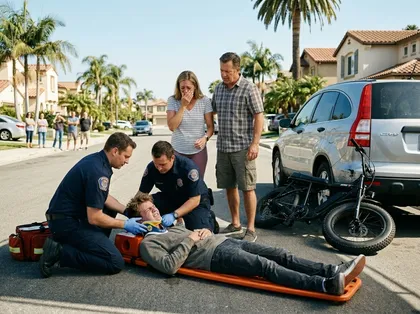
E-bike crashes may give rise to different legal claims depending on the cause of the incident. These cases often focus on negligence, defective products, or unsafe conditions.
E-bike injury claims allow victims to seek damages for medical bills, lost wages, property damage, and other losses. Depending on the circumstances of an e-bike accident, the following claims may be available:
- Negligence Claim: This type of claim can apply if another rider, driver, or e-bike user was careless. Examples of negligent behavior include speeding, failing to yield, distracted riding, or reckless driving.
- Product Liability Claim: Manufacturers, distributors, or sellers can be liable in certain cases. This claim may apply if a defective part or system contributed to the crash, such as:
- Faulty brakes
- Throttle malfunctions
- Battery fires
- Frame or fork failures
- Unsafe or misleading speed/class labeling
- Government Claim: Some public entities may face liability in certain cases. This claim may apply if unsafe road conditions, poor bike-lane design, or faulty traffic signals played a role in the e-bike accident.
Some e-bike accidents may involve minors. These may raise issues such as supervision, compliance with e-bike class limits, helmet use, and whether the device was appropriate for the rider’s age. Given the complexities of these cases, some victims seek free advice from an electric bike accident lawyer to understand their possible legal options.
FAQs About E-Bike And Injury Claims
Below are answers to some common questions about e-bikes and personal injury claims.
Are Legal E-Bikes Different From Overpowered E-Motos?
Yes. Legal e-bikes are different from overpowered e-motos, and the difference can matter after a crash. It can affect safety rules, insurance coverage, where the device may be ridden, and who may be liable.
The California Vehicle Code defines an electric bicycle as a bicycle with fully operable pedals and an electric motor that does not exceed 750 watts. California recognizes three main e-bike classes:
- Class 1: Pedal-assist only, up to 20 mph.
- Class 2: Throttle-assisted, up to 20 mph.
- Class 3: Pedal-assist only, up to 28 mph.
A device may fall outside the legal e-bike definition if it can be modified to exceed 20 mph on motor power alone, exceeds 750 watts, has been modified to exceed those limits, or has had its pedals removed. That classification issue can affect licensing, insurance, liability, and how the crash claim should be evaluated.
How Long Do You Have To File An E-Bike Injury Claim In California?

In most California personal injury cases, the filing deadline is two years from the date of injury. Claims for damage to personal property, such as a damaged e-bike, often have a three-year deadline.
Different rules may apply if the injured person is a minor. In many non-government personal injury cases, the deadline may pause until the child turns 18. Still, families should not wait. Evidence can disappear, witnesses can forget details, and insurance issues can become harder to prove.
Claims involving a public entity can move much faster. If unsafe roads, public vehicles, public property, or a government agency may be involved, California law often requires a government claim to be presented within six months before a lawsuit can be filed.
Can A Parent File A Claim For A Child Hurt In An E-Bike Crash?
Yes. A parent or legal guardian can usually bring a claim on behalf of an injured minor if another party caused the crash. The claim may seek compensation for medical care, rehabilitation, pain and suffering, and other losses allowed by law.
Families should also review their insurance coverage options. Depending on the facts, this may include health insurance, medical payments coverage, homeowner’s coverage, auto coverage, or coverage tied to a liable driver, business, property owner, or product manufacturer.
Can I Bring A Claim If I Was Partly At Fault?
Yes, depending on the facts. California has a pure comparative fault system, which means more than one person can share responsibility for a crash. Your percentage of fault can reduce your recovery, but it doesn’t bar you from filing a claim. Still, the claim should be evaluated based on evidence, not the assumption of fault.
How Do I Know If I Need A Lawyer After An E-Bike Accident?
If you searched “I need a personal injury lawyer” after an e-bike crash, you may be dealing with serious injuries or a complex case. You may need legal help if your case involves one of the following:
- Severe injuries
- Significant financial loss
- Disputed fault
- Child rider
- Modified bike
- Hit-and-run
- Public agency
- Insurance claim denial
An electric bike accident lawyer often focuses on preserving evidence, identifying insurance coverage, reviewing device classification, documenting medical losses, and explaining California deadlines.
How Much Do Lawyers Charge In California?
The cost of hiring a lawyer depends on the case. A more complex claim may require more time, investigation, and expert review. For example, an e-bike defect case may require an expert to inspect the brakes, battery, throttle, frame, or speed settings.
If you are asking, “Do lawyers only get paid if they win?” many personal injury lawyers work on a contingency fee basis. That means the attorney’s fee usually comes from the recovery if the case succeeds. The lawyer should explain the fee agreement and any case costs in writing before representation begins.
Get Legal Help After An E-Bike Accident In California
You may be dealing with costly medical bills, missed work, insurance issues, and disputes over who was at fault after an e-bike or motorcycle crash. The electric bike accident lawyers at AK Law can review what happened, explain your legal options, and help you understand the next steps. To discuss your case, call us at (888) 488-1391.