TL;DR: Renters insurance can cover personal injury to guests through Coverage F, which pays limited medical expenses, but it does not cover pain and suffering or property damage. Broader injury losses may fall under renters liability insurance if tenant negligence caused the harm, making fault, policy limits, and timing critical for injured visitors.
Highlights:
- Renters insurance may cover some guest injuries through Coverage F
- Coverage F typically pays limited medical bills, not pain and suffering
- Bigger injury claims usually run through renters’ liability coverage
- Liability coverage generally requires proving the tenant’s negligence
- Responsibility often depends on who controlled the area where you got hurt
- Some injuries aren’t covered, including roommates and many common-area incidents
- Most premises liability lawsuits in California must be filed within 2 years
Tip: Take photos and report the hazard to the landlord/tenant right away—early documentation helps show control, notice, and what caused the injury.
Table of Contents
Yes, renters insurance covers personal injury to visitors to a certain extent. Typically, this policy includes Coverage F. Though it can help pay for medical expenses, it cannot cover other losses, such as property damage or pain and suffering.
For personal injury, visitors can seek compensation from the renter’s liability insurance. It can cover losses not incurred by the policyholder, such as those sustained by guests. Under California law, it isn’t mandatory, but many landlords and property management companies do require tenants to get renters’ insurance with liability coverage.
If you get injured on someone else’s property, they could be held accountable under “premises liability” law. It requires property owners to provide a safe environment for guests. If they fail to do so, hazardous conditions could cause injury. State law may hold them legally responsible for covering an injured visitor’s losses.
However, liability can extend to anyone with “control” over the property. In some cases, these parties could be tenants. These are individuals or groups with a lease agreement.
Since renters insurance doesn’t always cover personal injury, you may be seeking free accident lawyer advice on what to do after getting hurt. A premises liability attorney in California can identify applicable coverage and explain your legal options.
When Does Renters Insurance Cover Personal Injury?
To answer this question, it can help to understand what renters’ insurance is. This policy can cover specific losses a tenant incurs on the property they’re renting, such as:
- Stolen personal belongings
- Damage to property caused by movers
- Weather-related damage
- Fire damage
In some cases, renters insurance could also cover personal injury for visitors up to a certain extent.
Generally, standard policies only include Coverage F, or “Medical Payments to Others.” According to the California Department of Insurance, it covers “reasonable medical expenses” for guests accidentally injured on a tenant’s property.
Coverage F can apply to some extent regardless of who caused the accident. It usually covers medical expenses, like ambulance rides. It cannot pay for property damage, pain and suffering, or the treatment of more severe injuries.
Renters Liability Insurance
Renters insurance, in itself, does not cover all the losses incurred by injured visitors. However, another kind of coverage does: renters’ liability insurance. A type of personal liability coverage, it applies to damages caused by a policyholder or members of their household. That includes children and pets.
Unlike renters insurance, it does not cover the tenant or policyholder’s own losses. Instead, renters’ liability insurance can pay for damages caused to other parties. It is also not a no-fault policy. That means injured visitors must prove the tenant’s negligence to pursue compensation from it.
What Renters Liability Insurance Covers
Renters’ liability insurance may apply to these situations:
- Visitor Injuries — Examples include injuries from dog bites and slip-and-fall accidents.
- Damage to Others’ Property — For instance, a tenant might drop a guest’s laptop, breaking its screen.
- Legal Defense — Renters’ liability insurance could also pay the tenant’s legal fees and settlements, depending on the policy limit.
What Renters Liability Insurance Does Not Cover
Renters’ liability insurance does not cover personal injury claims in these scenarios:
- Injuries to the Tenant or Family Members — Injuries sustained by the tenant (policyholder) or their immediate family members on the rental property.
- Injured Roommates — Standard renters insurance policies in California define roommates as co-tenants, not guests. Additionally, insurers don’t consider them immediate family, so two roommates cannot purchase a policy together. As such, a single renter’s liability policy cannot cover losses incurred by injured roommates.
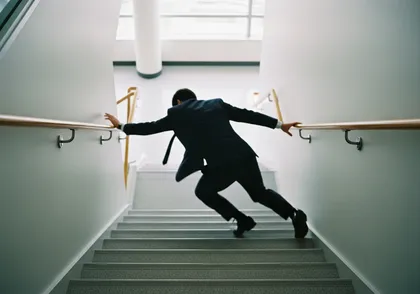
- Injuries Sustained in Common Areas — Tenants are not responsible for areas outside the property they are renting. Examples include shared hallways, stairs, or pools.
- Criminal or Intentional Acts — Injuries resulting from deliberate harm or illegal activity.
- Business Activities — Injuries from business operations on a rental property. Business liability insurance may apply in these cases.
- Exceeding Policy Limits —Renters’ liability insurance often has a limit. If your damages exceed the provided coverage, the tenant may be personally responsible for the remaining costs.
How Premises Liability Law Applies To Injuries On Rental Properties
California law requires all property owners to maintain safe conditions for anyone who visits, lives, or does business on their premises. However, this general duty of ordinary care applies a little differently to rental properties.
Essentially, whoever has “control” over the site can be liable for injuries that occurred there. That means:
- Tenants are responsible for injuries that take place in areas they control, such as the apartment they’re renting.
- Property owners, managers, or landlords can be held accountable for accidents in common areas, such as hallways or lobbies. When an injury occurs in a common area or due to a maintenance failure, California landlord liability lawyers can help determine whether the property owner or manager may be legally responsible.
- Under California’s comparative negligence rule, both tenants and property owners can share liability for a guest’s injury. For example, a renter did not warn their landlord about a leaky pipe, so it was not repaired. The landlord should have discovered and fixed it during routine inspections. Both parties then failed to warn a visitor of the hazard, causing that guest to slip, fall, and sustain injuries.
In cases involving shared fault, you may have to pursue compensation from multiple insurance policies. A premises liability lawyer can help clarify who you can file a claim against. They can also assist with negotiations involving multiple insurers.

Proving A Premises Liability Claim After An Accident On A Rental Property
Injuries on someone else’s property don’t automatically trigger a premises liability claim. The injury must result from the property owner’s negligence. To file a claim and pursue compensation, you must prove these elements were in place when you were injured:
- Duty of Care — The defendant was the property’s owner, lessee, occupant, or person in control. They thus owed you a duty of care to provide a safe environment.
- Breach of Duty — The defendant breached that duty by failing to fix or warn you about the hazard that injured you.
- Causation — This breach caused the accident.
- Damages — You suffered actual losses, such as medical bills.
Premises liability claims often depend on who controlled the property and whether the owner knew about the hazard. Firms such as Arash Law review accident details and property conditions to help determine whether a claim may exist under California law.
Steps To Take After A Personal Injury On A Rental Property
After an injury on a rental property, certain steps can help protect your health and preserve important information about the incident. Even if some time has passed, these steps may still be relevant depending on your situation.
- Get Medical Evaluation — If you did not receive medical attention at the time of the incident, seek care as soon as possible. Medical records help document the injury and connect it to what happened on the property.
- Document What You Can About the Scene — Photos or videos taken shortly after the accident can be helpful, but written notes also matter. Record what you remember about the conditions, what caused the fall or injury, and who was present. Statements from tenants, roommates, or other guests who witnessed the incident may also be relevant.
- Notify the Landlord — Reporting the injury to the landlord creates a record of the incident. This is especially important if the injury occurred in a common area or involved a maintenance issue the landlord was responsible for addressing.
- Review Insurance Coverage — Depending on the circumstances, insurance coverage may apply. Notifying your insurer can help clarify whether any benefits apply and what deadlines may affect a claim.
- Contact a Lawyer — If you incurred significant losses or don’t know who to file a claim against, bring your concerns to a premises liability lawyer. They can review your situation and outline your available next steps.
The Statute Of Limitations On Premises Liability In California
In California, you generally have to file a premises liability lawsuit within two years. This deadline is known as the statute of limitations. If you miss it, you’ll likely lose your right to pursue compensation.
However, there are exceptions. Suppose an accident on a rental property injured a minor. In this case, the statute of limitations won’t start until they turn 18. Before then, parents or legal guardians can file a claim on their behalf.
Take note that you must first prepare a claim, file it, and attempt to negotiate an insurance settlement before you can sue a tenant or landlord. Since this process can take time, consider seeking legal guidance early on. Gathering evidence while it’s fresh and starting the claims process as soon as possible can leave you more time to file a lawsuit, if necessary.
Frequently Asked Questions (FAQs) About Renters Insurance Coverage For Personal Injury
Renters’ insurance coverage for personal injuries can be confusing. To address any concerns you may have, here are answers to frequently asked questions about this matter.
Who Can I Sue After A Rental Property Injury In California?
It depends on the circumstances of your accident:
- Tenants — Can be sued for injuries that occur on the property they’re renting.
- Landlords — Can be sued for accidents that take place in common areas, such as hallways.
However, you need to file a claim against the at-fault party’s insurer first. If it accepts your claim, you may negotiate a fair settlement for your losses. During this process, disputes may arise regarding the severity of your injuries and whether you partially caused the accident.
If these disputes can’t be resolved during negotiations, you could initiate a lawsuit against the negligent tenant or landlord. To do so, you must file a complaint for personal injury alongside a Cause of Action form for premises liability.

What Damages May Be Available In California Premises Liability Cases?
The damages you can pursue in a premises liability case depend on the severity of your injuries and how the accident impacted your life. Types of compensation can include:
- Economic Damages — These damages are quantifiable. They include lost wages, lost earning capacity, and domestic services. They can also cover all the medical expenses you incur during your physical recovery, such as hospital visits, surgeries, prescription medications, and chiropractic care.
- Non-Economic Damages — These refer to intangible losses. Examples include pain and suffering, loss of enjoyment of life, and loss of consortium.
What Happens If The Owner Didn’t Know About The Property’s Dangerous Condition?
In this case, the owner may still be liable for your injuries and losses. To pursue compensation, you must show the defendant had either actual or constructive knowledge of any dangerous conditions. Constructive knowledge means that the hazard existed for so long that the defendant should have known about it. For example, a landlord should have spotted and fixed broken stairs after a regular inspection.
A court will generally determine if a property owner had constructive knowledge of a hazard in these situations:
- The owner or the owner’s agent failed to inspect the premises routinely.
- The owner, the owner’s agent, or an employee created the hazard.
- An employee was aware of the dangerous condition but failed to fix it.
How Can A Personal Injury Lawyer Help After A Rental Property Accident?
Generally, you can handle insurance claims on your own after a rental property accident. That’s especially true if establishing fault is straightforward and the at-fault party’s insurer is cooperative.
However, there are some scenarios in which you may wonder, “Do I need a personal injury lawyer?” The answer can be yes if you’re unfamiliar with the claims process. To help you decide, here’s a brief overview of what an attorney can help with:
- Clarifying which insurance policy you can pursue compensation from.
- Identifying fault, especially in cases where tenants and landlords might share liability.
- Handling all case-related communications, including settlement negotiations with insurers.
- Representing you in court, if necessary.
Do Lawyers Only Get Paid If They Win?
Often yes, but not always. Most personal injury lawyers work on a contingency fee basis, meaning they generally collect attorney fees only if the case resolves through a settlement or court judgment. If there is no recovery, attorney fees are usually not owed.
It’s important to note that fee arrangements can vary, and the exact terms depend on the agreement signed at the start of representation.
What If The Owner Claims I Was Trespassing?
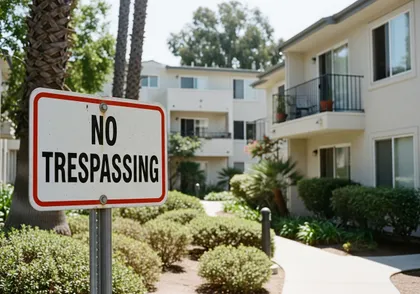
If the owner claims you were trespassing when you weren’t, you have to prove that you were lawfully on the property at the time of your accident. For example, you could demonstrate that the premises weren’t marked as being off-limits.
However, if you were trespassing, you can still pursue compensation. Under state law, property owners still have a duty of care to everyone on their property, regardless of visitor status. As such, they may still be liable for your injuries. For example, if the owner knew that anyone could encounter a hazard on their property, they still have to provide a warning by marking it.
Despite that, you may share responsibility for the accident because you were trespassing. In this case, the court would reduce any potential compensation by your percentage of fault.
Consult A Personal Injury Attorney For Just Representation
You can seek accountability from a tenant’s renters’ liability insurance if you can prove that they caused a dangerous condition or didn’t fix one. If these negligent actions resulted in your injuries, you could file a claim for medical expenses, lost wages, and pain and suffering.
However, landlords can also be responsible in certain cases. That said, it can be challenging to identify which insurance policy you can seek compensation from. A California premises liability attorney from AK Law can assist. They can explain the nuances of renters insurance and liability coverage. If you have a case, they can also help you seek compensation from the appropriate insurer.
Call (888) 488-1391 for a free, no-obligation initial consultation.