TL;DR: Injuries on public property require filing an administrative claim within 6 months of the injury date, not the standard 2 years. Missing this deadline generally bars compensation, though narrow exceptions exist. You must prove the government entity had notice of a dangerous condition or that an employee created it to establish liability and recover medical bills, lost wages, and pain and suffering.
Highlights:
- Prove the dangerous condition existed, the agency knew or should have known about it, and it directly caused your injury.
- File an administrative claim with the government agency within 6 months of your injury date, not the standard 2-year deadline.
- Include your name, mailing address, injury date and location, description of harm, and the employee’s name (if known) in your claim.
- State the exact dollar amount if damages are under $10,000; if they exceed that amount, only note whether your claim would be a limited civil case.
- File with the correct agency, such as a city clerk’s office, for a claim against a city department.
- Expect the agency to respond within 45 days; if they reject your claim in writing, you have 6 months to file a lawsuit.
- If you missed the 6-month deadline, file an Application to Present a Late Claim within one year from injury, though relief is rare.
Tip: Preserve evidence immediately by photographing the hazardous condition, gathering witness contact information, and obtaining medical records, because agencies will investigate and evidence deteriorates quickly.
Table of Contents
After sustaining injuries on public property, you generally have only six months to file an administrative claim for damages. This deadline is shorter than the standard two years allowed in most California personal injury cases. Your written claim will notify the relevant government agency that you sustained an injury and are seeking compensation.
You can typically file a claim against a government entity if you were injured on public entity, such as a sidewalk, public building, public park, mass transit system, or public school property. However, you must first prove that:
- A dangerous condition existed on the public property.
- The hazard created a foreseeable risk.
- The entity knew, or should have known, about the dangerous condition.
- The entity failed to fix or warn others about the hazard within a reasonable time.
These elements may help prove liability. However, the six-month filing window will still be a crucial part of your case. Knowing why California law handles these claims differently is the first step toward protecting your rights after an injury involving a government entity.
Why Government Injury Claims Have A Strict 6-Month Deadline
Government injury claims have a strict 6-month deadline because California law requires public agencies to review claims before a lawsuit can be filed. You must file an administrative claim with the responsible agency first. You cannot take the case directly to court like you would with a claim against a private person or company.
The Government Claims Act, also known as the California Tort Claims Act (CTCA), controls these rules. The deadline usually starts from the date of your injury, though some situations may involve a different start date.
This shorter deadline gives government agencies time to:
- Investigate what happened.
- Review evidence while it is still fresh.
- Plan for potential costs.
- Prepare a defense if a lawsuit follows.
The CTCA applies to many public entities, including:
- State agencies.
- Counties.
- Cities.
- School districts.
- Water districts.
- Other local public bodies and their employees.
Before filing a lawsuit, government claims require these steps:
- You must submit an administrative claim to the responsible agency.
- The agency must review, act on, or reject the claim.
Among all the deadlines in this process, the six-month window to file your administrative claim controls everything else. Filing on time is only the first step. Your claim must also include the required information. An incomplete claim may be rejected.
Required Details To Include In A Government Claim
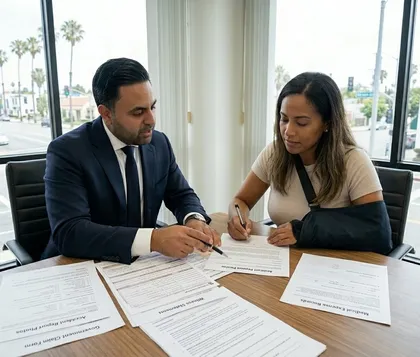
Your government claim must include specific information required under the California Government Code. The agency uses these details to understand what happened, who was involved, and what compensation you are requesting. Missing or unclear information can delay the process, so accuracy matters when preparing your claim.
Your government claim must include:
- Your Name and Mailing Address: Provide your full name and mailing address. You must also include the address where you want the agency to send notices if it is different.
- The Date, Location, and Circumstances of the Incident: Explain when and where the injury happened. Describe the events that caused your injury, damage, or loss.
- A General Description of Your Injury or Loss: Explain the injuries, damages, expenses, or losses you know about at the time you file the claim. This part can include medical treatment costs, chiropractic care expenses, lost income, and other financial losses related to your injury.
- The Name of the Public Employee Involved: Provide the name of any government employee who caused the injury or damage, if you know it.
- The Amount You Are Claiming: Follow the rules based on the value of your claim:
- If your claim totals less than $10,000, state the amount you are requesting. Include known future losses and explain how you calculated the amount.
- If your claim exceeds $10,000, do not list a dollar amount. Instead, state whether your claim qualifies as a limited civil case.
You must file the claim with the correct government agency. Filing the claim properly is the step that preserves your ability to move forward with a lawsuit if the agency denies your claim.
What Happens After You File A Government Claim?
Once you submit your government claim, the agency you filed against gets time to review your claim and decide how to respond. During that period, new deadlines begin to apply. Those time limits can affect your right to file a lawsuit.
Under the law, the agency generally has 45 days to respond to your claim. During that time, the agency may:
- Approve the claim and agree to pay it.
- Reject the claim in writing. An entity may do so due to several reasons, such as:
- Late filing.
- Insufficient evidence.
- Failure to establish a dangerous condition.
- Take no action and allow the response period to expire.
The agency’s response determines how much time you have to file a lawsuit.
- If the Agency Rejects Your Claim: They may send a written notice rejecting your claim. You then have six months from the date the notice was personally delivered or deposited in the mail to file a lawsuit.
- If the Agency Does Not Respond: Sometimes, a public entity will not respond within the 45-day notice. When that happens, the law generally treats the claim as rejected. If the agency remains silent, you will typically have up to two years from the date of injury to sue.
What Happens If You Miss The Six-Month Deadline?
Missing the six-month deadline does not automatically end your case. However, your options become much more limited. You may still ask for permission to file a late claim. In most situations, you must take that step within one year of the date your claim arose.
Courts only grant relief in specific situations. Here are some common examples:
- The victim missed the deadline due to a mistake, surprise, oversight, or excusable neglect.
- The injured person was under 18 during the filing period.
- The injured person turned 18 after the filing period began and applied within the required time limits.
- A physical or mental disability prevented the injured person from filing on time.
- A physical or mental disability affected part of the filing period, and the injured person applied within the required time limits after the disability ended.
- The victim died before the original filing deadline expired.
Courts review these requests carefully. The government entity may oppose the request, arguing that the delay would make it harder to investigate or defend against the claim.
Requesting permission to file a late claim is one of the most challenging parts of a government injury case. Courts deny many petitions that lack strong facts or legal support. The longer you wait, the fewer options you may have. Consulting premises liability attorneys as soon as possible may help you determine whether you can still file a late-claim petition.
Frequently Asked Questions About Government Liability Claims
Government liability claims follow different rules from most injury cases. The deadlines are shorter, and the process involves special claim requirements. Many people reach a point where they think, “I need a personal injury lawyer,” because missing a deadline can affect their right to recover compensation. Here are answers to some common questions they ask about these claims.
How Do I Prove A Dangerous Condition Caused My Injury?
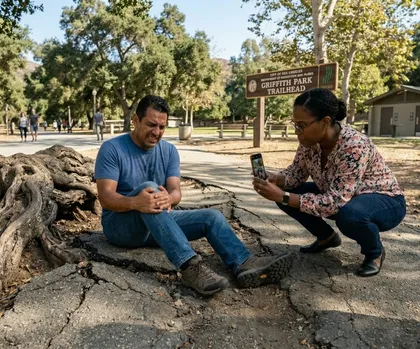
You must show that a dangerous condition on public property caused your injury and that the government knew, or should have known, about the hazard before the incident.
Helpful evidence may include:
- Photos or videos of the hazard.
- Medical records.
- Witness statements.
- Maintenance records.
- Prior complaints.
- Incident reports.
If you get hurt at a public park, your claim may depend on whether the government had notice of the hazard. Evidence showing how long the dangerous condition existed can help support your case.
Can I Sue A Public School For Negligence?
Yes. Public schools are government entities in California. Before filing a lawsuit, you must first file a government claim with the school district. The same rules generally apply to injuries that occur on school property, during school activities, or due to employee negligence.
What If I Didn’t Know The Property Was Government-Owned?
The 6-month filing deadline may still apply even if you did not know the property belonged to a government entity. Public parks, county facilities, and some sidewalks may not be easy to identify. Early investigation helps determine who owns the property before important deadlines pass.
Are Government Settlements Typically Lower?
Not necessarily. California law does not set a fixed damages cap in dangerous condition claims against public entities. Actual financial recovery depends on the facts and the defenses available in your case.
One limitation exists: punitive damages are not available against government entities. Courts award these damages to punish gross negligence, not to compensate you for your losses. The California Tort Claims Act bars them. That means you can typically only seek compensation for financial and personal losses, such as the pain and suffering caused by your injury, when you file a government entity claim.
Can I Sue The Federal Government For An Injury On Their Property In California?
Yes, but the process differs from that of a state claim. Federal property injuries, such as a fall at a post office, fall under the Federal Tort Claims Act (FTCA). You must file an administrative claim with the right federal agency using Standard Form 95.
Do Lawyers Only Get Paid If They Win?
Usually, yes. Many attorneys who handle cases against public entities work on a contingency fee basis. With this arrangement, you pay no legal fees unless your lawyer recovers compensation for you. There is nothing to pay up front. If the case does not result in a recovery, you owe no attorney’s fees. This structure allows you to pursue a claim regardless of your financial situation.
Get Legal Help Before The Government Claim Deadline Passes
You may be looking online for quick, free advice from a public property injury lawyer after an accident involving a public entity. Government injury claims are subject to strict deadlines. Missing a filing requirement can affect your right to recover compensation.
Arash Law helps injured victims handle claims against cities, counties, school districts, and other public entities. Our team prepares the necessary claim forms, gathers evidence, and protects your rights at every stage of the process.
Call AK Law at (888) 488-1391 today for a free case review. Once you start working with us, you’ll receive tailored guidance as you pursue compensation.