TL;DR: After a car accident in California, medical bills are usually paid first through the injured person’s health insurance, MedPay, or personal funds, not by the at-fault driver’s insurer. Delays in fault determinations can lead to unpaid bills and financial strain. Liability is resolved later, with reimbursement tied to evidence and settlement. Drivers and passengers are most affected.
Highlights:
- Check your auto policy for MedPay limits and start a MedPay claim.
- Keep a folder of records: bills, EOBs, prescriptions, mileage, and receipts.
- Tell providers the claim is pending and request payment-plan options.
- Ask if a medical lien is available before paying large balances.
- Track payments for possible insurer subrogation after any settlement or judgment.
- Check UM/UIM, employer liability, and workers’ comp if the crash was work-related.
- Calendar lawsuit deadlines: 2 years injury, 3 years property, 6 months government claim.
Tip: Take photos of the scene, vehicles, and injuries, and stick to facts in all statements.
Table of Contents
After a car accident in California, medical bills are typically not paid immediately by the at-fault driver or their insurance company. Instead, injured people often rely on their own health insurance, MedPay, or personal funds to cover treatment right away. Reimbursement from the at-fault party’s insurance may occur later, after the fault is reviewed and the claim is resolved through a settlement or court outcome.
California follows an at-fault insurance system. That means the driver who caused the crash may ultimately be responsible for medical expenses. However, insurance companies generally do not pay hospitals or doctors upfront, which is why short-term payment options are important.
Why Medical Bills Are Often Paid Before Fault Is Decided
In many car accident cases, fault is not immediately determined. Insurance companies usually review police reports, medical records, and statements before accepting responsibility.
During this time, medical providers still expect payment. As a result, injured individuals often utilize health insurance, MedPay, or other temporary payment methods while their claim is pending.
The process can take even longer if the other party contests the extent of their liability. California follows a pure comparative fault system, which means compensation can be reduced based on your share of responsibility.
For example, if a court finds you 20% at fault, your recoverable damages are typically reduced by 20%. If total damages equal $100,000, you may recover $80,000 instead.
Who May Be Legally Responsible For Medical Bills After A Car Accident
Under California law, the party legally responsible for accident-related medical bills depends on how the crash occurred and who was at fault. Responsibility is not always determined immediately and is often resolved later through insurance review, settlement, or court findings.
The parties that may be legally responsible include:
- The At-Fault Driver — California follows an at-fault system of liability. If another driver caused the crash, their liability insurance may be responsible for medical expenses tied to your injuries, subject to policy limits.
- The At-Fault Driver’s Employer — If the driver was acting within the course and scope of employment at the time of the crash, the employer may be legally responsible under vicarious liability rules.
- Multiple Parties — In some cases, more than one party may share fault. California’s pure comparative negligence system allows responsibility to be divided based on each party’s percentage of fault.
Legal responsibility determines who may ultimately reimburse medical costs, not who pays bills right away.
How Medical Bills Are Commonly Paid While A Claim Is Pending
Since liability is often disputed or unresolved early in a claim, medical bills are usually paid through other lawful means before reimbursement occurs.
Common payment sources include:
- Private Health Insurance — Coverage you receive through an employer, Covered California, or a private insurer.
- Auto Insurance Policy — Medical payments coverage may cover medical expenses up to the policy’s limits, regardless of fault.
- Medical Liens — Secure payment for medical expenses from eventual settlement offers. Some medical providers may agree to treat you under a medical lien, which allows payment to be deferred until the claim resolves.
- California Workers’ Compensation — If the accident occurred in the course and scope of employment, workers’ compensation may cover medical treatment and certain wage benefits.
- Government Aid Programs — The government may cover accident-related medical bills. Eligible individuals may receive coverage through programs such as Medicare or Medi-Cal.
How Insurance Companies Handle Medical Payments

Insurance companies usually do not pay hospitals or doctors directly after a car accident. Instead, medical care is often paid through health insurance or MedPay while the claim is under review.
Once liability is determined and the claim is resolved, the at-fault driver’s insurance may reimburse accident-related medical expenses through a settlement or court decision. This payment is typically made to the injured person, not directly to medical providers.
If your health insurer or auto insurer paid medical bills upfront, they may later seek reimbursement through subrogation if you recover compensation from the responsible party.
What Is Subrogation In A California Car Accident Claim?
Subrogation is the process that allows an insurance company to seek reimbursement after it pays your medical bills and you later recover compensation from the party responsible for the accident.
Here’s how it typically works:
- Your health insurance or auto insurer pays your medical expenses upfront, allowing you to receive treatment.
- You later recover compensation through a settlement or court decision with the at-fault party.
- The insurer that paid your medical bills may request reimbursement for the amounts it covered.
Subrogation usually applies only if you recover compensation. If there is no settlement or judgment, insurers generally cannot seek repayment.
In some cases, the amount an insurer can recover may depend on policy terms, state law, or the total compensation available. Subrogation does not prevent you from seeking medical care or using your insurance after a crash.
How Can You Protect Yourself Financially While Waiting For A Settlement?
While waiting for a settlement can take time, medical bills and related expenses may continue to add up. Taking a few practical steps may help you manage costs during this period:
- Document Everything — Keep detailed records of all medical bills, treatments, and related expenses. These records can support your accident claim and clarify reimbursement later.
- Talk to Healthcare Providers — Inform your healthcare providers about your pending legal claim. Some may be willing to discuss payment arrangements or temporary billing options.
- Consider Legal Funding Carefully — In some cases, pre-settlement funding may help cover short-term expenses. Since these arrangements often involve fees or repayment terms, it’s essential to review them carefully, preferably with the assistance of legal professionals.
What Are The Legal Deadlines For Lawsuits Involving Car Accidents?
California sets a deadline for filing a personal injury lawsuit involving a car accident. Missing this timeframe will likely bar you from seeking compensation. Here are some crucial deadlines:
- Personal Injury — You generally have two years from the date of the accident to file a lawsuit.
- Property Damage — The statute of limitations is typically three years.
- Government Claims — You have only six months to file an administrative claim.
In limited situations, these deadlines may be extended. For example, when the injured person is a minor, the time limit usually pauses until they turn 18. A parent or guardian may also file a claim on the minor’s behalf before that time.
Frequently Asked Questions (FAQs)
After an accident, you may have several questions about your legal rights. You may be asking, “Do I need a personal injury lawyer?” An attorney can help pursue fair compensation and guide you through the process.
Below are common questions about the claims process:
Who Is Responsible For Paying My Medical Bills?

In California, the at-fault driver is generally responsible for paying accident-related medical bills. However, those bills are usually not paid immediately. Injured people often use health insurance or MedPay to cover treatment first, and the at-fault driver’s insurance may reimburse those costs later through a settlement or court outcome.
What If My Medical Bills Are More Than My Settlement In California?
If your medical bills are higher than your settlement in California, you are generally responsible for the remaining balance. A settlement does not automatically eliminate unpaid medical expenses. Depending on the circumstances and any agreements in place, you can negotiate with medical providers, set up payment plans, or address part of the balance through medical liens.
In some cases, settlement amounts are limited by the at-fault driver’s insurance coverage. California Insurance Code §11580.1b requires drivers to carry minimum liability insurance, which currently includes:
- $30,000 for injury or death to one person.
- $60,000 for injury or death to more than one person.
- $15,000 for property damage.
When injuries are serious, these minimum limits may not fully cover medical expenses, leaving the injured person responsible for costs that exceed the available insurance coverage.
What If The At-Fault Driver Doesn’t Have Enough Insurance?
You may still have options even if the other driver has no insurance or not enough coverage. Depending on your coverage and the facts of the crash, compensation may come from different sources:
- Uninsured/Underinsured Motorist (UM/UIM) Coverage — If you carry UM or UIM coverage, your own auto insurance may help cover medical bills, lost wages, and other damages when the at-fault driver’s insurance is insufficient.
- Personal Assets of the At-Fault Driver — In some cases, you may pursue compensation directly from the at-fault driver, although recovery depends on their financial situation.
- Other Potentially Responsible Parties — If another party contributed to the crash, such as an employer or vehicle owner, their insurance may also apply.
Do I Have To Reimburse My Health Insurer If I Win My Case?
Yes, you may have to reimburse your health insurer if you recover compensation in a California car accident case. This process is known as subrogation.
If your health insurance paid for medical treatment related to the accident and you later receive a settlement or court award, the insurer may seek repayment for the amounts it covered. Whether reimbursement is required depends on the terms of your insurance policy, the type of insurer, and California law. Subrogation typically applies only if you recover compensation from the at-fault party.
What Happens If I Don’t Have Insurance After A Car Accident?
Even without health insurance, you can still receive medical care, but you may be personally responsible for the costs. Some medical providers may agree to treat you under a medical lien, which allows payment to be delayed until a claim resolves. California’s Proposition 213 may limit non-economic damages if you don’t have car insurance.
What If I Were Injured As A Passenger In A Car Accident?
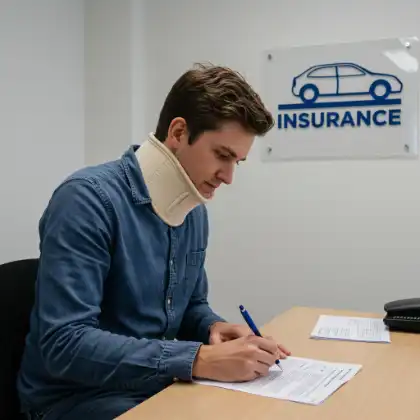
If you sustain injuries as a passenger, you generally have the right to seek compensation for your injuries. Passengers are rarely considered at fault and may pursue claims against one or more responsible parties.
Medical expenses and other losses may be covered through:
- The at-fault driver’s liability insurance.
- The driver of the vehicle you were riding in and their MedPay coverage.
- Your own UM/UIM coverage, if available.
- Your health insurance.
Explore Your Legal Options For Medical Bills After A Car Accident
Identifying who pays medical bills after an accident can be challenging. If you sustain injuries in an auto collision, you can consult the car accident lawyers at AK Law Firm. We can help you understand how the claims process works and what options may be available.
We understand that following an accident, medical expenses can quickly accumulate. Expenses for physical therapy, chiropractic care, and hospital bills can be overwhelming. As such, you may be looking for free accident lawyer advice or even wondering, “Do lawyers only get paid if they win?”
At Arash Law, we offer a free initial consultation to address your questions. Our attorneys also work on a contingency fee basis. That means clients don’t pay legal fees unless they receive compensation.
Call us at (888) 488-1391 to request a free case review.