TL;DR: To find a lawyer for child dog bite injuries, parents should choose a California attorney with experience handling dog-bite liability claims and Minor’s Compromise approval. Dog bites can leave facial scars or PTSD. Proof rests on photos, ER records, plus homeowners or renters insurance policies. Settling before injuries heal can leave too little money for later surgery, scar revision, or therapy.
Highlights:
- Get medical care fast, then schedule follow-ups for infection and scarring.
- Report the bite to animal control or police within 72 hours.
- Photograph injuries over several days and keep damaged clothing unwashed.
- Collect the owner’s contact details and homeowners or renters insurance info.
- Hold off on any recorded statement with insurers until counsel reviews it.
- Ask about Minor’s Compromise and timing – recovery can change up to 18 months.
- If a city or shelter dog was involved, file a claim within six months.
Tip: Keep a simple folder with photos, medical bills, and the animal-control report, and stick to facts when describing what happened.
Table of Contents
Wondering how to find a lawyer for child dog bite injuries? You should focus on finding an attorney with specific experience in California animal attacks and Minor’s Compromise proceedings. This specialized legal background is vital because it ensures your child’s claim is handled correctly under California’s complex protections for injured minors.
A dog bite is a devastating event that leaves many children struggling with profound physical trauma, often involving serious facial or head injuries. Beyond the immediate physical wounds, these attacks frequently cause intense emotional distress and lasting anxiety that can deeply affect your child’s well-being and daily life for years to come.
Your child deserves an advocate who understands how to secure the resources they need for both their recovery and their long-term care. Finding the right legal partner begins by examining how they approach the unique challenges of a child’s injury case.
How To Find The Right Personal Injury Lawyer For A Child’s Dog Bite
If you need a personal injury lawyer for your child’s dog bite, the decision is more complex than it might first appear. Parents evaluating potential counsel must prioritize attorneys with demonstrated experience in California dog bite law, child injury claims, and the court-approved settlements required for minors.
General personal injury experience is rarely enough to navigate these claims effectively. An attorney who lacks specific focus in this area may overlook critical details, such as the dangerous animal’s prior bite history, complex homeowner’s insurance tactics, and the precise medical documentation necessary to prove the full extent of a child’s injury.
These cases also require a deep understanding of the long-term medical and psychological consequences for a young victim. An attorney must be able to accurately evaluate the costs of scarring and reconstructive surgery to pursue the full compensation you may be entitled to under California law.
Your attorney must understand California’s strict liability (which holds dog owners responsible regardless of the dog’s past behavior) under Civil Code Section 3342. They must also have experience with court-approved settlements for minors to ensure the process remains in your child’s best interest.
Local experience and clear communication are also vital. Look for a lawyer who understands how local agencies release records and who communicates patiently with worried parents. The best way to verify these qualities is by asking targeted questions during a free consultation.
What Questions Should You Ask Before Hiring A Dog Bite Attorney?
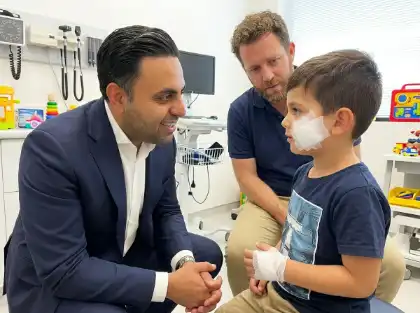 If you are interviewing a dog bite injury lawyer, what questions should you ask to ensure they have the right experience? You must verify that your attorney knows how to navigate the specific medical and legal complexities that arise when a child suffers a permanent injury.
Ask each attorney you consult the following before making a decision:
- Child and Facial Injuries: Have you specifically handled dog bite cases involving children and facial injuries?
- California Dog Bite Law and Landlord Liability: Are you familiar with California’s strict liability dog bite law (Civil Code Section 3342) and how landlord liability applies when the attack occurred on rental property?
- Minor’s Compromise Experience: Have you handled court-approved settlement proceedings for injured children, and how do you prepare for the judicial review?
- Settlement Timing: Do you wait for a child’s scarring to mature before pushing for a settlement?
- Expert Network: Do you work with plastic surgeons and child psychologists to establish future costs?
The last two questions reveal whether a lawyer understands the long-term nature of these cases. Scarring in children continues to change for up to 18 months, and settling before that process completes can lock your child into a recovery amount that is very difficult to reopen. Your choice of attorney must be based on their fluency in the specific California rules that govern how dog bite claims by children are filed, timed, and resolved.
How Does California Law Handle Child Dog Bite Cases?
California law enforces strict protections for child dog bite victims by holding owners responsible regardless of the dog’s history. These rules, including court oversight of settlements and paused legal deadlines, ensure that a child’s future is prioritized over immediate convenience. This framework secures your child’s right to seek compensation later.
Under California Civil Code §3342, dog owners are strictly liable for bite injuries that happen in public or on private property where the victim is lawfully present. This means the owner is responsible for damages regardless of whether the dog had ever bitten anyone before, effectively removing the one-bite rule that still persists in other states.
Children under five years old receive additional legal protection because California law treats them as legally incapable of negligence. Consequently, a dog owner cannot claim that a toddler’s natural curiosity or approach toward the animal constitutes provocation or fault for the attack.
When a settlement for a child exceeds $5,000, California requires a court approval process known as a Minor’s Compromise. A judge reviews the settlement to confirm it is fair and then orders the funds placed in a blocked account that the child can only access after turning 18, protecting these assets for their future needs.
The standard deadline to file a personal injury lawsuit in California is 2 years under California Code of Civil Procedure (CCP) §335.1, but for minors, this deadline is tolled until the child turns 18. If the dog involved was controlled by a government entity, such as a city shelter animal, a separate administrative claim must be filed within six months of the bite under California Government Code §911.2; missing that deadline bars the lawsuit entirely.
These legal structures ensure that short-term procedural hurdles do not overshadow the long-term impact of a child’s injury. Protecting these rights allows your child to focus on recovery while their potential for future compensation remains secure.
What Compensation Is Available For Injured Children?
Physical injuries from a dog bite are often immediately visible, but the psychological wounds a child sustains can be just as damaging and longer-lasting. Compensation in California is designed to address both the urgent medical needs and the long-term emotional recovery your child requires to heal from the full impact of the attack.
Economic damages cover the out-of-pocket costs tied directly to the injury, such as emergency room treatment, antibiotics, and immediate follow-up care. This compensation also accounts for necessary future costs, including reconstructive plastic surgery or scar revision procedures as the child grows and facial structures change over time.
Non-economic damages address the intangible suffering your child endures, providing compensation for physical pain, mental anguish, and permanent facial or body scarring. California law does not place a limit on these non-economic damages, ensuring that the full extent of a child’s suffering can be addressed in a claim.
Psychological injuries are treated as serious, compensable conditions under California law. A child may develop Post-Traumatic Stress Disorder (PTSD), characterized by nightmares and severe anxiety following the attack. They may also suffer from Cynophobia, which is a clinical fear of dogs that can prevent a child from feeling safe in public spaces or during ordinary outdoor activities.
Compensation for these injuries is typically paid through the dog owner’s homeowners or renters insurance policy rather than through a direct lawsuit against the owner personally. The specific amount your child may be entitled to recover depends on the severity of the bite, the extent of the scarring, and the long-term impact on the child’s development and quality of life.
Understanding these categories of recovery gives you a clear picture of what is at stake and helps you prepare to build a comprehensive claim that protects your child’s future.
What Steps Should Parents Take After A Dog Bite?
The first hours and days after a dog bite are when the decisions you make matter most. Seeking medical care right away and reporting the bite within 72 hours protects your child’s health and preserves the evidence your legal claim depends on. Here are the five steps to take now.
- Seek Immediate Medical Attention: Even a small puncture wound can develop into a serious bacterial infection if left untreated. Follow up with your child’s primary care physician, and ask whether a specialist or chiropractor is needed to address any musculoskeletal injuries from the attack.
- Report the Bite Within 72 Hours: Report the bite to local animal control or law enforcement within 72 hours, as required by many California local ordinances when the bite requires medical treatment. Filing this report can trigger a mandatory 10-day quarantine of the biting dog and create an official record of the attack.
- Get the Owner’s Contact and Insurance Information: Collect the dog owner’s name, phone number, address, and homeowner’s insurance policy details before any contact becomes difficult.
- Photograph Injuries and Preserve Damaged Clothing: Take photos of your child’s wounds as soon as possible, since bruising and scarring can worsen over the first several days, and set aside any torn or bloodied clothing without washing it.
- Decline Any Recorded Statement to the Insurer: Do not give a recorded statement to the dog owner’s insurance company. Insurance adjusters are trained to use early statements to reduce the compensation your child receives.
By taking these proactive steps to secure evidence and medical records, you have built the necessary foundation to protect your child’s legal interests.
Frequently Asked Questions
When your child is hurt by a dog, questions about what comes next often feel as heavy as the injury itself. You may worry about the dog owner being a friend or family member, wonder if a small wound requires a claim, or feel unsure who actually covers the costs. The following answers address these specific anxieties to help you understand your rights.
Who Is Responsible For A Dog Bite In California?
Under California Civil Code § 3342, the dog owner is responsible for injuries caused by a bite. Liability rests directly with the owner for damages resulting from the attack.
The Dog Belongs To A Friend Or Family Member. Does Pursuing A Claim Mean Suing Them Personally?
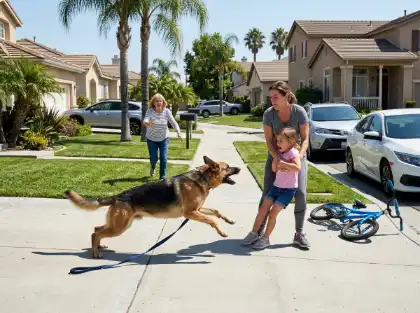 In most cases, no. Homeowner’s or renter’s insurance typically covers dog bite claims, so pursuing compensation usually means filing a claim against the owner’s insurance policy, not taking personal legal action against someone you care about. The insurance carrier handles the process, and most relationships remain intact.
Does It Matter If The Dog Has Never Bitten Anyone Before?
No. California’s strict liability rule under Civil Code Section 3342 makes the owner responsible from the very first bite, regardless of the dog’s prior history.
Is It Worth Pursuing A Claim For A Minor Dog Bite?
Even a bite that looks minor at first deserves medical evaluation. Dog bites carry a real risk of infection from bacteria in the dog’s mouth, and children are especially vulnerable to complications, including scarring and nerve damage. What appears to be a small wound can have lasting consequences, which is why having a medical and legal record matters even for seemingly minor injuries.
What Does A Level 4 Dog Bite Look Like?
The Dunbar Dog Bite Scale is a system developed by veterinarian Dr. Ian Dunbar to classify the severity of bite injuries. A Level 4 bite is a serious injury: it typically involves one to four puncture wounds, with at least one wound deeper than half the length of the dog’s canine teeth, along with deep bruising or lacerations. Medical professionals, animal control agencies, and insurers commonly use this scale when assessing a bite.
Do Lawyers Only Get Paid If They Win A Dog Bite Case?
Yes. Most dog bite attorneys in California work on a contingency fee basis, meaning there are no upfront attorney fees. The lawyer’s fee is a percentage of whatever is recovered through settlement or verdict. If there is no recovery, you owe no attorney’s fee. Ask any attorney you consult whether case costs like filing fees and expert expenses are deducted before or after the contingency percentage is applied, since the order affects your net recovery.
Talk To A California Dog Bite Lawyer Today
Having reached the end of this information, you likely understand the legal hurdles involved in your case and are now weighing how to proceed with protecting your child’s future.
Arash Law has extensive experience representing dog bite victims across California, including children with complex scarring and long-term injury claims. Contact us for a free consultation. There are no attorney fees unless we recover compensation for you.
Photographs and medical records gathered early are the foundation of a strong claim. Taking these steps promptly supports the integrity of your child’s case documentation.
To schedule a free consultation, call (888) 488-1391 and take the first step toward protecting your child’s rights.