TL;DR: A lawyer can use earlier texts and photos to check whether your landlord knew about a hazard before you were hurt. The records may show the condition, the time between warnings and injury, and how the landlord responded. The lawyer must still verify the messages and investigate who controlled the hazard and what caused your injury.
A California lawyer can use the photos and texts you sent before an injury to check what your landlord knew about a hazard. The messages may show what the property looked like, when you reported the problem, and whether the landlord replied. They can also help establish how much time passed before the injury.
A lawyer can compare your texts with repair records, witness accounts, and photos from the accident scene. This review can support an injury claim, but a sent message does not automatically prove the landlord received it. Your lawyer must also investigate the landlord’s duties and whether the reported hazard caused your injury.
Key Facts About Text Message Evidence in California Premises Liability Claims
- Written complaints and photographs can document unsafe conditions before an injury occurs. California’s Attorney General recommends keeping repair requests, messages, and photos of unsafe conditions.
- Outgoing messages alone do not always establish your landlord’s knowledge. CACI No. 1006 addresses a landlord’s knowledge of unsafe conditions and legal responsibilities, including the importance of property control.
- Landlord control affects which unsafe conditions require reasonable preventive steps. CACI No. 1006 treats landlord-controlled spaces differently from tenant-controlled areas.
- California courts require authentication of writings offered to prove facts. Evidence Code sections 1400 and 1401 govern proof that a writing is genuine.
- Photos can support an injury claim without proving actual causation. CACI Nos. 1000 and 1003 require evidence of negligence, harm, and the link between them.
- Most California injury lawsuits have a general two-year filing period. Code of Civil Procedure section 335.1 states the usual limit, subject to exceptions.
Table of Contents

I Sent My Landlord Photos and Messages About a Problem Before it Injured Me. What Should I Preserve, and How Could a Lawyer Evaluate Those Messages?
Keep the original message conversation, if available. Do not edit or delete the messages or photographs. The surrounding messages may explain details that a single screenshot cannot show. Screenshots can help preserve messages, but they may leave out dates or parts of the conversation.
- Complete Text Conversation: Save your first complaint, follow-up messages, and all replies from your landlord or property manager.
- Original Photographs: Keep the camera files and the versions you sent through text. Messaging apps may change image quality or remove file details.
- Dates and Contact Information: Preserve message timestamps, photograph dates, phone numbers, and contact names. These details can help establish who sent and received each message.
- Landlord Responses: Keep replies that acknowledge the hazard, include repair promises, outline inspection arrangements, and provide updates on the reported problem.
- Other Repair Records: Preserve maintenance requests, emails, inspection notices, work orders, and records of completed repairs.
- Injury Evidence: Keep accident photographs, witness information, incident reports, and medical records. These documents may help connect the earlier warning to your injury.
Preserve the complete conversation in its original form when possible, including messages before and after the complaint, attachments, replies, and available delivery information. Keep original photographs separately from copies sent through messaging apps. Do not edit the images, alter their metadata, or delete messages that appear unfavorable.
A lawyer can compare these records with other evidence to evaluate authenticity, completeness, and legal significance.
How Does a Lawyer Build a Notice Chronology?
A lawyer can organize each warning, photograph, landlord reply, and later injury into a timeline called a notice chronology. This timeline helps compare what was reported, who received the information, how the recipient responded, and whether the reported condition was connected to the injury.
For example, a tenant may have photographed a loose stair railing, texted the landlord about it, received a response promising an inspection, and later suffered an injury involving the same railing. The timeline would show each event separately without assuming that the messages prove the landlord knew about the hazard or was responsible for the injury.
This example shows how a lawyer may organize messages, photographs, and landlord responses to understand what happened before an injury.
| When | What Happened | Who Was Contacted and How They Responded | Why It Matters |
|---|---|---|---|
| First warning | Tenant sent photos and a text about a broken stair. | Landlord received the message and replied. | May help show what the landlord knew. |
| Follow-up | Tenant reported that the stair was still broken. | Landlord promised to arrange a repair. | May help show how the landlord responded. |
| Injury | Tenant was injured on the same stair. | The injury was documented separately from the earlier warnings. | Helps connect the earlier reports to the injury. |
These are hypothetical events. A lawyer would use the actual dates, complete messages, original photographs, and available replies to build the timeline. The chronology can help evaluate prior notice, but it does not automatically prove that the landlord was responsible for the injury.
How a Lawyer Can Use Your Texts to Your Landlord
California landlord liability lawyers can evaluate a complete text conversation to determine what each message may establish about the property’s condition, reported warnings, and the landlord’s response.
- Show That the Landlord Knew About the Hazard: Texts may show when you warned your landlord and what you reported to them. A landlord’s reply, delivery confirmation, or maintenance record may help establish whether the warning was received. However, sending a message does not automatically prove the landlord knew about the hazard.
-
Document the Hazard Before the Injury: Earlier photos may show a broken step, loose railing, or other hazard before your injury. A lawyer can compare them with accident photos and repair records.
California Evidence Code § 1151 generally bars the use of later repairs to prove earlier negligence. However, photos taken before the injury may help document the original condition.
-
Establish How Much Time Passed Before the Injury: Message dates can indicate how much time elapsed between your warning and the injury. A lawyer can review whether the landlord had a reasonable chance to address the hazard.
California law does not set one repair deadline for every dangerous condition. The time needed depends on the danger and the circumstances.
-
Use the Landlord’s Own Replies as Evidence: A landlord’s reply may show that they knew about the problem or planned repairs. For example, a message saying “I’ll send someone next week” may help elicit their response.
Under California Evidence Code § 1220, a landlord’s own statements may be used against them. Statements from property managers or workers require further review, including whether the person was authorized to speak on the landlord’s behalf under Evidence Code § 1222.
-
Show a Pattern of Repeated Warnings: Multiple messages about the same hazard may show that you reported the problem more than once. A lawyer can compare them with maintenance records, inspection reports, and other complaints.
Repeated warnings may support your claim, but they do not automatically prove negligence. A lawyer must still examine the landlord’s knowledge, response, and responsibility for the injury.
What Can the Messages Not Prove by Themselves?
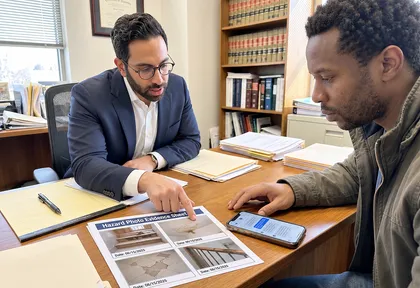
Text messages may help show that your landlord knew about a hazard, but they do not automatically prove liability. A lawyer must also examine who was responsible for the unsafe condition and whether it caused your injury.
-
Who Was Responsible for the Hazard? A lawyer must determine whether the landlord was responsible for the area where the hazard existed. Lease agreements and maintenance records may help establish this.
Under CACI No. 1006, a landlord’s duties depend partly on who controlled the area and whether the landlord knew or should have known about the danger. These factors can affect when a tenant can sue a landlord for an injury.
-
Did the Hazard Cause Your Injury? Earlier messages and photos do not automatically prove that the reported hazard caused your injury.
A lawyer can compare them with accident photos, witness statements, repair records, and medical records to investigate what happened.
-
Can My Landlord Use My Messages Against Me? Your messages may show that you knew about the hazard. The landlord could argue that you failed to take reasonable steps to avoid it.
Under California’s pure comparative fault rule, your compensation may be reduced if your own negligence contributed to the injury. However, knowing about a hazard does not automatically make you at fault.
Can a Lawyer Use Text Messages and Screenshots in Court?
Yes. California courts may accept texts, photos, and screenshots as evidence. Under California Evidence Code §§ 1400–1401, a lawyer must show that the records are genuine.
Screenshots can be used, but missing messages or dates may make them harder to verify. Original photos and complete conversations can help confirm the details.
What Does a Lawyer Evaluate Before Using the Messages?
- Authenticity: Are the messages and photos genuine? Can the sender, recipient, and dates be verified?
- Completeness: Does the record include the full conversation, attachments, and replies?
- Legal Effect: What do the messages show about the hazard, the landlord’s knowledge, and the injury?
Even genuine messages do not automatically prove that the landlord knew about the hazard, caused the injury, or was legally responsible. Other evidence rules may also affect whether a court accepts them.
How Can a Lawyer Use These Messages to Support Your Injury Claim?
A lawyer can compare your messages and photos with repair records and other evidence. This review may help show what happened before your injury and identify missing information.
How Can a Lawyer Obtain Supporting Records From the Landlord?
A lawyer can ask the landlord or property manager to preserve records such as:
- Maintenance logs
- Inspection reports
- Work orders
- Messages about repairs
The lawyer may also check city inspection records. During a lawsuit, relevant documents may be requested through California’s legal discovery process, subject to applicable rules.
These records may help confirm when the landlord received your warning and what happened afterward.
How Can the Messages Help With Insurance Negotiations or a Lawsuit?
A lawyer can use your messages, photos, and repair records to explain what the landlord knew and how they responded. These records may help address disputes with an insurance company or support your case in court.
However, messages alone do not prove negligence or guarantee compensation. A lawyer must review all the evidence.
Arash Law can review your complete conversations, original photos, landlord replies, and repair records during a free case evaluation. Our attorneys can identify missing evidence and assess whether you may have a claim.
Call (888) 488-1391 to discuss your injury. A review does not guarantee that a court will accept the messages as evidence or find that the landlord had prior notice or was legally responsible.
Why Should You Check Filing Deadlines if You Already Texted Your Landlord?
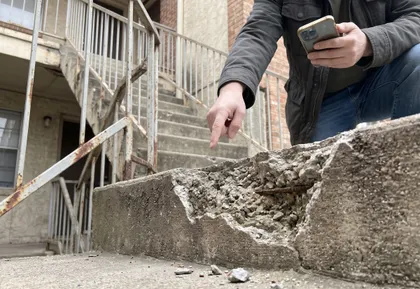
Texting your landlord about a hazard does not extend your deadline to file a claim. Missing a legal deadline may prevent you from seeking compensation.
California generally has three important deadlines:
- Personal Injury: Two years to file a lawsuit under Code of Civil Procedure § 335.1.
- Property Damage: Three years to file a lawsuit under Code of Civil Procedure § 338.
- Government Claims: Generally, six months to present an injury claim against a public entity under Government Code § 911.2. A separate lawsuit deadline may apply afterward.
Exceptions may affect these deadlines. Missing a filing or government claim deadline may bar your claim, while delays in saving messages, photos, and repair records may weaken your evidence.
A lawyer can review your injury date and circumstances to determine which deadlines apply.
Frequently Asked Questions About Landlord Text Message Evidence in California
What if My Landlord Never Replied to My Warning?
You may still have evidence that you reported the hazard before your injury. A lawyer can examine the outgoing message, delivery information, and other communications to investigate whether it was received.
An unanswered warning does not automatically prove that the landlord knew about the problem. Other evidence may help establish what happened.
Can I Use Messages Sent to a Property Manager?
Yes. Messages to a property manager may help establish notice when that person handled complaints or acted on the landlord’s behalf. A lawyer can review the manager’s duties, authority, and responses.
The attorney may also examine lease instructions and property records to establish the manager’s role. Separate evidence rules may affect the use of the manager’s statements against the landlord.
What if My Landlord Called Instead of Replying by Text?
A lawyer can examine call logs, follow-up messages, and notes about the conversation. Call logs may show that a call occurred, but they do not prove what either person said.
Keep any notes you made at the time. Related repair appointments or subsequent messages may help confirm the details of the conversation.
What if I Only Have Screenshots of the Conversation?
Screenshots may still support your claim if a lawyer can establish their authenticity and context. Available backups, related conversations, and witness testimony may provide additional support.
Missing original messages do not automatically make screenshots unusable. However, incomplete records may require further investigation.
What if My Photos Have Different Dates From My Texts?
Preserve both dates because they may establish different events. The photograph date may show when the condition existed, while the message date may show when you reported it.
A lawyer can check both records before building the notice timeline. The attorney should not assume that someone received the warning when you took the photograph.
Can Messages Written in Another Language Support My Claim?
Yes. Messages written in another language may support a California injury claim. Preserve the original conversation, photographs, and available dates.
A lawyer can arrange an appropriate English translation when necessary. The original messages should remain available to verify the translation.
Ask Arash Law to Evaluate Your Texts and Photos
Your earlier messages may help show what the landlord knew, how the property looked, and what happened before your injury. A lawyer can review the complete conversation and compare it with maintenance records and accident evidence.
Our landlord liability attorneys can review your full message conversations, original photographs, landlord replies, and related records to assess how the evidence may support your claim. Call (888) 488-1391 for a free case evaluation. The review does not guarantee admissibility, a finding of prior notice, or a particular claim outcome.
Sources
- California Attorney General, Landlord-Tenant Issues. Guidance on preserving written repair complaints, text messages, and photographs.
https://oag.ca.gov/tenants- California Department of Real Estate, Dealing With Problems. Recommendations for repair notices, documenting defects, and confirming receipt.
https://www.dre.ca.gov/Publications/ResourceGuidebook/gb09_dealingwith.html- Judicial Council of California, Civil Jury Instructions. CACI Nos. 1000 and 1003 address premises liability and unsafe property conditions.
https://courts.ca.gov/partners/california-jury-instructions/civil-jury-instructions-resource-center/civil-jury-instructions- Judicial Council of California, July 2026 CACI Supplement. CACI No. 1006 addresses landlord duties and control of rental property.
https://courts.ca.gov/system/files/file/judicial_council_of_california_july_2026_supp.pdf- California Evidence Code § 1400. Defines authentication of a writing.
https://leginfo.legislature.ca.gov/faces/codes_displaySection.xhtml?sectionNum=1400.&lawCode=EVID- California Code of Civil Procedure § 2031.010. Requests for documents, electronic records, and other evidence during civil discovery. https://leginfo.legislature.ca.gov/faces/codes_displaySection.xhtml?sectionNum=2031.010.&lawCode=CCP
- California Evidence Code § 1401. Requires authentication before admitting a writing as evidence, subject to statutory exceptions.
https://leginfo.legislature.ca.gov/faces/codes_displaySection.xhtml?sectionNum=1401.&lawCode=EVID- California Evidence Code § 1151. Limits the use of later repairs to establish earlier negligence.
https://leginfo.legislature.ca.gov/faces/codes_displaySection.xhtml?sectionNum=1151.&lawCode=EVID- California Evidence Code § 1220. Statements made by a party and offered against that party.
https://leginfo.legislature.ca.gov/faces/codes_displaySection.xhtml?sectionNum=1220.&lawCode=EVID- California Evidence Code § 1222. Statements made by a person authorized to speak on a party’s behalf.
https://leginfo.legislature.ca.gov/faces/codes_displaySection.xhtml?sectionNum=1222.&lawCode=EVID- Judicial Council of California, CACI No. 405, Comparative Fault of Plaintiff. Explains the defendant’s burden of proving the plaintiff’s fault and how assigned fault reduces damages.
https://courts.ca.gov/system/files/file/judicial_council_of_california_civil_jury_instructions_2025.pdf- Li v. Yellow Cab Co. (1975) 13 Cal.3d 804. California Supreme Court decision adopting pure comparative negligence, which reduces compensation based on the plaintiff’s share of fault.
https://scholarlycommons.pacific.edu/cgi/viewcontent.cgi?article=2458&context=mlr- California Code of Civil Procedure § 335.1. General two-year filing deadline for personal injury lawsuits.
https://leginfo.legislature.ca.gov/faces/codes_displaySection.xhtml?sectionNum=335.1.&lawCode=CCP- California Government Code § 911.2. General claim-presentation deadlines for qualifying claims against public entities.
https://leginfo.legislature.ca.gov/faces/codes_displaySection.xhtml?sectionNum=911.2.&lawCode=GOV- California Government Code § 915. Requirements for presenting claims to the proper public entity.
https://leginfo.legislature.ca.gov/faces/codes_displaySection.xhtml?sectionNum=915.&lawCode=GOVDisclaimer
The information on this page is for general educational purposes and does not constitute legal advice. Reading or relying on this content does not create an attorney-client relationship. Past case results, if referenced, do not guarantee similar outcomes. If you were injured, consult a licensed California attorney about your specific situation. Arash Law — (888) 488-1391.