
TL;DR: An injury lawyer should review your family’s complete auto policy, your relationship to the policyholder, driving permission, exclusions, and coverage dates. The lawyer should also identify which benefits may cover your injuries and whether another party is responsible. Being left off the policy does not automatically mean you are uninsured, nor does it prevent an injury claim.
An injury lawyer should check the complete family auto policy and the accident facts before deciding whether your name’s absence from the driver list affects coverage. That means looking at your status under the policy, the vehicle involved, and any exclusions, plus other sources of compensation for your injuries.
California law may extend certain protections to permitted drivers and household relatives who do not appear on the policy’s driver list. However, actual coverage depends on the policy terms and the circumstances of the crash.
Table of Contents

I Thought I Was Insured Under a Family Policy, but My Name is Not Listed. What Should a Lawyer Review Before Deciding Whether I Am Covered or Can Pursue My Injuries?
A lawyer should review the complete family auto policy, your insured status, driving permission, covered vehicle, policy dates, and exclusions. They should also determine which benefits could cover your injuries and whether you can pursue a claim against another responsible party. A missing name alone does not mean you are uninsured or ineligible for compensation.
| Policy Role or Issue | What the Lawyer Needs to Confirm | Documents to Review |
|---|---|---|
| Named insured | Who holds the policy. | Declarations page and application. |
| Listed driver | Whether the insurer recorded you as a driver. | Driver schedule and renewal records. |
| Permissive user | Whether you drove with permission. | Messages, statements, and driving history. |
| Resident relative | Whether you qualify as a household relative. | Policy definitions and residence records. |
| Excluded driver | Whether an applicable exclusion identifies you. | Exclusion agreements and endorsements. |
| Passenger | Whether you occupied the vehicle without driving. | Collision report and witness statements. |
| Covered vehicle | Whether the policy covered the accident vehicle. | Declarations page and registration. |
| Coverage dates | Whether coverage was active at the time of the accident. | Effective dates and cancellation records. |
| Available benefits | Which benefits and limits could apply. | Complete policy and coverage selections. |
If only a relative appears on the policy, the lawyer should verify whether that person is the named insured or a listed driver. They can request the complete documents through the relative or other lawful means.
Next comes sorting out liability coverage from the benefits that could pay for your injuries. If family policy benefits are unavailable, your lawyer can investigate fault, other insurance, and a potential claim against the responsible party.
Key Facts About Unlisted Family Members and Auto Insurance
- An unlisted driver may still qualify for family insurance coverage. California Insurance Code Section 11580.1 generally requires liability coverage for permitted users of insured vehicles, subject to lawful exceptions.
- Household relatives may qualify for uninsured motorist benefits. Insurance Code Section 11580.2(b) includes certain resident relatives within its definition of an insured person.
- An excluded driver differs from an unlisted driver. Insurance Code Section 11580.1(d) allows certain exclusions identifying specific drivers by name.
- Liability coverage generally protects against injuries caused to others. The California Department of Insurance distinguishes liability protection from medical payments and uninsured motorist benefits.
- An omitted name does not automatically restrict injury damages. Civil Code Section 3333.4 applies only when its specific statutory conditions exist.
Driving Permission and the Vehicle Involved
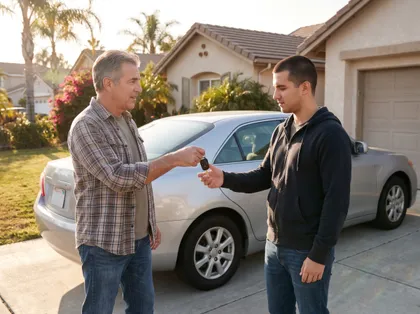
A lawyer should first confirm two things: whether the named insured allowed you to drive and whether the policy covers the vehicle you were using. California Insurance Code Section 11580.1(b)(4) requires liability coverage for permitted drivers of insured vehicles, subject to lawful exceptions.
Permission can be expressed, such as a relative lending you the car for an errand. Previous conduct can also imply permission, such as a pattern of letting you use the vehicle. Text messages, prior borrowing arrangements, and statements from the vehicle owner can all help show permission. Your lawyer should also check whether your use stayed within the permission given.
Whether the Policy Covers the Vehicle
Your lawyer should compare the accident vehicle’s registration and identification number with the policy’s covered vehicles. They should also review provisions for newly purchased cars, temporary replacements, and borrowed vehicles.
For example, you may have driven a friend’s car rather than your family’s vehicle. In that case, the lawyer should check that vehicle’s insurance and any coverage available under the family policy.
The attorney should also investigate whether the policy treats vehicles available for regular use differently.
Household Status and Uninsured Motorist Coverage
A car accident lawyer should determine whether your relationship and living arrangements qualify you for uninsured motorist benefits. California Insurance Code Section 11580.2(b) includes certain relatives who reside in the named insured’s household.
An eligible household relative may qualify for benefits without appearing on the driver list. Depending on the circumstances, coverage may apply while driving, riding as a passenger, walking, or cycling.
Where you lived at the time of the accident matters here. Records showing your address, living arrangements, and family relationship can help establish your status.
A different address on your driver’s license does not necessarily settle the question. Temporary absences, including time spent attending school, may require a closer review of your residence.
Coverage Selections and Exclusions
Your lawyer should confirm which coverages the family purchased and which exclusions could limit them. California generally requires insurers to provide uninsured motorist coverage unless the named insured provides an authorized written rejection.
The attorney should also:
- Request the applicable forms, endorsements, and coverage limits.
- Examine exclusions involving other vehicles and settlements with responsible drivers.
If the at-fault driver carried insufficient insurance, the lawyer should consider underinsured motorist benefits. This includes reviewing the other driver’s liability limits and applicable payment requirements before determining whether those benefits are available.
Excluded and Undisclosed Drivers
An unlisted driver is not necessarily an excluded driver. Insurance companies may identify drivers for rating purposes while extending coverage to others under the policy or California law.
A named-driver exclusion may remove coverage when a particular person operates the vehicle. Insurance Code Section 11580.1(d) allows certain exclusions through policy terms or a separate written agreement.
If an exclusion exists, the lawyer should check its wording, its effective date, and the person it names. They should also determine whether it applies to the vehicle, the accident, and the insurance benefit involved.
When the Family Did Not Report a Driver
An insurer may question coverage when the policyholder failed to disclose someone who regularly used the vehicle. However, an omitted driver does not automatically establish a valid basis for denying coverage.
A good starting point is the original application, renewal forms, and communications with the insurance company. These records can show what information the policyholder provided and whether the insurer requested driver updates.
The attorney should also determine whether the insurer claims an exclusion, cancellation, or rescission. Rescission generally seeks to undo the contract, while cancellation addresses the termination of the policy. Each has distinct legal requirements.
From there, the lawyer should compare the insurer’s explanation with the supporting documents and relevant dates. This review can help establish whether the disputed policy still provides coverage for the accident.
Insurance Coverage and Other Sources of Compensation
Compensation for your injuries may be available through another driver’s liability insurance, your family’s liability coverage, uninsured or underinsured motorist coverage, medical payments coverage, or another policy.
Which coverages apply depends on your role in the crash, who caused it, and each policy’s terms:
- Another Driver’s Liability Insurance: If another driver caused the crash, their liability coverage may compensate you for medical bills, lost income, and other injury losses, up to applicable limits.
- Family Liability Insurance: If a family member caused your injuries, the family policy may cover their responsibility. However, an insured-person exclusion could prevent payment for your injuries.
- Uninsured or Underinsured Motorist Coverage: This coverage may compensate you when the responsible driver has no liability insurance or insufficient coverage. You must qualify as an insured and meet the applicable claim requirements.
- Medical Payments Coverage: This optional coverage may pay covered medical expenses regardless of who caused the crash, up to its limit. It does not compensate you for lost income or pain and suffering.
A car accident attorney can review fault, available insurance, and your losses to identify claims against another responsible party. For example, a negligent driver may owe compensation for medical expenses, lost income, pain and suffering, and future losses.
A dispute over your family’s policy does not automatically prevent that claim. Each potential claim and insurance source should be assessed separately.
Whether California’s Uninsured Driver Restrictions Apply
Proposition 213’s limits on pain-and-suffering damages do not apply just because your name is missing from the family policy. Rather than assuming you were uninsured, a lawyer should verify whether the vehicle met California’s financial responsibility requirements at the time of the accident.
Civil Code Section 3333.4, enacted by Proposition 213, restricts certain damages in specified circumstances. For example, the law can prevent certain uninsured vehicle owners and operators from recovering damages for pain and suffering.
Whether the restriction applies depends on your role, the vehicle’s insurance, and the statute’s requirements, not on whether the policy lists your name.
When the Insurer Questions or Denies Coverage
A lawyer should request the insurer’s written explanation and compare its reasons with the policy language and evidence. California’s claims regulations require written first-party claim denials identifying the factual and legal grounds under Title 10, Section 2695.7(b).
The attorney can assess whether an exclusion, missing driver information, or another policy provision supports the insurer’s position. If the records support coverage, they can submit additional evidence or challenge the denial. Further legal options depend on the claim and your rights under the policy.
Your name does not appear on the family auto policy? Arash Law can review the policy terms and accident facts. Our car accident attorneys can assess potential benefits and separate injury claims without assuming eligibility.
Call (888) 488-1391 for a free case evaluation. The review can help identify which documents and insurance questions require further investigation.
Insurance Notices and Filing Deadlines
Your lawyer should check the policy’s accident-reporting requirements and identify the deadlines for each potential injury lawsuit or insurance claim. They should also confirm whether the insurer received notice, requested additional information, or issued a coverage decision.
Keep insurance correspondence, accident reports, photographs, and medical records available for review. These documents can help your attorney avoid common mistakes in personal injury claims, including delayed notifications and lost evidence.
Coverage disputes do not automatically extend filing deadlines. Important California time limits include:
- Personal Injury Lawsuits: Code of Civil Procedure Section 335.1 generally allows 2 years from the date of injury to sue a private party. Exceptions may change this deadline.
- Government Claims: Government Code Section 911.2 requires presenting a personal injury claim to the responsible public entity within six months of the injury. This is a separate step from filing a lawsuit. The deadline to sue can vary, but Government Code Section 945.6 generally provides six months from the date a compliant written rejection is personally delivered or mailed.
- Uninsured Motorist Claims: Insurance Code Section 11580.2(i) requires taking a specified action within two years of the accident to preserve the claim.
For an uninsured motorist claim, the qualifying actions are filing a bodily injury lawsuit against the uninsured driver, reaching an agreement with the insurer on the amount due, or formally initiating arbitration. Simply reporting the accident or negotiating with the insurer does not, by itself, satisfy this requirement.
To formally initiate arbitration under the statute, written notice must be sent to the insurer or its designated agent for service of process by certified mail, return receipt requested.
Missing a legal deadline can mean losing your right to pursue compensation. Your attorney should calculate each deadline separately and check for applicable exceptions. Consulting a lawyer does not itself stop the clock.
Frequently Asked Questions About Unlisted Drivers in California
What if My Family Only Purchased Liability Insurance?
Liability insurance generally covers injuries or damage that a covered driver causes to others. It does not ordinarily pay for that driver’s own injuries. A lawyer should still check whether the policy includes uninsured motorist or medical payments coverage. They can also investigate another responsible driver’s insurance.
What if I Was a Passenger in a Vehicle My Family Does Not Own?
A lawyer should review the insurance covering the vehicle you occupied and determine who caused the accident. The family policy may also provide certain benefits if you qualify under its terms. The attorney should examine your status, the coverage involved, and any provisions affecting claims under multiple policies.
What if a Family Member Caused My Injuries?
A lawyer should review the family’s liability coverage and any exclusions that impact claims between insureds. The attorney should also check medical payments coverage and other available insurance.
Your family relationship does not automatically establish that the insurer must pay. The specific policy terms and accident facts control the analysis.
What if the Insurer Asks Me to Give a Recorded Statement?
A lawyer can review the insurer’s request and determine whether the policy requires your cooperation. The attorney can also identify questions concerning your residence, driving permission, or role in the accident.
You should provide accurate information and avoid guessing about facts you cannot confirm. The lawyer can help assess the request before you respond.
Can I Consult a Lawyer Before the Insurer Confirms My Coverage?
Yes. You do not need a final coverage decision before seeking an injury lawyer’s review. The attorney can review the policy, the facts of the accident, and potential claims while the insurer investigates. An early review may identify missing documents, notice obligations, and filing deadlines. It does not guarantee insurance benefits or legal representation.
Talk to Arash Law About an Unlisted Family Policy
If your name is missing from your family’s auto policy, get help understanding what that means for your injury claim. Arash Law’s car accident attorneys can review the actual policy, your role in the crash, and your injuries to identify potential coverage and claims.
Call (888) 488-1391 for a free case evaluation. Have your available policy documents and accident information ready so you can discuss your options.
Sources
- California Department of Insurance, Automobile Insurance Guide. Coverage types and exclusions.
https://www.insurance.ca.gov/01-consumers/105-type/95-guides/01-auto/auto101.cfm- California Insurance Code § 11580.1. Permitted drivers and exclusions.
https://leginfo.legislature.ca.gov/faces/codes_displaySection.xhtml?sectionNum=11580.1.&lawCode=INS- California Insurance Code § 11580.2. Uninsured motorist benefits and requirements.
https://leginfo.legislature.ca.gov/faces/codes_displaySection.xhtml?sectionNum=11580.2.&lawCode=INS- California Civil Code § 3333.4. Uninsured driver damages restrictions.
https://leginfo.legislature.ca.gov/faces/codes_displaySection.xhtml?sectionNum=3333.4.&lawCode=CIV- California Code of Regulations, Title 10, § 2695.7. Insurance claim denial requirements.
https://www.insurance.ca.gov/01-consumers/130-laws-regs-hearings/05-CCR/fair-claims-regs.cfm- California Code of Civil Procedure § 335.1. Two-year personal injury deadline.
https://leginfo.legislature.ca.gov/faces/codes_displaySection.xhtml?sectionNum=335.1.&lawCode=CCP- California Government Code § 911.2. General six-month deadline to present a government claim involving personal injury.
https://leginfo.legislature.ca.gov/faces/codes_displaySection.xhtml?sectionNum=911.2.&lawCode=GOV- California Government Code § 945.6. The general six-month lawsuit deadline after a compliant written claim rejection is personally delivered or mailed.
https://leginfo.legislature.ca.gov/faces/codes_displaySection.xhtml?sectionNum=945.6.&lawCode=GOVDisclaimer
The information on this page is for general educational purposes and does not constitute legal advice. Reading or relying on this content does not form an attorney-client relationship. If you suffered injuries, consult a licensed California personal injury attorney about your specific situation. Arash Law: (888) 488-1391.