California Domino’s Slip-and-Fall Attorneys
- PAY NOTHING UPFRONT
- OVER $1 BILLION RECOVERED
- ZERO-FEES UNTIL WE WIN
We’ll review what happened and tell you what options may be available.
MAKE THEM PAY, CALL AK!
24-hour accident hotline: (888) 488-1391
People injured in a Domino’s slip-and-fall may have a claim when an unsafe property condition caused their injuries and a responsible party failed to use reasonable care. Arash Law helps injured customers, delivery drivers, vendors, and other lawful visitors identify who controlled the location, preserve evidence, and determine which insurance coverage may apply.
California premises liability law can make a Domino’s slip-and-fall claim more complex because different parties may be responsible for the property, maintenance, and daily operations.
Call (888) 488-1391 to discuss what happened and learn what legal options may be available. Hablamos español.
Why Injured Clients Choose Arash Law
- Free case evaluations for people injured in Domino’s slip-and-fall accidents.
- Statewide representation for qualifying premises liability claims.
- No attorney’s fees unless we recover compensation for you under a contingency fee agreement.
- A focused legal team that prioritizes preserving key evidence early and identifying the parties that may be responsible for the dangerous condition.
Reviewed by: Arash Khorsandi, Esq. | California State Bar #249405 | Law & Insurance Limits Current as of: September 2026
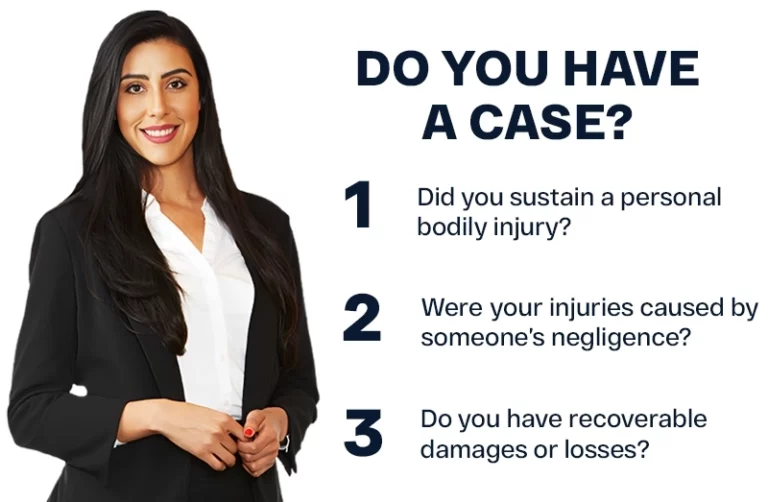
If you’re wondering whether you’re eligible to pursue compensation in your situation, fill out our “Do I Have a Case?” form so our lawyers can review the unique circumstances of your slip-and-fall.
Key Facts About California Domino’s Slip-and-Fall Claims
- Control matters. A premises liability claim generally requires proof that the defendant owned, leased, occupied, or controlled the property and was negligent in its use or maintenance. California Civil Jury Instructions (CACI) identify these as core elements of a premises liability claim.
- Notice can decide the case. When a claim depends on a business failing to correct a dangerous condition, evidence may need to show actual notice or that the condition existed long enough to support constructive notice. California’s current jury instructions address constructive notice in CACI No. 1011.
- Franchisor liability is not automatic. California’s Supreme Court has examined how control affects liability within a franchise relationship. Patterson v. Domino’s Pizza, LLC arose from an employment and agency dispute, so a premises claim still requires analysis of the specific control and conduct connected to the property.
- Shared fault can reduce compensation. California follows pure comparative negligence (Li v. Yellow Cab Co. (1975) 13 Cal. 3d 804), so an injured person’s recovery may be reduced according to their percentage of fault rather than barred solely because they share responsibility.
- Preserving evidence can affect the strength of a slip-and-fall case. Surveillance footage, inspection records, incident reports, photographs, and witness information can help establish how the hazard arose and who had notice of it.
Results From Premises Liability and Slip-and-Fall Cases
Arash Law’s past premises liability case results can show the types of evidence and injuries that may arise in fall cases. They do not establish what another case is worth, and each result depends on its own facts.
Premises Liability — $3,500,000
We secured $3.5 million in a premises liability case involving a fall that resulted in a spinal injury. The matter involved a dangerous condition posed by inadequate lighting on the property.
Slip-and-Fall — $3,000,000
We obtained $3 million in a November 2021 slip-and-fall case involving a spine injury. Our published case results page does not provide additional details about the circumstances of the fall.
Premises Liability — $1,250,000
Our team obtained $1.25 million for a client who fell from a ladder and suffered shoulder and head injuries, including a mild traumatic brain injury. The case resolved shortly before trial.
Additional outcomes are available on the Arash Law case results page.
Past results do not guarantee or predict future outcomes. Results depend on the facts, evidence, insurance coverage, injuries, and applicable law in each case.
How Arash Law Can Approach a Franchise Premises Claim
A Domino’s fall may involve a franchise operator, property owner, maintenance company, or another entity with responsibility for the accident area. Our team can investigate who controlled the property, preserve available evidence, review insurance issues, and handle communications with the parties involved. These are common responsibilities of a slip-and-fall attorney handling a premises liability claim.
We can also document your claimed losses, monitor filing deadlines, negotiate with insurers, and prepare the case for litigation when a fair resolution cannot be reached.
How Notice Affects a Store Injury Claim
A business is not automatically responsible simply because someone falls on its property. When someone slips on a wet floor, questions about how long the condition existed and whether employees had a reasonable opportunity to discover it can become important to proving notice.
Inspection records, surveillance footage, employee testimony, and witness statements may help establish when the condition arose and whether reasonable inspections should have uncovered it.
(No guarantee of outcome. Results displayed were dependent on unique facts of that case, and different facts will bring different results.)
How Evidence Preservation Can Impact a Slip-and-Fall Claim
Surveillance footage, incident reports, cleaning logs, photographs, and witness information may help establish what caused the fall and who knew about the condition. After a person slips and falls at a restaurant, preserving available video and other time-sensitive evidence can help document conditions before they change.
Written preservation requests can identify relevant material that should be retained during the claim’s investigation.
How Comparative Fault Changes Compensation
Insurers may try to reduce what they pay by arguing that you share responsibility for the fall. Two common arguments include:
- Open and Obvious Hazard: The insurer may claim that a reasonable person should have noticed and avoided the dangerous condition. A visible hazard does not automatically eliminate a premises liability claim, especially when there was no safe way around it or a distraction in the area was reasonably foreseeable.
- Distracted Victim: The insurer may argue that you were looking at your phone, carrying food, watching for an order, or otherwise not paying enough attention. Photos, surveillance footage, and witness statements may help show what was happening around you and how noticeable the hazard actually was.
California follows pure comparative fault. If you are found partly responsible, your compensation may be reduced by your percentage of fault rather than barred entirely. That is why questions about compensation if the accident was your fault can become relevant when both sides share responsibility.
Evidence of the hazard’s location, visibility, and surrounding circumstances, such as photographs, surveillance footage, and witness accounts, can be important when responding to attempts to shift blame onto you.
How Insurance Coverage Can Affect Recovery
A franchise property can involve several insurance policies, as a franchise operator, landlord, property manager, or maintenance contractor may carry separate liability coverage depending on their role at the location. Coverage can also depend on who controlled the accident area, the agreements among the businesses, and the terms of the applicable policies.
That’s why, when an injury occurs in a business, determining whether you can sue a store for a slip-and-fall often requires identifying both the responsible party and the applicable insurance coverage. Possible coverage questions include:
- Whether the franchise operator has liability insurance covering the premises.
- Whether a landlord or property manager has separate coverage for the accident area.
- Whether a maintenance contractor has coverage connected to its work.
- Whether contractual insurance or indemnity provisions affect which insurer responds.
- Whether more than one potentially responsible party should receive notice of the claim.
Insurance disagreements can delay a claim, but coverage disputes do not replace the liability analysis. Evidence must still establish which defendant owed a duty, breached that duty, and caused the claimed injury.
How Documented Losses Shape the Available Damages
Medical records, bills, wage information, and evidence of future treatment can help establish how the fall affected your health and finances. Questions about how much you can claim for a slip-and-fall depend on factors such as medical expenses, lost income, future care, shared fault, and available insurance coverage.
Keeping organized records can help support both economic losses and the broader effects of the injury.
Who Can File a Domino’s Slip-and-Fall Claim?
Domino’s slip-and-fall claims are not limited to paying restaurant customers. A person lawfully on the property may have a claim when another party’s negligence in owning, controlling, maintaining, or operating the premises caused an injury.
Potential claimants can include:
- Customers and patrons. A person entering a Domino’s to order food, pick up an order, or conduct other lawful business may pursue a claim when evidence supports premises liability.
- Outside delivery drivers. A driver working for another business may have a third-party personal injury claim when a separate property owner, franchise operator, contractor, or other entity caused the dangerous condition.
- Vendors and contractors. Service providers lawfully on the premises may have rights depending on who created or controlled the hazard and the circumstances of their work.
- Domino’s employees. An employee hurt while performing job duties generally looks first to the workers’ compensation system. A separate third-party claim may sometimes exist against another responsible person or company.
- Eligible surviving family members. When a fall causes a death, California Code of Civil Procedure (CCP) §377.60 identifies who may bring a wrongful death action.
Whether someone can file depends on their relationship to the property, the source of the hazard, and which party owed the relevant duty of care.
Who May be Liable for a Domino’s Slip-and-Fall?
A Domino’s sign on the building does not establish which legal entity controlled the area where the fall happened. The investigation should focus on ownership, possession, maintenance duties, contracts, and actual control.
Potentially responsible parties may include:
- The franchise owner. A franchisee may control daily operations, employee practices, inspections, cleaning, and maintenance within the restaurant.
- A property owner or landlord. A landlord may be relevant when the dangerous condition involves an area or structural feature under the landlord’s control.
- A property manager. A management company may have contractual responsibility for inspections, repairs, or common areas.
- A cleaning or maintenance contractor. An outside company may be responsible when its work created a slippery surface or when it assumed duties connected to the hazardous area.
- A Domino’s franchisor or related corporate entity. Corporate liability requires a fact-specific analysis. Franchise branding alone does not establish responsibility for a particular store’s condition.
California Civil Code §1714 supplies the state’s general ordinary care rule for injuries caused by a lack of reasonable care in managing property or a person.
What Evidence Matters After a Domino’s Slip-and-Fall
Premises liability cases often turn on proof that existed at the location shortly before or after the incident. Preserving evidence early can help establish both the dangerous condition and who had notice of it.
Useful evidence may include:
- Surveillance footage. Videos from the Domino’s where you slipped may show when the hazard appeared, whether employees passed the area, and how the fall occurred.
- Incident reports. A store report can document the time, location, reported condition, witnesses, and personnel who responded.
- Inspection and cleaning records. These records may show when employees last checked or serviced the area.
- Photographs and video from the scene. Images can document liquid, grease, debris, flooring defects, warning signs, lighting, and surrounding conditions.
- Witness information. Customers, employees, drivers, or vendors may have seen the hazard before the fall.
- Medical records. Treatment records can document the reported mechanism of injury, diagnoses, care, and continuing symptoms.
- Clothing and footwear. Preserving the items worn during the incident may become relevant if the condition of the shoes or clothing is disputed.
The strongest evidence varies with the hazard. A liquid spill may raise different notice questions than broken flooring, poor lighting, or a recurring maintenance problem.
What Happens Before and After a Slip-and-Fall Claim Begins
A premises liability claim usually develops through several stages. The order can change when evidence is at risk or a lawsuit must be filed quickly:
- Document the incident. Preserve photographs, witness information, medical records, receipts, and other available records.
- Identify the responsible entities. Determine who owned, leased, managed, maintained, or controlled the accident area.
- Request preservation of evidence. Seek available surveillance footage, inspection records, maintenance documents, and incident materials.
- Document injuries and financial losses. Collect medical bills, wage information, treatment records, and proof of other claimed expenses.
- Present the insurance claim. Submit supported liability and damages information to the appropriate insurer or insurers.
- Evaluate settlement proposals. Compare any offer with the documented losses, disputed fault, future treatment, and available coverage.
- File suit when necessary. Litigation may be appropriate when liability remains disputed, evidence requires formal discovery, or settlement negotiations do not resolve the claim.
A lawsuit begins formal discovery, which allows the parties to request documents, take depositions, and obtain other evidence relevant to liability and damages.
What Damages Can You Recover?
A person injured in a California Domino’s slip-and-fall may seek compensation for losses caused by the injury. The available damages depend on the evidence and circumstances rather than a predetermined settlement amount.
Economic (financial) damages may include:
- Medical expenses. Emergency treatment, physician visits, diagnostic testing, surgery, therapy, medication, and reasonably necessary future care may be claimed when supported by documentation.
- Lost income. A claimant may seek wages or earnings lost because the injury prevented work.
- Reduced earning ability. Serious or lasting limitations may support a claim for diminished future earning capacity when evidence establishes the loss.
- Other injury-related expenses. Transportation, mobility equipment, and other reasonable costs may be included when connected to the injury.
Non-economic (personal) damages may include:
- Physical pain. Compensation may address past and future pain caused by the injury.
- Mental suffering and emotional distress. An injury may affect sleep, emotional well-being, and daily functioning.
- Loss of enjoyment of life. Lasting limitations may affect hobbies, family activities, mobility, and ordinary routines.
When a fall results in death, eligible surviving family members may be able to pursue a wrongful death claim. Compensation may include funeral and burial expenses, as well as the income and financial support the deceased person would have provided to the family.
Common Injuries After a Slip-and-Fall
Serious injuries can increase medical needs, time away from work, future limitations, and the damages you may be able to recover:
- Head and brain injuries. A fall can result in a head injury or traumatic brain injury, particularly when the person strikes a hard floor, wall, fixture, or other surface.
- Neck and back injuries. Falls may cause soft-tissue injuries, disc injuries, or other spinal conditions that require ongoing evaluation and treatment.
- Fractures. Wrist, arm, hip, ankle, and other fractures can require immobilization, rehabilitation, or surgery, depending on severity.
- Ligament and soft-tissue injuries. Knee, ankle, shoulder, and other joint injuries may affect movement, work, and daily activities.
Medical documentation helps connect the reported symptoms and treatment to the fall. Long gaps in care can also create factual disputes about causation and the extent of the claimed injuries.
What Filing Deadlines Apply?
Different California deadlines serve different purposes, and they should not be treated as interchangeable:
- Personal injury lawsuits generally have a 2-year statute of limitations. CCP §335.1 generally gives an injured person two years to file an action for injury caused by another person’s wrongful act or neglect. Missing the applicable statute of limitations can bar the personal injury claim entirely.
- Property damage cases generally have a three-year limitations period. CCP §338 usually gives victims three years to file certain cases involving injury to property. That deadline can matter when a fall also damages personal property.
- Government claims can have a six-month presentation deadline. Domino’s locations are generally private businesses. However, a public entity could become relevant if a dangerous condition involves government-controlled property or another public entity issue.
Government Code (GOV) §911.2 generally requires presentation of claims for personal injury or death within six months after accrual. Missing the applicable government claim requirement may bar you from pursuing compensation.
Evidence preservation has a separate clock. Surveillance footage, electronic records, witness memories, and other evidence may disappear long before any statutory deadline, weakening the case even when a lawsuit remains timely.
Frequently Asked Questions About Domino's Slip-and-Fall Claims In California
How Much Does a Domino's Slip-and-Fall Lawyer Cost?
A Domino’s slip-and-fall lawyer may not cost anything up front if they handle qualifying personal injury matters on a contingency fee basis. That means attorney’s fees are owed only if compensation is recovered. The actual contingency rate must appear in the written fee agreement, along with required information about costs and disbursements. California Business and Professions Code §6147 governs the written contingency fee agreement.
Can I Recover if I Was Partly at Fault for My Fall?
Yes, sharing fault does not automatically prevent recovery under California’s pure comparative negligence system. The percentage of responsibility assigned to you may instead reduce your compensation.
An insurer may argue that you were distracted, failed to see the hazard, or could have avoided it. Photographs, video, witnesses, and evidence about the condition can help address those arguments.
What if the Franchise's Insurance is Not Enough?
Additional coverage may exist when another party is responsible, or another policy applies. However, it depends on the facts. A claim may require investigation of the franchise operator, landlord, property manager, maintenance contractor, or another entity connected to the dangerous condition.
Policy limits do not create liability. The evidence must support a claim against each party from whom compensation is sought.
How Long Do I Have to File a Domino's Slip-and-Fall Claim?
Most California personal injury lawsuits are subject to a two-year statute of limitations under CCP §335.1. You also typically have three years to sue for property damage under CCP §338. However, a qualifying government claim may require action within 6 months under GOV § 911.2.
The applicable legal filing period should not be treated as a safe waiting period. Evidence preservation problems can arise much sooner.
Is it Worth Speaking with a Lawyer if My Injury Seems Minor?
Yes. A legal consultation can still help you understand evidence, insurance, and deadline issues when the seriousness of an injury is not yet clear. The value of any claim depends on documented injuries and losses rather than the label placed on the injury immediately after the fall.
Medical questions should be addressed with an appropriate healthcare professional. Legal counsel can separately evaluate how the available medical documentation affects a potential claim.
Should I Give Domino's Insurance Adjuster a Recorded Statement?
You generally do not have to give a recorded statement to an opposing liability insurer simply because the adjuster requests one. An adjuster may ask questions about how the fall happened, prior injuries, treatment, or statements that could later be used to dispute fault or damages.
You can seek legal advice before deciding how to respond. Keep copies of letters, emails, claim numbers, and other communications you receive.
How Much is a Domino's Slip And Fall Claim Worth?
There is no standard settlement amount for a Domino’s slip-and-fall. Value depends on the strength of the liability evidence, documented medical care, lost income, future effects, comparative fault, available insurance, and other case-specific facts.
Past results cannot establish the value of a new claim. A proper evaluation requires reviewing the evidence and losses in that individual matter.
Cities We Serve For California Slip-and-Fall Claims
Arash Law represents injury clients throughout California, including:
California Domino’s Slip-and-Fall Attorneys Can Help Evaluate Your Claim
A slip-and-fall at Domino’s can raise questions about notice, franchise control, evidence preservation, comparative fault, and insurance coverage. Determining who controlled the dangerous condition can be just as important as proving that the hazard existed.
Arash Law can evaluate the available evidence and explain what legal options may apply to your circumstances.
Call (888) 488-1391 to schedule a consultation with our Domino’s slip-and-fall attorneys. Hablamos español.
Make them pay, call AK.