
California Laundromat Slip And Fall Attorneys

  • PAY NOTHING UPFRONT
  • OVER $0 BILLION RECOVERED
  • ZERO-FEES UNTIL WE WIN
Recover Lost Wages, Property Damage, and Medical Bills.
Arash Law Practice Area Border/Divider

We’ll review what happened and tell you what options may be available.

Or, get LIVE help now — call our free 24-hour accident hotline at (888) 488-1391

Table of Contents

Our Laundromat Slip And Fall Attorneys Offer Legal Clarity After An Injury

In California, premises liability and negligence laws apply to slips and falls that occur on commercial property. They require all property owners and managers, including businesses, to maintain safe environments for visitors. If a laundromat fails to do so and you get injured, you may be eligible to file a personal injury claim.

It’s easy to overlook the risks of accidents at a laundromat, especially since people visit it to accomplish a mundane task: cleaning clothes. However, the constant use of soap, water, and other liquids here can create countless hazards. Unlike when you’re at home, it’s harder to see spills and clean them up before someone gets hurt.

These factors increase the likelihood of slips and falls in laundromats. On busy days, spills can accumulate before staff can spot them. If someone slips and falls, they could sustain serious injuries that risk their health and disrupt their daily routines.

Since state law requires laundromats to keep customers safe, they may be legally responsible for these incidents. Laundromat slip-and-fall attorneys help victims determine whether and how they can seek compensation for medical bills, lost wages, and other losses.

Why Laundromat Slip-And-Falls In California Are Different

California’s unique legal framework shapes how lawyers, insurers, and courts handle laundromat slip-and-fall cases. Factors such as a laundromat’s location, its service offerings, and the availability of evidence can further impact a claim.

Many of the state’s laundromats boast unique features and services, including:

  • 24/7 Availability: In bustling urban hubs like Los Angeles and San Francisco, laundromats such as Launderland and Hugo Street Launderette cater to customers by staying open around the clock.
  • Additional Amenities: As exemplified by the 209 Wash Depot in Sonora, many establishments offer more than just laundry services. They may also provide cafes, lounges, or free Wi-Fi, turning them into spaces where customers stay for longer.
  • More Spacious Facilities: In densely populated cities and tourist hotspots like San Diego and Napa Valley, many laundromats boast roomier layouts to accommodate more customers.
  • Various Service Options: In California, there are many full-service laundromats where customers can drop off their clothes. However, the likes of Avenue Coin Laundry in Santa Rosa continue to offer self-service options.

These factors can impact:

  • Accident Risks: Slips and falls are more likely to occur when laundromats are open for longer. At establishments with more amenities, more customers may make it harder for employees to spot and clean spills. The same goes for self-service laundromats that are minimally supervised by business owners and staff.
  • Evidence Preservation: Spills are often cleaned up quickly after someone gets hurt, so victims might not be able to take photos of them. Laundromats are also largely transient spaces, making it hard to track down witnesses. As a result, security camera footage often plays a key role in injury cases.

    However, this data may only last for a few days before it’s overwritten. If victims or laundromat slip-and-fall attorneys can’t request and preserve this evidence in time, it may be harder to support their case.

During the claims process, the laundromat’s insurance company or lawyer may also use California’s comparative fault rule to shift legal and financial responsibility to you or someone else. For instance, they may argue that:

  • The slip hazard was “open and obvious,” so you should have been able to spot and avoid it.
  • A spill formed just before you fell, so the laundromat’s owner or staff didn’t have time to clean it up.
  • You weren’t paying attention to where you were going.
  • The laundromat is just a tenant, so the landlord is responsible for failing to address a slip hazard.

If disputes like these can’t be resolved during settlement negotiations, you may have the right to sue. You can submit a slip-and-fall lawsuit with the superior court of the county where the laundromat is located.

In California, you’ll have to follow strict filing deadlines to maintain the validity of your case. If your case proceeds to trial in a larger county, such as Los Angeles or San Diego, court scheduling delays could extend the resolution timeline for your claim.

Injury Severity In California Laundromat Slips And Falls

The severity of a laundromat slip-and-fall varies based on how the incident occurs. Some victims may only get bruised. However, others might break their wrists (if they brace themselves for a forward fall) or get concussed (after a backward fall). The extent of your bodily harm will determine how much compensation you can pursue. Insurers may dispute more severe injuries.

Some common injuries victims sustain after a slip-and-fall accident at a laundromat include:

  • Bruises from bumping into the buttons and knobs of a washer or dryer.
  • Lacerations from coming into contact with sharp edges, such as the corner of a folding table.
  • Fractures, head trauma, or back injuries from hitting a hard surface.
  • Sprains, strains, or joint dislocations if the body twists during a fall.

In severe cases, these injuries can lead to serious or long-term impacts such as:

  • Chronic pain
  • Reduced mobility
  • Cognitive impairment
  • Partial or complete paralysis

Children and older adults are more likely to experience these outcomes. However, anyone can sustain severe injuries in a slip-and-fall incident and face a long recovery period. EpiCenter data shows that nearly 170,000 Californians were hospitalized due to falls in 2024 alone. These comprised roughly 60% of all unintentional injuries that year.

As a result, slip-and-fall victims may incur high medical bills, have to take time off work, or experience significant pain and suffering. Laundromat slip-and-fall attorneys often have to obtain exhaustive medical records to justify these losses to insurers.

Proving Liability After A Laundromat Slip And Fall In California

In California, slip-and-fall victims must prove a laundromat’s negligence before they can pursue compensation for their injuries. Essentially, they have to demonstrate that the business failed to maintain a safe environment for visitors. By doing so, the laundromat broke the state’s premises liability law.

This law requires all property owners and managers to take reasonable steps to prevent foreseeable harm. In other words, they have to address known hazards before someone gets hurt by:

  • Conducting regular property maintenance.
  • Constantly checking the laundromat for hazards.
  • Fixing or cleaning slip hazards as soon as they’re spotted.
  • Warning visitors of dangerous conditions that they can’t address right away.

If a laundromat fails to do so and you get injured in a slip-and-fall, you have to prove these four elements of negligence to have a valid claim:

  • Duty: Under California’s premises liability law, the laundromat owed you a duty of care to keep you safe.
  • Breach: It failed to uphold that duty.
  • Causation: The breach directly caused the slip-and-fall and your injuries.
  • Damages: You suffered actual, measurable losses.

For example, suppose another customer spilled liquid detergent on the floor. After two hours, you slipped on it, fell, and broke your hip. You had to get surgery and take a month off work to recover. Since the laundromat failed to spot, clean, or warn you about the hazard, it may be liable for your medical bills and lost wages.

$41,950,000.00
A $41.95 million verdict for customers attacked inside a Walmart after a baseball bat left on the sales floor was used in the assault. A jury found Walmart partially responsible based on the evidence presented at trial.
Do I Have A Case
$17,900,000.00
A $17.9 million unanimous verdict against the County of Los Angeles involving two clients harmed in a serious crash. The jury determined the County was entirely at fault after a hard-fought trial that highlighted the clients’ long-term medical needs and the County’s denial of responsibility.
Do I Have A Case
$3,500,000.00
A $3.5 million verdict for a client who suffered a traumatic brain injury in a 2017 collision. Before trial, the insurer initially offered $18,500 and later increased the offer to $300,000. After hearing medical testimony and evidence of the victim’s ongoing symptoms, the jury awarded damages for past and future pain and suffering and future medical care.
Do I Have A Case

(No guarantee of outcome. Results displayed were dependent on unique facts of that case, and different facts will bring different results.)

How Insurance Applies To Slips And Falls At California Laundromats

California is an at-fault state, which means the laundromat’s insurance will pay for damages if it is responsible for a slip-and-fall. Commercial general liability (CGL) insurance generally serves as the main source of compensation for injured victims. However, workers’ compensation may apply if an employee slips and falls on the job.

Here’s a quick breakdown:

  • CGL: Provides liability coverage for commercial properties. It could cover an injured visitor’s medical bills and property damage. It may also pay for any legal defense costs incurred by the laundromat.
  • Workers’ Compensation: Covers losses from injuries incurred in the workplace. Employees do not need to prove negligence to seek benefits from this policy. However, they must notify the laundromat of their slip-and-fall within 30 days.

Due to the nature of laundromats in California, insurers may dispute certain facts of your case, including:

  • Injury Severity: If you don’t give them sufficient evidence, claims adjusters may argue that you aren’t as badly injured as you claim. They might also question whether a pre-existing medical condition caused your injuries.
  • Treatment Necessity: Insurance companies could refuse to pay for treatments you received for your injuries. For instance, they might say that the chiropractic care you got for your back injury was unnecessary.
  • Fault: Insurers could argue that you or someone else caused the accident. They may point out that you were distracted when you slipped. They might also say the laundromat’s landlord is liable for your damages.

If laundromat slip-and-fall attorneys cannot adequately address these issues during settlement negotiations, further legal action may be necessary.

Attorney reviewing CCTV footage of a laundromat slip and fall accident with an injured client
Sandra Bernabe
Sandra Bernabe
Arash Law firm is been an amazing advocate for me in my case. They truly care about you and your needs. Especially my case manager Cynthia Gracia; she’s amazing at what she does. Always ensures to make sure any questions I have are answered and keeps me updated on my case as soon as possible. Super easy communication and response time! Would definitely recommend to others!
Stephen Watson
Stephen Watson
I highly recommend Arash Law, if I could give them more than 5 stars I would give them 10. The staff, particularly Arlene, is outstanding and very responsive, professional, and most of all kind-hearted. They advocated for me and my girlfriend after an auto accident and were superb. They got us 25 times what the insurance company originally offered. In addition to everything else, they were fast and efficient. Not to mention very honest and up-front about what to expect and the range of possible outcomes. Again, I highly recommend this firm and had the best experience i could have imagined. They actually surpassed my hopes and I consider them to be my friends, especially Arlene. Do not hesitate to contact them, you will not be disappointed. Steve W.
Pearl
Pearl
My experience with Arash Law has been outstanding from the start. Their team Cristina and Oscar are incredibly knowledgeable, consistently providing clear explanations and well-informed guidance that has made every step easy to understand. They have also been exceptionally helpful, always quick to respond and willing to go the extra mile to make sure I feel supported. Arash Law handles everything with professionalism and confidence, which gives me that peace of mind and has made a situation that could have been overwhelming feel manageable. Overall, Arash Law delivers excellent service, expert advice, and a truly smooth experience. I highly recommend them to anyone looking for reliable, caring, and effective legal support.
Catherine Davis
Catherine Davis
Great representation, my case representative, Arlene Perez, is wonderful. She explained everything in detail about how injury law suits work. She is prompt in returning messages, shows genuine concern for my well being, and she is very knowledgeable and eager to help. Without having met anyone from the Arash team in person, I can honestly say that this law group takes care of business. Perhaps this is why this firm is one of the best who also represent people from small rural communities, such as myself. Yes, I 100% recommend, you cannot go wrong with this awesome team of experts. They will fight, unwavering, to win cases. Thank you, Arash Legal Group ! You rock !!
Santos Hernandez
Santos Hernandez
Great experience with Arash Law. A big thank you to Erick Ordonez for his professionalism and support. He helped close my case quickly and kept everything transparent. Highly recommend.
Looking for help with our Laundromat Slip And Fall attorneys?

What Typically Happens After A California Slip-And-Fall Claim Begins

In California, slip-and-fall claims usually begin when the laundromat’s insurer receives a demand letter. In it, the victim provides proof of the accident, their injuries and losses, and the amount of compensation requested. Insurance companies use it to determine fault, identify applicable coverage, and accept or reject the claim. From here, settlement offers, negotiations, or litigation could follow.

Here’s what typically happens during the claims process:

  • Investigation: The laundromat’s insurance company looks into your slip-and-fall to confirm the facts of your case. They review evidence such as:

    • Laundromat incident reports
    • Security camera footage
    • The photos you took of the slip hazard
    • Your medical records
    • Witness statements
  • Assessment: Claims adjusters identify who was at fault under California law. They then decide whether to accept your claim. If they do, they’ll give you a settlement offer. If you receive a denial, you or your lawyer could appeal their decision.
  • Negotiation: This stage begins if the laundromat’s insurer accepts your claim or reverses a denial, but the settlement offer you receive is too low compared to your documented losses. You or your lawyer will discuss why you should receive more compensation. As a result, disputes often arise during this time. The case settles if you accept a settlement amount.
  • Litigation: If both parties can’t reach an agreement, you can file a lawsuit in the superior court of the county where the laundromat is located. Negotiations can continue, and the case can still settle at this point.
  • Trial: If negotiations still fail, your case may proceed to court. A judge or jury will decide on the outcome of your slip-and-fall lawsuit.

The Common Causes Of Laundromat Slips And Falls In California

Wet floors are the main cause of laundromat slips and falls in California. Though these types of accidents can occur anywhere, falls in laundromats are unique due to the services these businesses provide. Laundromat slip-and-fall attorneys, insurance companies, and county courts determine the exact cause of the accident to assess fault.

It is important to identify the specific hazard that caused your slip-and-fall. Once you know what caused it, you can gather evidence showing the hazard existed and that the laundromat did not fix it or warn people about it in time. These dangerous conditions can include wet floors caused by:

  • Overflowing or leaking washing machines.
  • Water, liquid soap, or fabric softener spilled by customers or staff.
  • Recently mopped floors.
  • Soap or fabric softener residue.
  • Puddles at entrances that form in rainy weather.

Other contributing factors to laundromat slips and falls include:

  • Floors cluttered with clothes, electric wires, or extension cords.
  • Frayed carpets or unsecured welcome mats.
  • Broken floor tiles or stairs.
  • Poor indoor or outdoor lighting.
  • Slick, icy outdoor paths.
  • Lack of onsite supervision at self-service laundromats.

Potential Liable Parties In California Laundromat Slip-And-Fall Claims

Since the state’s premises liability law focuses on who controls a property, laundromat owners are typically liable for slip-and-fall accidents. However, other parties can also be responsible for your injuries and losses. In some cases, they could share fault under California’s pure comparative negligence rule.

In laundromat slip-and-fall claims, liability rests on the party who failed to fix a slip hazard despite knowing about it through:

  • Actual Notice: For example, the laundromat was directly aware of a spill because a customer reported it.
  • Constructive Notice: The at-fault party should have discovered the dangerous condition through regular property inspection or maintenance.

Given this requirement, potentially liable parties can include:

  • The Laundromat Owner: Since they directly control the property, they can be responsible for any accidents that occur there.
  • A Property Owner: A laundromat might be a tenant in a shared space, like a mall. The actual owner of the property may be liable for slips and falls in common areas (such as hallways) or caused by structural issues (such as leaky plumbing).
  • A Laundromat Employee: They can be at fault if they directly created the hazard and failed to fix it.
  • A Third Party: Laundromats may hire other companies for cleaning and maintenance. These third parties could be liable if they create or discover a dangerous condition on the property but don’t address it.

In some cases, laundromat slip-and-fall attorneys may identify multiple at-fault parties. For example, suppose a laundromat in an apartment building discovered a leaky pipe but did not report the issue to its landlord. However, the landlord should have fixed the pipe as part of property maintenance. California’s comparative negligence rule may apply to the resulting slip-and-fall claim. Under this system, courts can assign liability to multiple parties.

It’s important to note that injured victims can share fault, too. In these cases, they can still seek compensation. However, a court can reduce their damages by their percentage of liability. For example, if you’re 30% responsible for walking while distracted, you can only receive 70% of your settlement or award.

Client shaking hands with a lawyer after a laundromat slip and fall accident, with medical records on the desk

Recoverable Damages In A Laundromat Slip And Fall Case

In California, recoverable damages in slip and fall cases refer to the losses you’re seeking compensation for. These can either be economic (financial) or non-economic (emotional). In rare cases where incidents involve gross negligence or fatalities, victims or their loved ones could pursue punitive or wrongful death damages.

Though what you can include in your demand letter depends on the facts of your case, you can generally seek the following laundromat slip-and-fall damages:

  • Economic Damages: Measurable losses, such as current and future medical expenses, lost income, reduced earning capacity due to disability, and property damage.
  • Non-Economic Damages: More subjective losses that consider how your injuries changed your quality of life, such as by causing pain and suffering.
  • Punitive Damages: Only awarded by courts if the at-fault party acted with extreme negligence or recklessness.
  • Wrongful Death Damages: Funeral and burial costs, loss of financial support, and other relevant losses incurred by eligible family members after a fatal slip-and-fall.

What Our Lawyers Can Do For Your Laundromat Slip-And-Fall Claim

In California, laundromat slips-and-falls can result in complex insurance and legal outcomes. If you sustained severe injuries or are unfamiliar with what to do after a slip-and-fall accident, consider consulting a lawyer. They can review the incident and tell you if you have a case.

If you do have a valid claim, laundromat slip and fall attorneys can:

  • Independently investigate the slip-and-fall to gather hard-to-obtain evidence, determine the accident’s cause, and assess fault.
  • Draft and submit a demand letter listing your documented losses and the compensation amount you’re seeking.
  • Handle all communications with the laundromat’s insurance carrier, including addressing disputes and leading settlement negotiations.
  • File a lawsuit if settlement talks fail.
  • Prepare and present your case in court if it proceeds to trial.

Frequently Asked Questions About Slips And Falls In California Laundromats

Californians injured in laundromat slips and falls share similar concerns about their insurance and legal options. Many of them ask, “Do I need a personal injury lawyer for my case?” Others wonder how to file a slip-and-fall claim or when to sue a laundromat for their injuries.

The following section provides clarity on these and other frequently asked questions:

State law gives victims two years from the date of an accident to file personal injury lawsuits, including premises liability cases. If you miss the statute of limitations, the court will dismiss your case. However, some exceptions may change the deadline for your slip-and-fall lawsuit:

  • If you’re a minor, the time limit only starts when you turn 18. Parents and legal guardians can sue on your behalf before this time.
  • Injuries such as concussions may not show symptoms right away. In these cases, the statute of limitations can start on the date you reasonably discovered them, rather than the date of the slip-and-fall.

Remember, the general two-year period encompasses the entire claims process. Consulting a laundromat slip-and-fall lawyer early on means they can investigate and prepare your case sooner. That way, you can better comply with California’s filing requirements if you need to sue.

Though not all laundromat slip-and-fall cases require legal representation, you may need assistance in specific scenarios. In particular, having a lawyer can be helpful if you’re recovering from severe injuries. An attorney can also address any disputes that may bar you from recovering damages in a slip-and-fall accident.

You can also hire an accident lawyer in California if:

  • You’re not familiar with the claims process.
  • You want to understand, or need help complying with, the time limits that apply to your case.
  • You’re having difficulty obtaining evidence, such as fast-disappearing security camera footage.

In many cases, the answer is no. Insurance companies often base these offers on the findings of their initial accident investigation. During this time, the full extent of your damages is still unclear. If you accept an early settlement, you can’t pursue compensation for the same slip-and-fall, even if you incur other losses later on.

That said, consider consulting a laundromat slip-and-fall attorney before accepting or rejecting an offer. Here are the main factors they usually review before valuing a settlement:

  • They consider whether you have completed medical treatment or whether your condition has stabilized.
  • They consider the estimated value of your future losses, including long-term medical expenses.
  • They consider your non-economic damages, such as pain and suffering.

It depends on the complexity of your case. For example, slip-and-fall accident lawyers in California often charge more for claims involving multiple at-fault parties or that proceed to trial. If costs are a concern after your accident, consider looking for an attorney who works on a contingency fee basis.

The most common question about this arrangement is, “Do lawyers only get paid if they win?” The answer is yes. Under this no-win, no-fee policy, you’ll only pay your attorney’s fees if you receive compensation. In other words, your lawyer won’t charge you up front, and you won’t owe them legal fees if you don’t get a settlement or court award.

Get Tailored Legal Guidance From Laundromat Slip And Fall Attorneys

In California, slips and falls can make routine trips to the laundromat more dangerous. These accidents have the potential to cause severe injuries and significant losses. However, pursuing compensation after these incidents can be challenging, as gathering evidence and negotiating insurance settlements can be difficult. In these cases, you may be seeking free advice from a slip-and-fall attorney.

Consider scheduling a case review with Arash Law. Our team can study your slip-and-fall, assess the laundromat’s liability, and help you pursue the compensation you deserve under California law. Throughout the process, we’ll keep you updated on the latest developments so you can make informed decisions about your case.

Though our injury law firm provides services throughout California, we work to give every client personalized guidance for their claims. Learn what we can do for you by calling (888) 488-1391 today.

Arash Khorsandhi
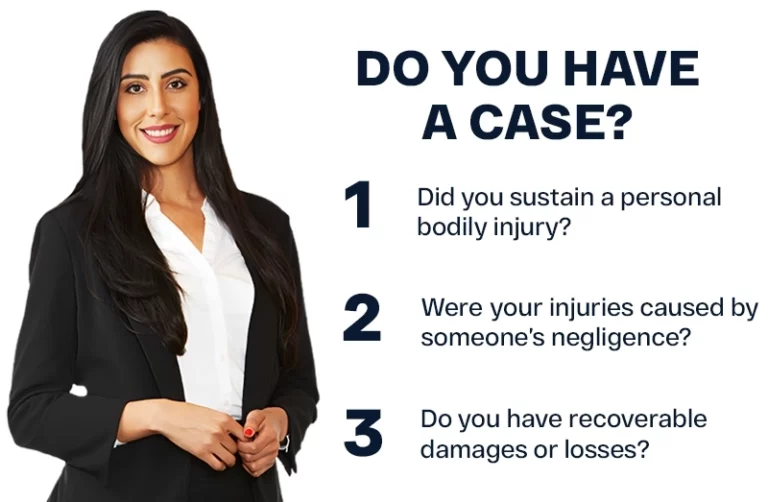
Do You Have A Case?
IF YES, You may be able to recover financial compensation. TELL US MORE:
Do you have a case?
IF YES, You may be able to recover financial compensation. TELL US MORE:

Thank You, We’ll contact you shortly.

DON'T SPEND
HOURS
SEARCHING
FOR ANSWERS
Get FREE Consultations
24 Hours Icon
24 Hours Icon