California Public Park Injury Lawyers
- PAY NOTHING UPFRONT
- OVER $0 BILLION RECOVERED
- ZERO-FEES UNTIL WE WIN
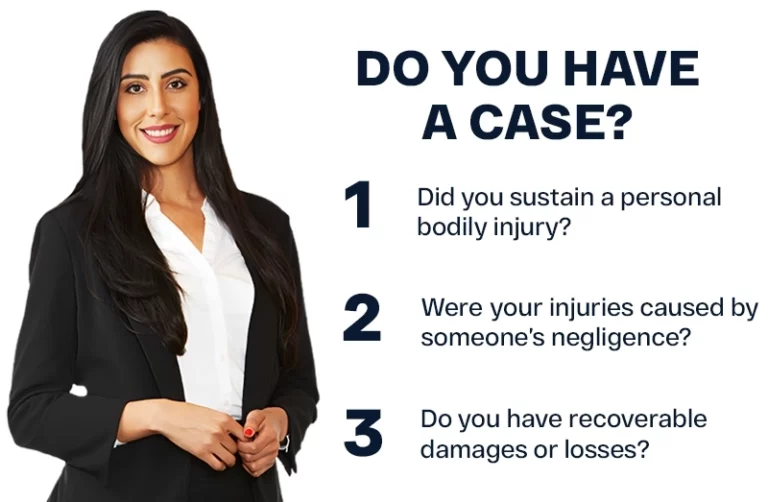
We’ll review what happened and tell you what options may be available.
Or, get LIVE help now — call our free 24-hour accident hotline at (888) 488-1391
From Confusion To Clarity — Let Our Public Park Injury Lawyers Help Explain Your Rights.
In California, injuries that occur in public parks are subject to premises liability law, but different rules apply when the property is owned or maintained by a government entity. Cities, counties, and the State of California have a duty to take reasonable steps to keep public parks safe for visitors. If a dangerous condition exists and the responsible agency fails to address it or warn the public within a reasonable time, an injured person may have the right to seek compensation.
Injuries in public parks can quickly disrupt daily life. A fall on a cracked walkway, a playground accident, or an injury during a crowded summer event can result in medical visits, missed work, and lasting physical limitations. California law allows recovery in certain situations, but you must meet specific legal requirements and filing deadlines. Public park injury lawyers can help you understand how these time limits and procedural rules apply to your situation.
Why Public Park Injury Cases In California Are Different
Public park injury cases in California follow a different legal process than injuries on private property. Most parks are owned or controlled by a public agency rather than a private company. Therefore, your claim must meet the requirements of the California Government Code and the Government Claims Act, not just general negligence rules.
You must show that a dangerous condition existed on public property and that the government agency knew or should have known about it but failed to act reasonably. In most situations, you must also file a formal government claim within six months of the incident.
Several California-specific factors influence how courts and insurers evaluate these cases:
- Government Ownership & Control — Different public agencies control various parks, and sometimes even different sections of the same park. Identifying the correct entity is necessary before a claim can begin. Examples across California include:
- Griffith Park — Operated by the City of Los Angeles Department of Recreation and Parks.
- Golden Gate Park — Managed by San Francisco Recreation and Parks.
- Balboa Park — Overseen by the Parks and Recreation Department of the City of San Diego, with private institutions inside.
- Irvine Regional Park — Maintained by Orange County (OC) Parks.
- William Land Park — Operated by the City of Sacramento’s Department of Parks and Recreation.
- Lake Tahoe State Park Areas — Managed by California State Parks.
Responsibility can vary within the same park, including playgrounds, restrooms, parking lots, trails, and event spaces. You must file a claim with the correct agency within the legal deadline before you can file a lawsuit.
- California’s Dangerous Condition Legal Standard — Public park cases often rely on the state’s Government Code. Liability generally requires proof that:
- A dangerous condition existed on public property.
- The public entity knew or should have known about it.
- The entity failed to take reasonable steps to address or warn about it.
Courts evaluate inspection schedules, maintenance records, prior complaints, and the length of time the condition existed before the incident. They also review whether the condition created a reasonably foreseeable risk of the type of injury that occurred.
- Natural Terrain Vs. Man-Made Hazards — California parks feature rugged terrain, hiking trails, and coastal areas. In locations such as Point Lobos State Natural Reserve, Mount Tamalpais State Park, and Anza-Borrego Desert State Park, agencies may claim immunity for injuries resulting from natural conditions, such as uneven dirt paths, exposed roots, loose gravel, or rocky surfaces. In contrast, courts and insurers evaluate hazards from damaged structures, broken railings, unsafe playground equipment, or poor maintenance differently.
- High-Traffic Urban Parks & Permitted Events — Many parks host concerts, festivals, youth sports leagues, and city-sponsored events. Venues include:
- Pershing Square in downtown Los Angeles
- Mission Dolores Park in San Francisco
- Waterfront Park in San Diego
- Cesar Chavez Park in Berkeley
- Lake Merritt in Oakland
Injuries during these events may involve loose cables, unstable staging, poor crowd control, vendor equipment, or inadequate lighting. In those situations, liability may extend beyond the city to private event organizers, rental companies, or security contractors. Reviewing these cases frequently requires examining permits, site diagrams, and event safety requirements to determine responsibility.
- Law Enforcement Involvement — Law enforcement or park officials may respond to the scene when a serious injury happens. Depending on the location, the following agencies may respond:
- City police departments, like the San Francisco Police Department and the Sacramento PD.
- County sheriff’s departments, such as the LA County Sheriff’s Department and the San Diego County Sheriff’s Office.
- California State Park rangers, including rangers at Big Basin Redwoods State Park and Huntington Beach State Park.
- Local fire departments and EMS responders, like the LAFD and Long Beach Fire Department.
Their role is to document what occurred, secure the area if necessary, and prepare official reports. These agencies do not determine liability, but their reports can be used as evidence in a claim.
If you decide to proceed with a lawsuit after complying with the Government Claims Act, you must generally file the case in the California Superior Court in the county where the injury occurred. The court will have jurisdiction over the public entity responsible for the park. Filing in the proper venue is an essential procedural step once the administrative claim process is complete.
Some Superior Courts in counties with major public parks:
- Los Angeles County Superior Court — Serving areas that include parks such as Echo Park Lake and Kenneth Hahn State Recreation Area.
- San Diego County Superior Court — Covering claims arising from locations like Sunset Cliffs Natural Park and Kate Sessions Park.
- Orange County Superior Court — Handling cases involving parks such as Mile Square Regional Park and Craig Regional Park.
- Alameda County Superior Court — Serving communities with parks like Tilden Regional Park and Shoreline Park in Hayward.
- Santa Clara County Superior Court — Covering areas that include Alum Rock Park and Vasona Lake County Park.
Since court rules, deadlines, and service requirements apply once litigation begins, careful preparation is critical. Public park injury lawyers can determine the proper venue, prepare the complaint, and manage procedural requirements so the case moves forward in compliance with the law.
Establishing Liability After An Injury In A Public Park In California
A city, county, or California agency that owns or controls a public park has a legal duty to keep the property in a reasonably safe condition for people who are lawfully there. The law does not require the park to remove every possible risk.
The agency must inspect the area, fix known hazards, or warn people if a fix is not immediate. You must also show the agency knew or should have known about the problem before the incident. These elements form the foundation of liability in public park injury claims.
However, not every public park injury involves government fault. Liability can also fall on private individuals or organizations that create or control a hazard in the park. This may include event organizers, maintenance contractors, vendors, dog owners, or companies responsible for defective equipment.
To establish liability, you must show the responsible party failed to meet a duty of care. Responsibility may fall on different parties depending on who created, controlled, or failed to fix the hazard.
A public agency (city, county, or state) may be liable for:
- Failing to repair cracked or uneven walkways after receiving complaints.
- Ignoring broken playground equipment or missing safety surfacing.
- Leaving damaged stairs, railings, or benches unrepaired.
- Failing to fix poor lighting in parking lots or restrooms.
A contractor, vendor, or event organizer may be liable for:
- Allowing temporary hazards, such as loose cables or unstable staging, to remain in place.
- Setting up unsafe event equipment or structures.
A dog owner or handler may be liable for:
- Allowing a dangerous dog to be off-leash or uncontrolled.
A manufacturer or supplier may be liable for:
- Installing or supplying defective playground or fitness equipment.
After proving a breach, you must present evidence that links the unsafe condition directly to your injury. You must show that the hazard caused the incident and that you suffered real harm. That may include medical bills, lost wages, or lasting physical limits. Clear medical and incident records are necessary to move a public park injury claim forward in California.
In some cases, more than one party may share responsibility. California’s comparative negligence rules allow fault to be divided among multiple parties based on their role in causing the injury. Each party is assigned a percentage of fault, and any compensation is reduced by that percentage. For example, if someone is found 20% at fault, their recovery is reduced by 20%, but they may still recover the remaining 80%. In these situations, legal guidance can make a meaningful difference. Public park injury attorneys can analyze inspection records and obtain maintenance logs. They can also challenge how fault was calculated and present evidence that disputes claims that you were primarily responsible for the incident.
How Insurance Applies To Public Park Injury Claims
Insurance works differently when an injury happens in a California public park. Instead of a private business insurer, claims usually involve a city, county, or state agency. Public parks often use government risk programs or shared insurance pools for coverage.
Standard coverage setups include:
- City or County Self-Insurance Programs — Local governments pay injury claims with their own public funds instead of buying a standard private insurance policy.
- California State Self-Insurance (State Parks) — State-managed parks, such as areas within Lake Tahoe State Park, are covered through state government programs.
- Joint Powers Authority (JPA) Risk Pools — JPAs are groups of public agencies that share insurance coverage by pooling money together to pay claims and legal costs.
- Third-Party Event Insurance — If the injury occurred during a permitted event at parks like Balboa Park or Mission Dolores Park, private organizers or vendors may carry separate liability insurance.
- Dog Owner’s Homeowners or Renters Insurance — Dog bite claims often go through the owner’s policy rather than the park’s coverage.
Public agencies and their insurers may challenge a claim for several reasons. In plain terms, they may argue:
- The Area Was Natural Terrain — Parks include dirt trails, grass, and uneven ground that are not always considered hazards under the law.
- The Danger Was Easy to See — If a risk was obvious, the agency may argue people should have avoided it.
- They Did Not Know About the Problem — Liability often depends on whether the agency knew or should have known about the hazard.
- The Injured Person Was Not Careful — They may claim the person ignored signs, rules, or surroundings.
- The Condition Was Not Legally “Dangerous” — California law has a specific standard for what counts as a dangerous public condition.
- The Dog Was Controlled by Its Owner or Handler — Dog bite claims usually go through the dog owner’s insurance, not the park’s coverage.
Claims can also take time. Agencies check whether the claim was filed on time and review maintenance records, inspection logs, and past complaints. Approval steps within government offices can slow decisions. If more than one agency or contractor is involved, it can take longer to determine who is responsible.
(No guarantee of outcome. Results displayed were dependent on unique facts of that case, and different facts will bring different results.)
What Typically Happens After A Public Park Injury Claim Begins
When a public park injury claim begins in California, the process follows specific government procedures and court rules.
- You seek medical treatment, and healthcare providers document your injuries and diagnosis.
- You identify the correct public agency based on who owns or controls the area of the park where the injury occurred.
- You file a formal government claim with the appropriate city, county, or state agency within six months of the incident.
- The public entity reviews the claim, gathers maintenance and inspection records, and issues a written decision.
- Both sides may engage in settlement discussions if the agency considers resolving the case without litigation.
- You may file a lawsuit in the appropriate California court if the agency rejects the case or fails to resolve it within the required time.
Once the case moves into litigation, strict court deadlines and procedural rules apply. Public park injury lawyers can help draft and file the complaint in the proper court. They handle service on the government entity and complete each required procedural step within the applicable deadlines.
Compensation Available In Public Park Injury Cases
If you establish liability against a public entity in California, you may recover compensation for the losses caused by the injury. The goal of damages is to address the harm you actually suffered.
Compensation may include:
- Medical Expenses — Emergency room care, hospital bills, surgery, medication, physical therapy, and follow-up treatment.
- Future Medical Costs — Ongoing care, rehabilitation, or long-term treatment needs.
- Lost Wages — Income you lost while recovering and unable to work.
- Loss of Earning Capacity — Reduced ability to earn income if the injury causes permanent limitations.
- Out-of-Pocket Expenses — Transportation to medical visits, medical equipment, or home modifications.
In some cases, you may also recover non-economic damages, such as pain & suffering, emotional distress, and loss of enjoyment of life. The type and amount of damages available depend on the facts of your case.
The value of a public park injury claim depends on the severity of the injury, the length of recovery, and the long-term effects on work and daily activities. Clear medical records, wage documentation, and treatment history play a central role in determining the amount recoverable.
Severity Of Public Park Injuries
Injuries in public parks in California can be minor or severe. Some people heal in weeks, while others suffer lasting physical or emotional harm that affects daily life. A fall on concrete, broken equipment, or uneven ground can cause injuries that limit your ability to work, move, or care for your family.
Severe injuries may include:
- Traumatic brain injuries and concussions.
- Broken hips, wrists, or ankles.
- Spinal disc injuries or nerve damage.
- Internal injuries from hard falls.
- Deep lacerations, puncture wounds, or infections from dog bites.
- Permanent scarring or nerve damage from animal attacks.
- Permanent mobility loss.
Playgrounds help children build confidence, coordination, and social skills. However, when equipment is broken, guardrails are missing, or safety surfacing is worn down, children can get seriously hurt. Nearly 211,000 children in the U.S. go to emergency rooms each year because of playground-related injuries.
For a child, a fracture involving a growth plate can interfere with bone development. A head injury at a young age may affect learning, memory, behavior, or coordination. Dog bites can also cause emotional trauma in children, including fear of animals or outdoor spaces. These injuries can impact school performance and long-term growth.
Adults may experience chronic pain, reduced earning capacity, or permanent work restrictions. Some people develop anxiety, sleep disturbances, or a fear of returning to public spaces. When mobility is limited, even routine tasks can become difficult.
The severity of the injury directly affects medical treatment, recovery time, and the overall impact on your quality of life. In more serious cases, rehabilitation, surgery, or ongoing chiropractic care and therapy may be required. Lawyers evaluate these long-term effects when assessing the value and legal strength of a public park injury claim.
Common Causes Of Public Park Injuries
Public parks should be safe places to relax, exercise, and spend time with family. When maintenance is neglected or safety measures are ignored, you may suffer serious harm. Many park injuries are not caused solely by nature; they occur because a hazard was created, overlooked, or left unaddressed.
Among these causes are:
- Broken swings, rusted chains, missing guardrails, or unsafe surfaces.
- Weak, dead, or aging tree branches that fall without proper inspection or trimming.
- Unsecured or unmarked construction zones with exposed debris or equipment.
- Deep sinkholes or hidden ground depressions in grassy areas.
- Cracked sidewalks, lifted pavement, or uneven walking paths.
- Broken handrails, unstable benches, or damaged stairs.
- Poor lighting in parking lots, pathways, or restroom areas.
- Dog bites or animal attacks, often involving off-leash or uncontrolled dogs.
California parks also contain natural terrain, including dirt paths, exposed roots, and uneven ground. However, many serious injuries occur when preventable hazards are ignored. You may have the right to pursue a claim if an agency fails to fix or warn about a dangerous condition and you were injured as a result.
What Our Public Park Injury Lawyers Do For Accident Victims
After a serious park injury, many people think, “I need a personal injury lawyer.” Public park claims in California involve government agencies, strict six-month deadlines, and detailed proof requirements. The process can be confusing, especially when you are also dealing with medical treatment and lost income.
Our attorneys who handle injury accidents help you by:
- Identifying the correct government agency or responsible party.
- Filing claims within the six-month deadline when a public entity is involved.
- Collecting maintenance and inspection records.
- Preserving video and witness evidence.
- Addressing comparative fault arguments.
- Documenting injuries from falls, equipment failures, or animal attacks.
- Obtaining animal control and vaccination records when relevant.
- Evaluating insurance coverage that may apply.
- Calculating long-term medical and income losses.
Once representation begins, clients receive ongoing guidance and clear communication throughout the claims process, including access to free accident lawyer advice as part of the case strategy and legal support.
Frequently Asked Questions About Public Park Injuries In California
Public park injury claims involve questions about case value, shared fault, payment sources, and legal fees. The answers below address the financial issues that most commonly arise in California public park cases.
How Much Is A Public Park Injury Case Worth In California?
The value of injury claims in California depends on several factors. Courts and agencies consider the severity of the injuries, the cost of medical treatment, lost wages, and whether there are long-term or permanent limitations. Cases involving surgery, permanent disability, or reduced earning capacity generally result in higher compensation than injuries that heal without lasting effects.
Public park injury lawyers help by reviewing medical records, calculating total financial losses, and, when necessary, projecting future treatment costs. They also gather maintenance records and other evidence to support liability against the public entity.
What If The City Says The Hazard Was Obvious?
If the city argues that the hazard was open and obvious, it does not automatically end your claim. In California, a public entity may still be liable if it should have anticipated that people would encounter the danger despite its visibility.
Courts consider the full context. They examine lighting, crowd conditions, distractions, prior complaints, and whether the park should have repaired the condition or provided a warning. Even if a court finds you partly at fault, California’s pure comparative fault rule may still allow recovery, though your assigned percentage of responsibility can reduce the amount.
Do I Have To Pay Up Front To Hire A Lawyer For A Public Park Injury Case?
Most personal injury lawyers handle public park cases on a contingency fee basis. You generally do not pay legal fees up front. If you ask, “Do lawyers only get paid if they win?” under this structure, the answer is yes. The attorney receives a percentage of the recovery if the case succeeds. You can review and discuss the fee agreement with your lawyer before signing.
Contact Our California Public Park Injury Lawyers
Public parks should be places for recreation, not recovery rooms. When unsafe conditions or neglected hazards cause harm, California law may allow you to hold the responsible public agency accountable. Strict deadlines and government claim rules apply, so prompt action is essential.
Arash Law represents individuals injured in public parks throughout California, including cases involving cities, counties, and state agencies. We prepare and file government claims, gather maintenance and inspection records, review incident reports, and address disputes raised by public entities and their insurers. Our team manages the legal process so you can focus on your medical care and recovery.
To get started, call our public park injury attorneys at (888) 488-1391. We offer free initial consultations.