California Sports Injury Lawyers

  • PAY NOTHING UPFRONT
  • OVER $0 BILLION RECOVERED
  • ZERO-FEES UNTIL WE WIN
Recover Lost Wages, Property Damage, and Medical Bills.
Arash Law Practice Area Border/Divider

We’ll review what happened and tell you what options may be available.

Or, get LIVE help now — call our free 24-hour accident hotline at (888) 488-1391

Table of Contents

California Sports Injury Lawyers Helping Clients Understand Their Rights

In California, sports injury claims fall under personal injury law and usually rely on negligence. Sports injury lawyers can also assess whether other legal principles, such as premises liability, product liability, or intentional conduct, apply to the case.

Some injuries happen during ordinary play. Others occur when unsafe conditions, inadequate supervision, or faulty equipment increase the risk beyond what participants reasonably expect. When a sports injury occurs during practice, a game, or an organized event, an injured person may have the right to pursue compensation under state law. These injuries can disrupt daily activities, limit your ability to work, and affect movement or independence.

Why Sports Injury Cases In California Are Different

Sports injury cases in California extend beyond incidents on the field, court, rink, or track. Many injuries occur in school athletic programs, public recreation facilities, youth leagues, and large venues associated with California’s professional and collegiate sports culture. These activities are governed by a combination of state regulations, education codes, public entity rules, and safety standards that determine how responsibility is assessed.

Injuries related to California sports settings may occur at or near:

  • SoFi Stadium in Inglewood, home to the Los Angeles Rams and Los Angeles Chargers.
  • Dodger Stadium and the surrounding recreational complexes.
  • The Chase Center in San Francisco, home to the Golden State Warriors.
  • Oracle Park, Staples Center, and university athletic facilities throughout the UC and CSU systems.

Several state-specific factors affect these claims, including:

  • Assumption of Risk — California uses a “primary assumption of risk” doctrine in many sports cases. Players accept certain risks as part of the game. A claim usually depends on whether a coach, school, or another party increased the risk beyond that of normal play.
  • Liability Waivers — Gyms, leagues, and camps commonly use waivers. Many injured people ask, “Are liability waivers enforceable?” or “Do liability waivers hold up in court?” In California, courts do not treat these documents as automatic protection. Judges review the wording and the conduct involved. When actions reach the level of gross negligence, the waiver does not excuse liability.
  • Public Entity Deadlines — Many injuries happen at public parks or schools. Claims involving public agencies must follow the California Government Claims Act. This law may require notice within six months of the injury. It applies to areas such as:
    • Los Angeles Unified School District
    • San Diego Unified School District
    • San Francisco Recreation and Parks
  • Sports Concussion Rules — Schools and youth programs must remove athletes from play if a concussion is suspected. Under the sports injury law, they cannot return without written clearance from a licensed health care provider. Many cases involve California Interscholastic Federation programs, where return-to-play decisions are closely reviewed.
  • Evidence Challenges — Proving what happened can be difficult because evidence may not last long. Common issues include:
    • Video Footage — Gyms, fields, and venues may overwrite surveillance recordings within days or weeks.
    • Incident Reports — Schools and organizations often use internal reporting procedures for incidents. Unfortunately, these can delay access to crucial information.
    • Witness Accounts — Teammates, spectators, and coaches usually leave right after games or tournaments. This habit makes it harder to gather follow-up accounts and insights.

After an injury, these rules play out in everyday California sports settings. Claims may involve CIF-regulated school programs, school athletic departments, or city risk management offices. When an injury is serious, emergency responders may transport the victim to regional trauma centers such as:

  • Ronald Reagan UCLA Medical Center
  • Stanford Health Care
  • UC Davis Medical Center
  • Kaiser Permanente

Medical providers at these facilities document the injury, and those records later serve as key evidence. If the claim involves a public entity, you must first submit a claim to the agency. Any lawsuit that follows must be filed in the County Superior Court where the injury occurred.

How To Prove Liability In California Sports Injury Cases

Proving liability in California sports injury cases requires that another party caused harm by going beyond the normal risks of the activity. The law evaluates these claims through the following common legal principles:

Negligence

Negligence is the most common basis for liability in California sports injury cases. It applies when a person or organization fails to use reasonable care, and that failure causes injury. In sports settings, it may involve coaches, schools, gyms, facility owners, event organizers, or supervisors.

To prove this principle, you must show four elements:

  • Duty of Care — The responsible party must have owed a duty to act with reasonable care. That duty depends on their role. For instance:
    • Coaches must supervise players and avoid unsafe situations.
    • Schools must monitor student athletes and maintain safe facilities.
    • Gyms and venues must keep equipment and common areas safe.
    • Event organizers must plan activities with reasonable safety measures.
  • Breach of Duty — A breach occurs when that duty is violated and the risk of injury increases. Negligence in sport includes:
    • Allowing a player with concussion symptoms to continue playing.
    • Providing outdated or poorly fitting safety equipment.
    • Failing to mark wet floors or repair damaged seating.
  • Causation — The unsafe conduct or condition must directly cause your injury. You can prove this connection with evidence such as:
    • Medical records
    • Video footage
    • Witness statements
    • Facility or incident reports
  • Damages — The injury must result in actual losses, which may include:
    • Physical injuries
    • Medical expenses
    • Missed work or lost income
    • Pain and emotional distress
Premises Liability

Premises liability applies when an injury occurs on property controlled by another party. It could be a gym, a stadium, a school, or a sports complex. Owners and operators must keep their premises reasonably safe for athletes, spectators, and staff.

A premises liability claim may arise when:

  • The owner fails to repair known hazards.
  • Dangerous conditions remain unmarked or unaddressed.
  • Poor maintenance leads to slips, falls, or structural failures.
Product Liability

Product liability is applicable if the following issues lead to an injury:

  • Design Defects — The product is unsafe by design. For example, a helmet may not absorb impacts as required by safety standards.
  • Manufacturing Defects — The product does not match its intended design. For instance, protective gear may crack or break due to weak materials.
  • Failure to Warn — The product lacks proper safety instructions. As an example, equipment may not warn users about limits on use, fit, or required protective gear.

In these cases, you do not need to prove negligence. Instead, you must show that the product was defective and caused harm during intended or foreseeable use.

Intentional Torts

In limited cases, injuries result from conduct that goes beyond accepted sports risks. When a party acts recklessly or intentionally, assumption of risk may not apply.

For example, during a basketball game, a player may throw a punch after the play stops. Physical contact is part of basketball, but deliberate violence is not. Such actions go beyond normal play and may support a legal claim.

Potential Liable Parties In Sports Injury Cases

More than one party may be legally responsible for a sports injury. Liability depends on who controlled the activity, equipment, or location at the time of the accident.

Potentially liable parties include:

  • Coaches and supervisors who fail to properly supervise, train, or protect participants.
  • Schools and school districts that allow unsafe conditions, inadequate supervision, or protocol violations.
  • Gyms and sports facilities that do not maintain safe equipment or premises.
  • Event organizers and league operators who conduct activities without proper safety measures.
  • Property owners, including city or county park operators, who fail to address hazards.
  • Manufacturers of sports equipment, if defective or unsafe products cause injury.
  • Other participants whose reckless or intentional actions exceed the bounds of normal play.
$41,950,000.00
A $41.95 million verdict for customers attacked inside a Walmart after a baseball bat left on the sales floor was used in the assault. A jury found Walmart partially responsible based on the evidence presented at trial.
Do I Have A Case
$17,900,000.00
A $17.9 million unanimous verdict against the County of Los Angeles involving two clients harmed in a serious crash. The jury determined the County was entirely at fault after a hard-fought trial that highlighted the clients’ long-term medical needs and the County’s denial of responsibility.
Do I Have A Case
$3,500,000.00
A $3.5 million verdict for a client who suffered a traumatic brain injury in a 2017 collision. Before trial, the insurer initially offered $18,500 and later increased the offer to $300,000. After hearing medical testimony and evidence of the victim’s ongoing symptoms, the jury awarded damages for past and future pain and suffering and future medical care.
Do I Have A Case

(No guarantee of outcome. Results displayed were dependent on unique facts of that case, and different facts will bring different results.)

How Insurance Applies In California Sports Injury Claims

The role of insurance in California sports injury cases is paramount from the outset. Before discussing case value, insurers focus on figuring out who is responsible for the incident. They also determine which insurance policy applies in that situation. These decisions can affect how quickly a claim progresses and whether payment is delayed.

Depending on how the injury happened, coverage may come from one or more of the following:

  • General liability insurance for gyms, leagues, facilities, and event organizers.
  • Premises liability insurance for property owners and venue operators.
  • Product liability insurance, if it involves defective sports equipment.
  • Auto insurance, if the incident involves a vehicle, such as in parking lots or drop-off areas.
  • Workers’ compensation in work-related sports settings, including paid staff or certain professional roles.

After identifying the appropriate coverage, insurers may raise defenses to limit or deny responsibility, such as:

  • “You assumed the risk by participating.”
  • “You signed a waiver.”
  • “The injury happened during normal play.”
  • “The injury existed before the incident.”
  • “You waited too long to seek treatment.”

Since these arguments come up early, clear proof of unsafe conditions or increased risk can affect how insurers review a California sports injury claim.

Accident victim reviewing medical and insurance documents during injury recovery
Sandra Bernabe
Sandra Bernabe
Arash Law firm is been an amazing advocate for me in my case. They truly care about you and your needs. Especially my case manager Cynthia Gracia; she’s amazing at what she does. Always ensures to make sure any questions I have are answered and keeps me updated on my case as soon as possible. Super easy communication and response time! Would definitely recommend to others!
Stephen Watson
Stephen Watson
I highly recommend Arash Law, if I could give them more than 5 stars I would give them 10. The staff, particularly Arlene, is outstanding and very responsive, professional, and most of all kind-hearted. They advocated for me and my girlfriend after an auto accident and were superb. They got us 25 times what the insurance company originally offered. In addition to everything else, they were fast and efficient. Not to mention very honest and up-front about what to expect and the range of possible outcomes. Again, I highly recommend this firm and had the best experience i could have imagined. They actually surpassed my hopes and I consider them to be my friends, especially Arlene. Do not hesitate to contact them, you will not be disappointed. Steve W.
Pearl
Pearl
My experience with Arash Law has been outstanding from the start. Their team Cristina and Oscar are incredibly knowledgeable, consistently providing clear explanations and well-informed guidance that has made every step easy to understand. They have also been exceptionally helpful, always quick to respond and willing to go the extra mile to make sure I feel supported. Arash Law handles everything with professionalism and confidence, which gives me that peace of mind and has made a situation that could have been overwhelming feel manageable. Overall, Arash Law delivers excellent service, expert advice, and a truly smooth experience. I highly recommend them to anyone looking for reliable, caring, and effective legal support.
Catherine Davis
Catherine Davis
Great representation, my case representative, Arlene Perez, is wonderful. She explained everything in detail about how injury law suits work. She is prompt in returning messages, shows genuine concern for my well being, and she is very knowledgeable and eager to help. Without having met anyone from the Arash team in person, I can honestly say that this law group takes care of business. Perhaps this is why this firm is one of the best who also represent people from small rural communities, such as myself. Yes, I 100% recommend, you cannot go wrong with this awesome team of experts. They will fight, unwavering, to win cases. Thank you, Arash Legal Group ! You rock !!
Santos Hernandez
Santos Hernandez
Great experience with Arash Law. A big thank you to Erick Ordonez for his professionalism and support. He helped close my case quickly and kept everything transparent. Highly recommend.
Looking for help with our Sports Injury attorneys?

What Typically Happens After A Sports Injury Claim Begins

Once a sports injury claim begins in California, the process typically follows a clear pattern. The steps depend on where the injury occurred, who may be responsible, and how insurers and public agencies respond.

Below is a general outline of how these claims proceed:

  1. You receive medical care first. Doctors record your injuries, symptoms, and treatment. These records help show when the injury happened and how serious it is.
  2. You report the injury to the school, gym, league, or facility. Many locations require a written incident report. Public locations may also involve city or county offices.
  3. You gather photos, video footage, facility records, and witness information as soon as possible. By doing so, you can preserve evidence before it gets deleted or overwritten.
  4. Insurers review the incident to identify the correct insurance. Coverage may include facility liability insurance, product coverage, or government claim procedures.
  5. Insurers may dispute responsibility. They usually raise defenses such as assumption of risk or signed waivers.
  6. Your sports injury claim moves toward resolution. Some cases settle through negotiation. Others move into litigation when responsibility remains disputed.

If you decide to take legal action, you must file the case in the County Superior Court where your sports injury took place. The appropriate court depends on the location of the accident and may include:

  • Los Angeles County Superior Court
  • Orange County Superior Court
  • San Diego County Superior Court
  • Santa Clara County Superior Court
  • Alameda County Superior Court
  • Riverside County Superior Court

Your Time Limits For Filing A Lawsuit Involving A Sports Injury In California

In California, the general deadline to file a lawsuit for a sports injury is two years from the date of the accident. However, several important exceptions can shorten or pause this time limit:

  • Minors — The two-year filing period usually begins when the injured person turns 18.
  • Mental Incapacity — The statute of limitations begins once the injured person regains the ability to understand or act on their legal rights.
  • Delayed Discovery — The filing period may begin when the injury is reasonably discovered and linked to the accident.
  • Public Entities — Claims involving public schools, city parks, or other government facilities usually require a government claim within six months of the injury.

Since many sports injuries occur at schools or public facilities, missing the correct deadline can prevent you from filing a lawsuit or seeking compensation.

Severity Of Sports Injuries

A sports injury can change your life in ways you did not expect. It may disrupt school, limit your ability to work, and affect daily routines. Some injuries heal with time. Others leave lasting physical and emotional effects that require ongoing care.

California sports injury claims typically involve:

Traumatic Brain Injuries And Concussions

Concussions can affect memory, focus, sleep, and mood. You may struggle to keep up at school or perform at work long after the injury. Research shows nearly 300,000 sports-related concussions occur each year in the U.S., with football as a leading cause among youth athletes.

Repeated head impacts raise serious concerns. A study found over 40% of young athletes under 30 who played contact sports had signs of chronic traumatic encephalopathy (CTE). It’s a brain condition linked to repeated head trauma. This brain disease is linked to long-term cognitive changes and emotional disturbances that can affect daily life.

Spinal & Nerve Injuries

Spinal and nerve injuries can cause lasting pain and reduced mobility. You may find it hard to walk, lift, or sit for long periods. Sports that involve falls or heavy contact, such as football, wrestling, rugby, and gymnastics, place intense stress on the spine. These injuries can reduce independence and limit work ability.

Major Joint Injuries

Knee and shoulder injuries can make everyday tasks painful. Basketball, soccer, and football commonly cause ACL tears, meniscus injuries, and shoulder dislocations.

A study of injuries in the National Basketball Association (NBA) found that lower-extremity injuries accounted for 62.4% of all injuries. Victims of these incidents may require surgery and extended rehabilitation before they can return to normal activities.

Fractures & Facial Injuries

Broken bones and facial injuries often require emergency treatment and follow-up care. Sports injuries account for about 4.3 million emergency room visits each year. Basketball is one of the leading causes. Many victims require surgery and time away from work or school. Some also undergo dental procedures and facial surgery. As a result, many victims experience reduced confidence in daily and social settings.

Heat Illness And Exertion-Related Collapse

Heat illness can develop rapidly during athletic activity and become life-threatening. Athletes may experience dizziness, confusion, collapse, or organ stress during intense practices, training camps, or conditioning sessions, especially in hot weather. These injuries often occur when rest breaks, hydration, acclimatization, or medical supervision are inadequate.

Injuries To Children And Youth Athletes

When a child suffers a sports injury, the impact reaches beyond medical care. They may miss school, fall behind academically, or lose confidence in sports they once enjoyed. Research shows 80% of soccer injuries affect athletes under age 24. Of those, approximately 44% occurred in participants aged 15 or younger. Concussions in youth soccer often occur during ball heading. These risks raise concerns for developing brains and long-term learning.

Severe sports injuries in California often require long-term care and support. For many victims and families, the impact goes far beyond medical bills and affects daily life, education, and future plans.

Athlete clutching knee in pain during outdoor sports training session

Damages Available For California Sports Injury Victims

California law allows sports injury victims to seek compensation when another party causes harm. The goal is to address how the injury affects their finances, well-being, and daily life.

California sports injury claims may include the following types of damages:

  • Economic Damages — These losses reflect the direct costs tied to your injury. These damages focus on expenses you can track, such as:
    • Medical treatment, including hospital care, surgery, and rehabilitation.
    • Ongoing or future medical care related to the sports injury.
    • Missed work and lost income during recovery.
    • Reduced earning capacity if the injury limits future work.
  • Non-Economic Damages — Some losses affect your life but do not come with bills or receipts. These impacts may include:
    • Physical pain and discomfort
    • Emotional strain and stress
    • Loss of enjoyment of life
  • Punitive Damages — In rare situations, courts may award additional sums when conduct goes beyond carelessness. These awards apply when a party acts with gross negligence or intentional harm. The purpose is to punish unsafe behavior and discourage similar actions.

A sports injury claim should reflect the full impact of what you experienced. That includes both the immediate harm and the long-term changes to your life, not just the initial costs.

What Our California Lawyers Can Do For Sports Injury Victims

After a sports injury, questions about responsibility, evidence, and next steps can arise quickly. Legal support at this stage focuses on clarity, organization, and the protection of your legal rights.

Our injury attorneys can help you by:

  • Identifying parties who may be legally responsible.
  • Preserving key evidence before it disappears.
  • Reviewing waivers and assumption-of-risk issues.
  • Organizing medical records and injury timelines.
  • Calculating losses related to medical care, missed income, and daily life limitations.
  • Managing insurance communications and settlement discussions.

Questions A California Sports Injury Law Firm Can Help Answer

Below are clear answers to common questions people ask after a sports-related accident.

The timeline of your sports injury case depends on the specifics of the injury and the case’s progression. Some take several months to resolve, while others linger for a few years.

Several factors affect this progress period, including:

  • Injury Severity — Serious injuries require more treatment time before the full impact is known.
  • Medical Recovery — Doctors may wait until your condition stabilizes before assessing long-term effects.
  • Disputed Liability — Insurance companies may contest fault, waivers, or assumption of risk.
  • Multiple Responsible Parties — Claims involving schools, leagues, or facility owners require additional review.
  • Public Entities — Cases involving public schools or city facilities follow special procedures that can slow the process.

A sports injury lawyer can help by organizing records, tracking deadlines, and responding to insurer delays. Clear documentation and early review can help the case move forward.

Yes. You may still have a case even if the insurance company says you share some fault for the sports injury. California follows a comparative fault rule. This principle means you can still recover compensation even if you were partly responsible. The law reduces the amount based on your share of fault.

Legal help matters because insurers may assign more blame to reduce what they pay. A sports injury attorney can review the facts of your situation. They can then challenge unfair fault claims and explain how shared responsibility affects your case.

Yes. It’s still a good idea to consult a personal injury lawyer even if the insurance company has already made an offer. Their initial offer may not reflect the full impact of your injuries or future costs.

You may want to speak with a lawyer for a sports injury because:

  • The offer may not cover future medical care or lost income.
  • Accepting an offer usually ends your right to seek additional compensation.
  • The insurer may reduce the claim based on waivers or the assumption of risk.
  • More than one party may share responsibility for the injury.
  • An attorney can review whether the offer matches your actual losses.

In most cases, yes. Sports injury lawyers in California who work on a contingency fee basis only receive payment if the case results in a settlement or court award. Under this arrangement, you do not pay attorney’s fees up front. The lawyer takes a percentage of the recovery at the end of the case. If they fail to recover compensation, they do not collect legal charges.

Speak With An Experienced California Sports Injury Lawyer

If a sports injury has affected your health, work, or daily routine, speaking with a lawyer can help you understand your available options. Our knowledgeable California sports injury lawyers can analyze the circumstances surrounding your injury. We can then explain how state law applies and clarify the next steps based on your situation. This conversation can help you make informed decisions while you focus on recovery.

Arash Law attorneys represent clients in Los Angeles County, Orange County, San Diego County, Santa Clara County, Alameda County, and throughout California. If travel is difficult due to your injury, we can discuss flexible ways to connect and review your case. To discuss your situation, call (888) 488-1391.

Arash Khorsandhi
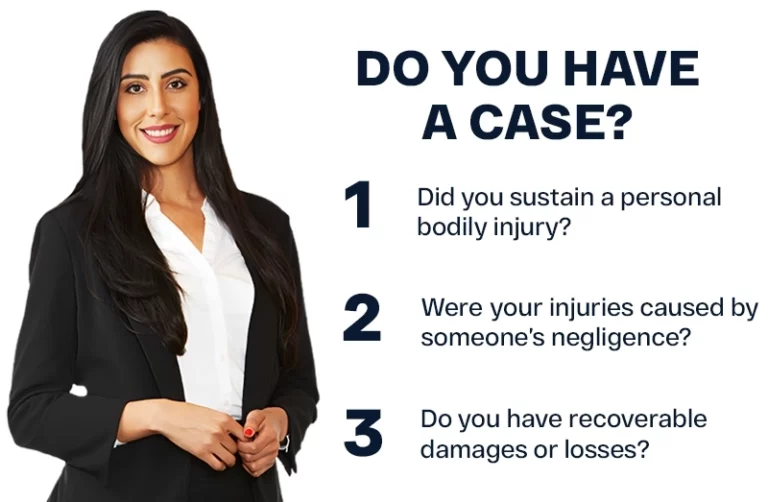
Do You Have A Case?
IF YES, You may be able to recover financial compensation. TELL US MORE:
Do you have a case?
IF YES, You may be able to recover financial compensation. TELL US MORE:

Thank You, We’ll contact you shortly.

DON'T SPEND
HOURS
SEARCHING
FOR ANSWERS
Get FREE Consultations
24 Hours Icon
24 Hours Icon