
Richmond Lyft Accident Lawyers
We’ll review what happened and tell you what options may be available.
Or, get LIVE help now — call our free 24-hour accident hotline at (888) 488-1391
Our Richmond Lyft Accident Lawyers Offer Legal Support Following A Rideshare Crash
After a Lyft collision, California law does not just look at what happened; it looks at how it happened. Many cases turn on negligence, meaning a driver’s lack of reasonable care on the road contributed to another person’s injuries. When a Lyft crash in Richmond leads to injuries, the injured person may have the right to pursue compensation for medical bills, lost income, and other related losses.
In Richmond, many Lyft trips involve short city rides, BART connections, or travel along corridors like San Pablo Avenue and the I-80 ramps. When a collision happens during what should be a routine ride, it can disrupt work, appointments, and daily responsibilities. California personal injury law allows people to seek recovery when another driver’s negligent actions contribute to that harm, a legal issue Richmond Lyft accident lawyers handle under state negligence standards.
Why Lyft Accident Cases In Richmond Are Different
Lyft accident claims in Richmond are often more complex than standard car accidents because of how rideshare liability and insurance coverage work. Lyft drivers are classified as independent contractors, and the company’s responsibility depends heavily on the driver’s app status at the time of the crash. Coverage rules change depending on whether the driver was offline, waiting for a ride, en route to a pickup, or carrying a passenger.
Local conditions in Richmond also shape where and how these accidents occur and how claims unfold afterward.
Some key elements that make Lyft accident cases in Richmond unique include:
- Heavy Lyft Use Around BART — Many Lyft trips begin or end at the Richmond BART station, AC Transit hubs, and park-and-ride lots. Frequent pickups and drop-offs near active traffic lanes can increase the risk of sudden stops, unsafe curbside loading, or mid-block pickups.
- Freeway and Bridge Traffic Patterns — Richmond sits at the junction of I-80, I-580, and the Richmond–San Rafael Bridge. Lyft drivers often navigate high-speed merges and heavy commute traffic, where chain-reaction collisions and lane-change disputes are more common.
- Industrial and Port Activity — The Port of Richmond, refinery zones, and warehouse corridors generate regular truck traffic on roads such as Richmond Parkway and Harbour Way. Rideshare vehicles sharing space with commercial trucks can face visibility and stopping-distance challenges.
- Medical Treatment Routes — After a crash, injured riders often get treated at nearby facilities such as Kaiser Permanente Richmond Medical Center or Contra Costa Regional Medical Center. The place where you receive treatment can affect your medical records, how bills are processed, and how insurers judge how severe the injury is.
- Local Reporting and Evidence Issues — The Richmond Police Department may handle collisions on local streets, while the California Highway Patrol typically handles freeway crashes. Report availability, traffic camera coverage, and business surveillance footage vary by location and can influence the strength of evidence.
These Richmond-specific factors can affect how fault is analyzed, what evidence is available, and how insurance carriers respond to a Lyft injury claim.
(No guarantee of outcome. Results displayed were dependent on unique facts of that case, and different facts will bring different results.)
Understanding Lyft’s Insurance Policy
Lyft insurance rules depend on whether the driver is logged into the app or carrying a passenger. These layered policies are similar to coverage questions Uber accident lawyers often address in rideshare claims. Each case results in a different amount of coverage, so understanding how Lyft’s rules function can help establish where support may come from. Lyft’s platform provides third-party liability insurance; however, the coverage limitations differ.
- The driver’s liability insurance applies while they are not logged onto the app.
- When the driver is logged in and waiting for a fare, Lyft offers 50/100/25 insurance.
- When the driver is on their way to pick up a passenger, Lyft offers $1 million liability coverage.
- Lyft’s $1 million liability coverage applies when a trip is currently in progress.
Although these layers appear straightforward, disagreements frequently emerge. Insurers may challenge the timing or deny liability based on the app activity history. Richmond Lyft accident lawyers can help you in resolving coverage issues, clarifying Lyft’s insurance limitations, and obtaining records that match the applicable policy period.
Impact Of Severe Injuries On Lyft Accident Claims
The severity of an injury often plays a significant role in how a Lyft accident claim is evaluated. More serious injuries usually require longer treatment, create higher medical costs, and may lead to lasting physical or cognitive limitations. These factors can influence how insurers calculate and review damages in a claim.
Rideshare crashes frequently happen in congested or urban traffic, where even a lower-speed impact can still cause significant harm. Some injuries seen in Lyft accidents include:
- Traumatic Brain Injuries (TBIs) — Head trauma or violent shaking of the brain can lead to cognitive changes, memory issues, or long-term impairment.
- Spinal Cord Injuries — Damage to the spinal cord may result in partial or total paralysis and lifelong care needs.
- Severe Internal Injuries — Organ damage and internal bleeding can require emergency surgery and extended recovery.
- Multiple Fractures — Broken bones in the arms, legs, ribs, or pelvis may require surgery and rehabilitation.
- Amputations And Limb Loss — Crushing trauma can result in permanent loss of function or limb removal.
- Facial and Skull Fractures — These injuries may require reconstructive procedures and can leave lasting effects.
- Head and Neck Injuries — Cervical spine damage and severe whiplash can lead to chronic pain or mobility limitations.
Even injuries that appear manageable at first can worsen or reveal complications over time. Prompt medical evaluation helps document the injury and ensures appropriate care, a detail Richmond Lyft accident lawyers consider when evaluating claims.
Hurt In A Lyft Accident?
Frequent Causes Of Lyft Accidents In Richmond
Some studies show that Lyft and other rideshare services are linked to a rise in traffic injuries and deaths. As rideshare use grows in cities like Richmond, more pickups and drop-offs can increase the risk of crashes.
These added trips also mean drivers spend more time on the road, which can increase exposure to common risk factors. Digital distractions and long, irregular shifts can raise the risk of rideshare crashes. Some common causes include:
- Distracted Driving — Checking the app for routes, messages, or ride requests.
- Fatigue — Long hours behind the wheel or driving for multiple platforms.
- Unfamiliar Routes — Heavy reliance on GPS in areas the driver does not know well.
- Rushing Between Fares — Quick pickups or drop-offs that lead to unsafe maneuvers.
- Weather Conditions — Speeding or poor control in rain or fog.
- Inadequate Training — Limited experience handling passenger transport safely.
These factors often lead to recognizable crash patterns in Lyft cases:
- Rear-End Collisions — Common in traffic when drivers follow too closely or react late.
- T-Bone Crashes — Often happen at intersections when a driver fails to yield.
- Sideswipes — Usually tied to unsafe lane changes or blind spot errors.
- Head-On Collisions — Rare but severe, often linked to impairment or wrong-way driving.
These patterns help explain how many Lyft accidents occur and how Richmond Lyft accident lawyers analyze responsibility.
Proving Liability In A Lyft Accident
Lyft accident claims in California are based on negligence. To recover damages, an injured person must show that another party failed to use reasonable care and that failure caused real harm.
A valid claim generally requires proof of:
- Duty of Care — Drivers must operate safely and follow traffic laws.
- Breach of Duty — A driver acted unsafely, such as texting, speeding, or ignoring signals.
- Causation — The unsafe behavior directly caused the crash and injuries.
- Damages — The injury resulted in medical costs, lost income, or other losses.
Settlement or verdict outcomes often depend on the severity of injuries, total medical expenses, future care needs, lost earnings, and whether more than one party shares fault.
Liability does not always rest with one driver. Depending on the facts, responsibility may involve:
- The Lyft driver
- Another motorist
- A vehicle or parts manufacturer
- A government entity responsible for road conditions
Each case turns on its specific evidence, documentation, and how California negligence rules apply to the crash.
Damages That May Be Recovered From A Lyft Accident
After a Lyft accident, injured people may seek compensation for losses related to the crash. These damages usually fall into three categories.
- Economic Damages — These cover financial losses, such as:
- Medical bills and ongoing treatment, including therapy or chiropractic care.
- Lost wages and reduced future earning ability.
- Repair or replacement of damaged property.
- Funeral and burial costs in fatal accidents.
- Non-Economic Damages — These address personal and quality-of-life impacts, including:
- Physical pain and emotional distress.
- Scarring or disfigurement.
- Loss of normal function or mobility.
- Loss of companionship or help with daily tasks.
- Punitive Damages — Punitive damages are less common and typically apply only in court cases involving extreme misconduct, such as drunk or reckless driving. They punish serious wrongdoing rather than compensate for losses.
What Typically Happens After A Lyft Accident Claim Begins
After a Lyft accident in Richmond, the claims process typically follows a standard progression under California ridesharing and insurance requirements. Once a claim begins, insurers review reports, medical records, and app data. Many people choose to speak with Richmond Lyft accident lawyers at this stage to understand their options better. While each case is unique, most claims proceed through the following steps:
- Someone reports the accident to Lyft and the appropriate insurance company.
- Insurers check the driver’s app status to see which insurance applies.
- The investigation begins with a study of police reports, app data, medical records, and witness accounts.
- Insurance companies assess liability using negligence standards and California driving regulations.
- Negotiations may start after injuries and responsibilities are more clearly defined.
- If there is no settlement, the claim may be taken to court.
What We Handle In Richmond Lyft Accident Cases
People involved in rideshare crashes often need help managing both legal and insurance issues. Arash Law’s Richmond Lyft accident lawyers assist with practical steps that commonly arise after a crash, including:
- Identifying who may be legally responsible for the collision.
- Collecting evidence such as police reports, app data, and available video footage.
- Reviewing medical records and documenting injury-related losses.
- Communicating with insurance companies and managing claim paperwork.
- Evaluating settlement offers based on documented damages.
- Filing a lawsuit when a claim cannot be resolved through insurance.
Deadline For Filing A Lyft Accident Claim
In California, the filing of personal injury claims has strict time limits. In most Lyft accident cases, you have two years from the date of the crash to file a lawsuit.
If a government agency or public employee may be responsible, the timeline is shorter. You must file a government claim within six months, and additional deadlines apply if that claim is denied.
In addition to knowing your legal deadlines, it also helps to understand how Lyft’s reporting process works after a crash. If you did not report the crash at the scene, you can still report it later through the Lyft app:
- Open the Lyft app and go to the Help or Support section.
- Select the accident-related help topic and follow the prompts.
- Provide accurate details about the date, location, injuries, and vehicle damage.
- Upload any photos or documents if requested.
- Include information about any police or emergency response if one occurred.
If police or emergency services responded, sharing that information in the report can help document what happened.
(No guarantee of outcome. Results displayed were dependent on unique facts of that case, and different facts will bring different results.)
Frequently Asked Questions About Lyft Accidents
Many people use online sites to find reliable information after a Lyft accident without feeling pressured, or to seek free advice from an accident lawyer. At Arash Law, we know it can be challenging to find the information you need. That’s why we have created a list of common questions and answers about Lyft accidents in California.
How Much Does A Lyft Accident Attorney Cost?
Most Lyft accident attorneys do not charge upfront fees. They commonly use a contingency fee, meaning payment is usually made from a settlement or verdict if the case is successful.
Many people ask, “Do lawyers only get paid if they win?” In contingency arrangements, attorney fees are generally owed only if there is a recovery. Case-related costs may still depend on the fee agreement, and these terms are typically explained in writing so clients understand how payment will be made.
How Does Lyft’s Insurance Coverage Differ From A Regular Car Accident?
Lyft coverage depends on the driver’s app status. The driver’s personal policy may apply when the app is off. Limited Lyft coverage may apply when the driver is waiting for a ride, and up to $1 million in liability coverage may apply during an active trip. Lyft crashes raise many of the same fault questions car accident lawyers see in other collisions under California law, but insurance coverage works differently.
What If The Lyft Driver Was Off-Duty Or Had The App Turned Off During The Accident?
If the Lyft driver was not using the app, their personal auto insurance typically applies instead of Lyft’s coverage.
Should I Accept The Insurance Company's Settlement Offer?
You can accept a settlement, but once you do, you usually cannot ask for more money later. Early offers may not account for future treatment or losses, so people often review their damages carefully before deciding.
Speak With Our Lawyers For Lyft Accidents In Richmond
After a Lyft crash, many people find themselves dealing with medical care, missed work, and insurance calls at the same time. Rideshare companies and insurers often focus on cost management, leaving injured people unsure about their options.
It is common to think, “I need a personal injury lawyer,” after a serious crash. Arash Law’s Richmond Lyft accident lawyers handle injury claims involving many types of vehicle collisions, including incidents that may also involve big rigs. In such cases, our truck accident lawyers can review what happened and explain your options under California law.
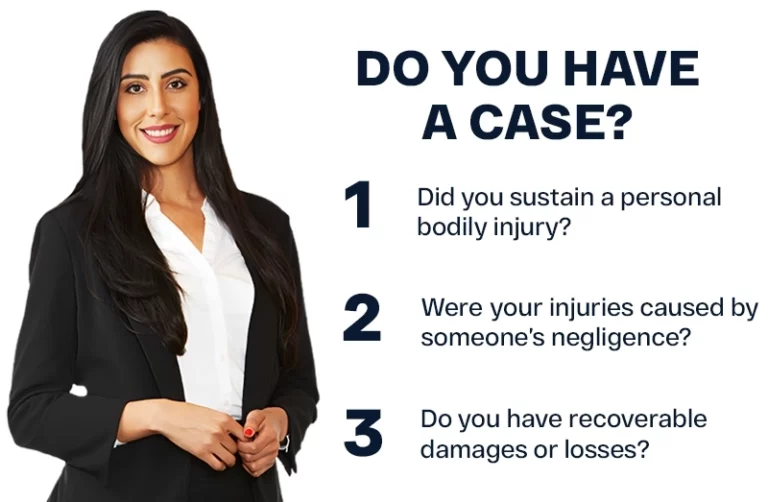
Call (888) 488-1391 or complete our “Do I Have A Case?” form for a free consultation. If you cannot travel, we can arrange meetings at a convenient location for you anywhere in California.
We serve the entire state of California, including Richmond and nearby communities such as San Pablo, El Cerrito, Pinole, Hercules, Albany, and Berkeley.