TL;DR: If you get hurt at a movie theater, you may file a premises liability claim if the theater was negligent. Demonstrating notice of the hazard, whether actual or constructive, is crucial. Injuries from falls or unsafe conditions may lead to a claim.
Highlights:
- Seek medical care immediately after an injury.
- Report the incident to a manager and get documentation.
- Take photos of the hazard and the scene.
- Collect witness contact information and save receipts or tickets.
- Preserve evidence, including incident reports and surveillance footage.
- Understand that the theater may not be automatically liable.
Tip: Stick to facts when reporting the incident to avoid complicating your claim.
Table of Contents
If you get hurt at a movie theater, you can pursue compensation for your losses. However, you have to prove that the theater or another responsible party failed to fix a dangerous condition or warn people about it. You could then file what’s called a premises liability claim, which is a case based on unsafe property conditions.
Immediately following your injury, get medical care, report the incident, and gather evidence. In many cases, the key issue is whether the theater knew about the hazard or should have found it and made the area safe.
This issue can affect more than ticketed moviegoers. It can also involve children, companions, people waiting in the lobby, parking lot pedestrians, delivery drivers, vendors, contractors, and, in fatal cases, surviving family members or the estate of the deceased. The right claim depends on why the injury happened, who controlled the area, and whether the injured person was there as a customer, worker, or lawful visitor.
What Should You Do Right After A Movie Theater Injury?
Start with your health. Go to urgent care or the emergency room if you hit your head, feel pain, or cannot put weight on a body part. Dizziness, numbness, and bleeding are other warning signs that you should visit a doctor. Waiting too long to get medical treatment can make it harder to connect your injury to the incident.
After that, take steps to protect your claim:
- Report the incident to a manager and ask them to document it.
- Take photos of the spill, broken seat, torn carpet, poor lighting, missing warning sign, or other hazard.
- Get names and contact information for witnesses.
- Save your ticket stub, parking receipt, and any damaged clothing or personal items.
- Be careful what you say to staff or insurance representatives. Do not guess about fault.
These details matter. They show what the hazard looked like, where it was, and who saw it before the scene changed. Personal injury law firms like Arash Law understand that early medical records and prompt incident reporting can help show how the injury happened and how serious it was.
What Does The Claim Timeline Usually Look Like?
A movie theater injury claim does not move all at once. It usually unfolds in stages, each with a different purpose. Some cases resolve through insurance negotiations. Others take longer because insurers dispute fault, evidence, or the extent of the injury.
Here’s what the claim timeline for movie theater injuries usually looks like:
- Immediate Response: You get medical care, report what happened, and try to preserve evidence before the scene changes. Proof may include photos, witness names, the manager’s name, your ticket or receipt, and any incident report number.
- Early Investigation: This stage focuses on how the injury happened, what hazard was involved, and who owned, operated, or controlled the area. It may also involve collecting surveillance video, inspection logs, maintenance records, and medical records.
- Medical Treatment and Damage Review: In many cases, it is hard to value a claim too early because the medical picture is still developing. As treatment continues, the full impact of the injury becomes clearer. A review helps show how serious the injury is, how much care you needed, whether you missed work, and whether future treatment may be necessary.
- Insurance Claim and Negotiation: Once the facts and damages are better documented, a claim may be presented to the insurance company. Settlement negotiations can involve back-and-forth discussions about fault, notice, medical treatment, and the value of the losses. Some cases resolve here, while others do not.
- Lawsuit, If Needed: If the insurance company denies liability, disputes the claim amount, or refuses to make a fair offer, the next step may be a lawsuit. Filing suit does not mean the case will go to trial. It usually begins a more formal process for exchanging evidence, taking witness testimony, and pushing the case toward settlement or court.
- Resolution: The case may end in a settlement, mediation, or trial outcome. The timeline depends on the facts, the seriousness of the injury, the quality of the evidence, and whether the other side disputes fault or damages.
No two cases move at the same speed. A straightforward claim with clear evidence may move faster than a case involving disputed notice, missing video, multiple defendants, or serious long-term injuries.
What Does Notice Mean In A Movie Theater Injury Claim?
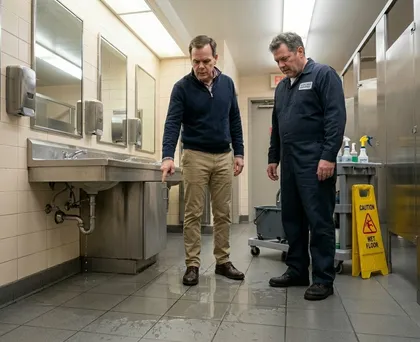
Notice refers to whether the theater knew about the danger or should have known about it. In a movie theater injury claim, you need to prove one of two types of notice: actual or constructive.
Here’s a brief overview of the two:
- Actual Notice: Someone at the theater knew about a problem, such as a spill, a broken seat, a torn carpet, or poor lighting.
- Constructive Notice: The problem was there long enough or obvious enough that the theater should have found it and fixed it.
Notice matters because it is not enough to show that you got hurt. You also need to prove that the theater had a fair chance to discover the danger and make the area safe.
What Evidence Matters In A Movie Theater Injury Claim?
Strong movie theater injury claims rely on clear proof. You need evidence showing what caused the injury, how long the hazard may have been there, who controlled the area, and how the injury affected you. In California, these cases often turn on proof of actual or constructive notice.
Helpful evidence may include:
- Photos and videos of the scene.
- Witness statements.
- Incident reports.
- Surveillance footage.
- Cleaning and inspection logs.
- Maintenance and repair records.
- Prior complaints about the same problem.
- Medical records, bills, and proof of lost income.
If the hazard was a spill, loose flooring, or a broken seat, inspection records can be important. They may show whether employees missed a problem they should have caught.
If you want free advice from a movie theater accident lawyer after an injury, an early case review can help you figure out what evidence to save before the owner, a manager, a contractor, or an insurance company shapes the story first.
What Kinds Of Hazards Cause Movie Theater Injuries?
Movie theaters can have dark walkways, tight seating, crowded aisles, and frequent food and drink spills. These conditions can lead to accidents if staff do not inspect, clean, repair, or warn people in time.
Common hazards include:
- Wet floors from spilled drinks or food.
- Torn or uneven carpet in aisles.
- Loose cords or cleaning tools left in walkways.
- Broken or collapsing seats.
- Poor lighting in hallways, stairs, or auditoriums.
- Slippery restroom floors.
- Trip hazards in the parking lot.
- Pedestrian accidents in the lot before or after a show.
A theater is not automatically liable just because you got hurt there. You still need to show negligence, meaning the business failed to exercise reasonable care in managing the property.
What If Another Patron Assaulted You Or Hurt You?
Not every movie theater injury comes from a fall. Some occur because of fights, assaults, theft, or unsafe crowd conditions inside the building or in the parking lot. When that happens, the case may involve negligent security instead of a maintenance issue.
The question is whether the theater owner or operator took reasonable steps to reduce foreseeable safety risks. That may include providing adequate lighting, maintaining working cameras and locks, responding to prior incidents, and using enough staff during busy times.
These cases depend heavily on the facts. If the theater ignored clear warning signs and that failure contributed to the harm, a claim may exist.
What Claim Options Might Apply?
Most movie theater injury cases involve claims against the party that owned, leased, occupied, or controlled the area where the incident occurred. In real terms, that usually means starting with an insurance claim. If adjusters dispute liability, damages, or settlement value, the case may move into a lawsuit.
Depending on the facts, your case may involve:
- A premises liability claim against the theater operator.
- A negligence claim against a maintenance contractor.
- A claim against a landlord or property manager.
- A negligent security claim.
- A vehicle-related claim if you were hit in the parking lot.
If your child was hurt, extra rules apply. In California, a minor must appear through a guardian ad litem, a court-appointed adult who represents the child. Special timing rules may also apply, but parents should not assume they can wait without risk.

What If You Were Working At The Theater When You Got Hurt?
If you were hurt while working at the theater, your claim may follow a different path than a customer’s. In many cases, theater employees must file for workers’ compensation rather than sue their employer in a regular personal injury case. They can seek medical care, lost wages, and other job-related benefits, even if no one meant to cause the injury.
That is not always the end of the case. Some injured workers may also have a third-party claim if someone other than the employer helped cause the injury. That may include a property owner, a maintenance contractor, an outside security company, an equipment company, a vendor, or a driver in the parking lot. The key question is whether another party created the danger or had control over the area where the injury happened.
You may fall into this category if you were working at the theater or on the property as:
- An usher
- A concession worker
- Projection or maintenance staff
- A janitorial worker
- Security staff
- A delivery driver
- An outside contractor or vendor
Who May Be Liable For A Movie Theater Injury?
Liability depends on control. The key issue is who had the duty to inspect, clean, repair, warn, or provide security in the area where the injury happened. More than one party may share responsibility.
Potentially liable parties may include:
- The theater operator.
- The property owner.
- A property management company.
- A janitorial or maintenance contractor.
- A security company.
- A third-party vendor who created a temporary hazard.
For example, a landlord may control shared areas, while the theater controls the auditorium and concession space. A cleaning company may handle spill response. A security company may patrol the parking lot. That is why identifying who controlled the scene matters so much.
Who Can Bring A Movie Theater Injury Claim?
A movie theater injury claim is not limited to the person holding the ticket. Depending on the facts, the following people may have the right to bring a claim:
- An injured patron.
- A child, through a court-approved adult acting on the child’s behalf.
- A lawful visitor who is injured in a lobby, hallway, restroom, parking lot, or other common area.
- A parking lot pedestrian.
- A contractor or vendor who was hurt by an unsafe condition on the property.
- A worker who may also have a separate third-party claim.
A fatal case may involve different claimants. In California:
- Certain family members may have the right to bring a wrongful death claim.
- The estate may have a separate survival claim based on the harm the injured person suffered before death.
The right claim depends on your relationship to the theater, how the injury happened, and who controlled the area where it occurred. These facts matter in cases involving severe falls, assaults, parking lot collisions, or other catastrophic events. If the incident caused a death, families should act quickly to preserve evidence, incident reports, and any available video.
What Injuries Are Common After A Theater Accident?
Movie theater injuries can range from short-term pain to serious, long-lasting harm. Hard floors, dim lighting, stairs, and parking lot traffic can all make an accident worse.
Common injuries include:
- Concussions and other traumatic brain injuries.
- Fractures in the wrist, ankle, hip, or arm.
- Back and neck injuries.
- Knee and shoulder injuries.
- Cuts and facial injuries.
- Spinal injuries in severe falls.
- Pedestrian-impact injuries in parking lot incidents.
Treatment may include imaging, medication, orthopedic care, physical therapy, and, when medically appropriate, chiropractic care. The seriousness of the injury can affect medical costs, time away from work, future treatment needs, and how the insurance company values the claim.
What Compensation May A Movie Theater Injury Claim Include?
If the evidence supports your claim, compensation may cover both financial losses and personal harm. Financial losses often fall under the category of economic damages. They include things like medical bills and lost wages. Personal harm is often referred to as non-economic damages. It can include pain, suffering, and the effect the injury has had on your daily life.
A claim may include compensation for:
- Emergency and follow-up medical care.
- Lost wages and reduced earning ability
- Rehabilitation costs.
- Pain and suffering.
- Emotional distress.
- Future medical needs.
- Out-of-pocket expenses related to the injury.
If you were partly at fault, that does not always end the case. California follows comparative fault rules. That means your compensation can be reduced by your share of fault instead of being barred completely.
How Long Do You Have To File A Lawsuit In California?
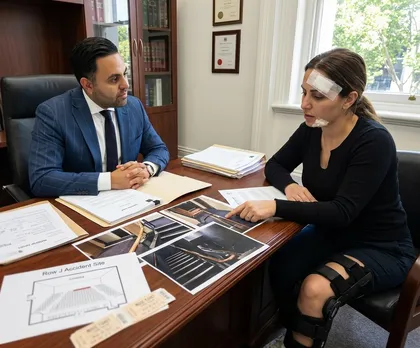
For most California personal injury cases, you have two years from the date of the injury to file a lawsuit. The California Courts list two years as the standard deadline for personal injury cases. However, exceptions apply for minors and victims who discover their injuries late.
Do not wait to get started. Delays can make a claim harder because:
- Evidence can disappear.
- Security video may be lost.
- Witnesses can be harder to find.
- Insurance claims can take time.
If a public entity owns or operates the theater or property, different rules may apply. Before you sue a government agency, you usually must file a government claim first. The California Courts say you will typically need to submit that claim within 6 months or 1 year, depending on the issue. If the agency denies the claim, you generally have 6 months to sue.
Frequently Asked Questions About Movie Theater Injury Claims
If you get hurt at a movie theater, you may share questions with victims of similar incidents. Common concerns include who can bring a claim, which deadlines apply, and how California law treats different types of injured people. The answers below address the most frequently asked questions by patrons, children, workers, and others injured at or around a theater.
I Need A Personal Injury Lawyer. When Should I Talk To One?
Talk to a lawyer soon after the incident if you suffered a serious injury, hit your head, fell in a dark area, got hurt in the parking lot, or expect a dispute about fault. Early legal help can also matter when several parties may be involved or when key evidence may disappear.
You do not need to have every answer before reaching out. A good consultation should focus on what happened, what evidence exists, who controlled the scene, and what deadlines may apply.
What If The Theater Says It Did Not Know About The Hazard?
That is a common defense. A business is not automatically liable just because someone got hurt on its property. You still need to show the theater knew about the condition or should have discovered it through reasonable care.
That is why photos, witness statements, inspection records, and prior complaints can be so important. They show that the problem existed long enough that the theater should have addressed it.
What If I Was Looking At My Phone Or Carrying Snacks?
That does not automatically ruin your case. California law allows injured people to recover damages even if they share some of the blame.
The main issue is how fault is divided. A theater may still be liable if a dangerous condition existed and the business failed to fix it or warn people about it.
Can I Still Bring A Claim If I Got Hurt In The Parking Lot?
Yes, depending on what caused the injury and who controlled the area. This parking lot safety guide notes that these cases often involve unsafe pavement, poor lighting, negligent security, or a driver who hit a pedestrian, which is why common accident prevention tips include driving slowly, avoiding distractions while walking, and regularly maintaining the parking lot.
The legal path depends on the facts. Some parking lot cases are premises liability claims. Others are vehicle negligence claims. Some involve more than one responsible party.
What If My Child Got Hurt At The Theater?
A child injury claim is subject to special court rules. In California, a minor must appear in the case through a guardian ad litem, a court-appointed adult who represents the child. The court must also approve any settlement involving a minor.
Parents should still act quickly. Children may have more time to file a claim than adults, but waiting can still hurt the case because evidence can disappear and memories can fade.
Do Lawyers Only Get Paid If They Win?
Many personal injury lawyers handle cases on a contingency fee. That means the lawyer’s fee depends on the recovery of compensation rather than hourly billing. You should still read the fee agreement carefully and ask how a specific firm handles costs and fees. It is also a good idea to confirm the exact terms in the contract before signing.
Learn Your Next Steps After A Movie Theater Accident
A theater injury can leave you with medical bills, lost income, and questions about fault. AK Law can review what happened and explain your next steps. A consultation can help you understand whether the evidence supports a premises liability claim, who may be responsible, and what deadlines matter.
Call (888) 488-1391 for a free consultation. No attorney fees unless the firm recovers compensation for you.