TL;DR: A contingency fee means a truck accident lawyer is paid from the recovery only if the case succeeds. This fee structure can improve access to legal representation when truck accident victims face severe injuries, high costs, and complex insurance disputes.
Highlights:
- Ask for the contingency fee agreement in writing.
- Check whether the fee changes during litigation or trial.
- Confirm if case costs are separate from attorney fees.
- Ask whether costs are owed if the case is unsuccessful.
- Review how medical liens may affect your net recovery.
- Discuss expert witness, filing, and investigation expenses early.
- Clarify what gets deducted before you receive the final amount.
Tip: Before signing, ask for a plain explanation of the fee percentage, case costs, liens, and final deduction order.
Table of Contents
A contingency fee is a payment arrangement in which a personal injury lawyer is only paid from the recovery if the claim or lawsuit is successful. Instead of billing you by the hour, the attorney receives an agreed percentage of the settlement, verdict, or award. This structure helps injured victims pursue compensation without paying a truck accident lawyer up front.
How Do Lawyers Get Paid For Truck Accidents In California?
Truck accident lawyers who represent injured victims often handle cases on a contingency fee basis. That means whether they get paid depends on the outcome of the case. They will only charge you for their services if your claim or lawsuit is successful.
A “successful” outcome includes:
- A Settlement: The insurer or responsible party agrees to settle and pay compensation.
- An Arbitration Award: A neutral decision-maker issues a decision, often including compensation, outside of a full trial.
- A Verdict: A court’s decision after a trial, which usually includes an award of compensation.
What Does “Contingency Fee” Mean?
One of the most common questions about the basics of contingency fee agreements is, “Do lawyers only get paid if they win?” The answer is generally yes. “Contingency” means something that depends on a condition. For contingency fees, the condition is whether or not a lawyer obtains compensation on your behalf.
Many truck accident lawyers and injury firms in California follow this structure. That means they do not charge hourly fees while the case is ongoing. You also do not owe them legal fees if your case is unsuccessful. This arrangement aims to make legal representation more accessible for truck accident victims. That can be crucial since these crashes often result in severe injuries and extensive financial losses related to medical care and lost wages.
What Should A Contingency Fee Agreement Explain?
California contingency fee agreements should be in writing and signed by the lawyer and client. They should explain how the attorney gets paid and how costs affect the client’s recovery. California Rule of Professional Conduct 1.5 prohibits an “unconscionable or illegal” fee.
A clear agreement should cover:
- The Attorney Fee Percentage: The share the lawyer receives from the recovery.
- The Case Stage: Whether the percentage changes if the case moves into litigation or trial.
- Case Costs: Whether the firm advances other costs and how reimbursement works.
- Deductions: Whether fees or costs come out first.
- Client Responsibilities: Whether the client owes any costs if there is no recovery.
- Negotiability: Whether the fee terms can be discussed before signing.
What Percentage Do Lawyers Take For California Truck Accident Cases?

In California, truck accident lawyers don’t take a single fixed percentage for every case. It depends on the written fee agreement. For example, it can change based on how far the case progresses. A claim that resolves during settlement negotiations may involve a different percentage than one that goes to trial.
Those changes reflect the additional work, risk, and cost as the case progresses. Legitimate factors that may affect the percentage a truck accident lawyer takes include:
- Disputes over fault or applicable coverage.
- Multiple defendants.
- Serious injuries.
- Commercial trucking regulations.
- Whether your case needs expert witness testimony.
- Whether your case proceeds to trial.
Attorney’s Fees Vs. Case Costs: What’s The Difference?
The attorney’s fee pays for the legal services. Meanwhile, case costs are the expenses needed to investigate, prove, negotiate, or litigate the claim. If you don’t receive compensation, you may not need to pay your truck accident lawyer for representing you. However, you might still have to cover other case-related costs.
Here’s a breakdown of the difference between these two:
| Aspect | Attorney’s Fees | Case Costs |
|---|---|---|
| How it’s calculated | Usually, a percentage of your settlement. | Separate from the attorney’s fee. |
| When you pay | Paid only if you win or settle. |
|
| What it covers | Legal services, such as:
|
Costs related to handling the case, including:
|
| How it affects your payout | The amount depends on your agreement. | Often paid up front by the firm and deducted later. |
How Fees Affect Your Potential Recovery After A California Truck Accident
Contingency fees aren’t the only types of fees that can affect a client’s recovery after a case resolves. The gross recovery is the total settlement, verdict, or award before deductions. The net recovery is the amount the client receives after the attorney’s fees, case costs, medical liens, and other required deductions.
A settlement may involve:
- Attorney’s Fee: The contingency percentage stated in the agreement.
- Case Costs: Expenses advanced to help build the claim.
- Medical Liens: Claims by medical providers or health insurers for repayment.
- Client Net Recovery: The amount left after approved deductions.
Medical liens can affect the final amount. A medical lien is a claim for repayment from a settlement or judgment. Health insurers, government programs, or medical providers may ask for reimbursement. It depends on how the treatment was paid for. They may recover costs of hospital stays, surgery, and other treatments, such as physical therapy and chiropractic care.
Why Truck Accident Cases Can Involve More Costs
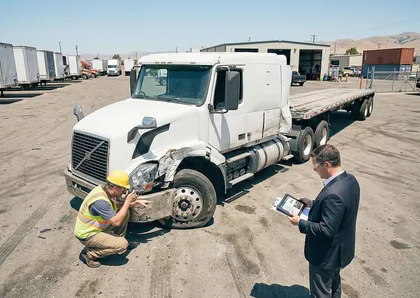
Truck accident claims involve commercial vehicles, company records, multiple insurance policies, and technical evidence. Victims are also more likely to sustain severe injuries because a truck’s size and weight can amplify the force of an impact. In anticipation of insurer pushback, attorneys often conduct in-depth investigations that require more time and resources. That raises the overall cost of a case.
A truck accident lawyer typically reviews:
- Electronic Logging Device Records: These records show driver hours and possible fatigue issues.
- Engine Control Module Data: Vehicle data may show speed, braking, and other crash details.
- Dashcam or Fleet Video: Video may show the crash or the moments before impact.
- Maintenance Records: These records may show brake, tire, lighting, or inspection problems.
- Driver Qualification Files: These files may show training, licensing, safety, or hiring issues.
- Cargo Records: These records may show unsafe loading, overweight cargo, or shifting loads.
Sometimes, truck accident attorneys bring in expert witnesses to explain what happened. These experts charge for their work. Their fee depends on their field, experience, and level of involvement.
What Happens After You Hire A Lawyer For A Truck Accident Case?
After you hire a truck accident lawyer, the process starts with building your claim. Your lawyer gathers evidence, communicates with insurers, and manages deadlines on your behalf. If settlement negotiations fail, they prepare your case for trial and represent you in court if necessary.
The process typically goes like this:
- Case Review: The lawyer reviews the details of the truck accident. They assess how the crash occurred, who may be responsible, the injuries sustained, and which insurance coverage may apply.
- Written Fee Agreement: The truck accident attorney provides a written agreement that explains the contingency fee.
- Investigation: The attorney and their legal team gather evidence. They obtain records and review trucking documents. They also talk to witnesses and consult experts when needed.
- Insurance Negotiation: The lawyer presents the claim to the insurer. They negotiate a settlement based on fault, injuries, medical care, lost income, pain and suffering, and future needs.
- Litigation: If negotiation does not resolve the claim, the lawyer files a lawsuit. Litigation may include discovery, depositions, expert reports, mediation, hearings, and trial preparation.
- Disbursement: If the case is successful, the injury law firm deducts approved legal fees, case costs, medical liens, and other required payments before sending the net recovery to the client.
FAQs About Contingency Fees And California Truck Accident Cases
Victims often seek free advice from truck accident lawyers online when they’re unsure of what to do to pursue compensation. Many of their concerns focus on whether they really need legal representation, especially if costs are a concern after an accident. To clarify matters, the answers below explain exactly how contingency fees work in these complex cases.
Do I Need A Lawyer For My Truck Accident Case?
Some victims think, “I need a personal injury lawyer,” when their case is more complex than a typical claim. You may need the help of a lawyer if your case involves severe injuries, significant losses, and multiple liable parties. In truck accident cases, the claims process can also become complicated because commercial insurance may apply. A truck accident attorney can help address these possible challenges.
Can Clients Negotiate A Contingency Fee?

Clients may be able to negotiate some terms, but this depends on the injury law firm. Certain fees may also not be adjustable. It’s important to ask questions before signing, such as whether the fee changes depending on the case stage or whether a sliding scale applies to higher recoveries.
Do I Pay A Truck Accident Lawyer Up Front?
Many truck accident lawyers, such as those at Arash Law, do not require upfront legal fees for injury claims handled on contingency. The fee comes from the recovery if the claim succeeds. You should still ask about case costs. These may include filing fees, expert fees, medical records, deposition costs, and investigation expenses.
Can A Contingency Fee Change During The Case?
Yes, some agreements use different percentages at different stages. The percentage may change if the lawyer files a lawsuit, begins litigation, or prepares for trial. The agreement should clearly state these changes.
Get Legal Support After A Truck Accident In California
A contingency fee should make legal help easier to access, not harder to understand. Before hiring a truck accident lawyer, ask how they’ll charge for their services, how they handle case costs, and how the agreement will affect your final recovery.
Our truck accident lawyers at AK Law work on a contingency fee basis. Call us at (888) 488-1391 to schedule a free initial consultation. You can ask questions about possible next steps, and we can help you understand how this fee arrangement works.