TL;DR: An employment lawyer is a legal professional who handles workplace disputes involving wrongful termination, unpaid wages, discrimination, or retaliation under federal and state law. They represent employees harmed by employer violations, build evidence of fault, and pursue claims before strict filing deadlines expire.
Highlights:
- Write a dated timeline of events, including witnesses and what was said.
- Save pay stubs, schedules, timecards, and personal records of hours worked.
- Collect key documents: offer letter, contract, handbook, and severance papers.
- For California wage or retaliation issues, file with the California DIR (DLSE).
- For unsafe conditions in California, file a Cal/OSHA workplace safety complaint.
- For discrimination, file with California CRD or the federal EEOC portal.
- Ask a lawyer to review your classification if labeled an independent contractor.
Tip: Keep communications in writing when possible, stick to facts, and preserve screenshots, emails, and documents before raising a complaint.
Table of Contents
An employment lawyer is a legal professional who focuses on workplace laws and employee rights. They assist with wrongful termination, wage disputes, discrimination, harassment, and workplace safety violations. Whether you’re an employee facing unfair treatment or an employer seeking legal guidance on compliance, an experienced employment lawyer provides essential advice, representation, and advocacy to work toward workplace fairness and support labor law compliance.
Employment law covers a broad field that covers a lot of ground. Given these laws’ complexity and evolving nature, it can be difficult for employees to determine whether their employer complies with legal standards. Employment lawyers help employees by:
- Explaining workers’ rights.
- Providing legal guidance on navigating workplace-related issues.
- Reviewing their contracts to help determine whether employers meet their legal obligations.
- Filing complaints for discrimination, harassment, wage violations, wrongful termination, etc.
Employment lawyers also assist employees in taking action when needed. Employees who file a lawsuit can represent workers and negotiate for an equitable resolution. Call an experienced employment attorney to handle your case if you face workplace injustice.
The Role Of An Employment Lawyer
Employment lawyers play a vital role in protecting employees’ rights and advocating for fairness in the workplace. They represent workers facing unfair wages, discrimination, workplace safety violations, and wrongful termination. These attorneys handle a wide range of employment law matters, including cases under the Occupational Safety and Health Act (OSHA), which mandates safe and healthy work environments.
Beyond advocacy, an employment lawyer provides valuable legal guidance to navigate employer disputes. Whether it’s addressing unsafe working conditions, wage violations, or retaliation, they work to hold employers accountable for labor law compliance. If an employer fails to meet legal obligations (such as providing proper safety measures or fair pay), an employment lawyer helps workers take action to seek justice.
How Employment Lawyers Protect Workers’ Rights
An employment lawyer is a valuable resource when protecting workers’ rights. From handling employment disputes to legal action, these attorneys can advocate for employees who need support in a challenging work environment.
Typical situations where an employment lawyer’s assistance is imperative:
Advocate For Wrongful Termination

Unexpected job loss can be devastating, especially if the termination was unjust or illegal. Employment lawyers help wrongfully terminated employees by investigating their cases, gathering evidence, and advocating for their rights in legal proceedings.
Employment attorneys represent wrongfully terminated workers by proving employer violations, such as discrimination, retaliation, or breaches of contract or public policy. They advocate for wrongfully terminated employees, working to secure fair treatment and pursue recovery of lost wages, damages, and compensation for emotional distress.
Here are some landmark wrongful termination cases that have shaped employment law:
- Tameny v. Atl. Richfield Co. — In this retaliation case, Gordon Tameny was fired after refusing to participate in an illegal price-fixing scheme at Atlantic Richfield Co. (ARCO). The California Supreme Court ruled on June 2, 1980, that employers cannot fire employees for refusing to engage in illicit activities, establishing legal protections against wrongful termination based on public policy violations.
- Foley v. Interactive Data Corp. — Plaintiff Foley sued the defendant corporation for wrongful termination. The California Supreme Court ruled on December 29, 1988, that an implied-in-fact contract existed, preventing Foley’s termination without good cause. The decision established that such agreements can be enforced based on company policies, job tenure, and performance reviews, even if not explicitly stated.
- Guz v. Bechtel National, Inc. — Bechtel National, Inc. terminated John Guz after 22 years. He sued for wrongful termination, breach of an implied contract, and age discrimination. Initially, the court ruled in favor of the employer, stating that Guz was an at-will employee. However, the decision was overturned on appeal on October 5, 2000, reinforcing that employers must have legitimate reasons for termination and cannot discriminate based on age.
Workplace Discrimination
Discrimination in the workplace can take many forms, including harassment and retaliation. Title VII of the Civil Rights Act protects employees from discrimination based on race, gender, national origin, pregnancy, or religion. If an employee experiences unfair treatment because of these protected characteristics, they can seek help from a lawyer to take legal action.
Employment lawyers assess claims, gather evidence, and represent employees in legal proceedings. Whether the issue involves racial bias, gender discrimination, or employer retaliation, they work to help workers receive fair treatment. They help establish workplace misconduct and seek compensation for affected employees.
Typical forms of workplace discrimination include:
Harassment And Hostile Work Environment
The following actions create a hostile work environment, which violates Title VII:
- Verbal abuse, threats, or intimidation based on race, gender, age, religion, disability, or another protected category.
- Sexual harassment, including unwelcome advances, inappropriate touching, or explicit comments.
- Tolerating racist, sexist, or offensive jokes.
Employer Retaliation
Standard retaliation practices concerning a discrimination complaint, whistleblowing, or asserting legal rights:
- Unfair reduction in hours, pay, or job responsibilities.
- Sudden and unjustified negative performance reviews.
- Exclusion from meetings, training, or work-related activities.
Racial And Cultural Discrimination
Employment lawyers also look into complaints concerning racial and cultural discrimination, including:
- Refusing to interview or hire candidates based on race or ethnicity.
- Mocking an employee’s accent, appearance, or cultural traditions.
- Applying different rules or disciplinary actions to employees of a specific ethnic background.
Wage And Hour Disputes
Many workers face wage violations, from unpaid overtime to minimum wage violations. Recognizing if you’re being underpaid is crucial to protecting your rights and pursuing fair compensation. Here’s a quick checklist to identify wage violations and what to do about them:
- Know Your Rights
- Familiarize yourself with federal, state, and local labor laws.
- Understand regulations such as the Fair Labor Standards Act (FLSA).
- Review Your Pay Stubs
- Confirm your hourly wage or salary aligns with your agreement.
- Check that overtime pay is calculated correctly.
- Verify that all deductions are legal and documented.
- Keep Track of Your Work Hours
- Record your daily start and end times, including breaks.
- Use employer-provided timekeeping systems and maintain personal backups.
- Recognize Common Wage Issues
- Missing or incorrect overtime payments.
- Wages below federal, state, or local minimum requirements.
- Misclassifying employees to avoid overtime or benefits.
- Unpaid work before or after shifts.
- Unauthorized paycheck deductions.
- Compare Your Pay to Industry Standards
- Research competitive wages for your job using trusted sources.
- Check Your Employee Handbook
- Review company policies to ensure they match your actual pay practices.
- Get Legal Assistance If Needed
- Speak with an employment attorney to report any suspected wage violations.
- Receive legal guidance on addressing the issue.
- File a formal complaint if necessary.
Filing A Complaint With The Right Agency
Legal action against an employer can be stressful, especially when dealing with strict deadlines and complicated procedures. If you need to file an employment or labor-related claim in California, here are the key agencies that handle different types of workplace violations:
State Agencies
- California Department of Industrial Relations (DIR) — Oversees workplace rights, safety, and compensation.
- California Division of Occupational Safety and Health (Cal/OSHA) — Covers workplace safety and health violations, hazardous working conditions, and employer retaliation for safety complaints. Whistleblower complaints are handled on the federal level.
- Civil Rights Department (CRD) — California law protects employees from discrimination based on the following:
- Race
- Color
- Ancestry
- National origin
- Citizenship
- Immigration status
- Primary language
- Religion
- Disability
- Sex
- Gender identity
- Sexual orientation
- Genetic information
- Marital status
- Familial status
- Source of income
The CRD enforces state laws prohibiting employment discrimination based on the protected characteristics above. These laws apply to employers with five or more employees and cover all aspects of employment, including hiring, promotions, working conditions, and terminations.
Federal Agencies
- U.S. Department of Labor (DOL) – Wage and Hour Division (WHD) — Covers Federal minimum wage and overtime violations (Fair Labor Standards Act – FLSA) and Family and Medical Leave Act (FMLA) violations. Employees can file a wage and hour complaint on the website or by calling 1-866-4-USWAGE (1-866-487-9243).
- U.S. Equal Employment Opportunity Commission (EEOC) — Covers federal workplace discrimination and harassment cases and retaliation for reporting discrimination. Affected workers can file a discrimination charge on the EEOC public portal.
- U.S. Department of Justice – Immigrant and Employee Rights Section — This section governs immigration-related workplace violations, such as employer retaliation against immigrant workers and violations of work authorization requirements. Employees can file a charge using the form on the U.S. DOJ website.
Whistleblower Protections
A whistleblower reports illegal or unethical behavior by a company, either to a government agency or the media. While their actions help promote fairness and accountability, whistleblowers often face retaliation, such as job loss, demotions, or workplace harassment.
Employment lawyers explain whistleblower protection laws so that employees understand their rights and the legal limits of these protections. If a whistleblower experiences retaliation, an attorney can take legal action to seek reparation or reinstatement.
More importantly, employment attorneys give whistleblowers the confidence to come forward without fear. Holding employers accountable and enforcing protection laws helps create a safer environment for those who expose misconduct.
Employment Class Actions
Sometimes, workplace issues don’t affect just one person; they impact many employees similarly. When multiple workers experience discrimination, wage theft, or other unfair treatment, they can file a class action lawsuit against their employer. This allows them to share legal costs and build a stronger case as a group. By joining forces, employees can better hold employers accountable for widespread violations.
Employment attorneys help workers have their voices heard, advocate for their rights, and pursue fair compensation for the harm they have suffered. They investigate claims, gather evidence, and determine whether employees have a valid case. They also handle all legal filings, represent the group in court, and negotiate settlements for the affected workers.
Workers’ Compensation Claims
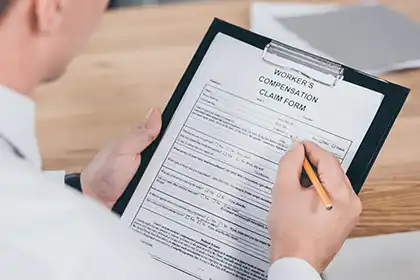
Employment lawyers and workers’ compensation attorneys often work together to protect employees’ rights. While workers’ compensation lawyers assist with filing claims, gathering evidence, and appealing denials, employment attorneys work to help workers avoid unknowingly waiving their employment rights during settlements. They negotiate with insurers, review agreements, and prepare employees for depositions to safeguard their legal interests and pursue optimal compensation.
When an employee is injured or becomes ill due to their job, they may file a workers’ compensation claim to receive benefits. These benefits typically include medical treatment, compensation for lost wages, and, if applicable, disability benefits. If the claim is accepted, the employee can access treatment through a workers’ compensation provider or a medical provider network (MPN) if their employer’s insurance requires it.
If the claim gets denied, the employee may seek treatment on a lien basis through their chosen provider. Additionally, workers may undergo medical-legal evaluations, such as those from a Qualified Medical Evaluator (QME), to determine the extent of the injury and their entitlement to benefits.
Workers’ compensation is a no-fault system, meaning injured employees can receive benefits regardless of who caused the accident. However, if a third party (e.g., a contractor or equipment manufacturer) contributed to the workplace accident, the worker may have grounds for an additional lawsuit. They can file a claim for their work injury to seek compensation. These lawsuits can provide extra compensation beyond workers’ compensation benefits, allowing employees to cover medical bills, lost wages, and other damages.
Employment Lawyers & Legal Compliance
Workers’ rights and employment laws protect the employees’ best interests. An employment lawyer works to promote employer compliance with these laws, guides employees to recognize violations of their rights, and offers counsel on how to address these issues effectively.
Employment attorneys protect the affected workers if an employer fails to meet their legal obligations. Whether dealing with unpaid wages, wrongful termination, or harassment, these attorneys work to hold employers accountable and pursue fair outcomes for those they represent.
Employer Compliance
Businesses should follow anti-discrimination laws that prevent unfair treatment based on race, sex, gender, age, national origin, religion, or disability. Employment lawyers help promote compliance with federal and state anti-discrimination laws, helping prevent unfair treatment in the workplace.
Beyond discrimination laws, employers must adhere to workplace safety standards under OSHA regulations and comply with environmental policies affecting working conditions. If a company fails to maintain a safe and lawful workplace, an employment lawyer helps employees take action to protect their rights and well-being.
Employment Decisions
Employers have the legal right to terminate employees for legitimate reasons, such as poor performance, misconduct, or violations of company policies. However, not all terminations are fair or legal.
Hence, workers should have a clear understanding of lawful and unlawful termination. Employment lawyers can explain how the following situations may affect an employee’s employment status:
- Speaking up About Workplace Issues — It’s illegal for employers to fire someone for reporting harassment, discrimination, wage theft, or unsafe conditions. Some employers may try to justify termination by citing unrelated reasons.
- Taking Time Off — If you miss work often without approval, your job could be at risk. However, if your absences are protected under the Family and Medical Leave Act (FMLA) or the Americans with Disabilities Act (ADA), your employer cannot fire you for taking leave.
- Reporting Discrimination or Harassment — Employers cannot retaliate against workers who file complaints about unfair treatment. If you got fired after speaking up, you may have a case for wrongful termination.
- Handling Confidential Information — If an employee gets fired for violating a confidentiality policy. Still, the employee may have legal grounds to challenge the dismissal if the policy is unlawful, unfairly applied, or used as a cover for wrongful termination.
- Violating Employment Agreement — Employment agreement violations can take many forms. For example, if an agreement includes vague, unfair, or legally unenforceable terms, an employee may have the right to challenge their termination and seek legal remedies.
You may be entitled to compensation, reinstatement, or other legal remedies if your termination was wrongful. An employment attorney can explain your rights and explore your legal options.
Employee Classifications
Your employer’s classification of your employment has a direct impact on your wages, benefits, and legal rights. Some companies misclassify workers (either intentionally or by mistake), which can lead to lost wages, unpaid overtime, and a lack of benefits. Knowing the difference between employee classifications can help you recognize when your rights are violated.
Misclassification happens when employers wrongly label employees as independent contractors to avoid paying overtime, benefits, and employment taxes. This can result in years of lost wages and denied protections under labor laws. If you suspect your employer has misclassified you, an employment attorney can determine your correct classification and pursue recovery for any unpaid wages or benefits.
Administrative Proceedings
Before someone files a lawsuit, many parties address disputes through administrative proceedings. If your employer faces an employment complaint, they must respond legally. However, some employers try to dismiss claims or pressure employees into unfair settlements. An employment lawyer will protect your rights if your employer fails to adhere to these administrative procedures or attempts to undermine your claim.
Employment attorneys also help employees in cases involving unemployment benefits, assisting former employees to seek the benefits they may be entitled to when employers challenge their eligibility. If you are trying to unionize or negotiate better working conditions, employers may attempt to block those efforts. Employment lawyers advocate for workers’ rights by working to help employers follow labor laws and respect employees’ rights to organize and participate in collective bargaining. They work to help employees receive fair treatment and advocate for employer compliance with all necessary legal processes.
Employment Contracts And Agreements
Employment contracts outline the terms of your job, including pay, overtime, benefits, working hours, and job responsibilities. Employers use these contracts to set expectations, but employees must understand that the terms must be fair and comply with labor laws. Employment lawyers help prevent employers from using contracts to restrict or exploit workers unfairly.
While employment contracts can be verbal or written, only a written contract holds up in court as evidence. If your employer fails to meet the agreed-upon terms, such as not paying you for overtime or denying vacation days, having a clear, written agreement is paramount in pursuing legal action.
Employment attorneys also handle other agreements, such as non-compete and confidentiality agreements. Employers may use these to limit job prospects or control future employment opportunities. Employment lawyers help verify that these agreements are reasonable and compliant with labor laws, protecting workers from unfair restrictions.
Attorneys also play a crucial role in protecting employees during severance negotiations. Employers should not use severance agreements to take advantage of workers or pressure them into waiving their rights. Employment lawyers work to help verify that severance packages are fair and compliant with legal standards. Speak with an employment lawyer to help protect your rights and review your contract for legal compliance. If you have questions about any of the terms of the agreement or believe your employer is attempting to impose unfair conditions, they can help clarify your options.
Frequently Asked Questions About Employment Dispute Cases And Legal Representation
Our employment lawyers answer some questions to help clarify common concerns regarding employment issues and how legal assistance can resolve them. If you have further questions or require specific guidance, please call us at (888) 488-1391.
How Do Employment Lawyers Typically Charge For Their Services?
Employment lawyers typically charge hourly rates, flat fees, or contingency fees. At Arash Law, our employment lawyers work on a contingency fee basis, which means you don’t pay attorney’s fees upfront unless compensation is obtained. This makes legal help more accessible for those seeking justice without upfront costs. This approach aligns with our clients’ goals: to pursue their rights without facing a financial burden.
What Should I Consider When Choosing An Employment Attorney?
When choosing an employment attorney, consider the following:
- The attorney’s experience in employment law, especially in cases like yours.
- Their years of practice in the field.
- Experience and background in labor or employment law.
- Client testimonials or reviews to understand their capabilities.
- Their communication style and responsiveness.
- Their track record in handling similar cases.
- Your level of comfort working with them.
What Are The Potential Outcomes Of An Employment Dispute Case?
The outcome varies depending on the situation. The court may dismiss the case before it goes to trial, or both parties may agree to settle outside court. In some cases, one party may be found liable and required to pay damages, while in others, the court might rule in favor of the defendant, meaning they won’t be responsible for any compensation. Our experienced employment lawyers can assess your case, guide you through your options, and help you understand the potential outcomes as we work toward achieving a favorable resolution.
When Should I Hire An Employment Lawyer?

Consider hiring an employment lawyer if you’re facing an issue your employer isn’t addressing. However, you don’t have to hire an attorney immediately. You can start by contacting the EEOC, which will investigate your claim and help determine if you have enough evidence. Depending on the results, the EEOC may suggest seeking further legal help. Still, you can consult with an employment attorney at any point during the process.
How Long Does An Employment Case Typically Take?
The length of an employment case can vary, typically taking from a few months to several years. The timeline depends on factors such as the complexity of the claim, the jurisdiction, whether the parties pursue mediation or settlement, and whether the case goes to trial. Employment lawyers can help manage the process and inform you of your case’s expected timeline.
What Should I Bring To My First Consultation With An Employment Lawyer?
For your first consultation with an employment attorney, it’s helpful to bring the following documents:
- Pay stubs and records of hours worked.
- Termination letters or other related documentation.
- Names and contact information of any witnesses.
- Employment contracts, offer letters, and contractor agreements.
- Copies of relevant emails and official correspondence.
- Severance agreements (if applicable).
- A timeline of events related to your case.
- The employee handbook.
- Other supporting documents for your claim.
These documents will help them assess your case more efficiently. If you have an employment dispute, call us at (888) 488-1391 or complete our contact form. Our employment lawyers offer a free initial consultation, where we can discuss your situation, evaluate potential legal options, and determine the appropriate course of action to protect your rights.
Do I Have To Go To Court To Resolve An Employment Dispute?
It depends. Several factors influence whether your case will go to court, including the strength of your claim, the potential compensation involved, and whether both parties are willing to settle. If your case is strong, the other party may prefer to avoid the costs of a trial and opt for an out-of-court settlement. However, if the case is weaker, they may choose to protect their position in court. Cases involving significant compensation are more likely to involve more disputes. Employment attorneys can help you assess your case and determine an appropriate course of action.
Employment Dispute? Consult With Arash Law’s Experienced Employment Lawyers
Are you facing an employment dispute? Searching for an experienced employment attorney to handle your case? Our employment lawyers will advocate for your rights, offering informed legal guidance every step of the way. Our team has the resources and experience to handle complex cases involving workplace issues and workers’ benefits. We are here to help you pursue compensation and justice under the law.
Arash Law helps workers who face employment disputes. Our lawyers understand the complexities of employment law and dedicate themselves to advocating for fair treatment of workers according to the law. Similar to how our car accident lawyers represent victims of auto collisions, we also stand by employees, advocating for their rights and fair compensation in employment-related matters.
If you’re an employee who feels your rights are being violated, consulting with an employment attorney is often a necessary step to protect your interests. Call us at (888) 488-1391 or complete our “Do I Have A Case?” form here to schedule a free, no-obligation initial consultation. We are here to assist you in exploring your options and help you seek the compensation you may be entitled to.