TL;DR: Federal records show 169 hot-air-balloon accidents in the U.S. from 2000 to 2011, averaging about 14 crashes per year. Most of these incidents occur during landing due to pilot error, sudden wind shifts, or power line contact. Passengers face broken bones, spine fractures, and severe burns because traditional baskets lack seatbelts. In California, you have 2 years to file a lawsuit if gross negligence caused your injuries, even if you signed a waiver.
Highlights:
- Pilot error causes approximately 81% of balloon crashes, with most incidents occurring during landing rather than mid-flight.
- Operators set weather limits based on wind, terrain, balloon performance, and procedures, and may cancel flights when conditions are unsafe.
- Power line contact is the deadliest type of balloon crash, potentially causing fires, electrocution, and severed load cables.
- Traditional balloon baskets lack seatbelts, making broken legs, ankles, and feet account for over half of serious injuries.
- California law allows you to sue even if there is a signed waiver if the operator showed gross negligence.
- You have two years to file a personal injury lawsuit in California, but only six months if a government entity is involved.
Tip: Preserve evidence immediately after any balloon incident by documenting the scene, collecting witness contact information, and photographing equipment and conditions, since the NTSB investigation can take months and delay claim filing.
Table of Contents
A 2013 peer-reviewed study analyzing National Transportation Safety Board accident reports found that from 2000 to 2011, there were 169 hot-air balloon crashes nationwide, averaging about 14 per year. Because total flight numbers are not available, this figure reflects only the number of reported crashes, not the accident rate per flight.
Of the 169 recorded accidents, 78 involved paid balloon tours and involved 519 occupants. Among these incidents, 83% resulted in at least one serious or fatal injury.
The number is low because hot-air balloons are primarily used for recreational activities, so they’re generally not used as often as airplanes or helicopters. However, hot air ballooning is still not accident-free.
How Often Do Hot Air Balloon Accidents Happen In California?
NTSB records show that at least 13 hot air balloon accidents occurred in California between January 2010 and mid-2026. These accidents resulted in 15 serious injuries. Even with these incidents, the total number of accidents remains low relative to the duration and number of balloon flights in the state.
California ballooning activity is commonly associated with destinations such as Napa, Temecula, and Vacaville, where sightseeing flights are popular. These rural areas host many commercial balloon operations. Their Mediterranean climates, open fields, and beautiful views make them popular for sightseeing flights.
These destinations support a large number of hot-air balloon flights each year. With more balloons taking off and landing, the number of reported incidents is naturally higher. That does not necessarily mean ballooning is less safe in these locations. Rather, it reflects a higher level of balloon activity than in other regions.
How Hot Air Balloon Safety Compares To Other Flights
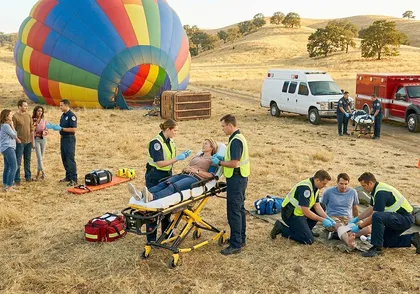
While hot-air ballooning is a popular recreational activity, serious accidents still happen. These incidents often occur due to unpredictable weather, hard landings, or collisions with obstacles during takeoff and landing. All these accident risks stem from a few key differences between hot-air balloons and other aircraft:
- Lower Operating Speeds: Balloons travel much more slowly than airplanes and helicopters, which can lessen the severity of some accidents.
- Reliance on Good Weather: Balloon flights depend heavily on calm winds and favorable weather. Pilots are more likely to cancel flights when conditions are unsafe.
- Limited Ability to Control Direction: Unlike airplanes and helicopters, hot-air balloons cannot be steered. They drift with the wind and can only be guided vertically by adjusting altitude.
The biggest difference between ballooning and other forms of aviation is control. Pilots of airplanes and helicopters can steer around obstacles. They can also change course and react to shifting conditions. Balloon pilots can’t pick their travel direction. They have to use the wind currents at various heights.
Sudden wind shifts, low fog, or unstable air can turn a safe flight into a dangerous one in a flash. While weather is a major factor in these incidents, hot air balloon accident lawyers also examine whether human error contributed to the event. They often ask questions such as:
- Could this accident have been prevented?
- Did the pilot properly assess weather conditions before takeoff?
- Was the flight delayed or canceled when conditions became unsafe?
- Were proper safety procedures followed?
Leading Causes Of Hot Air Balloon Crashes
Most hot-air balloon accidents don’t occur mid-flight, but during landing. Landing is the most dangerous phase of any balloon flight. Pilot error, sudden wind changes, or contact with a fixed object are often the cause of these accidents.
Each one creates a different risk at landing:
- Pilot Error: According to the same NTSB-based study mentioned earlier, 81% of hot-air balloon crashes from 2000 to 2011 occurred during landing, with pilot decision-making frequently cited as a contributing factor. These include misjudging the weather or descending too fast.
- Weather Conditions: Wind is one of the most common factors in balloon crashes. Higher winds can make safe landings substantially harder. A sudden gust can push the basket to the side or slam it into the ground.
- Fixed-Object Collisions: Hitting power lines is the deadliest type of crash. Electrical contact can start fires, cut load cables, or cause burns or electrocution.
If you were hurt and think, “I need a personal injury lawyer,” knowing these causes is the first step toward determining whether you have a case.
Hard landings hit passengers with sudden, violent force in the final seconds before touchdown. When the basket hits the ground fast or tips over, passengers take the full impact with nothing to hold them in place. That puts them at risk of sustaining serious injuries.
Common Injuries In Hard Landings And Crashes
When a hot-air balloon makes a hard landing, passengers can be thrown around inside the basket. Unlike airplanes, balloon baskets typically do not have seatbelts. Instead, passengers are instructed to stand with their knees bent and hold onto the side rails to absorb the impact.
As a result, the most common injuries include:
- Broken Legs: These are usually caused by the body’s weight driving down through the legs during impact.
- Fractured Ankles and Feet: Common during hard or multiple-bounce landings.
- Spinal Injuries: A forceful landing can crack the vertebrae, the small bones that make up the spine.
- Back and Neck Injuries: Sudden impacts can strain or damage the spine and surrounding muscles.
- Burn Injuries: These may occur if the balloon contacts power lines or, in rare events, if a propane-related fire or explosion occurs.
Lower-extremity injuries, including fractures to the legs, ankles, and feet, account for more than half of all serious injuries in hot-air balloon accidents. Multiple bounces during a rough landing can increase the risk of sustaining more than one fracture.
Recovery from these injuries can take months and may require surgery or ongoing medical treatment. In some cases, victims may need physical therapy, chiropractic care, or pain medications. When an accident results from negligence, injured passengers may be entitled to seek compensation from the responsible parties.
Who Is Liable For A California Hot Air Balloon Accident?

Liability in a California hot-air balloon accident hinges on who caused or added to unsafe conditions. More than one party can be responsible if you can prove their negligence. In other words, if you can demonstrate that their careless actions caused the accident and your injuries, you may be able to file a personal injury claim against them and pursue compensation for your losses.
One or more of the following could be liable for a hot-air balloon accident:
- Commercial Balloon Operators: The company may be liable if it didn’t follow safety rules, flew in bad weather, or didn’t train staff properly. State law requires operators of hot-air balloons carrying up to 10 passengers to carry at least $1 million in liability insurance. Additional liability coverage must be available for balloons with greater passenger capacities.
- Balloon Pilots: Pilots may be responsible if they made unsafe decisions, ignored weather conditions, or operated the balloon carelessly.
- Maintenance or Repair Providers: Companies that inspect or repair the balloon. They may be liable if poor maintenance or faulty work led to mechanical failure.
- Manufacturers or Equipment Suppliers: The maker of the balloon or its parts may be responsible if a defect caused the accident.
- Property Owners or Third Parties: Landowners or others may be liable if unsafe landing areas or ground hazards contributed to the crash.
Under California law, a passenger can still file a claim even if they signed a waiver. A waiver does not protect against gross negligence, which includes extreme carelessness, such as flying in unsafe winds or using known defective equipment. Some victims seek free advice from a hot air balloon accident lawyer to determine whether a waiver would affect their claims.
Frequently Asked Questions About Hot Air Balloon Accidents
Hot air balloon accidents raise common questions about both safety and legal rights. The answers below address the key safety facts and what California law allows you to do after a crash.
How Risky Is A Hot Air Balloon Ride?
Hot air balloon rides have a very low fatality rate. NTSB data tracked 169 balloon crashes across the U.S. between 2000 and 2011. That figure comes from a peer-reviewed study of federal crash records. Fatal balloon crashes are uncommon in the U.S. When accidents do happen, injuries are often serious. Hard landings and collisions with trees or power lines are common causes.
Is Hot Air Ballooning Riskier Than Driving?
No. Traveling by passenger car results in far more annual deaths than traveling in a hot air balloon. In 2024, the National Highway Traffic Safety Administration (NHTSA) recorded about 1.19 road fatalities per 100 million miles driven. That rate far exceeds the ballooning fatality rate. Balloons also see fewer fatalities because far fewer flights happen each year than vehicle trips.
How Long Do I Have To File A Claim In California?
If you are filing an insurance claim, the deadline depends on your policy, so it is important to act as soon as possible. If you are considering a lawsuit, you must also comply with strict legal time limits. In California, you generally have two years from the date of the crash to file a personal injury lawsuit. Missing important deadlines can compromise your ability to pursue a claim.
Arash Law Can Handle Your Hot Air Balloon Accident Claim In California
If you were hurt in a hot air balloon accident, you may have legal options to pursue compensation. Our hot air balloon accident lawyers at Arash Law can gather evidence and handle insurance communications on your behalf.
If your concern is: Do lawyers only get paid if they win? At AK Law, the answer is yes. We take injury cases on a contingency fee basis. Under this fee structure, we only get paid attorney’s fees if we win your case. Call us today at (888) 488-1391 for a free initial consultation.