TL;DR: Icy parking lot falls most often cause wrist, ankle, and hip fractures, head trauma, and back injuries requiring surgery or months of rehab. Property owners should remove ice or use salt or sand to reduce slip hazards or warn visitors when they know or should know about a dangerous icy condition; failure to do so is negligence. You have 2 years to file a lawsuit, but security footage and evidence can disappear within 24 to 48 hours, making immediate action critical to preserve your claim.
Highlights:
- Wear boots with rubber grip soles and take short, shuffling steps to stay stable on icy surfaces.
- Keep your hands out of your pockets so you can catch yourself if you start to slip.
- Exit your vehicle by placing both feet flat on the ground simultaneously before standing up.
- Take photos and preserve your shoes immediately after a fall, as ice melts and footage overwrites quickly.
- Send a preservation letter to the property owner to save the security footage.
- Decline to give a recorded statement to the insurance company without legal representation present.
Tip: Seek medical attention right away, even if you feel okay, because your medical record establishes the connection between your injuries and the fall.
Table of Contents
The injuries that happen most in icy parking lots include broken bones, head injuries, back injuries, sprains, and bruises. You can reduce your risk by wearing shoes with good traction, walking with short, careful steps, and watching for hidden ice. Even then, a poorly maintained parking lot can still cause a serious accident.
Black ice is one of the biggest dangers because it often looks like ordinary wet pavement. In California, icy parking lots are common in the Sierra Nevada and Lake Tahoe region. Rare cold snaps in inland areas can also create icy patches when fog or melted snow freezes overnight.
A fall on ice can leave you with painful injuries, costly medical bills, and time away from work. If the property owner failed to remove the hazard or warn visitors about it, you may have the right to seek compensation. Knowing which injuries are common, how to avoid them, and when a property owner may be responsible puts you in a better position to protect both your health and your legal rights.
How Do Injuries Happen In Icy Parking Lots?
Injuries happen in icy parking lots when someone slips and falls due to a lack of traction. These falls are even more likely in wintry weather conditions, when snow and ice can form on smooth, even surfaces such as concrete. For example, they can happen:
- Near parking lot entrances and exits.
- At crosswalks within parking lots.
- On slopes and ramps.
- In areas near drainage systems.
- Near parked vehicles, where oil stains and debris can mix with ice and snow, reducing traction and making hazards harder to see.
- In shopping cart return areas and loading zones.
- In poorly lit areas, it can be harder to identify icy patches, especially in the early morning or at night.
The World Health Organization notes that falls like these make up 21.6% of all unintentional injuries, which occur 2.5 times more often than violence-related harm. Falls on pavement, such as sidewalks and parking lots, are part of the reason pedestrians face a risk of injury. Depending on how a person falls and what they strike, they can sustain serious and even fatal injuries, such as:
| Injury Category | Specific Injuries | How They Happen |
|---|---|---|
| Broken Bones |
|
These injuries happen when the force of the fall exceeds the bone’s strength. Wrist and arm fractures commonly occur when people reach out to break their fall. Older adults face a higher risk of hip fractures. |
| Strains & Sprains |
|
A sudden slip can twist the body into an unnatural position, stretching or tearing muscles and ligaments. These injuries may cause lasting pain and reduced mobility. |
| Bruises & Contusions |
|
Direct impact with frozen pavement or other hard surfaces can damage the skin and underlying tissue. Recovery varies depending on the severity of the injury. |
| Head Injuries |
|
These injuries may occur when a person falls backward or is unable to protect their head before striking the ground or another object. |
| Spinal & Back Injuries |
|
Landing on the back or tailbone can damage the spine, discs, or nearby nerves. Some injuries require physical therapy, chiropractic care, or other rehabilitation to help restore movement and reduce pain. |
Although slips and falls account for many injuries in icy parking lots, they are not the only hazard. Icy conditions can contribute to pedestrian crashes, low-speed vehicle collisions, and other accidents when drivers lose traction or visibility is poor.
How To Reduce Your Risk Of Injury In An Icy Parking Lot
Winter parking lots pose several hazards, but slips and falls remain among the biggest risks for pedestrians. A few simple habits before and during your walk can improve your footing and reduce your risk of injury on icy pavement.
Follow these safety tips when walking through an icy parking lot:
- Use the Penguin Walk: Take short, shuffling steps with your feet pointed slightly outward. Lean forward slightly so your center of gravity stays over your feet. Avoid rushing or taking long strides on icy surfaces.
- Keep Your Hands Free: Keep your hands out of your pockets whenever possible. Your arms help you maintain balance and react quickly if you begin to lose your footing. Carry fewer items or use a backpack if you need both hands available.
- Wear Proper Footwear: Choose boots or shoes with rubber soles and good tread. Avoid smooth-soled shoes or high heels, as they offer little traction on snow and ice. Ice cleats or traction aids add extra grip when conditions are especially slippery.
- Exit Your Vehicle Carefully: Before standing, swing both legs out of the vehicle and place both feet firmly on the ground. Check for ice before putting your full weight on either foot. If you need extra support, hold onto the door frame or another stable surface.
- Watch Where You Walk: Stay on cleared walkways whenever possible. Walk around visible patches of ice, snow piles, and standing water that may have frozen. Pay extra attention in shaded areas because ice tends to remain there longer.
Even when you take every precaution, an injury can still happen. Property owners must take reasonable steps to address dangerous winter conditions. If they fail to remove ice, apply salt or sand, or warn visitors about a known hazard, they may be responsible for the resulting injuries.
California Property Owner Liability For Icy Parking Lots
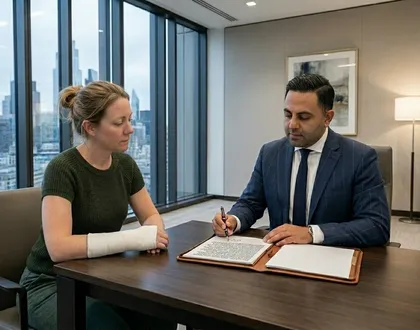
California Civil Code § 1714 requires property owners to use reasonable care to keep lawful visitors safe on their premises. That duty includes addressing dangerous snow and ice hazards in parking lots before someone gets injured. If an owner fails to do that and you get hurt, you may have a premises liability claim.
That duty may be breached if the property owner fails to:
- Clear the snow within a reasonable time.
- Apply salt or sand to icy areas.
- Fix drainage problems that create black ice.
- Warn visitors about a known icy hazard until it is removed.
To recover compensation, you must show the owner knew, or should have known, about the dangerous condition and failed to act. A slip-and-fall lawyer can gather maintenance records, surveillance footage, photos, and witness statements to help prove that the owner failed to meet that duty.
The property owner may argue that you were partly at fault. Even then, California’s pure comparative fault rule still allows you to recover compensation. Your percentage of fault simply reduces your recovery.
What To Do After An Icy Parking Lot Accident
Slip-and-fall accidents are the most common type of accident in icy parking lots. If you slipped on ice, evidence can disappear even faster because the ice may melt or someone may clear the area shortly after your fall. Knowing the proper steps to take after a slip-and-fall accident can help preserve critical evidence and protect your right to seek compensation.
If you sustain an injury in an icy parking lot, take these steps promptly:
- Get Medical Care Right Away: See a doctor even if your injuries seem minor. Your medical records help connect your injuries to the accident.
- Take Photos & Videos: Document the icy area, missing salt or sand, poor lighting, drainage problems, vehicle positions if applicable, and your injuries before the scene changes.
- Preserve Important Evidence: Keep the shoes and clothing you wore if you fell. If a vehicle was involved, save dashcam footage, repair estimates, and photos of the damage.
- Be Careful When Speaking With Insurance Companies: The property owner’s insurer may contact you soon after the accident. Avoid giving a recorded statement until you understand your legal rights.
After taking these steps, consider getting legal representation if you think you need a personal injury lawyer. An attorney can send a preservation letter requesting that the property owner keep surveillance video and other important records. They can also handle communications with insurance adjusters while you focus on your recovery.
At Arash Law, we also tailor our strategies to the nuances of slip-and-fall and other premises liability cases. That has allowed us to obtain significant settlements and court awards for our clients. Though we can’t guarantee the same outcomes for your claim, the following case results may be worth noting when you’re considering hiring an attorney:
- $3 million for a client who sustained a spine injury after a slip-and-fall.
- $1.3 million for a client who fell through a deteriorated roof due to a lack of safety protocols.
- $4.25 million for a client who sustained a TBI after falling off a platform while landscaping.
However, many people hesitate to call a parking lot accident lawyer because they worry about the cost. If you are wondering, “Do lawyers only get paid if they win?” the answer is generally yes. Most personal injury lawyers work on a contingency fee basis, so you pay nothing up front.
Frequently Asked Questions About Icy Parking Lot Injury Cases
If you slipped on ice or snow this winter, you may have questions about who is responsible, whether a government deadline applies to your case, or whether sharing some fault affects what you can recover. The answers depend on specific facts about where the fall happened and who controlled that property. Understanding these points can help you decide whether and how to move forward.
Who Is Responsible For Removing Snow And Ice From Sidewalks?
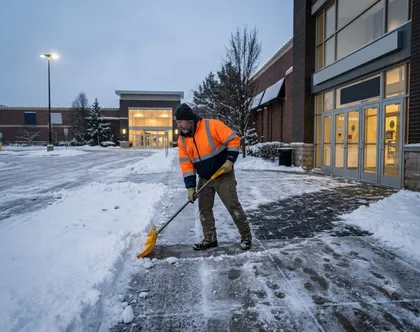
Local ordinances vary, but the duty usually falls on the property owner or occupant. Some shared walkways are managed by a Homeowners’ Association (HOA) or a property management company. Local government agencies may be responsible for public sidewalks. Renters may share the duty if their lease says so, but the legal responsibility usually stays with the property owner.
Can I Sue If I Slipped On Black Ice?
Yes. If the property owner failed to take steps like salting or sanding the area, you may be able to file a claim. The key is showing the owner knew or should have known about the hazard and failed to take reasonable steps to fix it.
What If I Slipped On Snow Tracked Inside A Store Entrance?
Property owners are also responsible for indoor hazards. Snow tracked in by customers melts on tile or hard floors, leaving slippery puddles. If the store did not clean up the water or post a warning, the owner may be liable for your injuries.
How Long Do I Have To File An Icy Parking Lot Injury Claim In California?
Under § 335.1 of the California Code of Civil Procedure, you generally have two years from the date of the accident to file a personal injury lawsuit. Meanwhile, if a city, county, or other government entity owns or maintains the parking lot, § 911.2 of the state’s Government Code requires you to first file an administrative claim with the responsible agency within six months of your injury. Missing either of these deadlines or any exceptions that may apply can prevent you from recovering compensation.
What If I Was Partly At Fault For My Injury?
Under California’s comparative fault rule, your compensation gets reduced by your share of fault, but you can still recover even if you were partly to blame.
Hurt In An Icy Parking Lot? Learn Your Legal Options With Arash Law
Many people look for free advice from a parking lot accident lawyer after getting hurt in an icy parking lot, especially when they believe a property owner’s negligence caused the accident. A free initial consultation gives you a chance to understand your rights before you decide what to do next.
Arash Law, also known as AK Law, offers a free case review. Our attorneys listen to what happened and explain your legal options in simple terms. We review the facts, answer your questions, and give you an honest assessment of your case.
After an icy parking lot accident, time is of the essence. Important evidence, such as surveillance video and maintenance records, may disappear if you wait too long. Call us today at (888) 488-1391 to learn how we can help.