TL;DR: If you get injured while shopping at Spirit Halloween or another seasonal pop-up store, seek medical care, report the incident, and document the hazard. Request preservation of security footage and store records as soon as possible. You may have a personal injury claim if the retailer, landlord, or another party’s negligence caused your injury.
If an unsafe condition causes your injury at a Spirit Halloween or seasonal pop-up store, seek medical care, report the accident, and photograph the hazard. You should also request that the store preserve security footage and other evidence that may support your claim. California Civil Code § 1714 generally requires property owners and businesses occupying property to use reasonable care to prevent injuries. This duty applies to seasonal retailers, even when they operate from temporary locations.
Seasonal store closures can make it harder to gather evidence for a personal injury claim. Security footage may be overwritten, employees may leave, and inspection records may become harder to obtain after the store closes. You may still have a valid claim after a seasonal store shuts down. However, preserving evidence while the location remains open can help establish the cause of your injuries and whether someone failed to maintain reasonably safe conditions.
Key Facts About Spirit Halloween Injury Claims in California
- Seasonal stores must maintain reasonably safe shopping areas. This includes securing decorations, safely arranging merchandise, and keeping aisles clear.
- Stores may be liable for hazards they fail to address. Under California Civil Code § 1714, retailers must exercise reasonable care to prevent injuries.
- Retailers and landlords may share liability. Responsibility depends on property control, maintenance duties, and the cause of the injury.
- Store closures do not eliminate injury claims. However, security footage, records, and witness information may become harder to obtain.
- Injured shoppers may qualify for compensation. Recoverable damages may include medical expenses, lost wages, and pain and suffering.
Table of Contents

Immediate Steps to Take After an Injury at a Spirit Halloween or Another Seasonal Pop-Up Store
After an injury at Spirit Halloween, prioritize medical care, report the incident, document the hazard, preserve evidence, and collect witness information. These steps can help protect your health and support a potential personal injury claim.
Step 1: Seek Medical Care as Soon as Possible
Seek medical care promptly after an injury, even if your symptoms initially seem minor. Visit an emergency room, urgent care center, or other medical provider based on the nature of your injuries.
Tell your provider how the accident happened and describe any pain or symptoms you are experiencing. Medical records can help document your injuries, treatment, and possible connection to the accident.
Keep copies of your medical bills, prescriptions, treatment instructions, and follow-up appointments. These records may help establish the medical expenses and other losses associated with your claim.
Step 2: Report the Injury to a Store Manager
Report the accident to a store manager as soon as you can safely do so. Explain where the incident happened, what caused your injury, and whether you need medical assistance.
Ask the manager to prepare an incident report and request a copy. If the store refuses to prepare a report or provide a copy, document the accident yourself. Write down the date, time, location, hazardous condition, manager’s name, and details of your conversation.
You can still pursue a personal injury claim even if the store refuses to provide an incident report. Your photographs, medical records, and witness statements may help document what happened.
Step 3: Photograph the Scene and the Hazard
Take photos of the accident scene before employees remove or repair the hazard, if you can do so safely. Document the following:
- The Hazardous Condition: Spills, fallen merchandise, loose cables, unstable decorations, or damaged flooring.
- The Surrounding Area: Nearby aisles, entrances, exits, merchandise displays, and walking paths.
- Lighting and Visibility: Dim areas, blocked views, and any warning signs.
- Your Injuries: Visible bruising, cuts, swelling, or other physical injuries.
- Your Belongings: Damaged shoes, clothing, or personal items involved in the accident.
Keep the original photos and videos whenever possible. These may help show whether the hazard was visible, whether the store provided adequate warnings, and how the accident occurred.
Step 4: Request Preservation of Security Footage and Store Records
Send a written request to preserve surveillance footage and other relevant evidence as soon as possible. Spirit Halloween, other seasonal pop-up Halloween stores, and their property owners may have recordings or documents that help establish what caused your injury.
Your request can identify:
- The accident’s date, time, and location.
- The camera views that may have captured the incident.
- Incident reports and witness statements.
- Inspection logs, cleaning schedules, and maintenance records.
- Records showing previous complaints about the same hazard.
A written preservation request documents what evidence you asked the store or property owner to retain. Whether the recipient has a legal duty to preserve particular evidence depends on the circumstances, including whether litigation is reasonably anticipated.
Spirit Halloween accident lawyers can help identify the appropriate recipients and request relevant records before routine deletion or seasonal closure makes them harder to obtain.
Step 5: Collect Witness Information
Collect contact information from anyone who witnessed your accident or saw the hazardous condition beforehand. Other shoppers and employees may help establish what happened and whether the danger existed before your injury.
Ask witnesses for their names, phone numbers, and a brief account of what they observed. Avoid pressuring anyone to give a particular version of events.
Early documentation can help preserve evidence for your claim. Even if you cannot complete every step at the scene, you can continue gathering medical records, photographs, and other information after receiving necessary treatment.
Who May Be Liable for Injuries at Spirit Halloween or Other Seasonal Pop-Up Stores?
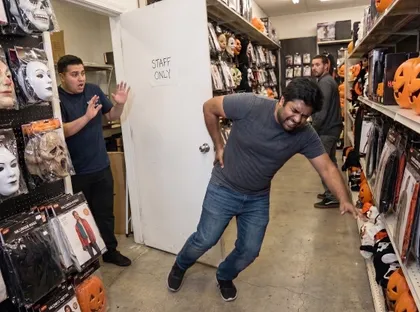
Spirit Halloween, other seasonal pop-up retailers, property landlords, or other parties may be responsible for injuries caused by unsafe conditions. Liability depends on each party’s control of the property, maintenance duties, and actions that contributed to the accident.
While the number of accidents that happen on Halloween highlights broader safety concerns during the holiday, liability for an injury at a seasonal store depends on the specific circumstances. Under California Civil Code § 1714, businesses and property owners generally must exercise reasonable care to prevent foreseeable harm. This duty can apply even when a retailer operates under a temporary lease.
The Seasonal Pop-Up Store’s Responsibility
Spirit Halloween and other seasonal retailers are generally responsible for maintaining reasonably safe conditions in areas they occupy or control. These typically include sales floors, merchandise displays, temporary fixtures, and customer walkways.
Retailers must exercise reasonable care to prevent or address hazards such as:
- Fallen Decorations: Halloween props, costumes, or merchandise left in walking paths.
- Exposed Electrical Cords: Extension cords or cables that create tripping hazards.
- Unstable Displays: Temporary shelves, decorations, or fixtures that could tip over or collapse.
- Blocked Aisles: Boxes, merchandise, or equipment obstructing walkways.
- Spills and Debris: Slippery substances or scattered materials left on the floor.
- Damaged Flooring: Loose carpeting, uneven surfaces, or other flooring defects.
A seasonal retailer may be held liable if its failure to exercise reasonable care causes your injury. For example, if employees leave an exposed electrical cord across an aisle and you trip over it, the store may be responsible for your resulting losses.
The Landlord’s Responsibility
Property landlords are generally responsible for exercising reasonable care in areas they control or maintain. These may include parking lots, exterior walkways, building entrances, and shared corridors.
A landlord may be liable if a dangerous condition in one of these areas causes your injury and the landlord failed to exercise reasonable care. For example, an unrepaired pothole in a parking lot may support a claim if the landlord knew or reasonably should have known about the hazard.
Both the retailer and landlord may share liability for the same accident. Their maintenance duties, control of the property, and conduct help determine each party’s responsibility.
How Do You Prove the Store Knew About the Hazard?
You may use security footage, inspection records, and witness statements to establish that a seasonal retailer knew or should have known about a dangerous condition. California premises liability law recognizes two types of notice:
- Actual Notice: The store or its employees knew about the hazard before your accident.
- Constructive Notice: The hazard existed long enough that reasonable inspections should have revealed it.
Under Ortega v. Kmart Corp., 26 Cal.4th 1200 (2001), a store’s failure to inspect an area within a reasonable time may support a finding that it should have discovered the hazard.
The following evidence may help establish whether the store had an opportunity to prevent your injury:
- Inspection and Cleaning Records: Show when employees last checked or cleaned the area.
- Security Footage: May reveal when the hazard appeared and how employees responded.
- Witness Statements: Can help establish whether the danger existed before your accident.
- Previous Complaints: May indicate whether the store was aware of recurring hazards.
Missing or incomplete inspection records may also be relevant, depending on the circumstances. However, missing records alone do not automatically establish negligence.
A Halloween accident lawyer can review the available evidence and assess whether the store failed to exercise reasonable care.
What If a Defective Halloween Product Caused Your Injury?
You may have a product liability claim if a defective Halloween item caused your injury. Unlike a premises liability claim involving unsafe store conditions, a product liability claim focuses on defects in the product itself.
For example, if a defective animatronic prop injures you, it may raise product liability issues. However, if the injury results from how the store installed, secured, or operated the prop, premises liability may also be relevant. A product may be defective because of its design, manufacturing, or inadequate safety warnings. Under Vandermark v. Ford Motor Co., 61 Cal.2d 256 (1964), retailers may face strict liability for defective products they sell.
Strict liability means you do not necessarily have to prove that the seller acted negligently. However, you must still establish that the product was defective and that the defect caused your injury. Depending on the circumstances, both premises liability and product liability claims may apply.
What Compensation Can You Recover After an Injury at Spirit Halloween or Another Seasonal Pop-Up Store?
You may be eligible to pursue compensation if another party’s negligence caused your injury at Spirit Halloween or another seasonal pop-up store. The amount you can recover depends on the severity of your injuries, their impact on your daily life, and the circumstances of your case.
California personal injury claims generally recognize two types of compensatory damages:
Economic Damages
Economic damages cover the financial losses caused by your injury. They may include:
- Past and Future Medical Expenses: Emergency treatment, hospital care, surgery, medications, physical therapy, and necessary future treatment.
- Lost Wages: Income you missed because your injuries prevented you from working.
- Lost Earning Capacity: Reduced ability to earn income in the future because of lasting injuries.
Medical bills, employment records, and expert assessments may help establish these losses.
Non-Economic Damages
Non-economic damages compensate you for physical and emotional harm that does not have a fixed financial value. They may include:
- Pain and Suffering: Physical discomfort and pain caused by the injury.
- Emotional Distress: Anxiety, fear, or other emotional effects related to the accident.
- Loss of Enjoyment of Life: Reduced ability to participate in hobbies, recreation, and other meaningful activities.
The severity and duration of your injuries may affect the compensation available to you.
Can You Recover Compensation If You Were Partly at Fault?
Yes. California’s pure comparative negligence rule generally allows you to recover compensation even when you share responsibility for an accident. Under Li v. Yellow Cab Co., 13 Cal.3d 804 (1975), your percentage of fault reduces your recoverable damages.
For example, if your damages total $100,000 and you are found 20% responsible, your recovery would generally be reduced to $80,000. Your actions at the store do not automatically eliminate your right to pursue a claim. The evidence determines how fault may be divided.
How Long Do You Have to File a Personal Injury Lawsuit After a Seasonal Store Accident?
The deadline for filing a personal injury lawsuit after an accident at Spirit Halloween or another seasonal pop-up store depends on who is legally responsible. California generally allows two years to sue a private party, but claims involving public entities follow different procedures and deadlines.
- Lawsuits Against Private Parties — Two Years: Injured shoppers generally have 2 years from the date of injury to file a personal injury lawsuit against a private retailer or landlord (CCP § 335.1). Certain exceptions, including rules for minors, may extend this deadline.
- Claims Against Public Entities — Six Months: Injured shoppers generally must present a written administrative claim to the appropriate public entity within six months of the injury (Gov. Code § 911.2). This requirement may apply if a government agency is legally responsible for a dangerous property condition (Gov. Code § 835).
- Lawsuits Against Public Entities — Six Months/Two Years: Injured shoppers generally have 6 months to file a lawsuit after the public entity issues a legally sufficient written notice of rejection. If the entity does not provide a qualifying written notice of rejection, a two-year deadline from the date of injury generally applies (Gov. Code § 945.6).
Government claims must be submitted to the appropriate agency. Claims against the State of California generally go through the Department of General Services, Office of Risk and Insurance Management (DGS/ORIM) Government Claims Program. Cities, counties, and other local public entities generally have separate claim procedures.
When to Consult a Lawyer After an Injury at Spirit Halloween or Another Seasonal Pop-Up Store
Consider consulting a personal injury lawyer if you were injured at Spirit Halloween or another seasonal pop-up store, particularly in the following situations:
- You Suffered Serious Injuries: A lawyer can review your medical records, assess your losses, and help you pursue compensation for treatment costs, lost income, and other damages.
- The Store Disputes Responsibility: An attorney can gather evidence to challenge claims that the store was unaware of the hazard or that you caused the accident.
- Multiple Parties May Be Liable: A lawyer can investigate the responsibilities of the retailer, landlord, and maintenance contractors to identify which parties may be liable.
- The Store Is Closing or Has Closed: An attorney can request preservation of security footage, incident reports, and maintenance records before they become harder to obtain.
- The Insurance Company Offers a Settlement: A lawyer can evaluate the offer, negotiate with the insurer, and help determine whether it reasonably accounts for your injuries and losses.
You do not need to wait until a dispute arises to consult a lawyer. Early legal guidance can help you understand your rights, protect important evidence, and meet applicable filing deadlines.
Frequently Asked Questions About Spirit Halloween Injury Claims in California
How Long Must a Spill Be Present Before the Store Is Liable?
California does not set a fixed time period for how long a spill must remain before a store may be liable. When the store did not create the hazard, the injured shopper generally must show that the store knew about it or that it had existed long enough for employees to discover it during regular inspections.
Under Ortega v. Kmart Corp., 26 Cal.4th 1200 (2001), a failure to inspect an area within a reasonable time may support a finding that the store should have discovered the hazard. Whether the store had enough time to identify and address the danger depends on the circumstances.
What If the Store Claims It Did Not Know About the Hazard?
Not knowing about a hazard does not automatically protect a store from liability. If the condition had been there long enough for employees to discover it through regular checks, the store may still be responsible under a legal principle called constructive notice.
Missing inspection records or evidence that employees rarely checked the area may help support your claim, but they do not automatically prove negligence. Whether the store had enough time to discover and address the hazard depends on the circumstances of the accident.
Can I Sue If I Was Injured in the Store’s Parking Lot?
Yes. California law requires property owners and occupiers to exercise reasonable care over their parking lots and exterior common areas, not just the inside of the building. If poor lighting, a pothole, uneven pavement, or debris in the parking lot causes your injury, the property landlord, Spirit Halloween, or another seasonal retailer may be liable if their negligence contributed to the accident.
What If Another Customer Created the Hazardous Condition?
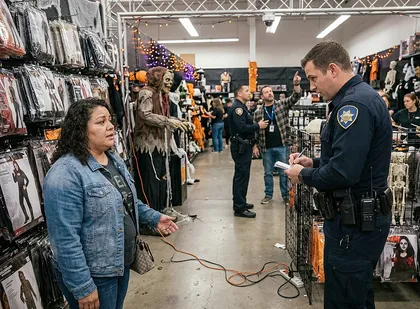
A seasonal pop-up store may still be liable if another customer created a hazard that employees failed to discover and address within a reasonable time. The store’s duty to maintain safe conditions does not automatically end because another shopper caused the danger. If the retailer failed to check the area within a reasonable time, it may be responsible for injuries caused by the hazard.
Does the Six-Month Government Claim Deadline Apply to All Seasonal Pop-Up Store Injuries?
No. The six-month deadline under Government Code § 911.2 generally applies when you have a personal injury claim against a public entity, not simply because the accident occurred at a seasonal store. If a public agency is legally responsible for your injury, you generally must submit a written claim to that entity within six months.
Should I Give a Recorded Statement to the Store’s Insurance Adjuster?
You generally do not have to give a recorded statement to a seasonal retailer’s or landlord’s insurance adjuster simply because the adjuster requests one. Different obligations may apply under your own insurance policy or specific circumstances.
The insurer may use your statement to evaluate fault and the extent of your injuries. If the adjuster requests medical records, authorizations, or other documents, ask what information they need and why. Before signing a broad medical authorization or accepting a settlement, consider having an attorney review the request. A settlement agreement may include a release that prevents you from seeking additional compensation for the same injury.
Arash Law’s Case Results Involving Retail Store and Premises Liability Injuries
Arash Law has represented clients injured in retail stores and on commercial properties due to unsafe conditions or negligent security. The following case results involve liability issues that may also arise in injuries at Spirit Halloween or other seasonal pop-up stores.
$1,000,000 — Premises Liability: While shopping at a big-box retailer, an individual assaulted our client. After another law firm dropped the case, Arash Law pursued evidence of inadequate security and the store’s prior knowledge of violent incidents.
$1,250,000 — Premises Liability: A painter suffered head and shoulder injuries, including a mild traumatic brain injury, after the defendants knocked down his ladder outside a nail salon. The case resolved three weeks before trial.
Disclaimer: Past case results do not guarantee or predict similar outcomes. Every case depends on its specific facts, injuries, evidence, and circumstances.
Speak With Arash Law About Your Seasonal Halloween Store Injury
If you sustain an injury at Spirit Halloween or another seasonal pop-up store in California due to someone else’s negligence or wrongful conduct, Arash Law can help you explore your legal options. You may have grounds to pursue compensation for your injuries and related losses.
Our personal injury attorneys can investigate the accident, identify potentially liable parties, and gather evidence to support your claim. We can also handle insurance negotiations and help you seek compensation for medical expenses, lost income, pain and suffering, and other damages.
Call Arash Law at (888) 488-1391 for a free case evaluation. Our team is available 24/7 to discuss your situation and answer your questions. We handle personal injury cases on a contingency fee basis, meaning you pay no attorney’s fees unless we recover compensation for you.
Sources
- California Civil Code § 1714 — General duty to exercise reasonable care, including duties relevant to premises liability claims. https://leginfo.legislature.ca.gov/faces/codes_displaySection.xhtml?lawCode=CIV§ionNum=1714
- California Code of Civil Procedure § 335.1 — General two-year statute of limitations for personal injury lawsuits. https://leginfo.legislature.ca.gov/faces/codes_displaySection.xhtml?lawCode=CCP§ionNum=335.1
- California Government Code § 911.2 — General six-month deadline to present personal injury claims against public entities. https://leginfo.legislature.ca.gov/faces/codes_displaySection.xhtml?lawCode=GOV§ionNum=911.2
- California Government Code § 835 — Public entity liability for injuries caused by dangerous conditions of public property. https://leginfo.legislature.ca.gov/faces/codes_displaySection.xhtml?lawCode=GOV§ionNum=835
- California Government Code § 945.6 — Deadlines for filing lawsuits against public entities following the government claim process. https://leginfo.legislature.ca.gov/faces/codes_displaySection.xhtml?lawCode=GOV§ionNum=945.6
- Ortega v. Kmart Corp., 26 Cal.4th 1200 (2001) — California Supreme Court decision addressing constructive notice and reasonable inspections in retail premises liability cases. https://courts.ca.gov/system/files/itc/caci08-02.pdf
- Li v. Yellow Cab Co., 13 Cal.3d 804 (1975) — California Supreme Court decision establishing pure comparative negligence, allowing recovery to be reduced according to the injured person’s share of fault. https://scholarlycommons.pacific.edu/cgi/viewcontent.cgi?article=2458&context=mlr
Disclaimer
The information on this page is for general educational purposes only and does not constitute legal advice. Reading this content does not create an attorney-client relationship. If you were injured at Spirit Halloween or another seasonal pop-up store, consult a licensed California personal injury attorney about your specific situation. Arash Law: (888) 488-1391.