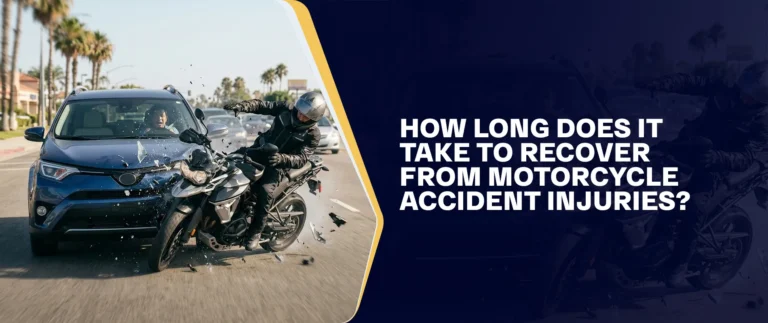
TL;DR: After a motorcycle accident in California, preserving medical and crash records influences whether compensation remains available. Fault assessments often depend on treatment timelines and evidence quality, especially when insurers dispute rider actions or assign partial liability.
Highlights:
- Follow your treatment plan and attend all medical appointments.
- Photograph injuries, vehicles, road hazards, and gear damage.
- Request a copy of the traffic collision report.
- Keep medical bills, pay stubs, and repair receipts organized.
- Submit a DMV SR-1 within 10 days if required.
- Write down symptoms and recovery progress in a journal.
- Consult a lawyer before giving recorded insurance statements.
Tip: Stick to clear facts with insurers and avoid guessing about speed, distance, or fault.
Table of Contents
After a motorcycle accident in California, there are a few things you can do to uphold your safety and legal rights:
- Concentrate on continuing medical care.
- Begin organizing all accident-related paperwork.
- Understand how insurance companies operate.
- Document your losses.
- Seek assistance from a motorcycle accident attorney.
California has some of the most beautiful highways in the country, attracting many motorcycle lovers. However, since these roads are also among the busiest, traveling here comes with serious risks. Each year, motorcycle accidents leave hundreds of bikers critically injured or dead.
According to the National Highway Traffic Safety Administration (NHTSA), in 2023, motorcycle bikers were roughly 28 times more likely to be killed in an accident than other vehicle passengers. That same year, UC Berkeley’s SafeTREC reported 583 motorcyclist fatalities, comprising 14% of all motor vehicle deaths in California.
Knowing what to do after an accident can affect your health and safety. If you’re considering seeking compensation for your losses, taking specific steps can also help support an insurance claim or legal case.
Steps To Take After A Motorcycle Accident
Following a motorcycle accident in California, it’s ideal to prioritize your health and document your losses. If your crash was caused by a negligent driver, such as someone who was speeding or under the influence, you may be eligible to seek compensation for medical bills, lost wages, and other losses from their auto insurance policy.
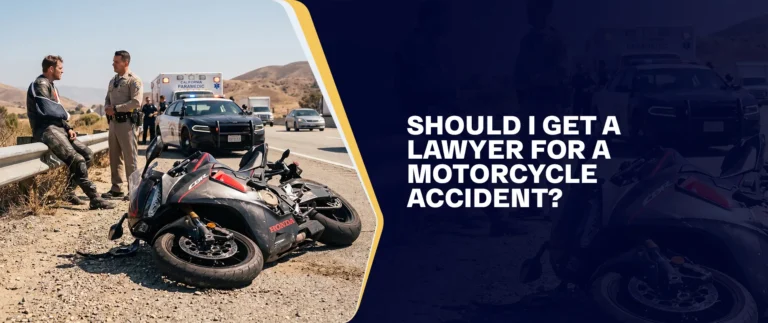
Your first priority after a motorcycle accident is your safety and health. Call 911, move to a safe location if you can, and accept medical care at the scene. Exchange contact and insurance information with the other driver, gather witness details, and take photos of the vehicles, roadway, and your injuries. Once your immediate needs are handled, you can focus on protecting your right to compensation by taking the following steps:
Taking these steps can help support your claim:
Focus On Ongoing Medical Treatment
If you received immediate medical attention after a motorcycle accident, continue seeking treatment until you recover. Motorcycles offer less protection than other vehicles, like cars. Bikers are more likely to sustain head trauma, spinal cord injuries, and other forms of bodily harm that require more extensive care.
That makes it crucial to follow your doctor’s advice, attend all your appointments, and report any new or worsening symptoms. If you delay or skip care, insurers may question how severe your injuries really are. Conversely, if you stick to your treatment plan, your doctor can create more comprehensive medical records that clearly describe the nature of your injuries and connect them to the crash.
Accomplish Any Legally-Required Reporting Procedures
Not all motorcycle accidents need to be reported to the authorities. That’s especially true if they don’t involve injuries or significant property damage. However, in California, the DMV requires you to submit an SR-1 form within 10 days if a crash injures or kills someone, or causes more than $1,000 in property damage. If this is the case for your accident, make this a key step in your post-collision to-do list.
Keep Detailed Records Of The Accident And Its Impact
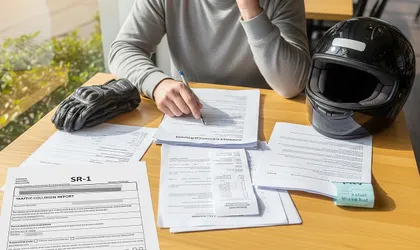
Once you can do so safely, start organizing all the paperwork related to the accident. Exhaustive documentation can prove how the accident occurred and who or what caused it. It can also help you effectively demonstrate the losses you incurred in a motorcycle crash.
Some records you can collect include:
- A traffic collision report was created by the officers who responded to the scene.
- A copy of the SR-1 form you submitted to the California DMV.
- Bills for accident-related medical expenses, such as for emergency room visits or prescription medicines.
- Pay stubs that indicate you missed work or made less money due to your injuries.
- Receipts related to repairing or replacing damaged motorcycle parts or riding gear.
Understand How Insurance Companies Approach Motorcycle Claims
The other party’s insurer might reach out soon after your accident, even while you’re still healing. Its adjusters will ask routine questions about how the crash occurred. However, be careful to stick to the facts when answering them. Simple statements like “I’m sorry” or “I’m fine” may give them valid grounds to dispute or deny your compensation claim.
Do not agree to give a recorded statement without preparation or legal guidance. Adjusters are trained to ask questions that may limit or undermine your claim. You also should not sign medical authorizations or settlement documents before fully understanding your injuries and future treatment needs. Accepting a quick settlement may prevent you from recovering additional compensation if your condition worsens.
That’s especially true when it comes to motorcycle accidents. Bikers are more likely to share fault in collisions because they can perform unique maneuvers such as lane-splitting and weaving through traffic. This consideration changes how motorcycle accidents are investigated in California. In particular, insurers may question whether you contributed to the crash, which could reduce your potential settlement. By watching what you say, you can better advocate for a fair assessment of fault.
Consult A Lawyer
Motorcycle accidents can result in complex liability issues and substantial losses. A motorcycle accident lawyer can help you understand the insurance and legal processes involved in pursuing compensation.
They can also assist with preparing your claim. For example, they can obtain security camera footage to further support your case. They can also help you understand your options if you contributed to the crash. California’s comparative negligence law allows you to seek compensation even if you were partly at fault, so you may want to understand how it applies to your situation.
Finally, consulting an attorney early can be beneficial, as the deadline to file a claim in California is two years from the date of the accident. The sooner they begin helping you with your case, the better you may be able to comply with the statute of limitations.
Why Do Motorcycle Accidents Happen?
No two accidents are the same. However, some specific contributing factors appear more often in crash reports and court cases across the state. Understanding which ones were involved in your collision can help you take the necessary insurance and legal steps.
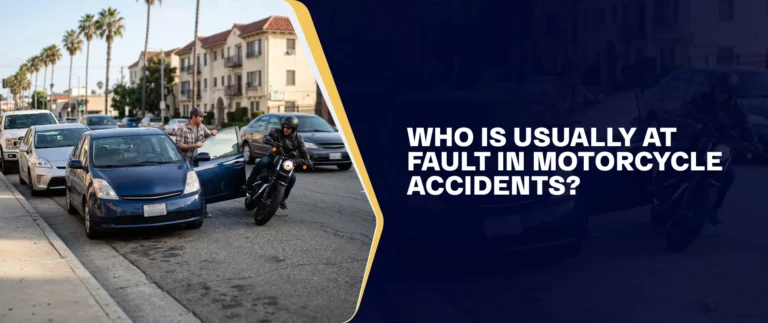
In many cases, the at-fault party is the driver of a passenger vehicle, not the motorcyclist. Drivers often fail to yield, misjudge a motorcycle’s speed, or overlook it in traffic before turning or changing lanes. However, fault can also fall on a rider, another motorist, or even a third party, depending on the specific facts of the crash.
California follows a comparative negligence system, which means more than one person can share responsibility for the same collision. Investigators and insurers look at police reports, witness statements, vehicle damage, and traffic laws to decide how much fault each party carries. That percentage directly affects how much compensation an injured rider may recover.
In a nutshell, many motorcycle accidents in California happen due to:
- Speeding — Driving beyond posted speed limits can reduce a motorist’s ability to respond to accident hazards. Going too fast can also increase the severity of a collision’s impact. According to a 2025 SafeTREC report, unsafe speed was the primary crash factor in 28.2% of fatal and serious injury motorcycle accidents in California.
- Left-Turn Accidents — These happen when a vehicle turns left at an intersection or into a driveway and crosses the path of an approaching motorcycle. Drivers may underestimate a motorcycle’s speed or fail to notice it before turning. These crashes are often difficult for bikers to avoid.
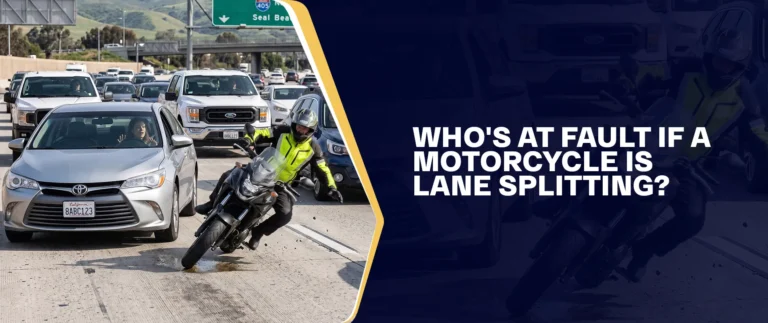
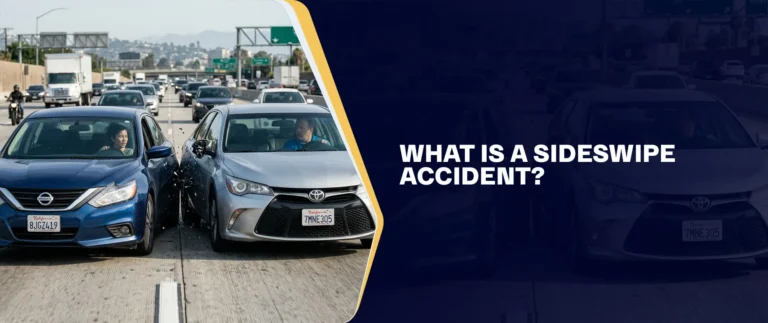
- Unsafe Lane Changes — One unique danger riders face is that motorcycles are smaller and harder to see than other vehicles. That puts them at a greater risk of accidents during lane changes. A vehicle that fails to check its blind spot or use a turn signal may easily sideswipe a biker. Lane-splitting is allowed in California, which adds to driving uncertainty and errors.
- Impaired Driving — Driving under the influence of alcohol or drugs is a leading cause of traffic accidents in California. An impaired driver struggles to see, process information, and react quickly. That dramatically increases the risk of a motorcycle accident. Unfortunately, many motorcycle crashes involving intoxicated drivers result in serious injuries or deaths.
- Distracted Driving — Texting, changing GPS settings, or simply talking with other vehicle occupants can distract drivers and prevent them from noticing motorcycles nearby. They might also misjudge its speed or distance, or forget to yield. Such errors can cause serious accidents.
- Inexperienced Bikers or Drivers — New drivers may not be used to sharing the road with motorcycles. Similarly, beginner motorcycle bikers may lack the skills to avoid sudden threats.
- Poor Road Conditions — Compared to other vehicles, motorcycles are more likely to lose their balance and crash due to loose gravel, potholes, oil slicks, and unclear work zones. Government agencies or construction companies responsible for eliminating these hazards may be liable for any resulting accidents.
What Types Of Compensation May You Pursue?
Motorcycle accidents can cause severe injuries and significant losses. As such, state law allows bikers injured by another’s negligence to pursue different kinds of compensation depending on how a crash impacts their life. These include:
Economic Damages

These represent the financial losses caused by your motorcycle accident, such as:
- Medical Costs — These can include current and future expenses related to emergency department visits, hospital stays, surgeries, prescription drugs, chiropractic therapy, and anything else you require to recover after a crash.
- Lost Wages — Your injuries may keep you from working, even temporarily. In this case, you may be eligible to seek compensation for the income you can’t earn while you heal.
- Property Damage — This can include costs to repair or replace your motorcycle or riding gear.
Non-Economic Damages
These are losses that significantly affect your quality of life but are difficult to quantify. Though they’re more subjective, they can be a critical component of your compensation claim. Examples include:
- Pain and Suffering — The bodily pain and mental discomfort caused by your injury. The severity and duration of your suffering directly affect its value.
- Mental Health Issues — Emotional distress caused by conditions such as anxiety or PTSD, if they develop after the accident.
- Loss of Enjoyment in Life — Incapacity to engage in formerly enjoyable hobbies and interests. Examples include leisure riding, sports, or other activities that your injuries now prevent you from participating in.
- Disfigurement and Scarring — The lasting changes caused by physical alterations to your appearance. For example, severe road rash or burns from a motorcycle accident could affect your confidence and ability to socialize with others.
- Loss of Consortium — The loss of companionship, affection, and intimacy a spouse experiences due to their partner’s injuries.
Punitive Damages
Punitive damages may apply when the defendant acted with malice, oppression, or fraud. They aim to penalize the culprit and discourage similar future behavior. Courts rarely award them for typical motorcycle accidents. To pursue them, victims must provide substantial evidence of drunk driving, road rage, or other situations where the at-fault party showed a clear lack of concern for their safety.
Frequently Asked Questions (FAQs) About Motorcycle Accidents In California
After an accident, many injured victims seek reliable answers. They often turn to online guides or seek free advice from a motorcycle accident lawyer to better understand their situation. To address common concerns, here is a list of frequently asked questions about motorcycle accidents in California.
Is Lane Splitting Legal In California?
Yes, lane splitting by motorcycles is allowed in California. However, it must be done safely. If you do it too quickly or weave through traffic erratically, you might still get a ticket for unsafe operation or reckless driving.
How Quickly Do You Need To File A Motorcycle Accident Claim?
In California, you usually have two years to file a motorcycle accident claim. This deadline, or statute of limitations, starts on the date of the crash. If you don’t file within this time, you will generally lose your right to seek compensation.
However, time frames can change in specific situations. For example, suppose you crashed due to an unsafe condition on a city-maintained road or were hit by a government vehicle. You would only have six months after the accident to file an administrative claim with the appropriate public agency. Since deadlines can vary based on the specifics of your case, you can ask a lawyer about which ones may apply to your situation.
How Do I Report A Motorcycle Accident To The Police?
In emergencies, you can report a motorcycle accident by calling 911 immediately after the crash. An operator will typically dispatch police officers to the scene. For minor collisions, you can directly contact the police department with jurisdiction over the accident scene.
May I Still Seek Damages If I Wasn’t Wearing A Helmet?
Yes. However, your potential compensation may be reduced. All motorcycle riders and passengers are required by law to wear certified helmets. If you failed to do so during the accident, you may share some of the blame for your injuries.
California is a comparative fault state. That means multiple parties can share responsibility for an accident. If insurers or courts find that you contributed to the accident by not wearing a helmet, they could reduce your damages by your percentage of liability. For example, if you’re 20% at fault, an insurer or court may deduct 20% from your total damages.
What Are The Typical Injuries In Motorcycle Crashes?
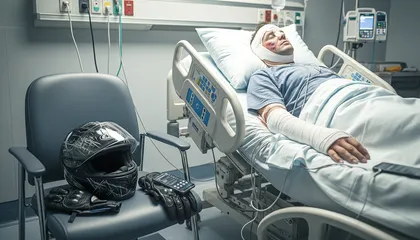
Motorcyclists are more likely to sustain severe injuries, such as:
- Traumatic brain injuries (TBIs), concussions, and skull fractures.
- Spinal cord injuries.
- Severe skin abrasions and lacerations.
- Scars or permanent disfigurement.
- Broken bones.
- Amputations.
Discuss Your Case With A Motorcycle Accident Lawyer In California
Motorcycles offer a sense of freedom, a feeling of being lighter than air, and one with the wind. Unfortunately, this openness also makes bikers vulnerable to accidents and injuries. Since they’re less protected than other road users, they’re more likely to feel the full impact of a collision.
A motorcycle crash may leave you with more questions than answers, especially when it comes to deciding what to do next. If you are feeling overwhelmed and thinking, “I need a personal injury lawyer,” know that you don’t have to go through this process alone.
Arash Law’s motorcycle accident lawyers can help you understand your options, prepare your claim, communicate with insurance companies, and advocate for your interests. That way, you can focus on your physical recovery.
Another way we can support you during these difficult times is by offering a contingency fee agreement. You might be wondering, “What does this mean? Do lawyers only get paid if they win?” The answer is yes. Under this no-win, no-fee policy, you will not owe us any attorney fees unless you receive compensation.
Contact AK Law at (888) 488-1391 for a free initial consultation.