TL;DR: Jonathan Hale of People’s Vision Zero was arrested for painting crosswalks without a permit, an act considered vandalism under California law. While meant to improve safety, unofficial crosswalks raise legal and liability concerns. Pedestrians still have rights at marked and unmarked crosswalks, and injury claims depend on the specific facts of each case.
Highlights:
- Call 911 and request a police report number at the scene.
- Photograph the crossing, signage, lighting, and any faded or DIY markings.
- Get driver details, witness names, and nearby camera locations immediately.
- Seek medical care promptly and follow up with all recommended treatment.
- Write down traffic conditions, visibility, and what each person did before impact.
- Report hazardous intersections to LADOT and keep copies of your reports.
- Ask a lawyer to evaluate driver fault and possible city notice issues.
Tip: Save originals of photos, videos, texts, and medical paperwork, and when speaking with insurers, stick to observed facts and avoid guessing about speed or fault.
Table of Contents
The LAPD arrested Jonathan Hale, a volunteer leader with People’s Vision Zero, after he allegedly painted 14 crosswalks without city approval. Although his actions were intended to draw attention to pedestrian safety concerns, altering public property without permission may qualify as vandalism under California law, even when done with good intentions.
Los Angeles launched its city-led Vision Zero program in 2015 to reduce traffic deaths through approved engineering, enforcement, and education efforts. Despite these goals, pedestrian deaths in Los Angeles have continued to rise over the past decade. This ongoing increase has fueled frustration among safety advocates and sparked public debate about whether Vision Zero is a failure.
These concerns highlight the real dangers pedestrians face on LA streets. If you were injured while walking, you may be asking yourself, “I need a personal injury lawyer.” An attorney can help you understand how California law applies to your situation and whether another party may be held responsible for your injuries.
After an accident, it is normal to have questions or seek free legal advice from an accident lawyer. The pedestrian accident lawyers at AK Law Firm offer free initial consultations to help injured individuals understand their rights and explore their legal options after a pedestrian accident. To learn more, call (888) 488-1391 to schedule a free case review.
Why Unofficial Crosswalks Are Appearing In Los Angeles
Los Angeles streets can be hazardous for pedestrians. LA’s crowded areas and heavy traffic increase the likelihood of accidents. The city has struggled to meet its pedestrian safety goals, and some critics argue that officials have not acted quickly enough to reduce fatalities and serious injuries. As a result, individuals such as Jonathan Hale have begun advocating more aggressively for safer streets.
People’s Vision Zero takes its name from Los Angeles’ official Vision Zero program. The latter is a city-led program, launched in 2015, aimed at reducing pedestrian deaths. However, instead of declining, pedestrian fatalities have continued to rise.
This perceived lack of progress has left many safety advocates frustrated. Despite repeated requests for safer streets, some advocates believe the city has not responded with timely infrastructure improvements. The group People’s Vision Zero emerged in response to this perceived inaction.
Pedestrian Safety Challenges That Fuel Grassroots Action
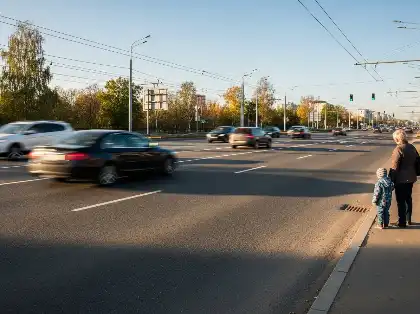
In many communities, pedestrian infrastructure has not kept pace with safety needs. High-speed roads often lack marked crosswalks, and when they do exist, they may not adequately serve children, older adults, or individuals with mobility limitations.
Footbridges are available in some areas, but they are rare and often spaced far apart, sometimes more than two kilometers. Using a bridge can add time, require climbing stairs, or make pedestrians feel unsafe, especially those who are vulnerable. As a result, many people choose to cross busy roads at street level instead, where drivers may not expect foot traffic and vehicle speeds are higher. These conditions increase the risk of serious pedestrian injuries and deaths.
When government responses to these risks are slow, grassroots groups often step in to push for change. However, pedestrian crashes can still result in severe injuries that require costly treatment, such as rehabilitation and ongoing chiropractic care. In these situations, injured pedestrians may seek compensation with the help of a Los Angeles pedestrian accident lawyer.
These ongoing infrastructure gaps and delayed responses help explain why pedestrian injuries and deaths continue to rise, both locally and nationwide.
High Pedestrian Injury And Fatality Rates
Pedestrian fatalities have risen steadily over the past decade. While many traffic deaths are preventable, they remain a significant public safety issue in the United States.
Each year, crashes cause over 40,000 deaths nationwide. Between 2013 and 2022, U.S. pedestrian death rates rose by approximately 50%, from 1.55 to 2.33 per 100,000 people. Among the countries studied, the U.S. recorded the highest pedestrian fatality rate.
Data from the Vision Zero Safety Study, covering the period from 2017 to 2021, show similar trends at the local level. During that period, Killed and Severely Injured (KSI) crashes increased by about 13%, with pedestrians involved in roughly 38% of those crashes.
Despite these rising injury and fatality rates, efforts to reverse the trend have fallen short of their stated goals.
Vision Zero Goals Vs. Actual Outcomes
Los Angeles launched Vision Zero in 2015 to eliminate traffic deaths. Then-Mayor Eric Garcetti aimed to reach zero fatalities by 2025. Instead, traffic deaths in the city have increased since the program began.
A city audit identified several reasons why Vision Zero has struggled to deliver results in Los Angeles. These included:
- A Lack of Clear Leadership — There was a lack of leadership in Vision Zero. Program priorities were not consistently agreed upon by all parties involved.
- Weak Monitoring Tools — Monitoring progress was challenging. There were no reliable systems in place to track progress or justify budget needs.
- Unbalanced Funding — The majority of the funds went to engineering. Limited resources went to education, enforcement, and evaluation.
- Less Stakeholder Involvement — Fewer important groups remained engaged in the program over time.
The audit findings from the Vision Zero Safety study are especially concerning, given the locations where severe crashes tend to occur. Although only about 11% of intersections in Los Angeles have traffic signals, these locations account for more than half of all Killed and Severely Injured (KSI) collisions across all travel modes. Long delays in addressing safety risks at these high-traffic intersections have further undermined Vision Zero’s ability to reduce serious pedestrian injuries and deaths.
Tactical Urbanism And People’s Vision Zero
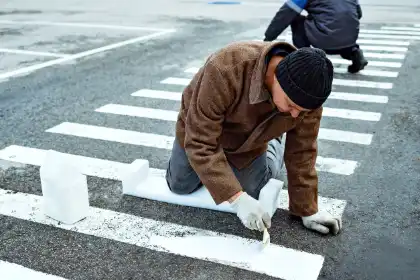
After years of slow progress on pedestrian safety, some Los Angeles residents have turned to tactical urbanism, also known as DIY urbanism. This approach employs small, low-cost actions to promote long-term changes in unsafe neighborhoods.
Jonathan Hale, a longtime bicyclist advocate, leads one such effort through People’s Vision Zero. Since 2015, the group has painted or repainted crosswalks at intersections where pedestrians were killed or seriously injured. Hale and others say they are acting because dangerous intersections often wait years for official improvements.
Unlike earlier “guerrilla” crosswalk efforts, People’s Vision Zero operates openly. The group’s goal is not to replace city planning but to draw attention to safety gaps and pressure the city to act on high-risk locations.
Hale’s Publicized Installations And Motivations
Hale gained inspiration from the Crosswalk Collective. This nonprofit paints crosswalks in Los Angeles. They aim to make streets safer for pedestrians and drivers. They focus on intersections where individuals sustained injuries or lost their lives. The group only acts after asking the city to help first. They intervene on their own if the government fails to respond after a few months.
Jonathan Hale describes his crosswalk painting as an act of civil disobedience. He is staging a protest using paintbrushes, taking action where the city hasn’t. In August 2025, Hale made headlines for painting crosswalks near Stoner Park. He also led a crosswalk painting at a Koreatown intersection where an RV driver hit and killed 9-year-old Nadir Gavarrete in July 2025.
They have also painted crosswalks in Sawtelle and the San Fernando Valley. Hale alleged that the city has been too slow or unwilling to fix dangerous intersections.
Hale defended his group’s actions, saying, “We believe that traffic violence is a public health crisis, and we need to act with urgency to get stuff done.”
These actions have received mixed responses from the community. Some people view it as a positive form of civic activism. Others believe residents should not initiate such changes. “On the one hand, they are taking matters into their own hands and trying to be good citizens. On the other hand, it’s really not their role.” Beatriz Cantelmo, a Westwood resident, said.
Legal And Safety Implications Of DIY Crosswalks
Cities must follow safety and legal rules before installing crosswalks. In a statement to LAist, the Los Angeles Department of Transportation said it “shares the community’s goal to make neighborhood streets safer” and is reviewing locations to add crosswalks that meet state and federal standards.
Former transportation official Diego de la Garza said cities can be held responsible for unsafe conditions on public property. He warned that DIY crosswalks can be dangerous because they create a false sense of safety for pedestrians.
Installing a safe crosswalk requires careful planning, which includes consideration of speed limits, lighting, traffic signals, and accessibility. Two key legal and safety concerns with DIY crosswalks include:
- California Rules on Traffic Markings — California adheres to strict standards outlined in the Manual on Uniform Traffic Control Devices (MUTCD), which governs traffic signs, signals, and pavement markings. DIY crosswalks that do not meet these standards can confuse drivers and pedestrians, potentially increasing the risk of crashes.
- Increased Safety and Accessibility Risks — Many DIY crosswalks fail to meet Americans with Disabilities Act requirements, often because sidewalks or curb ramps are missing. While upgrading intersections can be costly, advocates argue that delays leave pedestrians exposed to danger. Without proper design and approval, unofficial crosswalks may increase risk instead of improving safety.
How Guerrilla Crosswalks Influence City Policy And Pedestrian Rights
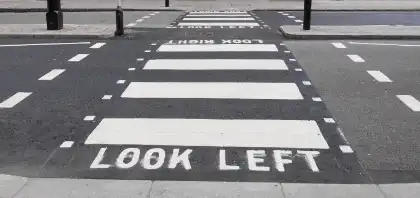
In Los Angeles, pedestrian safety improvements often take years to implement. Frustration with these delays has pushed some residents to take matters into their own hands by creating unofficial crosswalks. While these actions bypass the city’s approval process, they highlight a larger issue: gaps in pedestrian infrastructure can leave people exposed to serious risk.
From a legal standpoint, pedestrians have rights regardless of whether a crosswalk is visibly marked. In most intersections, crosswalks exist even without painted lines, and drivers are still required to yield. If a driver hits a pedestrian, the absence of paint does not excuse the driver’s responsibility, which can be an important factor in an injury claim.
Because pedestrian injury cases often involve complex legal and insurance issues, working with an experienced pedestrian accident attorney can help injured individuals understand their rights and pursue the compensation to which they are entitled.
Frequently Asked Questions About Pedestrian Accidents On Crosswalks
Pedestrian accidents at crosswalks often raise questions about who is at fault and what rules apply. This can be especially confusing when a crosswalk is unmarked or when safety features are missing. Below are answers to some common questions people have after a pedestrian accident involving a crosswalk.
Why Was The People’s Vision Zero Leader Arrested For Painting Crosswalks?
Jonathan Hale was arrested because painting crosswalks without city approval is illegal in California.
Under state law, marking public streets without a permit is considered vandalism of public property. Even when done to improve safety, installing or painting a crosswalk without authorization can create legal and liability concerns. City officials view these actions as both unlawful and potentially risky because they bypass required safety reviews and standards.
Who Can Install Crosswalks Legally?
Only local transportation agencies, such as LADOT in Los Angeles, can install crosswalks. Safety regulations impose this limitation. Unauthorized painting can result in fines and removal. These agencies can act against rule violators. The recent arrest of Jonathan Hale is a prime example.
When Can A City Be Held Liable?
A city can be held liable when an accident happens because it failed to keep public property reasonably safe. This may include dangerous conditions on streets or at crosswalks that the city was aware of, or should have been aware of, but did not address.
While pedestrians are encouraged to use crosswalks, poorly designed or maintained crossings can still pose serious safety risks and lead to injuries. Pedestrian accident lawyers often review whether the city had notice of the hazard and whether reasonable steps were taken to correct it when assessing potential liability.
When Can Drivers Be At Fault, Regardless Of Markings?
Drivers may be at fault for a pedestrian collision even when no crosswalk markings are present. Under the California Vehicle Code, pedestrians generally have the right-of-way at both marked and unmarked crosswalks at intersections. Drivers must slow down, exercise due care, and yield to pedestrians when they are crossing the roadway.
A driver may be considered at fault if they fail to yield, drive too fast for conditions, ignore visibility limitations, or otherwise do not take reasonable steps to avoid hitting a pedestrian, regardless of whether the crosswalk is clearly marked.
How Can Unofficial Crosswalks Affect Injury Claims?
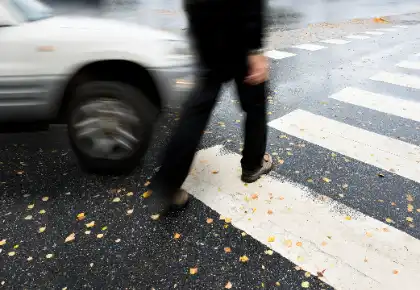
Even though the law is clear, pedestrian accidents still occur at unmarked crosswalks. Determining who is at fault can be complicated and depends on the details of each case. If it’s a guerrilla crosswalk like those by People’s Vision Zero, liability can be more complex. These crosswalks aren’t government-approved and haven’t passed safety checks.
Pedestrians must be careful not to step into traffic, as it endangers them and other road users. At the same time, drivers may sometimes miss unmarked crosswalks. This lapse in perception can lead to accidents if they fail to yield the right-of-way.
Both pedestrians and drivers have a duty to be careful. This shared responsibility can be significant. Lawyers handling pedestrian accident cases often consider factors such as visibility, traffic conditions, and the actions of each party to determine how responsibility may be assigned. This shared-responsibility framework is especially important when injury claims involve unmarked or unofficial crosswalks.
Do Lawyers Only Get Paid If They Win?
Not necessarily. Some attorneys can charge you hourly. However, other pedestrian accident lawyers offer services on a contingency fee basis. This policy means that you won’t owe attorney’s fees unless you get a settlement or award.
Contact Our Pedestrian Accident Lawyers If You Sustain Injuries At A Crosswalk
Following a pedestrian accident, you may face pain and financial strain. A car accident lawyer who handles pedestrian cases can assist you. They can explain your rights and guide you through the legal process. Arash Law’s attorneys can help you seek compensation.
Questions after a pedestrian accident? Contact Arash Law at (888) 488-1391 for a free initial consultation. Our personal injury attorneys can help you make informed decisions about your case.