TL;DR: A pedestrian accident settlement usually takes 6 to 12 months in California, with longer timelines when injuries are severe or when fault is disputed. Pedestrians face financial strain as insurers review medical records, question injury severity, assign comparative fault, and address liens before payment occurs.
Highlights:
- Get medical care immediately and attend every follow-up appointment.
- Track treatment until Maximum Medical Improvement to support your demand package.
- Photograph injuries, the scene, traffic signals, and skid marks as soon as possible.
- Collect witness names and contact information while memories are fresh.
- Request and save the police report, medical records, and all billing statements.
- Organize wage-loss proof and out-of-pocket receipts in one place.
- File within 2 years – 6 months for government claims.
Tip: If an insurer contacts you, stick to documented facts, avoid guessing, and preserve originals of photos and records.
Table of Contents
In California, pedestrian accident cases generally resolve within six to 12 months. It may take longer to settle more complex claims, such as those that go to trial.
The claims process for pedestrian accidents typically follows these steps:
- Injured victims receive medical treatment.
- A lawyer gathers evidence and prepares a claim.
- A demand letter is submitted to the at-fault party’s insurer.
- The insurance company reviews the claim and decides whether to accept or deny it.
- An attorney can contest unfair denials or negotiate settlements with insurers.
- If settlement discussions fail, the victim may file a lawsuit.
- The case may proceed to trial if both parties cannot reach a settlement during litigation.
- The victim receives compensation if they accept a settlement offer or win a court case.
Several factors can affect this timeline. Examples include how long it takes to gather evidence, whether insurers dispute your claim, and whether you need to file a lawsuit.
Pedestrian Accident Claim Timeline
The claims process for pedestrian accidents involves several steps. The time it takes to accomplish each one can affect how long it takes to settle a case.
Medical Treatment
If you get injured in a pedestrian accident, seek immediate medical care. Aside from safeguarding your health, doing so also allows doctors to connect your injuries to the crash directly. That can help support your claim.
The time it takes for you to recover can range from a few weeks or months to a year or more, depending on the severity of your injuries. Extensive or long-term care, such as surgery and rehabilitation services provided by physical therapists and chiropractors, can prolong this period. That will more likely be the case for pedestrian accidents. Since you have less protection compared to vehicle occupants, you’re more likely to sustain severe injuries.
Treatment usually continues until you reach Maximum Medical Improvement (MMI). MMI is often the point at which your condition stabilizes. It does not necessarily mean a full recovery. MMI is also an essential feature in your demand letter. The insurer will review it when deciding whether to accept or deny your claim.
Detailed documentation about your recovery period can help claims adjusters confirm the severity of your injuries and the necessity of your treatment plans. It can also account for future medical expenses you may incur as a result of the accident. Otherwise, you may undervalue these costs when reviewing settlement offers.
Case Preparation
After receiving immediate medical care, you can consult a lawyer to confirm whether you can file a claim. If you have a case, you can begin preparing it. An attorney will investigate your accident by gathering evidence, such as:
- Photos or videos of the accident
- Witness accounts
- Police reports
- Medical records
Your lawyer will use the findings of their investigation to determine who and what caused the accident. They will also identify your damages and estimate your value. Finally, they’ll condense all of this information into a demand letter. These tasks can take a while to accomplish and could extend the pre-litigation injury case timeline.
Claim Submission

You or your lawyer will then submit the claim to the at-fault party’s insurer. Note that this is different from filing a lawsuit, which involves submitting a civil case to the local county court.
When it comes to submitting a claim, a personal injury lawyer will instead send a demand letter to the insurance company. This document summarizes the extent of your injuries and the treatments you have received. It also outlines all your damages and requests a fair settlement to cover them. Notably, not all demand letters specify the amount of compensation a victim is seeking.
Upon receiving your demand letter, the insurer will review it. The company will typically conduct its own investigation into the accident to confirm the facts of your case. From here, it will choose whether to accept or deny your claim.
Settlement Negotiations
If the insurer accepts your claim, they will send you a settlement offer. Your lawyer can help you review it. If it’s deemed insufficient, they can negotiate for another amount based on your documented losses. During this time, claims adjusters may also raise disputes.
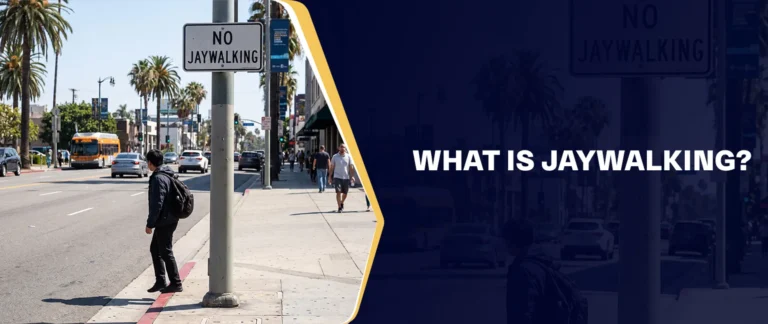
For example, insufficient or weak evidence may not be enough to prove the severity of your injuries. They might also argue that you contributed to them. These issues can arise in pedestrian accidents, especially since you’re more likely to sustain serious bodily harm. Actions like jaywalking can also cause insurers to question whether you share fault in a crash.
Attorneys can gather evidence to address these disputes during negotiations. If these issues persist and settlement discussions fail, you may be able to file a lawsuit.
Mediation And Trial
Unless both parties reach a fair settlement, they may decide to take the case to court. However, the court may order or encourage the parties to attend mediation if talks break down. Before a trial, a mediator can help the parties reach a settlement. Many personal injury claims settle before reaching the courtroom.
If mediation fails, your case will proceed to trial. This process can take anywhere from a few days to several weeks. The more complex your case is, the longer it may take to resolve. Court schedules could also extend the timeline for resolution.
Disbursement
You receive compensation if you accept a settlement offer or win a court award. The payment process may take a few days to several weeks. Some of the steps involved can include:
- Release signing
- Lien or contingency fee resolution
- Check issuance
- Client disbursement
Factors That Delay A Pedestrian Accident Settlement
Some complications or disputes may prevent you from resolving your case in a timely manner.
Claim Denials
Insurers may have valid reasons to reject claims. For example, you may have insufficient evidence, or the extent of your losses might not justify the amount of compensation you’re seeking.
You can appeal by writing a demand letter to the insurer explaining the reasons for the denial. Such rejections may necessitate multiple rounds of requests for proof or informal mediation. These additional steps may extend your case’s timeline by several weeks or months.
Policy Limits And Coverage Issues

The extent of the at-fault party’s liability coverage impacts not only the amount of a pedestrian accident settlement but also a case’s timeline for resolution. Here are examples of issues that could cause delays:
- Low Policy Limits — Can sometimes lead to faster tenders.
- Uninsured or Underinsured Motorist — UM/UIM coverage may involve contractual notices or cooperation requirements with varying deadlines.
- Multiple Coverages — The at-fault party may have several insurance policies. Examples include driver, employer, rideshare, or umbrella coverage. These may extend insurer investigations.
Medical Liens
Some healthcare professionals and services may place a lien on your personal injury settlement. This way, you don’t need to pay their fees up front. Instead, they will receive their payment through future compensation, usually from a final settlement or court award. However, these liens, such as Medicare, Medi-Cal, or health insurer liens, can delay payout even after a settlement agreement.
Multiple Defendants And Comparative Fault Disputes
California uses a comparative fault system. During a trial, the court or jury assigns a percentage of fault to each party responsible for the accident. Though these can include injured pedestrians like yourself, you can still pursue compensation under these circumstances. However, the complexity of having multiple parties share the blame can delay your case.
For example, an insurer may claim that you stepped off a curb without looking, so its client couldn’t avoid hitting you. It could take a while for your attorney to gather and present evidence that proves otherwise. Suppose you proceed to trial and the court finds you to be 30% at fault. It may only award you 70% of your total damages. However, it will only make these decisions after lengthy deliberations.
Other parties, such as automakers, maintenance staff, and government agencies, may be liable for the accident. For instance, the at-fault driver’s car may have crashed due to faulty brakes. Another example is when a government vehicle collides with yours. Filing claims or lawsuits against multiple at-fault parties and their insurers can take time, further delaying your settlement.
Ways To Settle Pedestrian Accidents
The method you use to settle a pedestrian accident will depend on the specifics of your case. As an injured party, you could seek compensation through the following channels:
Personal Injury Claim
One of the simplest ways to pursue compensation for your injury is to file an insurance claim. You usually submit it to the at-fault party’s insurer. However, your own insurance may apply in limited situations.
Personal Injury Lawsuit
You could file a civil case if:
- The at-fault party’s insurer accepts your claim, but settlement negotiations fail.
- The liable party is uninsured or has insufficient coverage for all of your injuries and losses. If your own insurance policy cannot fill in the gaps, you may have the option to demand compensation through a court trial.
- An insurer denies a valid claim. In these cases, bad-faith practices may allow you to sue the company directly.
Unlike insurance claims, lawsuits may be challenging to handle on your own. As such, you could consider seeking free accident lawyer advice.
As an injured pedestrian, you’ll likely be facing significant health and financial challenges. These may become harder to deal with alongside litigation. You might also be unfamiliar with related laws, such as those involving good-faith practices for insurers. In such scenarios, a pedestrian accident lawyer can help prepare, file, and present your case.
How To Speed Up Your Pedestrian Accident Claim
Though you can’t completely control how long it takes to settle a pedestrian accident, there are some things you can do to prevent unnecessary delays.
- Follow All Medical Advice Right Away — Follow your doctor’s instructions. Make sure to go to every follow-up appointment. More importantly, finish the required treatments within a specified period. Insurers can raise disputes due to gaps in medical care, delaying your case.
- Keep a Record of Your Losses — Obtain copies of medical bills and documents proving you missed work due to your injuries. These can help lawyers and insurers evaluate your damages.
- Save Every Piece of Evidence — After an accident, take pictures of your injuries. Capture details at the scene, such as skid marks and traffic signals. Get testimonies from witnesses while their memories are still fresh. You can also ask local police for a copy of their accident report. All this evidence can help support your version of events.
- Be Cautious When Speaking to Insurers — Any statement you make may put your claim at risk of delay or denial. For example, saying you’re fine may lead them to dispute the severity of your injuries. You’re not obligated to provide recorded statements, so you can tell insurers to direct their calls to your lawyer.
- Communicate Clearly With Your Attorney — Clear communication and updates with your lawyer can help avoid back-and-forth delays.
Damages You Can Pursue In A Pedestrian Accident Settlement

California law allows injured victims to seek compensation from the negligent party. The damages you seek will depend on how a pedestrian accident impacted your life:
- Economic Damages — Tangible and quantifiable losses, including:
- Emergency medical care
- Continuous medical costs
- Lost income
- Loss of earning potential
- Property damage
- Out-of-pocket costs
- Non-Economic Damages — Subjective, non-monetary losses, such as:
- Pain and suffering
- Emotional distress
- Loss of enjoyment of life
- Scarring or disfigurement
- Loss of companionship
- Wrongful Death — Pedestrian accidents can be fatal. In 2022, there were 1,158 pedestrian deaths in California. These comprised 26% of all motor vehicle fatalities in that year. You may be eligible to file a wrongful death claim if a family member dies in such an incident. In this case, the damages you may pursue include:
- Funeral and burial costs.
- Loss of companionship and financial support that the deceased would have provided.
- Emotional distress experienced by the surviving spouse, dependents, or children.
- Punitive Damages — The purpose of these damages is not to make up for your losses. Instead, they penalize the motorist for extreme negligence. Courts rarely award punitive damages. However, in pedestrian accident cases, these damages may apply when the at-fault party:
- Drove under the influence of drugs or alcohol.
- Fled the scene without offering assistance.
- Has a history of driving recklessly or aggressively.
Frequently Asked Questions (FAQs) About Settling Pedestrian Accident Cases
The claims process for pedestrian accidents often involves multiple steps and legal nuances. To clarify them, here are answers to some of the most common questions victims ask:
What Is The Deadline For Filing A Pedestrian Accident Claim In California?
California law generally allows you to file a personal injury claim within two years after the accident. Some exceptions may extend or shorten this deadline. For instance, you have six months to file a claim against a government agency, such as for an accident caused by a city bus.
Another example is if the injured person is a minor. In this case, the statute of limitations pauses until they turn 18. However, a parent or legal guardian can file a claim on their behalf before this time.
What’s A General Timeframe For Settling A Pedestrian Accident Case?
Although every case is different, many resolve within six to 12 months. However, others can take more than a year to settle. These cases often involve severe injuries, liability disputes, or lawsuits.
How Does California’s Comparative Fault Law Affect The Settlement Timeline?
California’s comparative fault law could delay the settlement timeline. It allows you to seek damages from multiple parties. It also lets you pursue compensation, even if you share liability. Insurers and courts will conduct investigations to determine each party’s percentage of fault. Depending on the complexity of your case, these can be time-consuming.
How Much Does It Cost To Hire A Pedestrian Accident Lawyer?
In California, attorneys often adjust their fees depending on the complexity of a case. For instance, a pedestrian accident lawyer may charge more if it involves multiple defendants or a trial.
At this point, you may be asking, “Do lawyers only get paid if they win?” Many personal injury lawyers take cases on a contingency basis. Through this no-win, no-fee arrangement, you don’t pay up front. Your attorney only charges you for their services if they win or settle your case.
Ask Our Attorneys About Pedestrian Accident Settlement Timelines
If a car hits you while you’re walking in California, you’re not just dealing with injuries and losses. You’re also facing a complex legal system with uncertain timelines. One case may last for weeks, while another may go on for years.
As a result, filing a claim could gradually become challenging to do on your own. In these cases, you might think, “I need a personal injury lawyer.” If you’re unsure of your next steps, the team at Arash Law can review your case. If you have a valid claim, an attorney can negotiate with insurers and work to prevent avoidable delays. That way, you can focus on your physical recovery.
Call AK Law at (888) 488-1391 to schedule a free, no-obligation initial consultation.