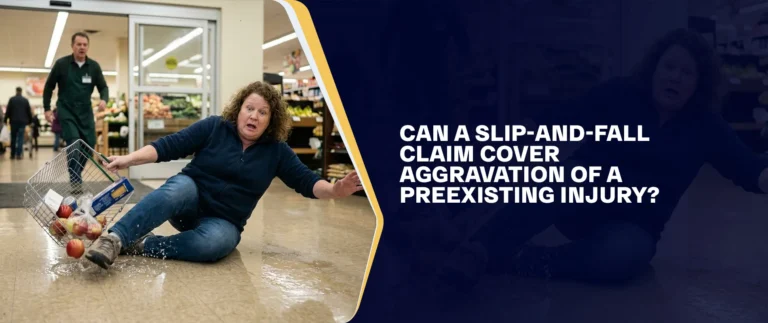
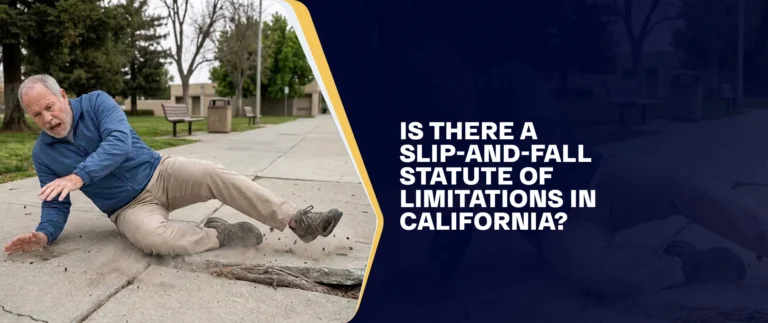
TL;DR: If you slip on a wet floor, the property owner may be responsible if they failed to clean the spill or warn people. These falls often cause broken bones or head injuries, and responsibility depends on how long the hazard was there and whether safety steps were taken.
Highlights:
- Seek medical attention immediately to assess injuries, even if you feel fine.
- Report the incident to the property owner or manager and request a copy of the incident report.
- Gather evidence, including photos, medical records, and witness statements.
- Ensure the hazard was reported and attempt to determine how long it was present.
- Act within California’s two-year statute of limitations to file a personal injury claim.
Tip: Preserve evidence, like the shoes or clothes you were wearing, to support your case.
Table of Contents
If you slip and fall on a wet floor, you could sustain serious injuries. In California, the property owner may be responsible if they failed to use reasonable care to fix this hazard or warn you about it. That means you could file a personal injury claim against them to pursue compensation for your losses.
Imagine this: you’re shopping at your local grocery store or walking to your desk to start your work day. Suddenly, you slip on something wet and fall. This can be more than just an embarrassing accident. Slips and falls have the potential to cause serious injuries, such as:
- Head trauma and concussions.
- Broken bones, particularly in the wrists, hands, knees, and ankles.
- Bruising and soft tissue damage.
Understanding what happens after a wet-floor slip-and-fall can help you protect your health, finances, and legal rights.
What Happens To Your Body When You Slip On A Wet Floor?
When you slip on a wet floor, you could fall in multiple directions:
- When falling forward, you’ll likely use your hands to brace yourself for the impact. You may strain or break your wrists if you land on them.
- Falling sideways can make your hips or the side of your head vulnerable to injury.
- Unlike when you’re pitching forward, you usually can’t brace yourself when falling backward. These slips and falls may lead to more serious injuries involving your head, neck, and back.
Common Injuries Linked To Wet Floor Slip And Falls
Depending on the direction you fall in, as well as the surface you land on and how slick it is, you could suffer from injuries ranging from minor bruises to bone fractures.
Common ones include:
Soft Tissue Injuries
Soft tissue injuries affect muscles, tendons, and ligaments. They cause swelling, pain, and limited movement. Unlike fractures or visible wounds, they are harder to detect and take longer to heal. They can lead to stiffness and reduced mobility, affecting daily activities and work. If left untreated, they can result in chronic pain and long-term complications.
Fractures
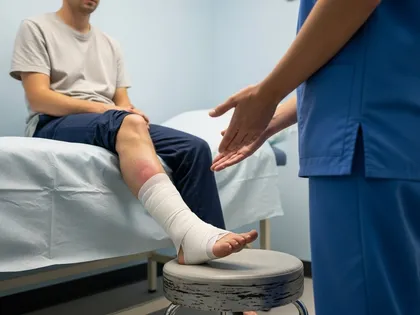
Fractures are among the most serious outcomes of slip-and-fall accidents. Broken bones can severely limit your mobility, affecting your daily life and independence. Beyond the immediate pain, they can cause ongoing discomfort long after they heal.
Depending on their severity, fractures may require long-term care or surgical intervention for recovery. The most common ones that can occur after a slip and fall affect the:
- Hips, such as due to falling to the side.
- Wrists, especially if someone tries to break their fall with their outstretched hands.
- Ankles, if they twist during a slip and fall.
Head Trauma
Even a short fall can cause your head to strike a hard surface from a height, potentially resulting in concussions, hematomas, or brain swelling. In severe cases, people may suffer lasting cognitive problems, memory loss, or motor difficulties. These conditions often require extensive medical treatment, rehabilitation, and family support.
Back And Spinal Injuries
According to the National Spinal Cord Injury Statistical Center, falls account for 31% of all spinal cord injuries in the United States. Falls from the same level, including slips and falls, accounted for the majority of the cases studied by the center.
Back and spinal cord injuries are devastating and challenging to treat, significantly reducing quality of life. The spinal cord is essential to the nervous system. An injury can disrupt communication between the brain and body, leading to paralysis or other serious complications.
Who Is Liable For A Wet-Floor Slip And Fall In California?
In California, premises liability law defines who can be liable for injuries caused by dangerous property conditions. Whether a wet-floor slip and fall occurs in a residential, commercial, or public area, potentially responsible parties can include:
- Property owners.
- Property managers.
- Tenants, such as renters in apartment buildings or businesses in malls.
- Third parties, such as store employees or maintenance companies.
How Responsibility Is Evaluated In Wet Floor Slip And Falls
After slipping on a wet floor and getting injured, you could file a personal injury claim and seek compensation from the at-fault party’s insurer. To do so, you must first identify whether their actions caused your accident. Here are some factors that affect how insurers and courts evaluate liability in slip-and-fall cases.
Visitor Status
Premises liability focuses on a property owner’s legal responsibility to maintain a safe environment for visitors. The duty of care they owe depends on these visitors’ reasons for being on their property in the first place:
- Invitees — People the property owner invites for business purposes, such as store customers. The owner must keep the premises safe and warn guests of any hazards.
- Licensees — Guests who come for social purposes, not for the owner’s financial benefit. The owner must warn them of known dangerous conditions, but is not required to inspect for unknown risks.
- Trespassers — People who enter a property without permission. Property owners owe them only a minimal duty of care: to avoid intentional harm.
Property owners, managers, or tenants who breach their duty of care to visitors may be held liable for any resulting accidents and injuries.
Wet Floor Hazards And Maintenance Standards
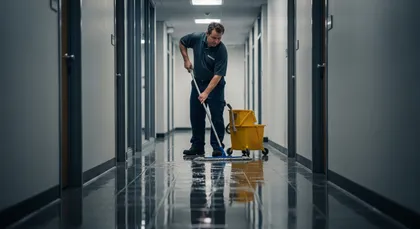
Identifying potential slip-and-fall hazards is the first step in preventing accidents. An at-fault party could be liable for a wet floor if they did not take steps such as:
- Routine Inspections — Regularly walking the property to spot potential hazards.
- Prompt Repairs — Fixing problems as soon as they’re identified.
- Employee Training — Educating staff at commercial properties on how to quickly find and report potential hazards.
Warning Signs And Visibility
Even with routine inspections and maintenance, hazards can still occur. When they do, and property owners, managers, or tenants cannot address this dangerous condition right away, they must take immediate action to warn visitors. Otherwise, they could be responsible for any resulting accidents. If you slipped on a wet floor and were injured on someone’s property because there were no warning signs, you may have a premises liability claim.
Timing And Notice Issues
How long a hazard exists before someone becomes liable depends on the circumstances. For example, it would be unreasonable to expect a grocery store manager to clean up every spill immediately. However, it would be more reasonable to expect them to respond quickly, such as by posting a “wet floor” sign.
Essentially, the longer a hazard, such as a spill, remains unattended, the more likely it is that a property owner, manager, or tenant will be liable for an accident. Not all conditions are the same, so you should consult an attorney to evaluate the property owner’s responsibilities in your case.
Comparative Fault Considerations
California law uses a pure comparative negligence system. It allows an injured party who shares fault for their injuries to seek compensation with one limitation: the court can reduce their potential award by their percentage of responsibility.
How does shared fault affect your slip-and-fall case? Consider these scenarios:
- You’re at a California shopping mall wearing smooth-soled shoes despite the rainy weather. Staff failed to promptly clean up a puddle, resulting in your slip and hip fracture.
- You’re at a friend’s home for dinner. On the way back from the bathroom, you slip on spilled wine because you were texting instead of watching where you’re going.
In both cases, someone else’s negligence caused the accident. However, your actions contributed to or worsened your injuries. Under California law, the court reduces any award or settlement based on your degree of fault.
For example, if your total damages are $100,000 and you are 30% at fault for the accident, you would recover only 70%, or $70,000.
How Can You Build A Case After Slipping On A Wet Floor?
If you get injured in a slip-and-fall accident, you can take specific steps to prepare a potential compensation claim.
Report The Incident
If you haven’t yet, report the slip-and-fall incident to the property’s owner, management, or responsible party. If the incident occurs at a business, request an incident report. This step can help create official records of your accident. Keep a copy for your records.
If you were injured in a workplace fall, tell your employer. Most workplace injuries in California are covered under workers’ compensation insurance, which provides benefits regardless of fault.
Get A Full Medical Evaluation
Visit a doctor if your injuries didn’t warrant an immediate hospital visit. Doing so can be important because many serious conditions, like concussions, may not exhibit symptoms early on. Healthcare professionals will also draft a medical record that directly links the accident to your injuries.
Preserve Evidence
Keep the shoes and clothing you were wearing when you fell. Do not wash or clean them. These can serve as visual evidence of the hazard that caused your injuries.
Consult A Lawyer
After taking the above steps, you’ll have enough documentation to present to a slip-and-fall lawyer for review. Their assessment can tell you whether you have a valid compensation claim.
If you do, they can help gather more evidence, alongside the records you already provided, to build your case even further. Using these details, they can draft and send a demand letter to the at-fault party’s insurer, kickstarting the claims process.
Frequently Asked Questions (FAQs)
Though seemingly simple, slip-and-fall accidents caused by wet floors can raise complex legal questions. Below are answers to some of the most common ones.
Is Slipping On A Wet Floor A Risk?
Yes. In fact, wet floors are among the most common slip hazards. The lack of traction can quickly cause victims to lose their balance and hit hard surfaces when they fall. Though these can result in bruises or bumps on the head, more serious slips and falls can lead to traumatic brain injuries or broken bones.
Can I Sue For Slipping In Water?

You could sue for slipping in water, but you have to file a personal injury claim first. This process starts by demonstrating that someone else’s negligence caused your accident. You can do so by proving these four elements:
- Duty of Care — The at-fault party owed you a duty of care. For instance, property owners must keep their premises safe for visitors.
- Breach of Duty — Following the above example, the owner fails to fulfill their duty to you. Failing to clean a wet floor or warn you about it constitutes a breach.
- Causation — The at-fault party’s breach of duty directly caused your slip and fall.
- Damages — You incurred actual losses due to the accident. Medical bills, proof of lost wages, and other pieces of evidence can help you demonstrate them.
You’re eligible to file a claim if all these elements are present. If the at-fault party’s insurer accepts your claim, you’ll negotiate a settlement. If these discussions fail or if the other side denies liability, you could sue them.
Who Is Liable If There Was A Wet Floor Sign?
The property owner, manager, or tenant who placed the sign may still be responsible for your slip-and-fall. The presence of a sign or cone doesn’t automatically protect them from liability, especially if:
- The warning wasn’t immediately apparent. For example, it was hidden behind a store display.
- It was located far away from the part of the floor that was actually wet.
- The at-fault party only placed one sign along the length of a large spill, such as one spanning the entire length of a grocery store aisle.
Owners, managers, and tenants are required to place warnings where visitors can see them before encountering hazards, such as wet floors. If they fail to do so, they could still be liable, even if a wet floor sign was present at the scene of your accident.
How Long Do I Have To Sue After Slipping On A Wet Floor?
In California, you generally have two years from the date of an accident to sue someone for personal injury. This deadline, known as the statute of limitations, applies to slip-and-fall cases caused by wet floors. If you miss it, courts will likely dismiss your case.
However, some exceptions can change this deadline.
- Delayed Discovery — The injuries you sustain may not develop symptoms right away. In this case, the statute of limitations begins on the day you discover or should have reasonably discovered them.
- Government Cases — You slipped and fell on a wet floor on public property, such as on a sidewalk or in a government building. You only have six months to file an administrative claim against the appropriate agency.
- Injured Minors — For them, the statute of limitations doesn’t start until they turn 18. Before then, parents or legal guardians can file a claim on their behalf.
How Long Does A Wet-Floor Case Take?
A slip-and-fall case caused by a wet floor could take anywhere from a few months to a year or more. The timeline can depend on how long each step of the claims process takes. Here are a few things that could cause delays at each point:
- Case Preparation and Review — Lawyers may take longer to draft demand letters when obtaining evidence, such as CCTV footage, is challenging. Insurers may also take more time to review your claim for this reason.
- Settlement Negotiations — Claims adjusters may raise disputes regarding injury severity, fault, and coverage. It may take a few back-and-forths to resolve them.
- Lawsuits — In cases of denied claims or failed negotiations, victims may file lawsuits. The litigation process itself can cause delays.
How Much Compensation Could I Receive For Slipping On A Wet Floor?
The amount of compensation you could receive will depend on several key factors. Here are a few that influence average slip-and-fall settlement amounts:
- Injury Severity — Serious injuries like traumatic brain injuries, broken bones, and chronic pain often require more extensive medical care than minor injuries, like bruises.
- Medical Expenses — The costs of hospital stays, surgeries, physical therapy or chiropractic care, and prescription medications can vary depending on the length of your recovery period.
- Lost Wages and Earning Capacity — The number of work days you miss while healing, as well as whether your injuries prevent you from performing the job you had before the accident, can influence your potential settlement amount.
- Pain and Suffering — The physical pain and emotional distress you experience can differ depending on the nature and severity of a slip and fall and your injuries.
- Liability — If comparative fault applies to your case because you contributed to the accident, a court can reduce your compensation by the percentage of responsibility it assigns to you.
- Insurance Policy Limits — Potential settlements can be capped by the at-fault party’s liability coverage limits, even if the value of your damages exceeds them.
Do Lawyers Only Get Paid If They Win A Slip-and-Fall Case?
Yes, if they work on a contingency fee basis. Many attorneys work on this no-win, no-fee agreement. If you’re thinking, “I need a personal injury lawyer” due to all the potential challenges that come with pursuing a slip-and-fall case, know that you don’t have to pay legal fees up front to have such an attorney help with filing claims, negotiating settlements, and representing you in court when necessary. Instead, they’ll only charge you if they obtain compensation on your behalf.
Learn Your Legal Rights And Options After A Wet Floor Slip And Fall
If you slipped on a wet floor, it’s easy to think that you just had a minor accident. However, slips and falls can cause severe injuries. They’re also preventable.
If it turns out that you’re facing medical bills, lost wages, and other losses because someone else failed to fix a spill, you may be seeking free accident lawyer advice to learn about your rights under California law.
Arash Law focuses on personal injury cases, including slip-and-fall incidents. Our team offers free case evaluations where you can discuss the circumstances of your accident and learn your legal options. You can call (888) 488-1391 to book a free initial consultation.