TL;DR: Unpopular traffic laws exist to prevent specific hazards and clarify enforcement, even when rules seem odd. Many are local ordinances, not statewide rules, so penalties and enforcement vary. Always verify the current city or state code before assuming a “weird law” is real or active.
Highlights:
- Unpopular traffic laws exist to address safety risks and reduce driver confusion.
- Check local codes for traffic laws, as they vary by city or state.
- California has laws that prohibit jumping into or out of moving cars in Glendale.
- In Alabama, driving with obstructed vision, such as with a blindfold, is illegal.
- Alaska limits how animals can be transported in a vehicle for safety reasons.
- In Rhode Island, you must honk your horn before passing on the left.
Tip: Familiarize yourself with your state’s traffic laws to avoid potential violations.
Table of Contents
Unpopular traffic laws exist to prevent specific safety risks and reduce driver confusion. They also give police clear rules to enforce when a behavior creates predictable harm.
You may already know the basic rules of the road. These include avoiding drinking and driving, stopping at red lights, and following posted speed limits. In addition to these familiar rules, there are U.S. traffic laws that may seem unusual or unpopular. Even so, these laws exist for specific reasons, often related to safety, road conditions, and public order.
Some only matter in certain cities or states, and others make you wonder why they exist at all. If you’ve studied for a driver’s license exam, you know there are lots of rules to remember, like reading traffic signs, figuring out right-of-way, and more. Even so, there are still some laws you might not know about, and you could even break them without realizing it.
Some of these rules are outdated and rarely enforced, but they are still on the books. You might recognize a few of these strange laws. They may seem odd today, but they probably served a purpose long ago.
Unusual Traffic Regulations To Know
In some states, laws restrict niche activities that involve driving or riding a vehicle. The unusual laws listed below may apply only in the areas where they were created. While these rules can seem puzzling, questionable, or confusing, they may have been put in place for a real purpose.
California: No Jumping Out Of Or Into A Moving Car In Glendale
In Glendale, California, you cannot get on or off a moving vehicle. While it is generally unsafe to do this anywhere, this rule makes it officially illegal. Jumping on or off a moving car can hurt the person doing it and can also cause accidents or problems for other drivers.
Alabama: No Blindfolds When Driving
Alabama law requires drivers to maintain a clear view of the road at all times. Drivers may not operate a vehicle if their vision is obstructed by objects, coverings, or other distractions that prevent safe driving.
Even though the law may not specifically state “no blindfolds,” they are still considered obstructions and are covered by the law. It may seem obvious that drivers cannot operate a vehicle with an obstructed view, yet state law specifically reinforces this requirement.
Alaska: Don’t Strap Your Pup To The Roof
You can put your canoes, bikes, and luggage on the roof of your car. However, is it illegal to put your family dog there, too? In some states, the answer is yes. A larger Alaskan law covers this scenario. It limits how people can transport animals outside of vehicles.
Under the Alaska Administrative Code, you can’t transport an animal in a way that endangers its health or safety. That includes strapping your dog to the roof! In fact, if you own that dog, you can’t allow it to be on the highway at all.
Arizona: You Can’t Drive In Reverse On Arizona Roads
It is against the law to reverse in Arizona. The only time you can do so is when you won’t be endangering other drivers or causing traffic jams. State law often mandates safe, non-disruptive backing, even if certain local restrictions, such as those in Glendale, could forbid it.
Colorado: It’s Illegal To Throw Missiles At Cars In Alamosa
According to the Alamosa Code of Ordinances, it is illegal to throw anything at a vehicle. Section 11-50 states: “It shall be unlawful for any person to knowingly project any missile at or against any vehicle or equipment designed for the transportation of persons or property.” That means you cannot throw objects at cars, trucks, buses, or any other vehicles.
Delaware: In Fenwick Island, Changing Clothes Inside Your Car Is Illegal
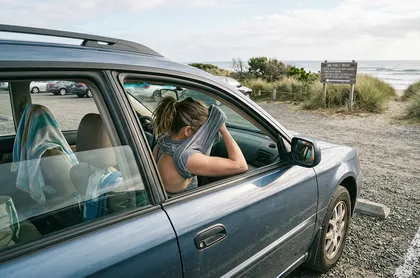
In Fenwick Island, it is illegal to change clothes, cook, or live in a parked car in public areas such as beaches and parks. This rule comes from Town Code Section 116-5. It is also illegal to stay in vehicles parked on public streets or in public lots between 12:00 a.m. and 6:00 a.m. as per Town Code Section 116-7.
Florida: You Cannot Park On A Grave In A Cemetery
You cannot park on a grave or burial space in a cemetery. It’s against the law in certain localities in Florida. It’s just one of many rules of conduct in cemeteries.
Iowa: No Throwing Or Shooting Onto The Highway Without Permission
Iowa law specifically states: “It is unlawful for a person to throw stones, bricks, or missiles of any kind or to shoot arrows, paintballs, rubber guns, slingshots, air rifles, BB guns, or other dangerous instruments or toys on or into any street, alley, highway, sidewalk, public way, public ground, or public building, without written consent of the Council.”
So, saying that it is illegal to throw a brick on a highway in Iowa without consent is generally true. When a similar incident happens, and you get hurt, thinking, “I need a personal injury lawyer,” is reasonable.
Kentucky: Dogs May Not Chase Vehicles
Certain areas in Kentucky have ordinances requiring dog owners to keep their pets under control and to prevent them from chasing vehicles. That’s an addition to other possible disturbances that certain dogs may cause, such as continuous barking and property damage.
Missouri: No Clinging To A Moving Vehicle
In certain areas in Missouri, such as Maryville and St. Joseph, it is illegal for any person riding a bicycle, motorcycle, coaster, sled, roller skates, or any other non-motorized vehicle to attach themselves or their vehicle to a moving motor vehicle on any roadway. While this regulation may seem unusual, it is a common municipal safety law designed to prevent accidents and injuries.
Rhode Island: Make Noise When Passing
According to Rhode Island General Laws § 31‑15‑4, before passing another vehicle on the left, a motorist must provide an audible indication, such as honking their horn, in a timely manner. The driver might face a fine if they get caught passing without signaling audibly. Drivers use a loud signal to inform the driver ahead of an upcoming pass and prevent sudden left turns.
Maryland: No Swearing On The Road In Rockville
In Rockville, Maryland, it is against the law to curse, swear, or say obscene words where other people can hear you. That includes doing so on or near streets, sidewalks, or highways. This legislation is generally in effect to maintain public order, promote safety, and protect community values.
West Virginia: No “Stop” Or “Danger” In Advertisements On Highways
While it may not be technically a traffic law, this regulation affects traffic safety. In West Virginia, it is illegal for outdoor advertisements near roads or highways to use words like “stop” or “danger” or to look like real traffic signs. This rule helps keep drivers safe by ensuring ads don’t confuse people or lead them to think there is a traffic hazard when there isn’t.
Why Do These Unpopular Traffic Laws Exist?
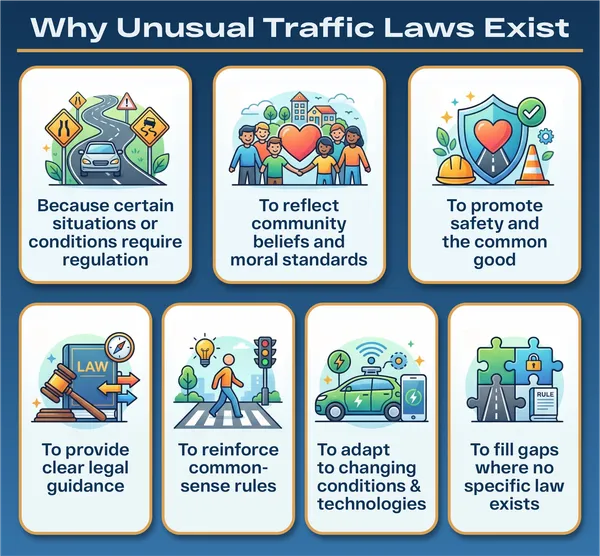
These laws likely exist because certain circumstances require them. Generally, community beliefs and moral considerations shape these regulations, with safety and the common good as key priorities. While certain regulations might seem unnecessary because they deal with common knowledge, they are often included to ensure clear legal guidance.
Although these laws are rarely enforced today, they reveal how rules can change to keep up with new technologies. They also serve as a reminder that common sense is important, especially in situations where no legislation yet exists.
Even if some laws are not widely known, that doesn’t mean they can’t be cited. Just because someone is unaware of a rule doesn’t excuse them from breaking it. For example, traffic accident lawyers can use these laws to help determine who might be at fault in an accident.
How These Laws Affect Fault After A Crash
Even unpopular laws can affect fault assessment after a crash. They can help identify which party is most likely to have caused the accident. Generally, they are in place to promote safety. If a violation of these laws leads to an accident, it may serve as evidence when assessing negligence. In at-fault states like California, the party found to be at fault is generally responsible for the damages suffered by the victims.
What To Do After A Traffic Accident
If you are involved in a car accident, there are steps you can take to protect your health and preserve your legal options. However, your personal safety should always come first. Focus on staying safe, checking for injuries, and contacting the proper authorities before anything else.
- Take Quick Safety Precautions: Move to a safe location immediately after the accident. Check for damage and see if anyone is hurt. Keep injured people still, and call 911 right away if anyone needs medical help.
- Report the Accident: Consider calling 911, especially when there are injuries. The authorities can evaluate the scene, help injured people, and manage traffic. Even on private property, try to involve the proper agencies if possible.
It is also important to know certain state rules. For instance, in California, the Department of Motor Vehicles (DMV) requires accidents to be reported if they led to:- Injuries
- Fatalities
- Property damage exceeding $1,000
- Exchange Information: Make sure to exchange these details whenever possible:
- Name and contact information of the other driver.
- Driver’s license number.
- Insurance company and policy number.
- Car make and model, including the vehicle identification number (VIN).
If the other driver won’t cooperate, take pictures of their license plate and vehicle.
- Document the Accident: Take photos of the vehicles, any damage, skid marks, debris, and injuries. Talk to witnesses and collect their contact information. If available, you can also obtain traffic camera footage after an accident by submitting a public records request (if a government agency owns it) or a preservation of evidence letter (if the camera was on private property). These records can be very helpful if the case goes to court because they can provide unbiased accounts of the crash.
- Seek Medical Care: Some injuries may not appear for hours or even days. Visit a doctor and keep records of all treatments to support any insurance or legal claims. These records can link your injuries to the crash, even if you discovered them late.
- Follow Medical Recommendations: Medical attention should not just stop after you’re looked at after the accident. If the physician recommends treatments such as physical therapy or chiropractic care, it’s advisable to follow them. This action can help if you have a personal injury claim because it can establish that you received all necessary medical care for your injuries.
Frequently Asked Questions About Unpopular Traffic Laws
It’s reasonable to get confused about traffic laws, especially if you get into an accident. Below are answers to some common questions about traffic incidents. Nevertheless, if you have any specific concerns, it is advisable to seek free advice from a traffic accident lawyer.
Can Someone Contest A Ticket For An Unpopular Law?
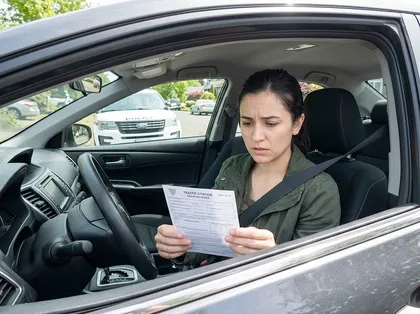
It is still possible to challenge a ticket issued for breaking a law, even if the law is unpopular. In most cases, people still have basic legal rights, such as the presumption of innocence and the opportunity to contest the ticket in court.
Can Kids Ride In The Bed Of A Pickup Truck?
It depends on where you are. Some states don’t allow kids to ride in the back of a pickup truck, while others have no laws on the matter. Yet other jurisdictions may allow it under certain conditions, depending on the minor’s age or the vehicle’s speed in some other states.
There may also be exceptions. For example, county laws might allow kids to ride in the bed of a pickup truck if an adult is present during a parade, in an emergency, or during agricultural operations. Check your local ordinances to be sure.
Is It Illegal To Keep Driving With Blinkers Blinking?
Unsafe or misleading signaling can be cited in certain situations. Sometimes, drivers may not notice that they left their blinker on after stopping or turning. Some vehicles automatically turn off the blinker after a turn, but others may not. Even if it’s unintentional, leaving it on can confuse other drivers and create a safety risk.
Do Speed Limits For A Construction Zone Still Apply When There’s No Work Going On?
Drivers are generally required to follow the reduced speed limit in construction zones at all times, even when no work is going on. Changes to the road during construction, such as narrower lanes or missing shoulders, can still make driving more dangerous. However, it may still depend on the conditions and specific regulations of the city, county, or state.
Can You Be Cited For Going Too Slow On A California Highway?
Yes. In California, it is illegal to drive so slowly that you block or delay normal traffic. You can only do so when it is necessary for safety, due to a hill or road condition, or when you’re complying with other traffic laws (Vehicle Code 22400).
Injured In A Traffic Accident In California? Consult Arash Law
Traffic accidents can happen anywhere and in different circumstances. If you sustain injuries because someone else broke an obscure or niche traffic law, you may be wondering how that factor affects your legal options. Our traffic accident lawyers at AK Law are here to help you understand your rights.
Our team can review your crash, discuss all possible laws that may apply to it, and assess who may be liable for your losses. We can also help you negotiate insurance settlements and represent your case in court, if necessary.
If your concern involves the question, “Do lawyers only get paid if they win?”, know that our team works on a contingency fee basis. Under this arrangement, we only charge attorney’s fees if we obtain compensation on your behalf. To schedule a free initial consultation, call us at (888) 488-1391.