TL;DR: In California, a tenant can sue a landlord for a personal injury if an unsafe property condition caused the harm and the landlord knew or should have known about the hazard but failed to fix or warn about it. The tenant generally must prove duty, breach, causation, and damages such as medical bills, lost wages, or pain and suffering. A two-year filing deadline usually applies, although exceptions may change the timeline.
Key Facts
- California Civil Code §1714 imposes liability for negligent property management that causes injury.
- Civil Code §1941.1 requires rental housing to meet basic health and safety standards.
- Code of Civil Procedure §335.1 generally gives two years to file a personal injury lawsuit.
- Government Code §911.2 generally requires claims against public entities to be filed within six months.
- Civil Code §1953 generally bars lease terms that waive a landlord’s duty of care.
Table of Contents

In California, a tenant may file a personal injury lawsuit against a landlord when the landlord’s negligence causes an injury. Common examples include falls caused by broken stairs, injuries from faulty wiring, or health problems linked to unsafe property conditions, such as mold.
A landlord is not automatically responsible just because an injury happened on the property. The tenant generally must show that the landlord knew or reasonably should have known about the dangerous condition, had a duty to address it, and failed to take reasonable steps to fix it or warn the tenant.
If that failure caused the injury, the tenant may be able to seek compensation for medical expenses, lost income, pain and suffering, and other related losses.
Common Reasons Tenants File Personal Injury Lawsuits Against Landlords
A tenant may have a personal injury claim when a dangerous condition on the rental property causes an injury, and the landlord was negligent in addressing it.
Common examples include:
- Broken stairs, loose railings, or uneven walkways that cause falls.
- Faulty wiring, electrical hazards, or unsafe heating systems.
- Leaking pipes or other conditions that lead to harmful mold growth.
- Unsafe balconies, ceilings, roofs, or other structural defects.
- Poor lighting in hallways, stairwells, or other common areas.
- Pest infestations or other hazardous living conditions.
- Dangerous conditions the landlord knew about but failed to repair or warn tenants about.
These cases are often handled as premises liability claims. To recover compensation, the injured tenant generally must prove that the landlord was negligent, that the unsafe condition caused the injury, and that the tenant suffered actual damages as a result.
Dangerous Conditions That Lead To Injury Lawsuits
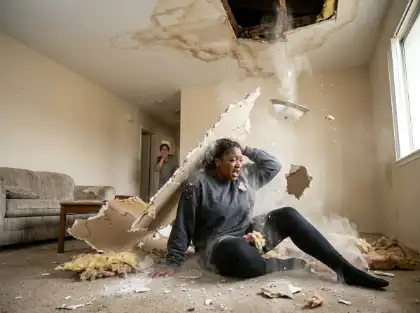 When a landlord skips routine repairs, small problems can turn into serious, life-changing dangers. You can suffer broken bones, severe burns, lung disease, or crushing injuries from defects a landlord could have fixed.
- Slip-and-Fall Hazards: Broken stairs, uneven walkways, missing handrails, and dim hallways are common fall risks. A broken stair or a missing handrail can send you tumbling, fracture bones, or injure your spine and brain.
- Electrical Hazards: Faulty wiring and overloaded circuits can lead to electric shocks, burns, and fires. If faulty wiring caused a fire that injured you, your landlord might be liable. This means they could be legally responsible for your losses.
- Plumbing and Toxic Mold: Leaking pipes left unfixed allow mold to grow inside walls and ceilings. Mold exposure can trigger asthma symptoms, cause lung problems, and lead to serious allergic reactions.
- Environmental Hazards: Lead paint, asbestos, and severe pest infestations (rats, roaches, bedbugs).
- Structural Defects: Collapsing balconies, rotted decks, leaking roofs, broken windows, and failing ceilings can cause crush injuries, loss of limbs, and brain trauma. When a rotted balcony or ceiling collapses, you can suffer fractures, crush injuries, or lasting brain damage.
Finding a hazard does not, by itself, prove the landlord is at fault. You must show the landlord knew about the problem or that a reasonably careful landlord should have known about it and failed to fix it. Arash Law represents tenants injured by unsafe rental conditions. Our personal injury attorneys can help you understand the legal duties your landlord owed and whether those duties were met.
How To Prove Landlord Negligence In California
Proving that you were injured is not enough to win a premises liability claim. A premises liability claim is a legal case in which a property owner may be held responsible for injuries caused by unsafe conditions. You must show that the landlord was negligent and that their failure to act caused your injury.
To prove negligence, four elements must all be present:
- Duty: The landlord owed you a legal duty to keep the property reasonably safe.
- Breach: The landlord breached that duty by failing to fix or warn you about a known hazard.
- Causation: That failure directly caused your injury.
- Damages: You suffered real losses, such as medical bills or lost wages.
Your premises liability case may involve one of two kinds of notice to the landlord:
- Actual notice means the landlord knew about the problem because someone told them. That could be a complaint, a repair request, or a report of a prior accident.
- Constructive notice may apply when the landlord reasonably should have discovered the hazard, such as through a required inspection or in an area under the landlord’s control. However, if, after the tenant takes possession, a dangerous condition develops in an area under the tenant’s control, the tenant generally must show that the landlord actually knew about it and had the right and ability to correct it.
If you can prove either type of notice and suffered an injury, you may have grounds for a legal claim. That claim may cover medical costs, lost income, and other losses that resulted from the landlord’s failure to act.
Landlord Duties Under California Law
California law does not give landlords a choice. They must keep rental properties safe and livable. If your landlord rented you an unsafe home or failed to keep it that way, they may be liable, meaning legally responsible for paying you, for any harm you suffered.
California law imposes important duties on landlords, and many tenant protections cannot be waived. However, some repair or maintenance responsibilities may be allocated by agreement where California law permits:
- Implied Warranty of Habitability: California Civil Code §1941 requires every rental unit to meet basic safety and health standards. Civil Code §1941.1 sets out specific requirements, including working plumbing, safe heating and electrical systems, freedom from pests and other health hazards.
- Duty to Inspect: A landlord must check the property for obvious dangers. They cannot ignore problems and then claim they did not know about them.
- Duty to Warn: If a landlord knows about a hazard that cannot be fixed immediately, they must notify tenants. This gives tenants a chance to stay safe until repairs are done.
- Lease Limits: A residential lease generally cannot waive a tenant’s right to bring a future claim or a landlord’s legally imposed duty of care. However, California law may allow the landlord and tenant to agree that the tenant will perform specified repairs or maintenance as part of the rental consideration.
When landlords fail to meet these safety duties, hazards such as broken stairs, faulty wiring, and mold can cause serious injuries. These conditions may support a personal injury claim when the landlord knew or should have known about the danger and failed to address it. Our landlord liability lawyers can help injured tenants understand whether they may have a claim.
What Compensation Can An Injured Tenant Recover?
A successful claim can cover economic damages, non-economic damages, and other out-of-pocket losses. These categories address your physical, emotional, and financial harm. The amount you recover depends on your injuries and the facts of your case.
-
Economic damages pay for costs you can measure. These may cover:
- Past and future medical bills
- Hospital stays
- Ongoing care, such as chiropractic visits
- Reduced future earning capacity
- Property repair or replacement costs
- Costs of household help or caregiving
- Loss of incomes
-
Non-economic damages cover losses that are harder to measure. These include:
- Pain and suffering
- Emotional distress
- Reduced quality of life.
If your unit became uninhabitable, housing costs may be recoverable as well. Detailed records of your bills, lost wages, and housing costs can help support your claim, especially before California’s filing deadline expires.
Gathering Evidence For Your Lawsuit
A landlord injury lawsuit is only as strong as the evidence behind it. Good documentation makes it harder for a landlord to dispute what happened. The following types of evidence matter most in a premises liability claim.
- Photos and Videos of the Hazard: Taken before the landlord can repair or change the conditions. Landlords can act fast to resolve problems after an injury, and once the scene changes, that visual record is gone.
- Emails, Texts, and Certified Letters: Showing that you notified the landlord about the problem. Certified letters serve as formal, dated proof of notice.
- Medical Records and Bills: Collected without delay. Gaps in your treatment history can weaken your claim.
- A Signed Copy of Your Lease: Secured as soon as possible. Landlords may dispute lease terms if you do not have your own copy on hand.
You may be thinking, “Do I need a personal injury lawyer to file a lawsuit?” It’s not mandatory, but hiring one could be beneficial. An attorney can preserve the evidence in your case, handle all communication with the defendant, and file the necessary documents within the time limits established by law.
At Arash Law, our personal injury lawyers have handled several premises liability cases. After conducting investigations and taking personalized actions for each case, we secured compensation for our clients. These are some cases we have won over the years:
$14 million — A factory worker suffered a serious head injury in an accident involving an industrial machine. Despite multiple defenses raised by the opposing parties, our firm obtained a settlement for the maximum available insurance policy limits.
$3.5 million — Inadequate lighting caused our client to fall and sustain a spinal injury that changed her life. Our legal team secured a settlement to support her recovery.
Note: Outcomes depend on the unique facts of each case, and past results do not guarantee similar results in any future case.
Deadlines To File A Tenant Injury Lawsuit
California’s statute of limitations generally gives you two years to file a personal injury lawsuit, including most injury claims against private landlords. Missing this deadline could bar the lawsuit and prevent you from recovering compensation. However, different or shorter deadlines may apply.
- If the case involves a public housing authority or another government entity, you must generally file an administrative claim against that entity within six months before suing.
- Under the Delayed Discovery Rule, the filing deadline may begin when the injured person discovered or reasonably should have discovered the injury, rather than when the harmful act occurred.
- A lawsuit for damage to personal or real property generally must be filed within three years of the date the damage occurred.
- If the injured person is a minor, the statute of limitations is generally tolled until they turn 18. However, claims against government entities work differently: those deadlines do not automatically pause for minors. If the usual six-month claim deadline is missed, California law may allow a late-claim application, but it generally must be submitted within one year after the claim accrues. Special protections apply to minors, but the government-claim process may need to begin much sooner.
Deadlines are strict, and courts rarely make exceptions. If you are unsure of your timeline, getting free advice from a landlord liability lawyer can help clarify when your window closes. Do not wait to find out where you stand.
FAQs About Suing A Landlord In California
If you have read this far, you have a clear picture of your legal rights, but you may still worry about what happens to your housing once you take action. Those fears are real and understandable. Fear of eviction or a sudden rent increase stops many tenants from ever filing a claim, and California law directly addresses both of those risks.
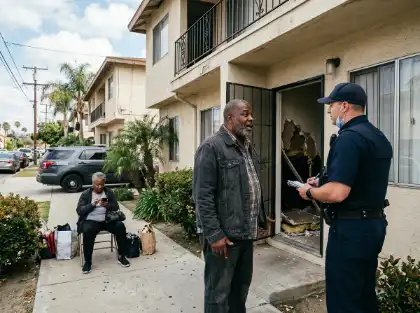
Can My Landlord Retaliate If I Sue Them?
No. California law prohibits landlords from retaliating against tenants who assert their legal rights. If your landlord raises your rent, threatens eviction, or cuts off services after you file a claim, that conduct may itself become evidence against them.
Will My Landlord Evict Me If I Sue For Injuries?
If a landlord attempts to evict a tenant within 180 days after the tenant, in good faith, makes a complaint about habitability, requests qualifying repairs, or complains to an appropriate government agency, California law may create a rebuttable presumption of retaliation.
This protection generally requires the tenant to be current on rent and shifts the burden to the landlord to prove a legitimate reason for the eviction. It does not apply automatically to every personal injury claim, and the outcome depends on the facts. A tenant may generally invoke this 180-day protection only once within 12 months.
Can I Sue If I Caused My Own Injury By Being Careless?
Yes. California follows a rule called pure comparative negligence. Your share of fault reduces any compensation you may receive, but you may still be able to recover damages even if you were partly to blame.
What Happens If I Signed A Lease Saying The Landlord Isn’t Responsible?
A lease clause cannot remove a landlord’s duty, meaning their legal obligation to keep the property safe. It also cannot excuse them from liability, meaning legal responsibility, for negligence, which means failing to use reasonable care. Those clauses are generally unenforceable under California law.
How Much Is A Tenant Injury Lawsuit Worth?
The value depends entirely on the facts of your case. Factors such as the severity of your injuries, your recovery time, and your total losses shape the outcome. There is no standard figure, and any estimate requires a full review of your evidence.
Contact A Lawyer Today To Defend Your Rights As A Tenant
Stand up for your right to a safe home. Your landlord has a legal duty to keep the property safe, and when that duty is violated, you may be entitled to compensation. Our attorneys at Arash Law can guide you through the legal process.
Our legal team is ready to review your situation and explain your options. We can review the eviction notice, lease, repair requests, and communications. Also, we can communicate and negotiate with the landlord or insurance company and file the lawsuit on your behalf.
You may wonder: do lawyers only get paid if they win? At our injury law firm, yes. You owe no attorney fees unless we win your case. Call Arash Law at (888) 488-1391 for a free, confidential consultation.