TL;DR: If another shopper shoves you during a Black Friday sale, you may have a claim against that person, the retailer, or both. The shopper may be liable for your injuries, while the store could also be responsible if inadequate security or crowd control contributed to the incident. In California, you generally have two years to file a personal injury lawsuit.
If someone pushes you during a Black Friday sale and you get hurt, who is responsible depends on the cause of the incident. The shopper may face a negligence or battery claim, while the retailer may share liability if unsafe conditions or inadequate crowd management contributed.
California law requires businesses to use reasonable care to protect customers from foreseeable dangers. During Black Friday sales, stores may need reasonable crowd-control measures and safe entry procedures. If a shopper intentionally attacks another person, the retailer’s duty to provide security depends on whether the criminal conduct was reasonably foreseeable and the burden of the proposed precautions.
A store is not automatically liable for another shopper’s actions. The circumstances of the fall, the precautions taken, and the available evidence help determine whether the retailer may be responsible. A California premises liability attorney can assess these factors and explain your options for pursuing compensation.
Key Facts About Black Friday Retail Injury Claims in California
- Shopper Liability: California Civil Code § 1714 may hold a shopper liable for injuries caused by negligence. An intentional shove may support a civil battery claim under California Civil Jury Instructions (CACI) No. 1300.
- Store Liability: Civil Code § 1714 requires retailers to use reasonable care. Inadequate crowd control or security may support a premises liability claim if it contributes to an injury.
- Claims Against Both Parties: California law allows injured shoppers to pursue claims against multiple responsible parties. CACI No. 406 addresses how fault may be divided among them.
- Proof of Negligence: Under CACI No. 1000, an injured shopper must show that the defendant owned, leased, occupied, or controlled the property, negligently used or maintained it, and that the negligence was a substantial factor in causing the injury.
- Comparative Fault: Under CACI No. 405, an injured person’s share of negligence generally reduces the amount of recoverable damages.
- Two-Year Filing Deadline: California Code of Civil Procedure (CCP) § 335.1 generally gives injured shoppers 2 years from the date of injury to file a personal injury lawsuit.
Table of Contents

When Is the Individual Shopper Liable for a Black Friday Shove-and-Fall Injury?
A shopper’s liability depends on whether the push was intentional or the result of careless behavior. Each situation may support a different type of personal injury claim.
When the Shopper Intentionally Shoved You
California Penal Code § 242 defines criminal battery as the willful and unlawful use of force or violence against another person. A deliberate shove may also support a separate civil battery claim if it involves intentional, harmful, or offensive physical contact without legal justification.
Depending on the circumstances, the conduct may also support a civil assault claim. California Penal Code § 240 defines criminal assault separately. You may pursue a civil claim even if the shopper was never criminally charged or convicted. However, you must still establish the elements of the applicable civil claim and prove the harm you suffered.
When the Shopper Accidentally Pushed You
An accidental push may support a negligence claim if the shopper failed to use reasonable care and caused your injuries. For example, a customer rushing toward a sale display might carelessly knock someone down. However, accidental contact in a crowded store does not automatically establish liability. The evidence must show that the shopper acted unreasonably and caused the injury.
What Makes Recovering Compensation From the Shopper Difficult?
Pursuing compensation from an individual shopper can be difficult if that person cannot be identified, has no applicable insurance, or lacks sufficient financial resources. Homeowners or renters insurance may cover some accidental injuries, depending on the policy. However, these policies commonly contain exclusions for certain intentional acts or injuries.
If insurance does not apply, the injured person may need to pursue the shopper’s personal assets. Even a successful lawsuit does not guarantee that the person can pay the judgment.
When Is a California Retail Store Liable for Crowd Surges and Shoving?
A store may face a premises liability claim when unsafe conditions or inadequate precautions contribute to a customer’s injury. Under California Civil Code § 1714 and California Civil Jury Instructions (CACI) No. 1000, liability depends on whether the retailer failed to exercise reasonable care and caused harm.
During a major Black Friday sale, a retailer may reasonably anticipate large crowds, long lines, and congested entrances. Shoppers may face a greater risk of being pushed, trampled, or crushed when store doors open on Black Friday. The store’s duty may require safety measures appropriate to the foreseeable risks.
California courts consider several factors when determining whether a duty of care exists. These include the foreseeability of harm, the connection between a party’s conduct and the injury, and the burden of preventing harm (Rowland v. Christian, 69 Cal. 2d 108 (1968)).
Examples of Store Negligence During Black Friday Sales
A retailer may contribute to a shopper’s injury through unsafe crowd-management practices, including:
- Inadequate Security Personnel: Failing to provide reasonable staffing or security to manage crowded entrances and shopping areas.
- Poor Crowd-Control Measures: Failing to organize lines, regulate store entry, or use appropriate barriers to prevent dangerous bottlenecks.
- Unsafe Entry and Exit Points: Allowing dangerous bottlenecks or failing to regulate customer movement through crowded areas.
- Overcrowding: Allowing more shoppers into an area than it can safely accommodate.
- Ignoring Known Safety Risks: Failing to address previous crowd incidents, reported hazards, or warning signs of dangerous customer behavior.
- Inadequate Emergency Procedures: Failing to establish reasonable measures for responding to crowd surges or emergencies.
These examples may support a premises liability claim when the store’s conduct contributed to the injury. However, the absence of a particular safety measure does not automatically establish negligence.
What Must You Prove to Hold the Store Liable?
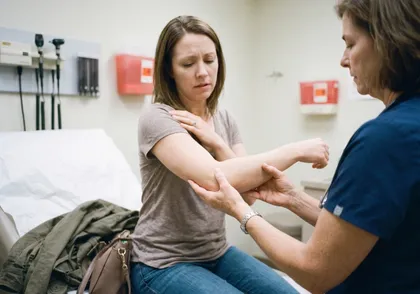
An injured shopper generally must establish the following elements to succeed in a negligence-based premises liability claim:
- Duty of Care: The store owned, leased, occupied, or controlled the property where the injury occurred. This means they had a legal obligation to exercise reasonable care to protect customers from the relevant danger.
- Breach of Duty: The store failed to meet that obligation, such as by neglecting reasonable crowd-control precautions.
- Causation: The store’s negligence was a substantial factor in causing the shopper’s injuries.
- Damages: The shopper suffered actual harm, such as physical injuries, medical expenses, lost income, or pain and suffering.
For example, a store may face liability if it anticipated a large crowd but failed to manage a dangerous entrance, allowing a surge that contributed to a shopper’s fall.
Can You File a Claim Against Both the Shopper and the Store?
Yes. You may pursue claims against both parties if their actions contributed to the same injury. For example, a shopper who deliberately pushes someone may face a battery claim. If the retailer also failed to address a foreseeable crowd danger, it may face a separate premises liability claim.
Each party’s responsibility must be established through evidence. Store surveillance footage, witness accounts, and records of previous crowd incidents may help determine how their actions contributed to the fall.
Call Arash Law at (888) 488-1391 for a free case evaluation. Our premises liability attorneys can review the incident, identify potentially responsible parties, and assess available insurance coverage.
How Pure Comparative Fault Affects Your Black Friday Injury Claim
California’s pure comparative fault rule allows injured shoppers to seek compensation even when they share responsibility for an accident. Their damages generally decrease according to their assigned percentage of fault.
Example:
Suppose a shopper crosses a marked barrier and falls when a crowd rushes toward the store entrance. A judge or jury might assign:
- 70% fault to the store for inadequate crowd management.
- 30% fault to the injured shopper for crossing the marked barrier.
If the total damages were $100,000, the injured shopper’s 30% share of fault would reduce the award to $70,000.
When several defendants share responsibility, additional rules may affect their liability. California generally assigns noneconomic damages according to each negligent defendant’s share of fault. However, intentional conduct, such as civil battery, is treated differently. In B.B. v. County of Los Angeles (2020) 10 Cal.5th 1, the California Supreme Court ruled that someone who intentionally harms another person cannot reduce what they owe for pain and suffering by blaming other parties for negligence.
Important Steps to Protect Your Injury Claim After a Retail Store Accident
Taking the following steps after a Black Friday injury may help document what happened and preserve evidence for a potential claim:
- Report the Incident: Notify the store management as soon as reasonably possible. Request an incident report, record the manager’s contact information, and ask the store in writing to preserve relevant surveillance footage.
- Seek Medical Attention: Get medical care promptly, especially for serious or worsening symptoms. Explain how the fall happened and keep your medical records, bills, and treatment instructions.
- Collect Witness Information: Ask for contact details from anyone who witnessed the shove or fall, or observed the surrounding crowd conditions. Witness statements may help establish how you sustained the injury.
- Preserve Evidence: Take photos of the scene, including barriers, entrances, and warning signs. Keep relevant receipts, clothing, footwear, and communications with the store.
- Consult a Premises Liability Attorney: A lawyer can explain the claims process, assess potential liability, and help you understand what information may be relevant before speaking with the store’s insurer.
Act promptly to preserve evidence. Surveillance footage may be overwritten, and witness details can become harder to obtain over time.
Frequently Asked Questions About Black Friday Retail Injury Claims in California
Who Pays My Medical Bills After a Black Friday Store Injury?
Your health insurance may cover eligible treatment costs while your injury claim is pending. If another party is legally responsible, your settlement or judgment may include compensation for reasonable injury-related medical expenses. Your health insurer may have reimbursement rights, sometimes called subrogation. Whether repayment is required depends on the applicable insurance policy and law.
How Long Do I Have to Sue a California Retail Store for a Black Friday Injury?
CCP § 335.1 generally gives injured shoppers 2 years from the date of injury to file a personal injury lawsuit against a private retailer or individual. Exceptions may affect the deadline. Under CCP § 352(a), the limitations period is generally paused for certain claims involving minors. However, this tolling rule does not apply to covered public-entity claims under CCP § 352(b), which are subject to separate claim-presentation requirements.
California generally allows three years to file a lawsuit for damage to personal property under CCP § 338.
Claims against public entities are subject to different requirements. Government Code § 911.2 generally requires claimants to present a written personal injury claim within six months. Missing an applicable statute of limitations or government claim-presentation deadline may bar the claim entirely. These deadlines differ from incident-reporting obligations, which may create administrative problems, and evidence-preservation concerns, where delay can weaken proof.
Can I Sue the Store If an Unidentified Shopper Pushed Me?
Yes, you may pursue a claim against the store without identifying the individual shopper if evidence establishes the retailer’s own negligence. For example, inadequate security or unsafe crowd management may support a claim when those failures contributed to the injury. The store’s responsibility depends on its conduct rather than the shopper’s identity.
Does the Store Have to Have Known About the Crowd Hazard in Advance?
Not necessarily. A store may be liable if it knew or, through the exercise of reasonable care, should have known about a dangerous condition and failed to correct it, protect customers from it, or provide an adequate warning.
Previous crowd incidents, expected attendance, and inadequate safety planning may help establish whether a retailer should have anticipated a dangerous crowd condition. CACI No. 1003 addresses unsafe property conditions, while CACI No. 1005 addresses a retailer’s responsibility for reasonably foreseeable criminal acts by others.
What Happens If the Store Says the Shove Happened Off Camera?
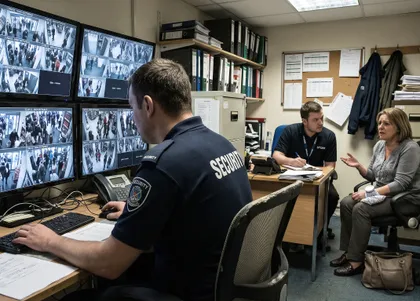
You may still pursue a claim without footage showing the shove. Witness statements, photographs, incident reports, and medical records may support your account. Under Evidence Code § 413, a court may consider a party’s willful suppression of relevant evidence when the facts support that finding. Missing video alone does not establish that evidence was intentionally withheld or destroyed.
Do I Pay Attorney’s Fees Upfront for a Black Friday Store Injury Case?
If you work with an attorney who handles Black Friday store-injury cases on a contingency-fee basis, you generally do not pay upfront attorney’s fees. The attorney receives fees only if compensation is recovered under the agreement.
California law requires a written contingency fee agreement explaining the attorney’s fees and how case costs and expenses are handled, including any costs you may owe without a recovery (California Business and Professions Code § 6147). The agreement must also state the applicable contingency fee percentage.
What Arash Law Has Recovered in Retail and Premises Liability Cases
Arash Law has recovered over $1 billion for injured clients across California. The following case results highlight the firm’s experience with retail injury claims involving inadequate security.
$1,000,000 Recovery — Assault and Battery: A shopper was assaulted inside a big-box retail store, raising concerns about inadequate security and previous violent incidents. After another law firm dropped the case, Arash Law took over and established that the retailer had prior notice of violence but failed to provide adequate security.
Past results do not guarantee future outcomes. Every case is different, and results depend on the specific facts and evidence involved.
Pushed and Injured While Black Friday Shopping? Contact Arash Law
A Black Friday injury can leave you facing unexpected medical bills, missed work, and questions about who should pay for your losses. Arash Law can investigate the incident, review available evidence, and help you understand your legal options.
Our personal injury attorneys can also assess insurance coverage, communicate with the parties involved, and pursue compensation supported by the facts of your case.
Call Arash Law at (888) 488-1391 for a free initial consultation about your Black Friday injury claim. We handle qualifying personal injury cases on a contingency fee basis, so you pay no attorney’s fees unless we recover compensation for you. Your written agreement explains case costs and expenses.
Sources
- California Civil Code § 1714 — General duty of ordinary care and liability for injuries caused by negligence.
https://leginfo.legislature.ca.gov/faces/codes_displaySection.xhtml?sectionNum=1714.&lawCode=CIV- California Civil Jury Instructions (CACI) No. 1300 — Essential elements of civil battery.
- CACI No. 406 — Apportionment of responsibility among parties whose conduct contributed to an injury.
- CACI No. 1000 — Essential elements of premises liability, including control of property, negligence, harm, and causation.
- CACI No. 405 — Comparative fault and reduction of damages based on the injured person’s share of negligence.
- CACI No. 1003 — Unsafe property conditions, actual or constructive knowledge, and failure to take reasonable protective measures.
- CACI No. 1005 — A business owner’s duty to use reasonable care to protect customers from reasonably foreseeable criminal conduct by third parties, including situations involving inadequate security. https://courts.ca.gov/system/files/file/judicial_council_of_california_civil_jury_instructions_2026.pdf
- California Code of Civil Procedure § 335.1 — General two-year filing deadline for personal injury lawsuits.
https://leginfo.legislature.ca.gov/faces/codes_displaySection.xhtml?sectionNum=335.1.&lawCode=CCP- California Penal Code § 242 — Criminal definition of battery.
https://leginfo.legislature.ca.gov/faces/codes_displaySection.xhtml?sectionNum=242.&lawCode=PEN- California Penal Code § 240 — Criminal definition of assault.
https://leginfo.legislature.ca.gov/faces/codes_displaySection.xhtml?sectionNum=240.&lawCode=PEN- Rowland v. Christian, 69 Cal. 2d 108 (1968) — California Supreme Court decision discussing the duty of reasonable care and factors relevant to determining legal duties. https://www.law.berkeley.edu/archive/files/Rowland_v_Christian_SCt_Dec.pdf
- California Code of Civil Procedure § 352(a) — Tolling of certain filing deadlines for minors and persons lacking legal capacity.
https://leginfo.legislature.ca.gov/faces/codes_displaySection.xhtml?sectionNum=352.&lawCode=CCP- California Government Code § 911.2 — Claim presentation deadlines for personal injury claims against public entities.
https://leginfo.legislature.ca.gov/faces/codes_displaySection.xhtml?sectionNum=911.2.&lawCode=GOV- California Evidence Code § 413 — Consideration of a party’s failure to explain or produce evidence.
https://leginfo.legislature.ca.gov/faces/codes_displaySection.xhtml?sectionNum=413.&lawCode=EVID- California Business and Professions Code § 6147 — Written contingency fee agreement requirements.
https://leginfo.legislature.ca.gov/faces/codes_displaySection.xhtml?sectionNum=6147.&lawCode=BPCDisclaimer
The information on this page is for general educational purposes only and does not constitute legal advice. Reading this content does not create an attorney-client relationship. Past case results do not guarantee similar outcomes, as every claim involves different facts and legal considerations. If you were injured after being shoved or caught in a crowd surge, consult a licensed California personal injury attorney about your legal rights and options. Arash Law: (888) 488-1391.