TL;DR: California law does not automatically require stores to hire security guards or install crowd barriers on Black Friday. However, retailers must take reasonable precautions when large crowds create foreseeable safety risks. A store may be liable if inadequate crowd management contributes to a shopper’s injuries. Injured shoppers should promptly document the incident and request that surveillance footage be preserved, as recordings may be overwritten before legal filing deadlines expire.
Yes. California stores must take reasonable precautions to protect shoppers from foreseeable crowd-related dangers during Black Friday sales. However, state law does not automatically require every retailer to hire security guards or install crowd barriers. The precautions required depend on the risks a store knows or reasonably should anticipate.
Under California Civil Code § 1714, retailers generally owe shoppers a duty of ordinary care. When stores advertise major sales that are likely to attract large crowds, that duty may include managing entrances, controlling foot traffic, and preparing staff to respond to dangerous conditions.
A store that fails to take reasonable precautions may face liability if its negligence causes a shopper to suffer injuries from pushing, trampling, crowd crushing, or other preventable incidents.
Key Facts About Store Safety Obligations on Black Friday in California
- Retailers owe shoppers a duty of ordinary care. California Civil Code § 1714 generally requires property owners and businesses to exercise reasonable care in managing their premises.
- Specific security measures are not universally mandatory. Barriers, controlled entry, and trained personnel may be reasonable precautions when stores anticipate dangerous crowd conditions.
- Foreseeability affects liability. A retailer’s knowledge of expected attendance, previous incidents, and planned promotions may help establish whether additional precautions were necessary.
- Comparative fault may affect compensation. Under California’s pure comparative fault rule, an injured shopper’s percentage of responsibility may reduce their recovery without necessarily eliminating it.
- Evidence should be preserved promptly. Surveillance recordings, incident reports, witness statements, and crowd-management plans may help establish whether the store acted reasonably.
- Different legal deadlines may apply. California generally allows two years to file personal injury lawsuits, three years to sue for property damage, and six months to present certain government claims.
Table of Contents

What Does California Law Require Stores to Do During Black Friday Sales?
California stores must take reasonable steps to keep shoppers safe during Black Friday sales. While the law does not require every store to have security guards or crowd barriers, extra safety measures may be necessary when large crowds are expected.
Under California Civil Code § 1714, businesses generally have a duty to protect shoppers from dangers they can reasonably anticipate. During major sales events, this may include:
- Identifying Potential Hazards: Checking entrances, aisles, and waiting areas for conditions that could lead to injuries.
- Managing Large Crowds: Organizing lines and controlling how many customers enter at once to prevent pushing or overcrowding.
- Assigning Trained Employees: Having staff available to direct shoppers, monitor busy areas, and respond to unsafe situations.
- Keeping Exits and Walkways Clear: Making sure shoppers can move safely through the store, especially during busy periods.
For example, a store advertising major discounts on limited-stock items can expect customers to gather before opening. If shoppers are likely to rush through a narrow entrance, the store may need to organize the line or control entry to reduce the risk of injuries.
A store does not have to prevent every accident. However, it may be held responsible if it fails to take reasonable precautions against a danger it could have anticipated, and that failure causes someone to get hurt. In these situations, premises liability attorneys can help injured shoppers determine whether the store failed to meet its legal duty and whether a claim exists.
What Crowd Control Measures May Be Necessary?
Retailers may need different precautions depending on the size of the crowd, the store’s layout, and the nature of the promotion.
Potential precautions include:
- Crowd Barriers and Organized Queues: Barriers, ropes, or marked waiting areas may help manage lines and reduce dangerous pressure near entrances.
- Capacity Monitoring and Controlled Entry: Limiting the number of shoppers entering at once may prevent overcrowding and dangerous congestion.
- Trained Employees and Security Personnel: Staff assigned to crowded areas may help manage entry, respond to disturbances, and direct shoppers away from developing hazards.
- Clear Walkways and Emergency Exits: Retailers should keep aisles, doorways, and emergency routes accessible, including during major promotional events.
- Emergency Response Procedures: Stores may need practical procedures for responding to injuries, sudden crowd movements, and other foreseeable emergencies.
These measures are examples of reasonable precautions, not a universal legal checklist. Their necessity depends on the circumstances surrounding the sale.
A retailer’s failure to use a particular measure does not automatically establish negligence. An injured shopper must still show that the store failed to exercise reasonable care and that the failure contributed to the injury.
Does a Store Have to Hire Security Guards on Black Friday?
No. California law does not require every store to hire security guards for Black Friday. However, extra security may be necessary when a store expects large crowds or has a history of violent incidents.
For example, a store expecting a rush of bargain hunters may need staff to manage entrances and prevent pushing. If there have been threats or violent incidents, trained security guards may be a more appropriate precaution.
What matters is whether the store took reasonable steps to keep shoppers safe, given the risks it knew or should have expected.
When Can a California Store Be Liable for Black Friday Crowd Injuries?
 A California store may be held responsible for injuries caused by Black Friday crowds if it fails to provide reasonable crowd control or security when dangerous conditions are expected.
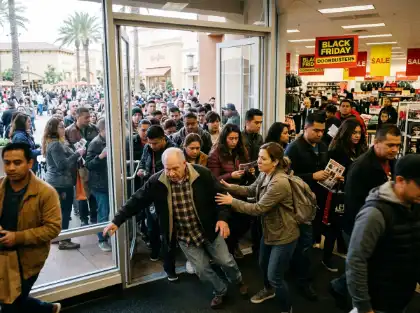
For example, a retailer that advertises limited-time deals may anticipate shoppers rushing toward its entrance. If the store fails to organize lines, control entry, or manage the crowd, it could be liable if someone gets pushed, trampled, or crushed.
However, an injury alone does not make the store liable. The injured shopper must show that:
- The store had a duty to take reasonable steps to protect shoppers.
- The store failed to take appropriate precautions against a foreseeable danger.
- That failure contributed to the shopper’s injury.
- The shopper suffered actual injuries or other losses.
What Evidence Can Show That a Store Failed to Control the Crowd?
Evidence can help establish whether a retailer knew about potential crowd dangers and failed to address them.
Useful evidence may include:
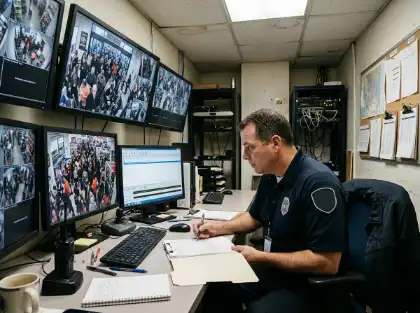
- Surveillance Footage: Shows crowd movement, pushing, blocked entrances, and store employees’ responses.
- Crowd Control Plans: Reveal whether the store prepared for large crowds and had safety procedures in place.
- Incident Reports: Document injuries, disturbances, or unsafe conditions reported to store management.
- Witness Statements: Help establish what happened and whether employees tried to control the crowd.
- Black Friday Advertisements: Show whether limited-time deals or special promotions could have attracted unusually large crowds.
- Previous Incident Records: May reveal whether the store had experienced similar crowd-related problems before.
Together, these records may help show whether the store should have anticipated the danger and taken additional safety measures.
For more information, read about the requirements for a premises liability case in California.
Who Can Be Held Responsible for Black Friday Crowd Injuries at a Shopping Mall?
Responsibility depends on who controlled the area, who was responsible for crowd safety, and whose actions contributed to the injury.
Depending on the circumstances, potentially responsible parties may include:
- Retail Store Operators: May be liable for failing to manage crowds during their promotions or maintain safe conditions inside their stores.
- Shopping Mall Owners: May be responsible for unsafe crowd conditions in shared areas, such as mall entrances, walkways, and parking lots.
- Security Companies: May face liability if their employees fail to carry out assigned crowd-control duties with reasonable care and someone gets hurt as a result.
- Other Shoppers: May be responsible if their negligent or intentional actions cause injury to someone else.
In some cases, more than one party may share responsibility. For example, if a store’s Black Friday promotion attracts a large crowd that spills into a mall walkway, both the retailer’s crowd-control decisions and the mall’s management of the shared area may need to be examined.
What Should You Do After Being Injured in a Black Friday Crowd?
After a Black Friday crowd injury, obtain medical attention, document the incident, and take reasonable steps to preserve evidence. These actions can protect your health and help establish what happened.
The following steps may be useful:
- Get medical attention. Seek appropriate care for your injuries, particularly if you experience head trauma, severe pain, breathing problems, or symptoms that worsen after the incident.
- Report the incident. Notify the store manager or appropriate representative and request a copy of any available incident report.
- Document the scene. Photograph the entrance, barriers, warning signs, crowd conditions, and other relevant details when it is safe to do so.
- Collect witness information. Ask anyone who observed the incident for their name and contact information.
- Keep relevant records. Save receipts, medical records, damaged personal belongings, and communications concerning the injury.
- Request evidence preservation. Ask the retailer in writing to preserve surveillance recordings, incident reports, and other relevant records.
- Consider legal assistance. A premises liability attorney can review the available evidence and assess whether the circumstances support a claim.
Why Should You Preserve Evidence After a Black Friday Crowd Injury?
Evidence of unsafe crowd conditions can disappear long before the deadline to file a lawsuit. Stores may automatically overwrite security footage, and witnesses may forget important details over time.
Security recordings can help show what caused the injury and whether store employees took reasonable steps to control the crowd.
To protect this evidence, request that the store preserve its recordings and incident reports as soon as possible. A written request, also called a spoliation letter, can help prevent the loss of important records.
If you were injured in a Black Friday crowd, Arash Law can help you take steps to preserve evidence. Call (888) 488-1391 for a free case evaluation.
How Long Do You Have to File a Black Friday Injury Claim in California?
California generally allows two years to file a personal injury lawsuit and three years to file a property damage lawsuit. Certain claims against government entities require an earlier administrative claim.
The applicable deadline depends on the type of claim, the responsible party, and any relevant exceptions.
| Claim Type | General Deadline | What the Deadline Means |
|---|---|---|
| Personal injury | Two years from the injury. | Missing the filing deadline may bar the personal injury lawsuit. |
| Property damage | Three years from the damage. | Missing the applicable deadline may bar the property damage claim. |
| Government claim | Generally six months from the injury. | A timely administrative claim is generally required before filing a lawsuit against a public entity. |
Legal basis: California Code of Civil Procedure § 335.1, California Code of Civil Procedure § 338, and California Government Code § 911.2.
If a Black Friday crowd spills onto a public sidewalk or another government-controlled area, a city or other public agency may be responsible if a dangerous property condition contributes to your injury.
If you have a valid claim against a government agency, you generally have six months to submit a government claim under California Government Code § 911.2. Missing this deadline could bar your claim, although limited exceptions may apply.
What Compensation May Be Available After a Black Friday Crowd Injury?
If you were pushed, trampled, or crushed during a Black Friday sale, you may be able to recover compensation if the store’s negligence contributed to your injuries.
The amount and type of compensation depend on how the incident affected your health, finances, and daily life.
| How the Injury Affected You | Compensation You May Seek |
|---|---|
| You needed medical treatment. | Emergency care, hospital bills, rehabilitation, and future medical expenses. |
| You missed work while recovering. | Lost wages and other income you could not earn. |
| Your injuries affect your ability to work in the long term. | Reduced future earning capacity. |
| You experience ongoing pain or emotional distress. | Compensation for physical suffering and psychological harm. |
| You can no longer enjoy certain activities. | Compensation for the loss of enjoyment of life. |
| You have other injury-related expenses. | Additional documented financial losses connected to the incident. |
For example, a shopper who suffers a broken leg after being trampled may need surgery, miss several weeks of work, and struggle with everyday activities during recovery. A claim may account for these effects, not just the initial hospital bill.
Compensation is not automatic. You must show that the store or another responsible party contributed to your injuries and support your claimed losses with appropriate evidence.
What if a Black Friday Crowd Injury Causes a Death?
A Black Friday shopping trip should never end in a family losing someone they love. If a person dies after being crushed or trampled in a crowd, and a store’s failure to take reasonable safety precautions contributed to the death, surviving family members may have grounds for a wrongful death claim.
Under California Code of Civil Procedure § 377.60, a spouse, domestic partner, children, or other eligible family members may be able to file a claim.
A wrongful death claim may provide compensation for funeral expenses, lost financial support, and the loss of a loved one’s companionship and care under § 377.61. Although no amount can replace someone who has died, this compensation may help ease the financial burden on the family.
California generally allows 2 years to file a wrongful death lawsuit under § 335.1, although exceptions and shorter government-claim deadlines may apply.
A California Premises Liability Case Result
Arash Law’s published case results include a $41,950,000 verdict involving an attack inside a Walmart store.
The case involved a shopper who was attacked with an unsecured baseball bat. The jury found Walmart 50% liable, with a reported judgment against the company exceeding $30 million.
The case concerned a foreseeable on-premises threat rather than a Black Friday crowd surge. It illustrates how a retailer’s responsibility for a dangerous condition can become central to premises liability litigation.
The outcome does not establish that other retailers are automatically liable for crowd-related injuries.
More information is available in Arash Law’s published case results.
Past results do not guarantee future outcomes. Each case depends on its own facts, evidence, legal issues, and circumstances.
Frequently Asked Questions About Black Friday Crowd Injuries in California
Can I Sue a Store if Other Shoppers Pushed or Trampled Me?
Yes. You may be able to sue a store if you got trampled or crushed when the doors opened on Black Friday. A store may be liable if it failed to manage a foreseeable crowd danger and that failure contributed to your injuries.
Other shoppers’ actions do not automatically relieve the store of potential responsibility.
Is a Store Responsible if a Security Guard Injures a Shopper?
Possibly. A store may be responsible for a guard’s actions while performing job duties. Liability depends on whether the guard worked directly for the store or for a security company, and on how the injury occurred.
Can a Store Be Liable for Black Friday Parking Lot Injuries?
Yes. A store or property owner may be liable if poor crowd control, unsafe traffic conditions, or inadequate security contributed to a foreseeable injury in an area under its control.
What if I Was Partly Responsible for My Black Friday Injury?
You may still recover compensation under California’s pure comparative fault rule. Your recovery is generally reduced by your percentage of fault. For example, being 25% responsible would reduce a $100,000 award to $75,000.
Can a Child Injured During a Black Friday Sale File a Claim?
Yes. An injured child may have a personal injury claim. Filing deadlines are often extended for minors, but different rules may apply to government claims. Parents should preserve evidence promptly.
Does a Store Automatically Become Liable if It Has No Crowd Control Plan?
No. A missing crowd control plan alone does not prove negligence. However, a store may be liable if it failed to prepare for predictable crowd dangers and that failure caused an injury.
Get a Free Case Evaluation After a Black Friday Shopping Injury
A Black Friday injury can leave you with medical expenses, missed work, and unanswered questions about the store’s responsibility.
If unsafe crowd conditions contributed to your injury, Arash Law can evaluate the circumstances, discuss available evidence, and help determine whether a premises liability claim may be appropriate.
The firm handles personal injury matters on a contingency fee basis. The attorney fee percentage and other required terms must appear in the written agreement. Case costs and expenses may be handled separately according to that agreement.
Call Arash Law at (888) 488-1391 for a free case evaluation. You can discuss what happened, the evidence that may matter, and the legal options available under California law.
Sources
- California Legislature. Civil Code § 1714 — Duty of Ordinary Care. California Legislative Information. https://leginfo.legislature.ca.gov/faces/codes_displaySection.xhtml?sectionNum=1714.&lawCode=CIV
- California Legislature. Code of Civil Procedure § 335.1 — Personal Injury Filing Deadline. California Legislative Information. https://leginfo.legislature.ca.gov/faces/codes_displaySection.xhtml?sectionNum=335.1.&lawCode=CCP
- California Legislature. Code of Civil Procedure § 338 — Property Damage Filing Deadline. California Legislative Information. https://leginfo.legislature.ca.gov/faces/codes_displaySection.xhtml?sectionNum=338.&lawCode=CCP
- California Legislature. Government Code § 911.2 — Public Entity Claim Presentation Deadline. California Legislative Information. https://leginfo.legislature.ca.gov/faces/codes_displaySection.xhtml?sectionNum=911.2.&lawCode=GOV
- California Legislature. Code of Civil Procedure § 377.60 — Eligible Wrongful Death Claimants. California Legislative Information. https://leginfo.legislature.ca.gov/faces/codes_displaySection.xhtml?sectionNum=377.60.&lawCode=CCP
- California Legislature. Code of Civil Procedure § 377.61 — Wrongful Death Damages. California Legislative Information. https://leginfo.legislature.ca.gov/faces/codes_displaySection.xhtml?sectionNum=377.61.&lawCode=CCP
- California Supreme Court. Li v. Yellow Cab Co. (1975), 13 Cal.3d 804 — Comparative Negligence. https://www.leagle.com/decision/197581713cal3d8041760
Disclaimer
Past case results do not guarantee future outcomes. Every claim depends on its particular facts and circumstances. This content is provided for general educational purposes and does not constitute legal advice. Reading this page does not create an attorney-client relationship. Anyone injured in a shopping-related incident should consult a licensed California attorney about their specific legal rights and deadlines. Arash Law — (888) 488-1391.