TL;DR: Your health plan may pay for immediate treatment while the store’s insurer investigates your injury claim. If the store was negligent, its liability insurance may later compensate you through a settlement or judgment. You can pursue compensation without first using personal health insurance. However, unpaid medical bills and health insurance reimbursement may affect your final recovery.
The store’s insurance may pay for your Black Friday injury if its negligence caused the accident. You do not have to use your health insurance first.
However, the store’s insurer will typically investigate responsibility before offering compensation. That is when your own health insurance can cover your medical treatment.
Under California negligence law, a store may be liable when its failure to exercise reasonable care causes injury. Your health insurance may help cover treatment while the claim is pending, though reimbursement obligations may apply.
Some stores also carry medical payments coverage that can pay certain expenses without proof of negligence. The available insurance and the store’s legal responsibility determine your payment options.
Key Facts About Black Friday Injury Claims in California
- Your health insurance can pay while your liability claim against the store is pending. Health plans may cover eligible medical treatment while the store investigates fault, subject to plan terms.
- Retailers can face liability for injuries caused by their negligence. Under California Civil Code § 1714(a), stores must exercise reasonable care to avoid causing injuries.
- You may pursue store compensation without using personal health insurance. California’s negligence laws do not require injured shoppers to use health coverage before pursuing a negligence claim against a store.
- Some store policies cover limited medical costs without requiring proof of the store’s negligence. Commercial general liability policies may include medical payments coverage for certain injuries, subject to policy terms.
- Health plans may request repayment when injured shoppers receive settlements. California Civil Code § 3040 limits the types of reimbursement claims that qualify. Other plans may follow different rules.
Table of Contents

Why Does Your Health Insurance Usually Pay First?
Your health insurance usually pays first because it can cover eligible medical treatment without determining who caused your Black Friday injury. In contrast, the store’s liability insurer typically investigates negligence before offering compensation.
Medical providers can bill your health plan while that investigation continues. Your coverage may include emergency care, surgery, medication, and follow-up treatment, subject to your policy’s terms.
For example, suppose you break your wrist after slipping on water during a Black Friday sale. Your health insurance may cover treatment while the store’s insurer reviews inspection records and surveillance footage. If the evidence supports a finding of negligence, the store’s insurer may later offer compensation.
Some plans follow different payment rules when a store’s liability insurance may cover an injury. For example, under federal Medicare Secondary Payer rules, liability insurance generally has primary payment responsibility for covered injury expenses. However, Medicare may make conditional payments if the liability insurer does not pay promptly.
How Does Using Health Insurance Affect Your Compensation?
Using your health insurance does not prevent you from seeking compensation from a negligent store. However, it can affect your recoverable medical expenses and the amount you receive from a settlement.
Under Howell v. Hamilton Meats & Provisions, Inc. (2011), recoverable past medical expenses generally reflect reasonable amounts paid or still owed. For example, a hospital may accept $8,000 as full payment for a $20,000 bill. The canceled $12,000 generally does not qualify as recoverable past medical damages.
You may still seek compensation for other eligible losses, including pain and suffering. Your health insurer may also have reimbursement rights that affect your final settlement amount.
What if Your Health Insurance Does Not Cover All Your Bills?
You may remain responsible for deductibles, co-pays, and medical expenses your health insurance does not cover. Filing a liability claim against the store does not automatically stop medical providers from seeking payment.
If you have insufficient health insurance, some providers may offer treatment through medical lien agreements. These arrangements allow providers to seek payment from a future settlement. You may still owe the charges if your claim produces insufficient compensation.
However, if your insurer denies treatment costs, you have the right to request an explanation and review your appeal options. You can also contact your medical provider about billing errors or payment arrangements.
When Will the Store’s Liability Insurance Pay for Your Injury?
The store’s liability insurer generally pays after accepting responsibility, reaching a settlement, or becoming obligated under a covered judgment. However, an accident inside a store does not automatically establish negligence.
California Civil Code § 1714 establishes a general duty of reasonable care. Stores must take reasonable steps to protect visitors from foreseeable hazards. To establish negligence, you generally must show that the store breached its duty and caused your Black Friday injury.
A store may also use self-insurance rather than a conventional liability policy. Its lack of insurance does not automatically eliminate its legal responsibility.
A premises liability injury attorney can investigate unsafe conditions, the store’s responsibilities, and available evidence to help establish the store’s liability.
What Can Make the Store Liable?
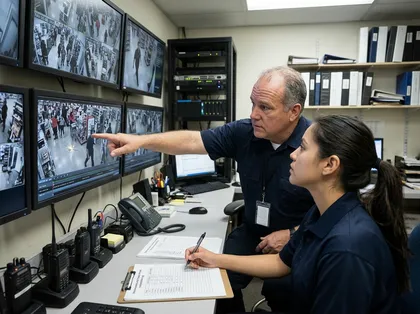
A store may be liable when employees create a dangerous condition or fail to address a hazard they should have discovered. On Black Friday, crowded entrances, sudden surges in customer traffic, temporary sale displays, and frequent restocking may create hazards that require reasonable precautions.
Examples of possible negligence include:
- Wet Floors: Employees fail to address a known spill or a hazard they should have discovered.
- Blocked Aisles: Staff leave merchandise or boxes where customers may trip.
- Falling Displays: The store improperly assembles or secures promotional merchandise.
- Unsafe Crowds: Management fails to take reasonable precautions against foreseeable crowd dangers.
For many unsafe-condition claims, you must show the store knew or should have known about the danger. Evidence that an employee created the hazard may also establish the store’s knowledge of it.
Can Another Business’s Insurance Cover the Injury?
Another business’s insurance may cover your injury if it shares responsibility for the accident. Potentially liable parties include property owners, shopping center operators, maintenance contractors, and security companies.
For example, if you got trampled or crushed when the doors opened on Black Friday, the property operator or its security contractor with control over the shared entrance where you were injured may be responsible. Their liability insurance may apply if their negligence contributed to the accident.
Multiple businesses may also share responsibility for a Black Friday injury. To illustrate, a store and shopping center operator may each have insurance that applies to the same accident.
Identifying each party’s role and available coverage can help determine which insurers may contribute to your compensation. They may provide other recovery options when coverage is insufficient.
What Compensation Can the Store’s Insurance Cover?
The store’s liability insurance may cover medical expenses, lost income, and other damages caused by its negligence. Compensation depends on your injuries, available evidence, applicable law, and policy limits.
Recoverable losses may include:
- Past and future medical expenses.
- Lost wages and reduced earning ability.
- Physical pain and emotional distress.
- Rehabilitation, medical equipment, and long-term care after serious injuries.
For severe injuries, future treatment costs may form a substantial part of the claim. Medical records and treatment plans can help establish these needs before settlement.
Can the Store Pay Medical Bills Before Negligence Is Proven?
Some stores carry medical payments coverage, or MedPay, that may pay eligible expenses without proof of negligence. This coverage differs from ordinary liability insurance because it generally does not require a finding of fault. It may provide limited benefits while the store investigates the accident.
According to the California Department of Insurance, commercial general liability policies may include medical payments coverage. Depending on the policy, MedPay may cover emergency care, medical examinations, and other necessary treatment.
Not every retailer offers MedPay for customer injuries, and coverage limits or exclusions may apply. You can ask the store or its claims administrator about available benefits and the documents needed to request payment.
How Do You Request Payment From the Store’s Insurance?
To request payment, contact the store or its insurer and submit a claim that explains how the accident occurred. The insurer will review the store’s responsibility, your injuries, and the compensation you seek. You may need to provide supporting records before the insurer makes a settlement offer.
The claims process generally involves these steps:
- Report the Accident: Notify store management, request an incident report, and ask for the store’s insurance or claims department contact information.
- Submit Your Claim: Contact the insurer or claims administrator. Provide the accident date, location, circumstances, and your contact details.
- Provide Supporting Evidence: Submit photographs, witness details, and medical records. Request preservation of Black Friday surveillance footage, crowd management plans, staffing records, and incident reports.
- Document Your Losses: Provide medical bills, lost wage records, and other expenses related to your injury.
- Review the Insurer’s Decision: Examine any settlement offer and compare it with your documented losses and expected medical needs.
- Negotiate Compensation: Address disputed amounts or missing expenses before agreeing to a settlement.
The insurer may deny the claim or dispute the amount requested. If negotiations fail, you may pursue a lawsuit against the responsible store or another liable party.
What if the Store’s Insurer Denies Your Claim?
An insurance denial does not automatically mean the store has no legal responsibility. The insurer may dispute negligence, the accident’s cause, or the amount of your losses. You can request an explanation and review the evidence supporting your claim.
If negotiations fail, you may have grounds to file a lawsuit. In California, you generally sue the responsible store or another liable party, not its insurer directly. The insurer may provide a legal defense and pay covered amounts under the policy.
The rules governing California store-injury claims depend on the circumstances of the accident. An attorney can assess the evidence and identify the parties responsible for your losses.
Arash Law can investigate store negligence, identify available insurance coverage, and assess potential compensation. Our team can also help preserve evidence and review the medical expenses connected to your claim.
Call (888) 488-1391 for a free case evaluation. We can discuss the accident, available records, and possible legal options.
Will You Have to Repay Your Health Insurance After Settlement?
Your health insurer may seek reimbursement if it paid injury-related medical expenses and you later receive compensation. California Civil Code § 3040 limits certain reimbursement claims by health plans and disability insurers. However, these limits do not apply to every insurance policy or medical lien.
For qualifying plans, the law generally limits reimbursement to one-third of the recovery when you have an attorney. Without an attorney, the settlement-based limit generally increases to one-half. The applicable treatment-cost limit and other legal reductions may lower these amounts. Medicare may seek repayment of conditional payments from a settlement or judgment under federal law. Medi-Cal and certain employer-sponsored health plans follow different reimbursement rules.
Reviewing valid reimbursement claims before settlement can help you understand the amount you may receive. Some claims may also qualify for reductions under applicable law or agreements.
How Long Do You Have to File a Claim Against the Store?
You should report your Black Friday injury to the store and its insurance company as soon as possible. California law does not set a specific deadline for filing this type of insurance claim, but the insurer may have its own reporting requirements.
However, there are deadlines for filing lawsuits, and insurance negotiations do not pause them. California generally gives injured shoppers two years to file a personal injury lawsuit against a private party, such as a store. Code of Civil Procedure § 335.1 establishes this deadline, subject to exceptions, such as cases involving injured minors.
Missing an applicable filing deadline can prevent you from pursuing compensation.
Frequently Asked Questions About Black Friday Injury Insurance in California
Will the Store’s Insurance Pay if Another Shopper Injures Me?
The store’s insurance may cover your injury if its negligence contributed to the accident. Another shopper’s conduct does not automatically make the retailer responsible.
However, a store may share liability if it failed to address a foreseeable crowd danger. The other shopper may also bear responsibility, depending on the facts.
Can I Recover Compensation if I Was Partly at Fault?
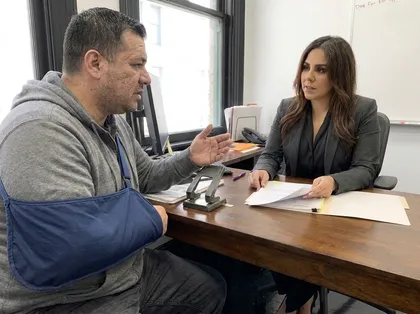
Yes. California follows pure comparative negligence, which generally reduces compensation according to your percentage of fault.
For example, if you prove $100,000 in damages but bear 30% of the fault, your recovery would generally be $70,000. The store’s insurer may dispute each party’s share of responsibility.
Do I Have to Give a Recorded Statement to the Store’s Insurer?
You generally do not have to provide a recorded statement to the store’s liability insurer simply because it requests one. However, you should provide accurate information when reporting the accident.
Avoid guessing about the cause or extent of your injuries. Your own insurer may have separate reporting and cooperation requirements.
What If I Was Injured On a Sidewalk Near a Store On Black Friday?
You may have a claim against a government entity if a dangerous public sidewalk caused your Black Friday injury. The store may also be responsible if it created the hazard or controlled the affected area.
Under California Government Code § 911.2, you generally have six months to present an injury claim to the responsible public entity. The entity generally has 45 days to respond. If it issues a qualifying written rejection, you usually have six months to file a lawsuit. Different deadlines apply without a qualifying rejection notice.
What Insurance Covers Me if I Was Working at the Store?
Workers’ compensation generally covers necessary medical treatment for employees who suffer qualifying injuries while working. Unlike a customer’s liability claim, workers’ compensation usually does not require proof of employer negligence.
Injured employees should report the accident in writing within 30 days, request a DWC-1 claim form, fill out the employee section, and return the form to their employer as soon as possible to start seeking benefits.
A separate personal injury claim may be available against a negligent third party.
How Much Does It Cost to Hire a Black Friday Injury Lawyer?
It won’t cost anything up front if the injury lawyer works on a contingency fee basis. The attorney’s fees generally depend on the case’s outcome, with many clients only paying them if a recovery is made. The written agreement must explain the applicable fees and costs.
Consult With Arash Law About Your Black Friday Injury Insurance Claim
Your health insurance typically covers eligible medical treatment first, while the store’s liability insurer investigates its responsibility. The store’s insurance may later provide compensation if its negligence caused your injury.
Arash Law can investigate store negligence, review available insurance, and assess your potential damages. Our team can also examine medical reimbursement claims that may affect your settlement.
Call (888) 488-1391 for a free initial consultation about your Black Friday injury. We handle personal injury claims under written contingency fee agreements.
Sources
- California Department of Insurance. Commercial general liability and medical payments coverage.
https://www.insurance.ca.gov/01-consumers/105-type/95-guides/09-comm/commercialguide.cfm- California Civil Code § 1714. General duty of reasonable care.
https://leginfo.legislature.ca.gov/faces/codes_displaySection.xhtml?sectionNum=1714.&lawCode=CIV- California Civil Code § 3040. Health plan reimbursement limits.
https://leginfo.legislature.ca.gov/faces/codes_displaySection.xhtml?sectionNum=3040.&lawCode=CIV- California Courts. Howell v. Hamilton Meats & Provisions, Inc. (2011): Limits on recoverable past medical expenses.
https://supreme.courts.ca.gov/case/s179115-howell-v-hamilton-meats-provisions- Judicial Council of California — CACI 3903A and 405: Medical expense damages and comparative negligence.
https://courts.ca.gov/partners/california-jury-instructions/civil-jury-instructions-resource-center/civil-jury-instructions- Centers for Medicare & Medicaid Services. Conditional Payment Information: Medicare’s payment priority and reimbursement rights.
https://www.cms.gov/medicare/coordination-benefits-recovery/attorney-services/conditional-payment-information- California Division of Workers’ Compensation. How to File a Claim: DWC-1 forms and workers’ compensation claim procedures.
https://www.dir.ca.gov/dwc/FileAClaim.htm- California Business and Professions Code § 6147: Written contingency fee agreement requirements.
https://leginfo.legislature.ca.gov/faces/codes_displaySection.xhtml?sectionNum=6147.&lawCode=BPC- California Code of Civil Procedure § 335.1. Two-year personal injury lawsuit deadline.
https://leginfo.legislature.ca.gov/faces/codes_displaySection.xhtml?sectionNum=335.1.&lawCode=CCP- California Government Code § 911.2. Government injury claim deadline.
https://leginfo.legislature.ca.gov/faces/codes_displaySection.xhtml?sectionNum=911.2.&lawCode=GOV- California Government Code § 912.4. The 45-day period for public entities to act on claims.
https://leginfo.legislature.ca.gov/faces/codes_displaySection.xhtml?sectionNum=912.4.&lawCode=GOV- California Government Code § 945.6. Lawsuit deadlines following government claim rejection.
https://leginfo.legislature.ca.gov/faces/codes_displaySection.xhtml?sectionNum=945.6.&lawCode=GOV- California Department of Health Care Services. Medi-Cal personal injury lien process.
https://www.dhcs.ca.gov/services/the-personal-injury-lien-process/- California Labor Code § 5400. Employee notice requirements for work-related injuries.
https://leginfo.legislature.ca.gov/faces/codes_displaySection.xhtml?sectionNum=5400.&lawCode=LAB- California Labor Code § 5401. Workers’ compensation claim forms and employer obligations.
https://leginfo.legislature.ca.gov/faces/codes_displaySection.xhtml?sectionNum=5401.&lawCode=LABDisclaimer
The information on this page is for general educational purposes and does not constitute legal advice. No attorney-client relationship is formed by reading or relying on this content. If you were injured, consult a licensed California personal injury attorney about your specific situation. Arash Law: (888) 488-1391.