Oceanside Work Injury Lawyers
Workers in Oceanside face injury risks at construction sites along Coast Highway, commercial properties near State Route 78 (SR-78), and delivery routes on Interstate 5 (I-5).
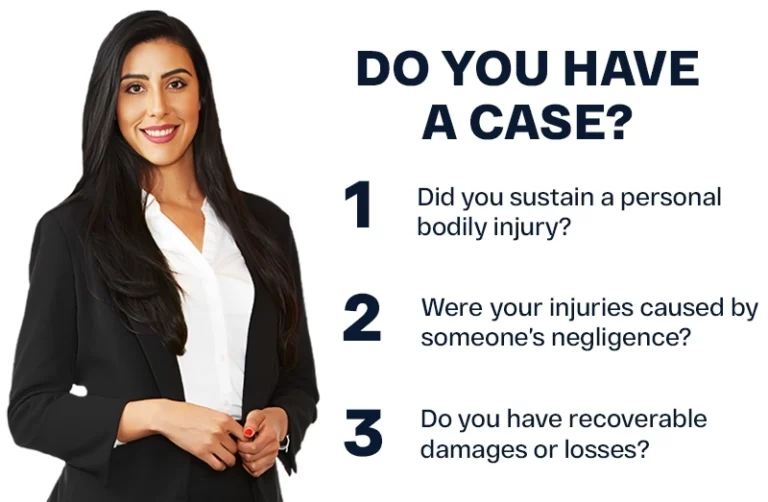
If you suffered a work-related injury anywhere in Oceanside, you may pursue a workers’ compensation claim. You may also have a separate personal injury claim if a negligent third party contributed to your injuries. Arash Law helps injured employees understand their legal options and pursue available compensation.
Our Oceanside work injury lawyers can handle cases involving falls, defective equipment, vehicle crashes, and other workplace hazards. Depending on the circumstances, workers may qualify for medical benefits and wage replacement. Those injured by a negligent third party may also pursue damages through a separate civil claim.
California workers’ compensation generally covers eligible job-related injuries regardless of fault. However, different rules apply to civil lawsuits against outside parties. Our attorneys review employment status, insurance coverage, medical records, and available evidence to determine which claims may apply.
Call: (888) 488-1391 (24-hour line)
Reviewed by: Arash Khorsandi, Esq., California State Bar #249405, admitted 2007, last reviewed November 2026

We’ll review what happened and tell you what options may be available.
Or, get LIVE help now — call our free 24-hour accident hotline at (888) 488-1391
Recovered
Fees unless we win
Free case hotline
Statewide practice
Who Can File a Work Injury Claim in Oceanside?
Employees injured while performing their job duties may qualify for workers’ compensation benefits in Oceanside. Coverage generally applies when an injury or illness arises out of and occurs during employment.
Eligible workers may include:
- Full-Time and Part-Time Employees: Workers at Oceanside construction sites, warehouses, restaurants, hotels, and other businesses generally qualify for workers’ compensation when their injuries are work-related.
- Temporary and Seasonal Workers: Employees working during peak tourism periods or on short-term construction projects generally receive the same workers’ compensation protections as permanent employees.
- Staffing Agency Employees: Those working at Oceanside businesses may qualify for coverage. The staffing agency, host employer, or both may have responsibilities depending on the employment arrangement.
- Misclassified Workers: Workers whose employers incorrectly classify them as independent contractors may still qualify for benefits. Their legal classification depends on the actual working relationship and applicable California law.
- Delivery and Transportation Workers: Employees injured while making deliveries or traveling between assigned job sites may qualify for coverage. Ordinary commuting accidents generally follow different rules.
- Public Employees: Eligible employees of the City of Oceanside, San Diego County, or California state agencies generally receive workers’ compensation through the applicable public employer’s coverage system.
- Workers With Occupational Illnesses: Employees who develop hearing loss, repetitive stress conditions, or other work-related illnesses may qualify even without a single identifiable accident.
- Families of Deceased Workers: Eligible dependents may pursue workers’ compensation death benefits when a covered workplace injury or occupational illness causes a worker’s death.
- Camp Pendleton Private-Sector Employees: Private-sector employees at Camp Pendleton generally qualify for California workers’ compensation when state law applies. Coverage differs for certain federal workers:
- Federal Civilian Employees: Generally receive benefits under the Federal Employees’ Compensation Act (FECA).
- Military Exchange Employees: Certain nonappropriated fund employees receive benefits through a separate federal system under the Longshore and Harbor Workers’ Compensation Act.
The Defense Base Act generally applies to qualifying overseas contractor work, not ordinary domestic employment at Camp Pendleton. Workers should verify their employment status and applicable coverage before filing, as federal claims have different procedures and deadlines.
Workers without lawful immigration status also generally receive California workers’ compensation protections. Their immigration status does not automatically prevent them from receiving available benefits.
Properly classified independent contractors generally do not receive workers’ compensation from the businesses hiring them. However, they may have a separate civil claim when another party’s negligence causes their injuries. Our Oceanside injury law firm can assess these claims.
Why Work Injury Cases in Oceanside Are Different
Oceanside’s transportation routes, commercial districts, and proximity to Camp Pendleton create different workplace injury scenarios. The accident location can affect available evidence, responsible parties, and filing procedures.
Camp Pendleton and Its Civilian Workforce
Marine Corps Base Camp Pendleton borders Oceanside to the north and supports civilian employment in construction, maintenance, transportation, food service, and other operations. Workplace injuries on the base may involve different state and federal compensation systems.
Camp Pendleton workers may fall under California workers’ compensation, FECA, or the Longshore and Harbor Workers’ Compensation Act, depending on their employment status. Each system has separate filing requirements and dispute procedures. Filing under the wrong program may delay benefits.
A separate claim involving a negligent contractor, federal employee, or dangerous condition on federal property may also raise federal liability and jurisdiction issues. The injury’s location alone does not establish government liability.
I-5, SR-78, and Coast Highway Work Injury Risks
Work-related crashes and injuries along Oceanside’s major corridors may involve different employers, outside contractors, and sources of evidence.
- Interstate 5 (I-5): I-5 runs through Oceanside, with interchanges at Oceanside Boulevard (Exit 52), Mission Avenue (Exit 53), and SR-76 (Exit 54A). Work-related crashes involving commercial vehicles may require investigating driver negligence, trucking company liability, and multiple insurance policies.
- State Route 78 (SR-78): SR-78 connects industrial areas near El Camino Real (Exit 2) and College Boulevard (Exit 3). Forklift, loading dock, and machinery injuries may involve equipment manufacturers or maintenance contractors. Establishing liability may require inspection records, repair histories, and service contracts.
- Coast Highway: Coast Highway runs through downtown Oceanside and connects commercial areas near the harbor. Workers involved in construction accidents may suffer falls, equipment-related injuries, and other harm. For example, a subcontractor injured during a commercial renovation near Mission Avenue may qualify for workers’ compensation. A separate third-party claim may also be available if a property owner, general contractor, or equipment manufacturer is legally responsible.
Different parties may also control important evidence. The California Highway Patrol Oceanside Area investigates collisions on I-5 and SR-78, while employers maintain workplace incident records. Trucking companies and outside contractors may hold additional evidence.
Our Oceanside car accident lawyers can review potential third-party liability following work-related vehicle collisions.
Emergency and Trauma Care for Injured Oceanside Workers
Oceanside has no designated trauma center. Injured workers may receive emergency treatment at Sharp Tri-City Medical Center, located at 4002 Vista Way, Oceanside. Patients with severe injuries may require care at designated trauma centers outside the city, including:
- Palomar UC San Diego Health Escondido: Level II Trauma Center.
- Scripps Memorial Hospital La Jolla: Level I Trauma Center.
Emergency responders determine transport destinations based on injury severity and San Diego County’s trauma protocols.
Workers who first receive emergency care at Sharp Tri-City may later transfer to a specialized trauma center. Each facility creates separate medical records, including emergency evaluations, imaging, transfer documents, and treatment notes. Collecting records from both hospitals can help document the injury, treatment history, and resulting losses.
Local Agencies and Courts That May Handle Work Injury Cases
Oceanside work injuries may involve separate workers’ compensation and civil claims, each with different procedures, deadlines, and evidence requirements.
- Workers’ Compensation Disputes: The San Diego WCAB District Office, located at 7575 Metropolitan Drive, Suite 202, San Diego, may hear disputes involving workers in Oceanside. A workers’ compensation judge decides benefit disputes. Venue depends on California’s filing rules.
- Third-Party Civil Lawsuits: Workers may pursue separate lawsuits against negligent outside parties in San Diego County Superior Court. The North County Regional Center, at 325 South Melrose Drive in Vista, handles many civil cases arising in Oceanside.
- Local Agencies and Evidence: Different agencies may hold relevant accident records:
- City of Oceanside: City street maintenance records, complaints, and traffic signal records.
- Caltrans: Roadway inspection and maintenance records for I-5 and SR-78.
- San Diego County: Records for county-maintained roads in unincorporated areas.
- California Division of Occupational Safety and Health (Cal/OSHA): Worksite inspection reports and safety citations.

Questions About Your Claim?
Tell us what happened. Our team can explain your next steps.

Focus On Your Recovery
Let our team help with the legal process while you focus on getting better.
Common Work Injuries in Oceanside and Their Long-Term Impact
Construction sites, warehouses, and hospitality businesses in Oceanside may present distinct hazards that lead to work injuries. These may include:
Falls, forklift accidents, and work-related crashes on I-5 can cause brain injuries, leading to memory problems, cognitive impairment, and long-term care needs.
Medical records, imaging, therapy notes, and work restrictions help establish the severity and long-term effects of workplace injuries. Consistent documentation may also address disputes over pre-existing conditions, treatment needs, and the worker’s ability to return to work.
Questions After A Work Injury?
Speak with our team about your situation.
What Compensation Can You Recover After a Work Injury in Oceanside?
Injured employees may qualify for workers’ compensation benefits, damages through a third-party civil claim, or both. The available recovery depends on the injury, employment relationship, responsible parties, and applicable law.
Workers’ Compensation Benefits
California workers’ compensation generally provides benefits without requiring employees to prove employer negligence.
Available benefits may include:
- Medical Treatment: Reasonably necessary care to cure or relieve the effects of the work-related injury, subject to applicable treatment rules.
- Temporary Disability Benefits: Partial wage replacement when a qualifying injury temporarily prevents the employee from performing available work.
- Permanent Disability Benefits: Payments for lasting impairment or disability resulting from the workplace injury.
- Supplemental Job Displacement Benefits: A qualifying retraining or education voucher when the worker meets statutory requirements and the employer does not offer suitable work.
- Death Benefits: Payments to eligible dependents following a compensable workplace fatality.
Temporary disability payments generally equal about two-thirds of the worker’s average weekly wages, subject to statutory minimums and maximums.
Workers’ compensation does not award ordinary pain-and-suffering damages.
Damages in a Third-Party Personal Injury Claim
A separate civil claim may provide compensation for losses workers’ compensation does not cover. Our Oceanside personal injury lawyers can evaluate medical records, lost income, and other evidence to support these damages.
Depending on the evidence, recoverable damages may include:
- Medical Expenses: Reasonable past and future costs of treatment related to the injury.
- Lost Income: Past earnings lost because the worker could not perform their job.
- Reduced Earning Capacity: The financial effect of an injury that limits future employment or earnings.
- Pain and Suffering: Physical pain, emotional distress, and reduced enjoyment of life.
- Disfigurement and Disability: The effects of permanent scarring, physical limitations, or other lasting injuries.
- Property Damage: Repair or replacement costs for personal property damaged in the accident.
Civil compensation depends on the losses proven and the legal rules governing the claim.
Other Damages Under a Third-Party Claim
Depending on the circumstances, additional claims or damages may include:
- Loss of Consortium: Damages that a qualifying spouse or registered domestic partner may recover in appropriate circumstances.
- Wrongful Death Damages: Eligible family members may seek funeral expenses, lost financial support, and loss of companionship when a third party causes a worker’s death (Code of Civil Procedure §377.60).
- Survival Action Damages: A deceased worker’s representative or successor may pursue certain claims the worker had before death. Recovery depends on Code of Civil Procedure §§377.30 and 377.34, including restrictions on pre-death pain and suffering for actions newly filed in 2026.
- Punitive Damages: Courts may award punitive damages in qualifying civil cases involving malice, oppression, or fraud proven by clear and convincing evidence (Civil Code §3294). Ordinary negligence alone is insufficient.
These claims and damages are not available in every case. Wrongful death and survival actions are legally distinct, and punitive damages are generally unavailable in ordinary wrongful death claims.
How Insurance Covers Oceanside Workplace Injuries
An Oceanside worker may qualify for workers’ compensation and a separate liability claim against a responsible third party.
Workers’ Compensation Coverage
Under Labor Code §3700, most California employers must carry workers’ compensation insurance or qualify for self-insurance.
Workers injured in accidents may receive benefits through their employer’s workers’ compensation insurer or approved self-insurance program. The claims administrator reviews coverage, authorizes qualifying medical treatment, and handles benefit payments. Treatment generally follows an approved Medical Provider Network (MPN), subject to exceptions.
Third-Party Liability Coverage
A separate liability policy may apply when someone outside the employment relationship contributes to an injury.
Potential coverage includes:
- Auto Liability Insurance: Covers qualifying claims against negligent drivers.
- Commercial General Liability Insurance: May cover claims against responsible contractors, property owners, or businesses.
- Product Liability Coverage: May apply when defective machinery or equipment causes an injury.
For example, an Oceanside delivery driver struck by a commercial truck near the I-5 and SR-78 interchange may pursue workers’ compensation and a separate claim against the negligent driver.
Our Oceanside truck accident lawyers can assess the third-party claim and applicable liability coverage.
Employer Immunity and Uninsured Employers
Under Labor Code §3602, workers’ compensation generally bars employees from suing employers that properly secure workers’ compensation coverage, including through approved self-insurance, for ordinary negligence arising from covered injuries. Certain statutory exceptions may allow direct lawsuits.
However, Labor Code §3852 preserves qualifying claims against responsible third parties, including negligent drivers and equipment manufacturers.
If an employer illegally fails to carry workers’ compensation insurance, Labor Code §3706 may allow an injured employee to sue the employer. Eligible workers may also receive benefits through the Uninsured Employers Benefits Trust Fund.
Reimbursement When Both Claims Apply
Under Labor Code §§3856 and 3860, an employer or workers’ compensation insurer may seek reimbursement from a worker’s third-party recovery.
The reimbursement amount may depend on benefits paid, attorney fees, litigation costs, and applicable fault rules. Settlement negotiations should address these rights before resolving the claims.
Workers pursuing both claims may need a workers’ comp lawyer, a personal injury lawyer, or both, depending on the disputes involved.
What to Expect in an Oceanside Work Injury Claim Process
An Oceanside workplace injury may involve workers’ compensation, third-party injury claims, or both. These claims can proceed simultaneously, but they follow separate procedures.
Workers’ Compensation Claim Process
- Report the Injury: Notify your employer in writing as soon as possible. Include the date, location, and nature of the injury.
- Get Medical Treatment: Seek emergency care when necessary. Sharp Tri-City Medical Center provides emergency services in Oceanside. Follow-up care may involve your employer’s Medical Provider Network (MPN), subject to applicable exceptions.
Submit the Workers’ Compensation Claim Form (DWC-1): Your employer generally must provide this claim form within one working day of learning about an injury that causes you to miss work beyond your current shift or requires medical treatment beyond first aid. Complete the employee section, return it, and keep a copy.
If your employer does not provide the form, you can download it from California’s Division of Workers’ Compensation website or contact its Information and Assistance Unit.
- Track Medical Authorizations and Claim Decisions: Keep copies of treatment approvals, claim status notices, and any denial letters from the claims administrator.
- Resolve Disputed Benefits: If the insurer denies your claim or disputes benefits, you may file an Application for Adjudication of Claim. The San Diego Workers’ Compensation Appeals Board (WCAB) District Office may handle the dispute, depending on venue rules.
Under Labor Code §5402, employers generally must authorize qualifying medical treatment within one working day after an employee files a completed DWC-1. While the claim is under review, the employer is generally responsible for up to $10,000 in qualifying medical treatment until liability is accepted or rejected.
Claims administrators must provide applicable claim notices within the deadlines set by California regulations, including certain 14-day notice requirements. For most claims, an injury is presumed compensable if liability is not rejected within 90 days after the claim form is filed. A shorter 75-day period applies to certain injuries and illnesses covered by specific statutory presumptions under Labor Code §5402(b)(2).
Third-Party Personal Injury Claim Process
- Identify Potentially Liable Parties: Determine if a negligent driver, equipment manufacturer, outside contractor, or another legally responsible party contributed to your injury.
- Gather Evidence: Preserve accident reports, photographs, witness information, equipment records, and other evidence supporting the third party’s responsibility.
- Document Your Losses: Keep medical bills, wage records, treatment reports, and other documents showing how the injury affected you.
- Pursue the Liability Claim: Present supporting evidence to the responsible party’s insurer and evaluate any settlement offer. If necessary, file a separate lawsuit in the San Diego County Superior Court.
Proving Fault in an Oceanside Work Injury Civil Claim
A third-party work injury claim may involve negligence, strict product liability, or another legal theory. Under California Civil Code §1714, negligence generally involves a failure to exercise reasonable care. To establish an ordinary negligence claim, an injured worker must prove four elements:
- Duty: The third party owed the worker a legal duty of care.
- Breach: The third party violated that duty, such as by failing to maintain safe equipment or driving negligently on I-5.
- Causation: The breach caused or contributed to the worker’s injury.
- Damages: The worker suffered losses, including medical expenses, lost income, and pain and suffering.
Defective equipment claims may instead rely on strict product liability, which does not require proof of ordinary negligence.
Comparative Fault in Third-Party Claims in Oceanside
California follows pure comparative negligence. An injured worker can recover damages even when partially responsible for an accident, although their share of fault reduces the recovery.
For example, a crash injures an Oceanside delivery driver near the Mission Avenue interchange on I-5. If the driver is 20% at fault and the proven damages total $100,000, comparative fault would reduce the damages to $80,000.
General Contractor Liability Under the Privette Doctrine
Under Privette v. Superior Court (1993) 5 Cal.4th 689, a company that hires an independent contractor generally is not liable for injuries to that contractor’s employees. However, Hooker v. Department of Transportation (2002) 27 Cal.4th 198 recognizes an exception when the hiring party exercises retained control in a way that affirmatively contributes to the injury.
For example, a general contractor overseeing a Coast Highway construction project may face liability if its instructions contribute to a subcontractor employee’s fall. General safety oversight alone does not establish liability.
Potentially Liable Third Parties
Depending on the circumstances, responsible parties may include:
- General Contractors: Hiring parties whose exercise of retained control contributed to an injury at an Oceanside construction site.
- Property Owners: Parties legally responsible for dangerous conditions at commercial properties or worksites.
- Equipment Manufacturers: Companies whose defective tools, machinery, or vehicles caused an injury.
- Negligent Drivers: Motorists responsible for collisions involving employees working along I-5 or SR-78.
- Outside Maintenance Contractors: Companies whose negligent repairs or equipment servicing contributed to an accident.
- Staffing Agencies or Host Employers: Parties subject to a separate legal basis for liability when workers’ compensation exclusivity does not bar the claim.
Government Liability for Dangerous Road Conditions
The City of Oceanside maintains city-controlled streets, while Caltrans maintains I-5 and SR-78. San Diego County maintains certain roads in nearby unincorporated areas.
Under Government Code §835, a public entity may be liable for an injury caused by a dangerous condition of its property when the statutory requirements are met. The injured worker must show that the property was in a dangerous condition at the time of the injury, that the condition caused the injury, and that it created a reasonably foreseeable risk of that type of harm.
The worker must also establish that a public employee’s negligent or wrongful act or omission created the condition, or that the public entity had sufficient actual or constructive notice to take protective measures before the injury. Maintenance records, prior complaints, and inspection reports may help establish responsibility.
Deadlines for Filing Oceanside Work Injury Claims
Workers injured at Oceanside construction sites, commercial properties, or while making deliveries along I-5 and SR-78 must follow California’s filing deadlines. Workers’ compensation and third-party injury claims have different time limits. Missing a deadline may bar recovery, although exceptions may apply.
- Work Injury Notice: Workers generally must notify their employer in writing within 30 days. Employer knowledge or other statutory exceptions may preserve benefits despite late notice (Labor Code §§5400, 5402, 5403).
- Workers’ Compensation Deadline: Labor Code §5405 generally provides one year to commence proceedings for covered benefits. The period may run from the date of injury, the end of a period covered by qualifying workers’ compensation disability payments, or the last date qualifying workers’ compensation medical benefits were furnished. Special rules may affect when the deadline begins or is extended.
- Personal Injury Lawsuit Deadline: Injured workers generally have two years to file a lawsuit against a negligent third party, subject to exceptions (Code of Civil Procedure §335.1).
- Property Damage Lawsuit Deadline: Workers generally have three years to file a civil property damage lawsuit against a private party (Code of Civil Procedure §338).
- Government Claim Deadline: Under Government Code §911.2, injured workers generally must present a personal injury claim to the responsible public entity within six months of the injury, before filing a lawsuit. This may apply to the City of Oceanside, San Diego County, or the State of California.
- 45-Day Response Period: A public entity generally has 45 days to act on a properly presented claim unless an extension applies.
- Six Months After Written Rejection: A legally compliant written rejection generally starts a 6-month period within which to file a lawsuit.
- Two Years Without Required Written Notice: If the public entity fails to provide the required rejection notice, the lawsuit deadline is generally 2 years from the date the claim arose.
- Late-Claim Relief: Government Code §911.4 allows qualifying claimants to apply for permission to present a late claim. The application generally must be submitted within a reasonable time, no later than one year after the claim arose. Certain statutory exceptions may affect this period, and approval is not guaranteed.
Special filing rules may apply to injuries that develop over time, workers under 18, and claims involving additional disability from an earlier workplace injury (Labor Code §§5408, 5410, 5412).
Preserve evidence early. Contractors may move equipment, businesses may overwrite surveillance footage, and worksite conditions may change. Promptly preserving photographs, incident reports, and witness information can help support a claim.
Work Injury Case Results Arash Law Secured for Injured Workers
Arash Law has secured the following results in California workers’ compensation cases and cases involving both workers’ compensation and third-party personal injury claims.
Past results do not guarantee future outcomes. Each case depends on its facts, evidence, and applicable law. These results are from Arash Law’s California-wide practice and are not specific to Oceanside.
Why Hire Arash Law for a Work Injury in Oceanside?
Arash Law can handle workers’ compensation disputes and third-party personal injury claims. Our attorneys review employment coverage, medical evidence, and potential liability to determine which legal options apply.
Our team can assist injured Oceanside workers by:
Talk to Arash Law About Your Oceanside Work Injury
A denied workers’ compensation claim, delayed medical treatment, or a dispute over employer liability can complicate your recovery. Arash Law offers a free initial consultation to injured workers in Oceanside and nearby communities.
Call (888) 488-1391. Our team is available 24/7. Hablamos español.
In workers’ compensation cases, attorney fees generally come from the awarded benefits and require approval from the Workers’ Compensation Appeals Board (WCAB). For separate third-party personal injury claims, the written agreement governs contingency fees and case costs, consistent with California Business and Professions Code §6147.
Frequently Asked Questions About Work Injuries in Oceanside
Can I Choose My Own Doctor for a Work Injury in Oceanside?
Yes, in certain circumstances. If your employer uses a Medical Provider Network (MPN), you generally must choose a doctor within that network. You may see your personal physician if you completed a valid predesignation before the injury. Other exceptions may apply. In an emergency, you can seek immediate medical care without waiting for MPN arrangements to be made.
Can My Employer Fire Me for Filing a Workers' Compensation Claim?
No. California Labor Code §132a prohibits employers from discriminating against employees for filing a workers’ compensation claim or exercising protected rights. Employers may still make legitimate employment decisions unrelated to the claim. Workers who experience unlawful retaliation may qualify for reinstatement, lost wages, and other statutory remedies.
My Employer Labeled Me as an Independent Contractor. Can I Still File a Claim?
Possibly. A company cannot avoid workers’ compensation obligations simply by labeling an employee an independent contractor. The actual working relationship and applicable California classification rules determine coverage. Workers whose employers incorrectly classify them as independent contractors may qualify for benefits despite receiving a Form 1099. Properly classified independent contractors generally do not receive workers’ compensation through the hiring business.
Can I Receive Workers' Compensation If the Accident Was My Fault?
Can I File a Work Injury Claim If Nobody Witnessed My Accident?
Yes. California workers’ compensation does not require an eyewitness for every workplace injury. Medical records, incident reports, photographs, and work schedules may help establish that the injury occurred during employment. For example, an Oceanside maintenance worker injured while working alone may use these records to support a claim. A separate civil lawsuit requires evidence establishing the responsible party’s liability.
What If the City of Oceanside Was Responsible for My Injury?
How Much Does It Cost to Hire a Lawyer After a Work Injury in Oceanside?
The cost depends on the type of claim. Workers’ compensation attorney fees generally require approval from the WCAB and usually come from awarded benefits. Third-party personal injury lawyers may work on a contingency-fee basis, meaning attorney fees depend on the recovery. The written agreement explains the fees and case costs.
Contact Arash Law About Your Work Injury Claim in Oceanside
Worksite evidence can become harder to obtain as construction projects advance, contractors move equipment, and businesses overwrite security footage. Incident reports, inspection records, and witness statements may help establish what caused your injury.
Arash Law handles workers’ compensation disputes and third-party injury claims involving workplaces in Oceanside, including construction sites and commercial transportation routes.
Call (888) 488-1391 for a free case evaluation. Our accident hotline is available 24/7. Hablamos español.
This page provides general information, not legal advice. Past results do not guarantee future outcomes. Workers’ compensation and personal injury claims depend on the facts and applicable law. Arash Law is a California personal injury law firm. Attorney advertising.