TL;DR: Yes, a California school may be liable when poor supervision or ignored warnings lead to injuries caused by another student. Schools must take reasonable steps to protect children from bullying, fights, and other known risks. Parents should report threats, save records, and document injuries. Claims against public schools usually require a written government claim within six months. Private school claims follow different deadlines.
A California school may be liable when another student causes an injury that school staff could have reasonably helped prevent. Schools have a duty to protect students from foreseeable harm. This includes supervising students, addressing known threats, and responding to reported bullying.
However, a school is not responsible for every fight or assault. A claim depends on what staff knew, how they responded, and whether their actions could have helped prevent the injury.
Table of Contents

Can a California School Be Responsible if One Student Injures Another Through Bullying, a Fight, Assault, or Other Foreseeable Conduct?
Yes. A school may be responsible if staff fail to exercise reasonable care and that failure results in a student’s injury.
To bring a negligence claim, the injured student must generally prove four things:
- The school has a duty of care. Staff had a legal duty to provide reasonable supervision.
- The school failed to meet that duty. Employees did not take reasonable steps to prevent a known or predictable risk.
- That failure caused the injury. The school’s actions, or lack thereof, played a substantial part in causing the harm.
- The student suffered losses. The injury caused harm for which the law allows the student to seek payment.
For example, a student may report repeated threats from a classmate. If staff ignore those reports and an assault follows, the school may face a negligence claim.
Earlier complaints can help show that staff knew about the risk. Still, a family does not always need proof of earlier warnings.
California Education Code § 44807 addresses public school teachers’ responsibility for student conduct and supervision. In Dailey v. Los Angeles Unified School District (1970), the California Supreme Court found sufficient evidence for a jury to consider whether inadequate school supervision contributed to a student’s injury.
The ruling established that another student’s misconduct does not automatically eliminate a school’s potential liability when negligent supervision contributes to the harm. However, these legal principles do not establish fault in any specific incident.
Key Facts About Student School Injury Claims in California
- Schools must supervise students with reasonable care. Education Code § 44807 addresses public school teachers’ duties regarding student conduct.
- Poor supervision can lead to liability. In Dailey v. Los Angeles Unified School District (1970), the court recognized claims linked to poor supervision.
- Schools must address certain bullying complaints. Education Code § 234.1 requires public schools to adopt rules and complaint steps for bullying based on protected traits.
- Districts may be liable for staff negligence. Government Code § 815.2 permits claims for certain injuries caused by school employees in the course of their employment.
- Public school claims have short deadlines. Government Code § 911.2 generally requires that a written injury claim be filed within six months.
- Private school claims follow different rules. Code of Civil Procedure § 335.1 generally gives injured people two years to sue, with some exceptions.
When Can a School Be Liable for an Injury Caused by Another Student?
A California school may be liable when its failure to provide reasonable care contributes to a student’s injury. Schools must supervise students, address safety risks, and maintain reasonably safe school grounds.
A school may face a negligence claim in situations involving:
- Poor supervision. Staff leave students without reasonable oversight during recess, lunch, or school activities, allowing fights or other dangerous behavior to occur.
- Failure to stop unsafe behavior. Teachers see students pushing, fighting, or engaging in rough play but fail to take reasonable action to prevent injuries.
- Unsafe school activities. Employees allow students to participate in dangerous games without proper supervision or safety measures, resulting in injuries to other participants.
- Failure to address reported threats. School staff ignore complaints about bullying, intimidation, or threats from another student, and the reported behavior later leads to an injury.
- Lack of safety precautions. Staff fail to address known risks of student fights or aggressive behavior in crowded hallways, playgrounds, or other areas where students gather.
Every child’s safety matters. The level of care a school must provide depends on the students’ ages, the activity, and whether staff could have anticipated another student’s harmful behavior.
When another student injures a child, families deserve answers about what happened and whether the school could have prevented the harm. Although schools are not automatically liable for every incident, they may be held responsible if their failure to provide reasonable care contributed to the injury.
Can a School Be Liable for Injuries Caused by Bullying?
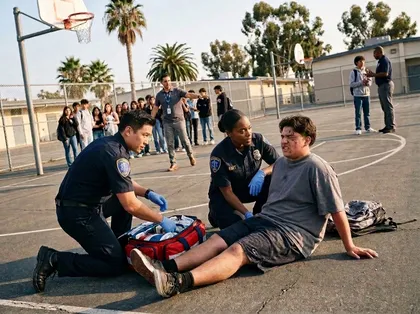
In some cases, yes. A California school may be liable when it fails to address reported bullying, and that failure contributes to a student’s injury.
Bullying may involve repeated threats, physical aggression, intimidation, or harmful online messages. Reports from students, parents, and teachers can help show what the school knew about the behavior.
After receiving a bullying complaint, school staff may need to:
- Investigate the reported incidents and speak with witnesses.
- Increase supervision in areas where bullying occurs.
- Separate students when needed to prevent further harm.
- Follow up with the affected student to check whether the bullying continues.
- Take other reasonable steps in accordance with the school’s safety policies.
For example, a parent may report that classmates repeatedly push and threaten their child. If staff ignore the complaints and the child later suffers an injury, the school may be held liable.
Earlier complaints, emails, witness statements, and school responses can help show whether staff took reasonable action.
Bullying does not automatically make a school liable. A successful claim must show that the school’s failure to use reasonable care contributed to the injury.
A school injury attorney can review the bullying reports, the school’s response, and the evidence supporting a possible claim.
Can the Student Who Caused the Injury or Their Parents Also Be Liable?
Yes. A student who injures a classmate may face civil liability. In certain cases, their parents or guardians may also be financially responsible. Under California Civil Code § 1714.1, parents or guardians who have custody and control of a minor may be liable for injuries caused by the child’s willful misconduct.
For personal injuries, this liability is generally limited to:
- Medical expenses
- Dental expenses
- Hospital expenses
These expenses are subject to an inflation-adjusted statutory limit. Parents may also face liability under other applicable laws, depending on the circumstances.
The school may have separate legal responsibility. For example, if a student repeatedly threatens a classmate and later assaults them, the student may face civil liability. The school may also be liable if staff knew or should have known about the danger but failed to take reasonable steps to prevent the injury.
Families may be able to pursue claims against multiple responsible parties. However, each party’s liability depends on the circumstances, available evidence, and applicable law.
What Are California Schools Required to Do About Bullying?
California’s Safe Place to Learn Act establishes requirements for public school policies against discrimination, harassment, intimidation, and bullying.
Under Education Code § 234.1, public educational agencies must adopt policies and complaint procedures addressing conduct based on protected characteristics.
These procedures must address several responsibilities, including:
- Investigating complaints. Schools must establish procedures for receiving and investigating covered reports of bullying, harassment, and discrimination.
- Intervening when appropriate. Staff must intervene when they witness covered conduct and can safely take action.
- Responding within established timelines. Complaint procedures must specify timelines for investigations and resolutions.
- Providing an appeal process. Families must have access to an appeal process for covered complaints.
- Protecting against retaliation. Schools must take steps to protect complainants from retaliation.
Protected characteristics include:
- Race
- Religion
- Disability
- Sex
- Sexual orientation
- Gender identity
- Other characteristics covered by California law.
Bullying can harm a child even when it does not involve a protected characteristic. Schools also address these incidents through student conduct rules and other applicable safety policies.
When a school fails to follow its anti-bullying policies, families may understandably question whether more could have been done to protect their child. Such failures may help establish an inadequate school response. However, a policy violation alone does not automatically establish legal liability or a right to compensation.
Why Should Parents Report Bullying Before an Injury Occurs?
Early reports of bullying give schools a chance to identify risks and address concerns before the situation escalates. This can also help school staff take protective steps before someone gets hurt.
Parents can watch for changes that suggest a child may be experiencing bullying. These may include:
- Unexplained injuries
- Missing belongings
- Repeated complaints about classmates
- Reluctance to attend school
Such changes do not always mean bullying has occurred. Parents can gently ask their child about their experiences, listen to their concerns, and offer support without assuming another student acted improperly.
If bullying is reported, parents should document the behavior and contact the school. Written reports help establish when staff received information and how they responded.
Parents can also ask administrators what steps the school plans to take to protect their child. Continued communication may help prevent further incidents and give families a clearer understanding of how the school is addressing their concerns.
Parents can submit a written complaint to the school principal or designated administrator. The complaint should describe the reported behavior, identify known witnesses, and request a response. They can also request a copy of the school’s anti-bullying policy and complaint procedures.
When bullying involves a protected characteristic, California’s Uniform Complaint Procedures (UCP) may apply. The California Department of Education’s complaint procedures explain how families can report covered discrimination, harassment, intimidation, and bullying.
A UCP complaint is different from an ordinary school discipline complaint. It also differs from a government injury claim seeking compensation.
Families who report bullying deserve to have their concerns taken seriously. However, reporting bullying does not replace the legal steps required to sue a public school district. Families must follow the applicable deadlines for each process to protect their right to pursue a claim.
How Do Public and Private School Injury Claims Differ in California?
Public and private schools may be liable when poor supervision or failure to address known risks causes a student’s injury. However, the steps families must take and the deadlines they must meet depend on the type of school involved.
| Claim Requirement | Public Schools | Private Schools |
|---|---|---|
| Liable parties | School districts may be liable for negligence by employees acting within the scope of their duties. | Private schools or their operators may be liable for negligence. |
| Government claim | Families generally must present a written government claim before filing a lawsuit. | Families generally do not need to present a government claim before suing. |
| Initial deadline | Families generally have six months from the injury date to present a government claim. | Families generally have two years from the injury date to file a lawsuit. |
| Deadline after claim rejection | Families generally have six months to sue after the required written rejection notice. Without that notice, the deadline is generally 2 years from the date of injury. | No government claims rejection process applies. |
| Claims involving minors | Injured minors may qualify for mandatory late-claim relief if the applicable requirements are met. However, being a minor does not automatically extend the initial six-month claim deadline. | The filing period generally pauses until the injured student turns 18, subject to exceptions. |
For charter schools, the claims process may differ depending on the school’s legal status and who is responsible for the injury.
Parents should also know that reporting an injury to the school usually does not count as filing a formal government claim. Missing an applicable deadline could affect a family’s ability to seek compensation.
Filing Deadlines for Childhood Sexual Assault Claims
When a child experiences sexual assault by another student, families may have additional legal protections. A school may face liability if its failure to provide adequate supervision or address foreseeable dangers contributed to the assault.
Under California Code of Civil Procedure §§ 340.1 and 340.11, qualifying childhood sexual assault claims brought by survivors are exempt from the usual government claim presentation requirement.
For qualifying assaults occurring on or after January 1, 2024, there is generally no deadline to file a civil claim. Earlier assaults follow different filing rules.
These protections may apply even when the person who committed the assault was another student. However, they do not automatically extend the deadlines for unrelated bullying, physical assault, or other negligence claims.
What Evidence Can Help Prove School Negligence?
Evidence can help establish what happened. Relevant records may include:
- School incident reports. Records of the injury, reported behavior, and staff response.
- Bullying complaints. Earlier reports that describe threats, harassment, or physical aggression.
- Surveillance footage. Video showing the incident, the surrounding area, or staff supervision.
- Witness statements. Accounts from students, teachers, aides, or other people who observed relevant events.
- School safety records. Applicable policies, staff assignments, supervision schedules, and records of earlier complaints.
- Medical and counseling records. Documents showing the injuries, treatment, and related effects.
Some student records are confidential. Families may need appropriate legal procedures to obtain records involving other students.
A school’s response after receiving complaints can also provide evidence. Investigators may compare the school’s documented actions with its policies and the risks employees knew about. The key question is whether a failure to provide reasonable care contributed to the child’s injury.
What Should Parents Do After Another Student Injures Their Child?
After a school accident, parents need to understand what to do if their child gets hurt at school. Parents should seek medical care, document the incident, and address any continuing safety concerns with the school.
The following steps may help:
- Get medical care. Seek emergency treatment when needed. Explain how the injury occurred and describe the child’s symptoms.
- Report the incident in writing. Notify the principal or designated administrator. Include the date, location, reported conduct, and known witnesses.
- Request the incident report. Ask whether the school documented the event and how to obtain available records.
- Preserve evidence. Save photographs, messages, emails, and screenshots. Promptly ask the school to preserve surveillance footage.
- Keep earlier complaints. Retain records of previous bullying reports, threats, and school responses.
- Follow up on safety concerns. Ask what protective measures the school has taken. Document any additional incidents.
Parents should also keep medical bills and other documents showing the injury’s effects. School video systems may delete recordings under their retention schedules. Prompt preservation requests may help protect relevant evidence.
A school injury involving another student’s conduct may raise several questions.
Arash Law can review available evidence, examine whether negligent supervision contributed to the injury, and identify applicable filing deadlines.
Call (888) 488-1391 for a free case evaluation. Families can discuss the incident and their legal options.
What Compensation May Be Available for a Student’s Injuries?
An injured student may seek compensation when the evidence establishes legal responsibility for their losses. Depending on the injuries and applicable law, compensation may include:
- Emergency care, surgeries, and hospitalization costs.
- Rehabilitation, physical therapy, and ongoing medical treatment.
- Psychological counseling and therapy.
- Lost future earning capacity.
- Pain and suffering and emotional distress.
- Loss of enjoyment of life.
- Educational disruption costs.
Parents may have separate claims for certain expenses, depending on the circumstances. California courts generally review settlements involving injured minors. Under the California Rules of Court, this process helps protect the child’s interests.
The available compensation depends on the evidence, the nature of the injury, and the parties’ legal responsibility.
Frequently Asked Questions About Student Injuries in California
Can a School Be Liable if a Student Attacks Another Without Any Previous Warnings?
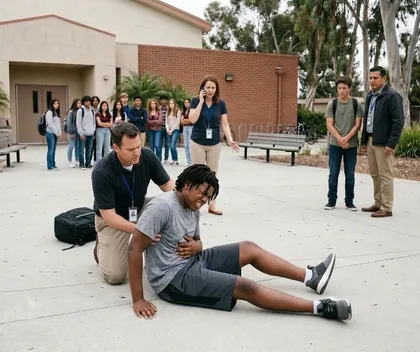
In some cases, yes. A school may face liability for inadequate supervision. This may apply even without prior complaints about the student who caused the injury. For example, a teacher may fail to supervise students during an activity where dangerous behavior was reasonably foreseeable. Courts consider the surrounding circumstances and whether reasonable supervision could have prevented the injury.
Can a School Be Responsible for Cyberbullying That Leads to an Injury?
Depending on the circumstances, schools may be responsible. Schools may have duties involving cyberbullying when the conduct falls within applicable California law or school policies.
Education Code § 48900(r) addresses certain severe or pervasive bullying, including qualifying electronic conduct. Parents should save messages, screenshots, dates, and reports submitted to school employees. A civil injury claim still requires proof that the school’s negligence contributed to the recognized harm.
Can a School Be Liable if My Child Was Injured Before Classes Started?
Yes, but only under specific circumstances. A public school may face liability for certain student-on-student injuries before classes begin. This may include whether students were permitted on campus and what supervision was reasonable. School officials cannot automatically avoid liability because the injury occurred before the first bell.
Can Parents Sue if the School Already Disciplined the Student Who Caused the Injury?
Yes, but internal school discipline does not guarantee a successful lawsuit. While a school may suspend, expel, or otherwise discipline the student who caused the injury, these administrative actions do not resolve a family’s separate civil personal injury claim. However, simply proving that an injury occurred and that a student was punished is not enough to win a case. The injured student or their family must still establish negligence, causation, and damages.
Who Pays the Medical Bills After Another Student Injures My Child?
A family’s health insurance may cover eligible medical treatment after a school injury. If another party is legally responsible, a personal injury claim may seek compensation for recoverable medical expenses.
The school, another student’s parents, or other responsible parties may have applicable insurance coverage. However, insurance does not automatically pay every claim. Available benefits depend on legal responsibility, policy terms, and the circumstances.
How Much Does It Cost to Hire a Personal Injury Lawyer After a School Injury?
Many personal injury lawyers handle school injury claims on a contingency fee basis. This means if the case produces no recovery, the attorney generally receives no attorney’s fees.
Under California law, contingency fee agreements must be in writing. The agreement must state the fee percentage and explain how case costs affect the client’s recovery. Families should review the written agreement and ask whether they must pay expenses if the case is unsuccessful.
Talk to Arash Law About Your Child’s School Injury Claim
When another student causes an injury, parents may have questions about the school’s supervision and response to earlier safety concerns.
Arash Law can review the incident, examine available evidence, and assess whether negligence contributed to the injury. The firm handles California personal injury claims involving serious injuries and disputed liability.
Parents can contact Arash Law to discuss school incident reports, bullying complaints, medical records, and applicable filing deadlines. Call us at (888) 488-1391 any time. We are available 24 hours a day.
Sources
- California Legislature. Education Code § 44807. Public school teachers’ responsibility for student conduct. https://leginfo.legislature.ca.gov/faces/codes_displaySection.xhtml?sectionNum=44807.&lawCode=EDC
- California Legislature. Education Code § 234.1. Anti-bullying policies and complaint procedures. https://leginfo.legislature.ca.gov/faces/codes_displaySection.xhtml?sectionNum=234.1&lawCode=EDC
- California Legislature. Government Code § 815.2. Government entity liability for employee negligence. https://leginfo.legislature.ca.gov/faces/codes_displaySection.xhtml?sectionNum=815.2&lawCode=GOV
- California Legislature. Government Code § 911.2. The government claims presentation deadlines. https://leginfo.legislature.ca.gov/faces/codes_displaySection.xhtml?sectionNum=911.2&lawCode=GOV
- California Legislature. Government Code §§ 911.4 and 911.6. Late government claim applications. https://leginfo.legislature.ca.gov/faces/codes_displaySection.xhtml?sectionNum=911.6&lawCode=GOV
- California Legislature. Civil Code § 1714.1. Parental liability for a minor’s willful misconduct. https://leginfo.legislature.ca.gov/faces/codes_displaySection.xhtml?sectionNum=1714.1&lawCode=CIV
- California Courts. Government claims requirements and filing deadlines. https://selfhelp.courts.ca.gov/civil-lawsuit/government-claim
- California Department of Education. Uniform Complaint Procedures. https://www.cde.ca.gov/re/cp/uc/index.asp
- California Supreme Court. Dailey v. Los Angeles Unified School District (1970) 2 Cal.3d 741. https://scocal.stanford.edu/opinion/dailey-v-los-angeles-unified-sch-dist-27575/
- California Judicial Branch. Rule 7.950. Approval of settlements involving minors. https://courts.ca.gov/cms/rules/index/seven/rule7_950
Disclaimer
The information on this page is for general informational purposes only and does not constitute legal advice. If you or your child has been injured at school, contact a qualified California personal injury attorney promptly. Call Arash Law at (888) 488-1391.