TL;DR: You generally cannot sue a bar for overserving a drunk driver on Blackout Wednesday in California. However, a bar may be liable if it served alcohol to someone under 21 who was already obviously intoxicated, and that service contributed to your injuries. Even if the bar isn’t liable, you may still seek compensation from the drunk driver or other responsible parties.
In most cases, you can’t sue a California bar simply because it overserved a drunk driver who later hit you on Blackout Wednesday. However, there is an important exception. If the bar served alcohol to someone under 21 who was already obviously intoxicated, and that service contributed to the crash, you may have grounds to hold the establishment responsible for your injuries (California Business and Professions Code Section 25602.1).
California has strict rules about when bars and restaurants can be held liable for drunk driving accidents. These rules, known as dram shop laws, generally place responsibility on the person who drank the alcohol and chose to drive.
That doesn’t mean you’re out of options. If you were injured by a drunk driver on Thanksgiving Eve, you may still be able to seek compensation from the driver and other responsible parties.
Key Facts About Blackout Wednesday Drunk Driving Claims in California
- Most bars are protected from lawsuits. California law generally prevents injured people from suing an establishment just because it served alcohol to an adult who later caused a crash.
- Serving an intoxicated minor is different. A bar may be liable if it serves someone under 21 who is already obviously intoxicated, and that person causes an injury.
- Private party hosts can also face liability. An adult who knowingly provides alcohol to someone under 21 at their home may be responsible if the minor’s intoxication leads to injuries.
- You can still pursue compensation from the drunk driver. Even when the bar isn’t legally responsible, you may have a personal injury claim against the driver who caused the collision.
- Evidence from the bar matters. Witness statements, receipts, and security footage may help show whether an underage customer was visibly intoxicated when served.
- You have limited time to act. California generally gives you two years to file a personal injury lawsuit, three years for property damage, and six months to present certain government claims.
Table of Contents

If a drunk driver injured you on Blackout Wednesday, you may have options for seeking compensation, even if the bar can’t be held responsible. Our drunk driving accident lawyers can review what happened, identify potentially liable parties, and help you understand your rights under California law.
Why Is Blackout Wednesday a Concern for Drunk Driving in California?
The night before Thanksgiving is supposed to be about catching up with old friends. For many people, though, those reunions also involve plenty of alcohol.
Blackout Wednesday, sometimes called Drinksgiving or Barmageddon, has become an unofficial drinking holiday across the United States. College students return home for Thanksgiving break, while adults visiting their hometowns meet former classmates and friends at neighborhood bars.
With Thanksgiving Day usually reserved for family gatherings, Wednesday night becomes the time to go out. The occasion is associated with heavy social drinking, including binge drinking. Some bars see a noticeable increase in customers and alcohol sales, sometimes rivaling other major drinking holidays.
The problem begins when people leave those gatherings and get behind the wheel after drinking. The risk of DUI accidents on Blackout Wednesday is one of the dangers of driving on Thanksgiving.
In California, the California Highway Patrol (CHP) increases enforcement during this period. Officers watch for impaired drivers and other dangerous behavior on highways and local roads.
For someone injured by a drunk driver, there’s another question beyond who caused the crash: Could the bar that kept serving that person also be responsible?
The answer depends largely on the driver’s age and what happened while they were being served.
Can You Sue a Bar for Overserving a Drunk Driver in California?
Usually, no. California generally doesn’t allow you to sue a bar simply because it served too much alcohol to an adult who later caused a drunk driving accident.
That rule can be surprising, especially if the driver was clearly intoxicated when they left the establishment.
California’s dram shop laws explain why.
Under Business and Professions Code Section 25602, businesses that provide alcohol are generally protected from civil liability when an intoxicated customer later injures someone.
The law treats drinking the alcohol, rather than serving it, as the legal cause of harm resulting from intoxication.
In other words, California generally holds the person who consumed the alcohol responsible for what happens afterward.
What if the Bartender Knew the Customer Was Going to Drive?
Even if a bartender knew an adult customer planned to drive, that knowledge alone generally wouldn’t make the bar liable for a resulting accident.
For example, suppose someone spends Thanksgiving Eve drinking at a neighborhood bar. The bartender notices the customer has had several drinks and knows they drove there. Later, the customer leaves, drives while impaired, and causes a collision.
The bar would generally remain protected under California’s dram shop laws.
However, the situation changes if the customer was under 21 and already obviously intoxicated when the bar served them alcohol.
Does This Rule Apply to Restaurants and Nightclubs Too?
Yes. The same general rules apply to businesses that sell alcohol, including:
- Bars and pubs.
- Restaurants.
- Nightclubs.
- Convenience stores.
- Grocery stores that sell alcoholic beverages.
What matters isn’t necessarily where the alcohol was served. It’s whether the circumstances meet California’s legal requirements for holding the provider responsible.
When Can a Bar Be Held Responsible for Serving an Intoxicated Minor?
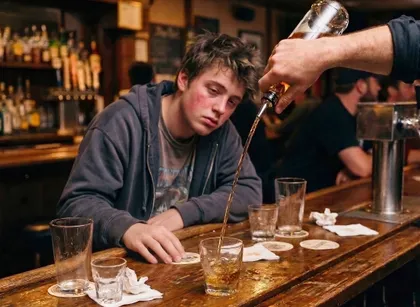
A bar may be held liable if it serves alcohol to someone under 21 who is already obviously intoxicated, and that service contributes to an accident that injures someone.
This exception comes from California Business and Professions Code Section 25602.1.
Consider this example.
A 20-year-old college student returns home for Thanksgiving break and meets friends at a bar. The student has already been drinking and shows clear signs of intoxication, such as stumbling or slurring their words.
Despite those signs, the bartender continues serving alcohol. The student later drives away and hits another vehicle.
In that situation, the injured person may have a claim against the bar, not just the driver.
What Do You Have to Prove to Sue the Bar?
It’s not enough to show that the driver was underage or had been drinking.
To hold the establishment responsible under California’s exception for intoxicated minors, you generally need to establish the following:
- The business was an alcohol provider covered by the law. It was licensed, required to be licensed, or otherwise authorized under the applicable statute to sell alcohol.
- The business provided the alcohol. An employee sold, served, or gave alcoholic beverages to the underage customer.
- The customer was younger than 21. The person had not reached the legal drinking age when the alcohol was served.
- The customer was obviously intoxicated. They showed recognizable signs of impairment before receiving the alcohol.
- The service contributed to the injuries. Providing the alcohol was a substantial factor in causing the harm.
These details matter because California doesn’t automatically hold bars responsible whenever they serve someone underage.
The person’s condition when they were served alcohol and the connection between that service and the injuries are central to the claim.
What Does “Obviously Intoxicated” Actually Mean?
Someone doesn’t have to pass out or become completely unable to stand before they’re considered obviously intoxicated.
The question is whether their behavior showed signs of impairment that a reasonable person could recognize.
Those signs might include:
- Slurred or difficult-to-understand speech.
- Trouble walking or maintaining balance.
- Stumbling or poor coordination.
- Loud, argumentative, or unusually disruptive behavior.
- Impaired judgment or difficulty communicating clearly.
- Alcohol on their breath or a flushed face, along with other signs.
Having a few drinks isn’t enough, by itself, to prove obvious intoxication.
The key is showing that the underage customer was displaying noticeable signs of intoxication when the establishment served them alcohol.
How Can You Prove the Bar Served Someone Who Was Already Drunk?
You may need evidence showing how the underage driver behaved before and during alcohol service.
That can be difficult when the crash occurred elsewhere, long after the person left the bar. Still, several types of evidence may help piece together what happened.
Evidence That May Help Your Claim
- Security Camera Footage: Video may show the customer’s movements, behavior, and interactions with employees.
- Witness Statements: Bartenders, servers, friends, and other customers may remember whether the person appeared intoxicated.
- Receipts and Payment Records: These can help establish what alcohol was purchased and when.
- Police Reports: Officers’ observations after the collision may help document the driver’s condition.
- Toxicology Reports: Blood alcohol concentration (BAC) results may help qualified professionals examine the driver’s level of intoxication and drinking timeline.
In some cases, an attorney may work with a toxicologist to assess what the available evidence suggests about the person’s condition at the time they were served.
It’s especially important to act early if you believe the driver was underage.
Security footage may be deleted, witnesses can become difficult to locate, and memories fade. Waiting too long could make it harder to prove what happened inside the establishment.
What if the Alcohol Came From a Private Blackout Wednesday Party?
A private party host may also face liability in California. However, the rules are different from those that apply to bars and restaurants.
Under California Civil Code Section 1714(d), an adult who knowingly provides alcohol at their residence to someone under 21 may be held responsible if the minor’s intoxication causes injury or death.
Imagine someone hosting a Thanksgiving Eve gathering at home. They know several guests are under 21 but provide them with alcoholic drinks anyway.
One of those guests later drives while intoxicated and injures another person.
Depending on the circumstances, the injured person may be able to pursue a claim against the host.
Does the Minor Have to Be Obviously Drunk?
No. This is an important difference between the rules for commercial alcohol providers and private hosts.
For a claim involving a private host under Civil Code Section 1714(d), the injured person generally must show that:
- The host was an adult who knowingly provided alcohol at their residence.
- The host knew, or should have known, that the guest was under 21.
- The minor’s intoxication caused injury or death.
- The host’s decision to provide alcohol was a legally sufficient cause of the harm.
The law doesn’t require the same proof of obvious intoxication that applies to claims against licensed alcohol sellers.
However, private hosts who serve adult guests are generally protected from liability for injuries those guests later cause because of their drinking.
What Happens if You Can’t Sue the Bar?
You can still pursue compensation from the drunk driver who caused the accident, even if California law protects the bar from liability.
This distinction matters. Being unable to sue the establishment doesn’t mean you have to cover your medical bills and other losses yourself.
Your claim may involve the driver and, depending on what happened, other responsible parties.
Who Else Could Be Responsible for Your Injuries?
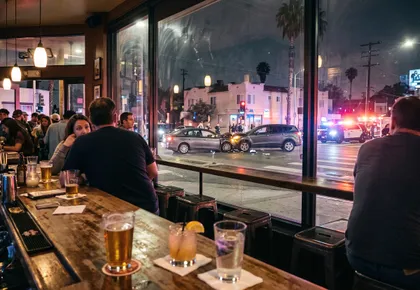
Potentially liable parties may include:
- The Drunk Driver: Someone who drives while impaired and causes a collision may be responsible for the resulting injuries and damage.
- The Driver’s Employer: If the driver was performing work duties at the time of the accident, the employer may also share responsibility.
- A Government Entity: If a dangerous roadway condition contributed to the collision, a claim against the responsible public entity may be possible.
- An Alcohol Provider: If the driver was an obviously intoxicated minor at the time of service, a qualifying establishment may also face liability.
Not every accident involves multiple responsible parties. Determining who may be liable requires a close examination of the evidence and the circumstances of the crash.
What if the Drunk Driver Doesn’t Have Enough Insurance?
This is another concern for people dealing with serious injuries after a drunk driving accident.
The driver’s auto liability insurance is often the first place to seek compensation. That raises the question: what if the driver has no insurance or their policy isn’t enough to cover your losses?
Other coverage may be available:
- Uninsured Motorist Coverage: Your own policy may provide benefits if the responsible driver doesn’t have applicable liability insurance.
- Underinsured Motorist Coverage: This may help when the other driver’s available liability coverage is insufficient to cover your damages.
- Commercial Liability Insurance: A business’s applicable coverage may be relevant when a valid claim is made against it.
- Homeowners Insurance: Certain claims involving private hosts may be covered, depending on the policy’s terms and exclusions.
These options aren’t automatic. Available coverage depends on the policies involved and the facts of the accident.
Talk to Arash Law About Your Blackout Wednesday Accident
If a drunk driver injured you on Thanksgiving Eve, you may be wondering who can be held responsible and how you’ll pay for your recovery.
Arash Law can review what happened, identify potentially responsible parties, and help you understand your options under California law. If the driver was underage, we can also evaluate whether the circumstances support a claim against the establishment or private host that provided the alcohol.
Call (888) 488-1391 for a free initial consultation.
What Compensation Can You Seek After a Blackout Wednesday DUI Accident?
You may be able to recover compensation for the financial losses and personal harm caused by the crash.
A drunk driving accident can affect more than your vehicle. You might need ongoing medical treatment, miss weeks of work, or struggle with pain that makes everyday activities difficult.
California personal injury law recognizes different types of damages, depending on the circumstances.
These may include:
- Medical Expenses: Emergency treatment, hospital bills, medication, rehabilitation, and future medical care.
- Lost Wages: Income you missed while recovering from your injuries.
- Reduced Earning Capacity: Losses resulting from injuries that affect your ability to work in the future.
- Property Damage: The cost of repairing or replacing your damaged vehicle and other belongings.
- Pain and Suffering: Compensation for the physical pain and limitations caused by your injuries.
- Emotional Distress: The psychological effects of the collision and your recovery.
If the crash resulted in someone’s death, eligible surviving family members may also have grounds to pursue a wrongful death claim.
The amount you may recover depends on the severity of the harm, the supporting evidence, applicable law, and available insurance or other sources of compensation.
Is Financial Help Available Outside a Personal Injury Lawsuit?
Possibly. Some people injured in drunk driving incidents may also qualify for assistance through the California Victim Compensation Board (CalVCB).
The program may help reimburse eligible expenses, including medical treatment, mental health counseling, funeral costs, and lost income, subject to its rules and limits.
This assistance is separate from a civil lawsuit. It doesn’t replace your right to pursue a claim against a responsible party.
You can review the program’s victim compensation information to learn more about eligibility and covered expenses.
How Long Do You Have to File a Drunk Driving Accident Claim in California?
In most California personal injury cases, you have two years from the date of the injury to file a lawsuit.
However, not every claim follows the same deadline.
| Type of Claim | General Time Limit |
|---|---|
| Personal injury | Two years from the injury. |
| Property damage | Three years from the property damage. |
| Certain claims against government entities | Six months to present a claim. |
Legal basis: California Code of Civil Procedure Section 335.1, Code of Civil Procedure Section 338, and Government Code Section 911.2.
Missing a lawsuit deadline may mean losing the right to pursue that claim in court. Similarly, failing to present a required government claim within the applicable period may bar that claim, although limited exceptions and procedures may apply.
Accident reporting requirements are separate. Missing a required report may lead to administrative problems or weaken available evidence, rather than automatically ending a civil lawsuit.
You also shouldn’t wait until a legal deadline approaches to start gathering evidence.
Bar security footage, witness accounts, and other records may become harder to obtain long before the filing period expires.
What Should You Do if a Drunk Driver Hits You on Thanksgiving Eve?
Your health comes first after a collision. Once you’re safe and have received necessary medical attention, there are practical steps you can take to protect your interests.
- Get medical attention. Have your injuries evaluated, even if they initially seem manageable.
- Report the collision. Contact the appropriate authorities and obtain information about the police report.
- Take photos. Document the vehicles, visible injuries, roadway conditions, and anything else relevant to the accident.
- Get witness information. Save the contact details of anyone who witnessed the collision or observed the driver’s behavior.
- Keep your records. Hold on to medical documents, repair estimates, receipts, and insurance correspondence.
- Write down what you know about the drinking location. If you know which bar, restaurant, or private gathering the driver attended, preserve those details.
- Speak with a California personal injury attorney. Ask about your legal options and whether additional evidence needs to be preserved.
If the driver was younger than 21, information about when and where they received alcohol may be particularly important.
Frequently Asked Questions About Blackout Wednesday Drunk Driving Claims in California
Can I Sue a Bar if It Overserved a Drunk Driver Who Was Over 21?
Generally, no. California’s dram shop laws usually protect bars from civil liability when an adult customer drinks too much and later causes an accident.
You may still pursue a personal injury claim against the driver who caused your injuries.
What if Several Bars Served the Driver Before the Accident?
Each establishment’s potential liability must be considered separately. If the driver was an adult, California’s general protection for alcohol providers typically applies to each business.
If the driver was under 21, any establishment that served them while they were obviously intoxicated may need to be investigated.
Can I Sue a Bar Just Because It Served Alcohol to Someone Under 21?
Not automatically. To pursue a claim under California’s dram shop exception, you generally need to show that the person was under 21, already obviously intoxicated when served, and that the service substantially contributed to the injuries.
The fact that the bar served an underage patron isn’t enough to establish its civil liability.
What if the Drunk Driver Was Arrested for DUI?
A DUI arrest may help document what happened. However, it doesn’t automatically make the bar responsible.
A claim against an alcohol provider must meet California’s separate legal requirements. You may still have a claim against the driver who caused the accident.
Can I Sue Someone Who Hosted a Thanksgiving Eve House Party?
Yes, in certain circumstances. California law may allow a claim against an adult who knowingly provided alcohol at their residence to someone they knew, or should have known, was under 21.
The minor’s intoxication must also have caused injury or death, and the other legal requirements must be met.
What if the Drunk Driver Doesn’t Have Auto Insurance?
You may be able to seek compensation through uninsured motorist coverage on your own policy.
Other options depend on the circumstances, including whether another party shares legal responsibility for the accident.
Can I Still Get Compensation if the Bar Isn’t Liable?
Yes. You may be entitled to compensation from the drunk driver who caused the collision.
Depending on your injuries and losses, a claim may include medical expenses, lost wages, property damage, and pain and suffering.
Injured by a Drunk Driver on Blackout Wednesday? Arash Law Can Help
Thanksgiving Eve should be a chance to enjoy time with friends and family, not the beginning of a long recovery from someone else’s decision to drive drunk.
If you were injured, you may have questions about medical bills, insurance, and whether the bar that served the driver can be held responsible. California law limits claims against alcohol providers, but it doesn’t take away your right to pursue compensation from a driver or another party who is legally responsible.
At Arash Law, we help injured people throughout California understand their legal options. We can review the details of your accident, examine the available evidence, and discuss what pursuing a claim may involve.
Call (888) 488-1391 for a free case evaluation.
Sources
- California Legislature — Civil Code Section 1714. Addresses the general rules governing liability for injuries, including the limited exception involving adults who provide alcohol to minors at their residence. https://leginfo.legislature.ca.gov/faces/codes_displaySection.xhtml?lawCode=CIV§ionNum=1714
- California Legislature — Business and Professions Code Section 25602. Establishes California’s general protection against civil liability for furnishing alcohol to intoxicated persons. https://leginfo.legislature.ca.gov/faces/codes_displaySection.xhtml?lawCode=BPC§ionNum=25602
- California Legislature — Business and Professions Code Section 25602.1. Addresses liability when qualifying alcohol providers serve obviously intoxicated minors. https://leginfo.legislature.ca.gov/faces/codes_displaySection.xhtml?lawCode=BPC§ionNum=25602.1
- Judicial Council of California — California Civil Jury Instructions, CACI No. 422. Explains the legal elements and considerations involved in claims concerning alcohol provided to obviously intoxicated minors. https://courts.ca.gov/system/files/file/judicial_council_of_california_civil_jury_instructions_2026.pdf
- Judicial Council of California — CACI No. 427, Furnishing Alcoholic Beverages to Minors. Explains the legal requirements for holding an adult liable for providing alcohol to someone under 21 at their residence. https://courts.ca.gov/system/files/file/judicial_council_of_california_civil_jury_instructions_2026.pdf
- California Department of Alcoholic Beverage Control — Laws and Liability. Provides information about California’s alcohol-service laws and potential liability. https://www.abc.ca.gov/education/licensee-education/laws-and-liability/
- California Victim Compensation Board — CalVCB Basic Fact Sheet. Outlines potential financial assistance and qualifying expenses for eligible crime victims. https://victims.ca.gov/uploads/2025/07/CalVCB-Basic-Fact-Sheet_2025_ENGLISH.pdf
Disclaimer
This content is for educational purposes only and is not legal advice. Reading it or contacting the firm does not create an attorney-client relationship. Laws and their application may vary depending on the facts of your case. Consult a licensed California attorney about your specific circumstances.
If representation is offered on a contingency-fee basis, the terms will be provided in a written agreement, and case costs may apply.
Arash Law — (888) 488-1391.