TL;DR: A Turkey Trot waiver can limit your right to sue, but it does not block every injury claim. California courts generally enforce valid waivers for ordinary negligence. However, gross negligence and certain public safety violations fall outside that protection. You may also have a claim against someone the waiver does not cover.
Signing a Turkey Trot waiver does not automatically prevent you from suing after an injury in California. A valid waiver may protect race organizers from ordinary negligence claims. However, it generally cannot excuse gross negligence, intentional harm, or certain violations of public safety laws.
You may also have a claim against another party who caused your injury. The outcome depends on the waiver’s wording, the circumstances of the accident, and the actions of those involved.
Many people join Turkey Trots as part of their Thanksgiving traditions. Although these races are usually recreational, participants can suffer injuries from unsafe course conditions, traffic accidents, and other hazards.
California law distinguishes between the normal risks of running and injuries caused by another party’s failure to meet its legal duties.
Key Facts About Turkey Trot Waivers and Your Rights in California
- Ordinary Negligence: A clear Turkey Trot waiver may prevent participants from suing organizers over routine race-related negligence (City of Santa Barbara v. Superior Court (2007)).
- Gross Negligence: California generally prohibits recreational waivers from excusing extreme departures from the ordinary standard of care, such as serious safety failures (City of Santa Barbara v. Superior Court (2007) 41 Cal.4th 747).
- Unsafe Public Race Routes: Injured participants may pursue claims involving dangerous public road conditions despite signing waivers (Government Code § 835; Whitehead v. City of Oakland (2025)).
- Negligent Drivers: A waiver signed with race organizers does not automatically protect a motorist whose negligence injures a participant (Civil Code § 1714).
- Minors’ Waivers: Parents may sign releases on behalf of their children, but enforceability depends on the agreement’s wording and scope (Hohe v. San Diego Unified School District (1990)).
Table of Contents

How Do Turkey Trot Liability Waivers Work in California?
A Turkey Trot liability waiver is an agreement that limits certain injury claims against race organizers and other covered parties. Organizers often require participants to sign these agreements during registration. Some use online forms, while others provide printed waivers before the race.
The agreement may state that participants accept certain risks and release the organizers from liability for ordinary negligence. For example, crowded starting lines, uneven surfaces, and accidental contact can cause injuries during a race.
A valid waiver may prevent a participant from suing an organizer for ordinary negligence connected to the event. However, signing the agreement does not automatically make every provision enforceable. Courts examine the waiver’s language and whether it covers the circumstances of the accident.
Signing a waiver does not prevent an injured participant from filing a lawsuit. However, it can make suing more challenging. The Turkey Trot organizer may use the agreement as a legal defense. If the court finds the waiver valid and applicable, it may dismiss the claim, even if the organizer acted negligently.
What Makes a Turkey Trot Waiver Enforceable?
California courts generally require liability waivers to use clear language that communicates which claims participants agree to release. A waiver may be enforceable when:
- Its wording clearly explains that participants release the organizer from certain negligence claims.
- The participant agreed to the terms before joining the activity.
- The agreement covers the conduct that caused the injury.
- The provision does not violate California public policy.
Courts evaluate the agreement as a whole. Small print or lengthy registration forms do not automatically invalidate a waiver.
However, unclear terms or an agreement that fails to cover the conduct involved may limit the organizer’s protection.
What Injuries and Risks Do Turkey Trot Waivers Typically Cover?
Turkey Trot waivers commonly address injuries associated with ordinary race conditions and risks. Participants may suffer sprains, fractures, or other common sports injuries.
California also follows the primary assumption of risk doctrine. Under this doctrine, participants generally accept the inherent dangers of certain recreational activities.
Examples may include accidental contact between runners, losing balance during a turn, or falling during ordinary race activity.
A waiver and the assumption of risk doctrine are separate legal defenses. Both may affect whether an injured participant can recover compensation.
In Knight v. Jewett (1992) 3 Cal.4th 296, the California Supreme Court explained how the assumption of risk doctrine applies to sports.
The court recognized that participants accept certain normal risks. However, those involved in sporting activities generally must avoid increasing the risks beyond those inherent in the activity.
For example, a crowded race may involve accidental contact. An organizer’s separate decision to create an unsafe course condition requires a different legal analysis.
Courts examine the activity, the parties’ roles, and the conduct that caused the injury.
When You Can Sue Despite Signing a Turkey Trot Waiver
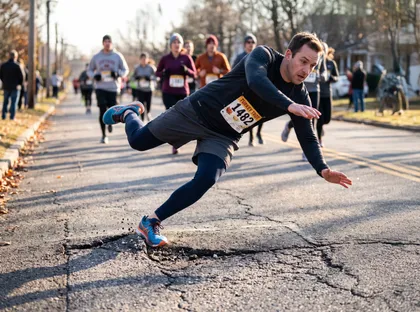
You may still have grounds for a lawsuit when the waiver does not legally protect the party responsible for your injury. California Civil Code § 1668 limits agreements that attempt to excuse fraud, willful injury, or certain violations of law.
Several situations may support a claim:
- Gross Negligence: An organizer’s extreme lack of care may fall outside the waiver’s protection.
- Intentional Harm: A person who deliberately injures a participant generally cannot rely on a waiver to excuse that conduct.
- Unclear Waiver Terms: The agreement may not cover the particular act or failure that caused the injury.
- Public Safety Violations: Certain statutory duties cannot be waived through private agreements.
- Third-Party Negligence: Drivers, vendors, and other parties may remain liable if the waiver does not protect them.
For example, a vehicle might enter a closed racecourse and strike a participant. The injured person may have a claim against the driver.
A waiver signed with the organizer does not automatically protect that motorist. However, an exception to a waiver does not guarantee compensation. The injured person must still prove a valid legal claim.
What Counts as Gross Negligence During a Turkey Trot?
Gross negligence involves a lack of even slight care or an extreme departure from reasonable conduct. It goes beyond ordinary mistakes. Courts examine the danger involved and whether the responsible party took reasonable precautions to prevent harm.
For example, questions about gross negligence may arise when organizers:
- Ignore repeated warnings about a serious course hazard.
- Fail to take basic precautions against an obvious danger.
- Create conditions that greatly increase the normal risks of running.
- Disregard essential safety measures despite a substantial risk to participants.
These situations do not automatically prove gross negligence. The evidence must show how the organizer’s conduct exceeded ordinary carelessness.
How Do Courts Evaluate Serious Safety Failures?
Courts evaluate whether a race organizer’s actions or omissions amounted to gross negligence. Under California law, this can mean making an extreme departure from ordinary safety standards.
In City of Santa Barbara v. Superior Court (2007), the California Supreme Court ruled that recreational liability waivers generally cannot excuse future gross negligence. The case involved a child’s death at a city-run summer camp, but its ruling also applies to recreational running events.
In a Turkey Trot injury case, courts may examine course inspections, prior complaints, safety arrangements, and other evidence to determine whether the organizer’s conduct met this standard.
Proof that an organizer knew about a specific danger can support a claim. However, gross negligence does not always require evidence that the organizer knew of the hazard directly.
Can You Sue If a Dangerous Public Road Caused Your Injury?
You may have a claim against a government entity if a dangerous public roadway caused your Turkey Trot injury. Many Thanksgiving races take place on city streets, sidewalks, and other public property. These locations may contain hazards unrelated to ordinary running risks.
Under California Government Code § 835, public entities may face liability for injuries caused by dangerous conditions on their property. For example, a runner might trip over a dangerous road defect along the course.
A claim may be possible if the condition meets the law’s requirements. A public employee’s negligent or wrongful conduct must have created the condition, or the government agency must have had actual or legally defined notice of it in time to address the danger.
However, what happens if you signed a Turkey Trot waiver that also covers the government agency responsible for maintaining the road where you were injured?
In Whitehead v. City of Oakland (2025), a cyclist suffered a serious head injury after hitting a pothole during a recreational training ride. The cyclist had signed a waiver that included the city. However, the California Supreme Court ruled that the waiver could not bar the cyclist’s claim alleging that the city violated its statutory duty to maintain safe public roads.
For Turkey Trot participants, this means that a signed waiver does not necessarily bar a claim arising from dangerous public road conditions. The ruling applies to roadway hazards affecting ordinary, foreseeable public use.
However, the decision does not automatically extend to special hazards unique to an organized race. It also doesn’t establish government liability for every road defect. An injured Turkey Trot participant must still prove that the public entity violated an applicable duty and caused the injury.
Are Turkey Trot Waivers Enforceable for Injured Minors?
Yes. Turkey Trot waivers signed by parents on behalf of their minor children may be enforceable under California law. However, courts still examine the agreement’s wording, scope, and legal validity.
In Hohe v. San Diego Unified School District (1990), the California Court of Appeal addressed releases signed for a minor. The court recognized that parents may enter certain recreational agreements for their children. It also found a factual dispute about whether the releases clearly covered the injury.
As with regular Turkey Trot waivers signed by participating adults, a parental waiver generally cannot excuse gross negligence. The child’s age alone does not make the agreement invalid.
Who Can Be Held Liable for a Turkey Trot Injury?
A signed waiver may protect some parties from certain injury claims. However, it does not automatically excuse everyone involved. You may also have a claim against another party that caused or contributed to your injury. California law considers each party’s actions, legal duties, and role in causing the harm.
Several parties may be responsible for a Turkey Trot injury, depending on who caused the accident and how it happened:
- Race Organizers: They may face claims involving unsafe course arrangements, poor crowd control, or serious failures to protect participants from preventable hazards.
- Other Participants: Ordinary accidental contact generally falls within the normal risks of running. However, runners may be held liable if they deliberately push, trip, or injure someone.
- Government Entities: Cities, counties, or state agencies may face liability when dangerous conditions on public property cause injuries under Government Code § 835.
- Drivers: Motorists who negligently enter a racecourse or strike participants may be responsible for the resulting injuries under Civil Code § 1714.
- Vendors and Contractors: Businesses may face claims if their equipment, temporary barriers, or other unsafe conditions cause injuries.
- Property Owners: Owners may be liable for dangerous property conditions when they have a legal duty to protect visitors.
- Spectators: A spectator who deliberately interferes with runners or creates a dangerous obstruction may be liable for any resulting injuries.
Turkey Trot waivers may also name sponsors, volunteers, contractors, and government agencies as protected parties. Courts examine whether the agreement covers each party and the conduct involved. Naming someone in a waiver does not automatically protect them from every injury claim.
Injury accident attorneys can review the waiver, accident evidence, and each party’s actions to determine who may be legally responsible.
Can I Recover Compensation if I Was Partly at Fault?
Yes, you may still recover compensation under California’s pure comparative negligence law. Instead of barring your claim, your share of responsibility would reduce the amount you may receive.
For example, if your damages total $50,000 and you are 20% responsible, your recovery could fall to $40,000.
However, a valid waiver or the assumption-of-risk rule may separately prevent recovery. Courts examine these defenses alongside the conduct of everyone involved.
What Should You Do After a Turkey Trot Injury?
If you’re injured at a Turkey Trot, seek medical care and document what happened. The following steps can help protect your health and preserve evidence for a possible claim:
- Get medical care. Seek emergency treatment when necessary and follow your doctor’s instructions.
- Report the accident. Notify race organizers and request a copy of any written incident report.
- Gather evidence at the scene. Evidence may become harder to obtain after the race ends. Organizers may remove temporary equipment, while businesses may overwrite surveillance footage. Document hazards, barriers, road conditions, warning signs, and other relevant details. Additionally, identify whether surveillance cameras at nearby properties may have captured the incident.
- Collect witness information. Ask witnesses for their names and contact details as soon as possible. They may be harder to track down after they leave the scene.
- Save the waiver. Keep your registration confirmation, signed agreement, photographs, and messages from organizers.
- Track your symptoms and recovery. Record changes in pain, mobility, and other symptoms. Attend recommended follow-up appointments.
- Consult a lawyer. A signed waiver does not always eliminate your right to seek compensation. A personal injury attorney can review the document, assess your injuries and losses, and explain your available options. They can also help you avoid signing additional liability releases or settlement agreements before you understand their legal effects.
If you sustained injuries during a Thanksgiving race, Arash Law can review the waiver you signed and the circumstances surrounding the incident. Our attorneys can examine the evidence, identify potentially responsible parties, and assess whether California law allows a claim.
Call (888) 488-1391 for a free case evaluation.
How Long Do You Have to File a Turkey Trot Injury Claim?
California has different filing deadlines for Turkey Trot injury claims. These deadlines depend on who caused the injury and whether a private party or government agency is responsible.
Most personal injury lawsuits against private race organizers must be filed within 2 years under California Code of Civil Procedure § 335.1. Claims against government entities generally require a written claim within six months under Government Code § 911.2.
If you miss the deadline for presenting a claim to a public entity, you may apply for permission to submit a late claim. You must generally apply within a reasonable time, no later than one year after the injury, but approval is not automatic. Separate lawsuit-filing deadlines may apply if the public entity fails to respond to your claim or denies it in writing.
Special rules may apply to injured children. California Code of Civil Procedure § 352 generally pauses many private injury lawsuit deadlines while a child is under 18. However, the government claims deadlines do not automatically pause for minors.
Knowing these deadlines is important because missing one could permanently prevent you from pursuing compensation. A signed waiver does not automatically change the time you have to file a claim.
Identifying the responsible party early can help you meet the correct deadline. It also gives you more time to preserve race footage, witness statements, and other evidence before it becomes unavailable.
What Compensation Can You Recover After a Turkey Trot Injury?
You may seek compensation if another party’s legally responsible conduct caused your Turkey Trot injury. Depending on the circumstances, recoverable damages may include:
- Medical expenses and future treatment costs.
- Lost wages during recovery.
- Reduced future earning ability.
- Pain and suffering.
- Other supported financial losses caused by the injury.
For example, a runner who suffers a broken leg may need surgery, rehabilitation, and time away from work. Medical records, wage statements, and treatment estimates can help establish those losses. The available compensation depends on the severity of the injury, liability, insurance coverage, and other facts.
An enforceable waiver may prevent recovery against a protected party. However, it does not automatically limit claims against everyone involved in the accident.
Frequently Asked Questions About Turkey Trot Waivers and Injuries in California
Can I Sue Another Runner Who Knocked Me Down?
Possibly. Accidental contact between runners is generally a normal risk of participating in a race. However, you may have a claim if another runner deliberately hurt you or acted recklessly beyond normal race behavior.
For example, accidentally bumping into someone differs from intentionally pushing them into a barrier. Witness statements and race footage may help show what happened. California’s assumption-of-risk rule can affect whether another runner is legally responsible.
Is My Turkey Trot Waiver Valid if I Didn’t Read It?
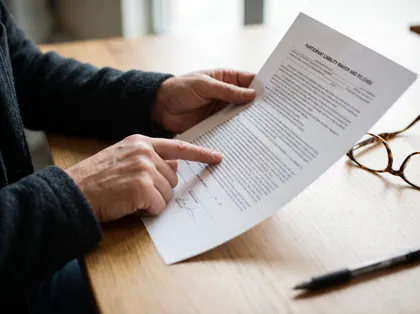
Yes, it can still be valid. Not reading a waiver does not automatically cancel your agreement to its terms.
However, courts consider whether the organizer clearly presented the waiver and whether you agreed to it. For online registration, the process for obtaining your consent may be important.
You may still challenge the waiver if its terms are unclear or do not cover your injury. California law also limits waivers involving gross negligence and certain other conduct.
Should I Speak to the Race Organizer’s Insurance Company Before Hiring a Lawyer?
You generally do not have to speak with the organizer’s insurer before consulting a lawyer. You may report the accident and request insurance information.
However, an insurance adjuster may ask for a recorded statement, medical records, or a signed release. Consider getting legal advice before providing these documents or accepting a settlement.
An early settlement may not account for future treatment or lost income. If you contact your own insurer, follow your policy’s reporting and cooperation requirements.
What if an Uninsured Driver Injured Me During a Turkey Trot?
You may still pursue a personal injury claim against the driver, even if they lack insurance. However, collecting compensation directly from an uninsured driver can be difficult.
Your own uninsured motorist coverage may help pay for injuries if your policy covers the accident. Coverage may also be available through a household member’s policy, depending on its terms.
If the driver has insufficient insurance, underinsured motorist coverage may apply. An attorney can review the available policies and identify possible sources of compensation.
Can I File a Claim if My Turkey Trot Injuries Seem Minor?
Yes. An injury does not have to be severe to support a personal injury claim. However, you must establish another party’s legal responsibility and show that the injury caused actual losses.
Medical records can help connect your symptoms to the race accident. Keep treatment bills, receipts, and records of missed work.
A valid waiver may still prevent recovery, regardless of how serious the injury becomes.
How Much Does It Cost to Hire a Personal Injury Lawyer?
Many personal injury lawyers handle cases on a contingency fee basis. This means you generally do not pay attorneys’ fees up front. The lawyer receives a fee if your case results in compensation.
The fee is usually a percentage of the recovery. California Business and Professions Code § 6147 requires the written agreement to explain the percentage and how other case costs, such as court filing fees, will be handled if the case does not succeed.
Consult Arash Law About Your Turkey Trot Injury Claim
Signing a Turkey Trot waiver does not always end your right to pursue an injury claim. If you suffered an injury during a Thanksgiving race, Arash Law can help determine whether the agreement affects your legal options.
Our attorneys can examine the waiver, review available evidence, and assess whether another party may be responsible.
Call (888) 488-1391 for a free case evaluation. Arash Law handles qualifying personal injury claims on a contingency fee basis, subject to a written agreement.
Sources
- California Business and Professions Code § 6147. Attorney Contingency Fee Agreements. https://leginfo.legislature.ca.gov/faces/codes_displaySection.xhtml?lawCode=BPC§ionNum=6147
- California Civil Code § 1668. Contracts Against Public Policy. https://leginfo.legislature.ca.gov/faces/codes_displaySection.xhtml?lawCode=CIV§ionNum=1668
- California Code of Civil Procedure § 335.1. Two-Year Personal Injury Filing Deadline. https://leginfo.legislature.ca.gov/faces/codes_displaySection.xhtml?lawCode=CCP§ionNum=335.1
- California Code of Civil Procedure § 352. Filing Deadline Extensions for Minors. https://leginfo.legislature.ca.gov/faces/codes_displaySection.xhtml?lawCode=CCP§ionNum=352
- California Courts. Government Claims. Filing Procedures and Deadlines. https://selfhelp.courts.ca.gov/civil-lawsuit/government-claim
- California Government Code § 835. Dangerous Conditions of Public Property. https://leginfo.legislature.ca.gov/faces/codes_displaySection.xhtml?lawCode=GOV§ionNum=835
- California Government Code § 911.2. Government Claim Filing Deadlines. https://leginfo.legislature.ca.gov/faces/codes_displaySection.xhtml?lawCode=GOV§ionNum=911.2
- California Government Code § 911.4. Late Government Claim Applications. https://leginfo.legislature.ca.gov/faces/codes_displaySection.xhtml?lawCode=GOV§ionNum=911.4
- California Government Code § 911.6. Decisions on Late Government Claim Applications. https://leginfo.legislature.ca.gov/faces/codes_displaySection.xhtml?lawCode=GOV§ionNum=911.6
- California Government Code § 912.4. Government Claim Response Period. https://leginfo.legislature.ca.gov/faces/codes_displaySection.xhtml?lawCode=GOV§ionNum=912.4
- California Government Code § 945.6. Lawsuit Deadlines After Government Claims. https://leginfo.legislature.ca.gov/faces/codes_displaySection.xhtml?lawCode=GOV§ionNum=945.6
- California Insurance Code § 11580.2. Uninsured and Underinsured Motorist Coverage. https://leginfo.legislature.ca.gov/faces/codes_displaySection.xhtml?lawCode=INS§ionNum=11580.2
- City of Santa Barbara v. Superior Court (2007) 41 Cal.4th 747. Recreational Liability Waivers. https://www.leagle.com/decision/200758962calrptr3d5271542
- Hohe v. San Diego Unified School District (1990) 224 Cal.App.3d 1559. Parental Liability Waivers. https://www.leagle.com/decision/19901783224calapp3d155911680
- Judicial Council of California. Civil Jury Instructions (CACI). Gross Negligence and Primary Assumption of Risk. https://courts.ca.gov/partners/california-jury-instructions/civil-jury-instructions-resource-center/civil-jury-instructions
- Knight v. Jewett (1992) 3 Cal.4th 296. Primary Assumption of Risk in Recreational Activities. https://www.leagle.com/decision/19922993cal4th2961294
- Li v. Yellow Cab Co. (1975) 13 Cal.3d 804. California’s Pure Comparative Negligence Rule. https://scholarlycommons.pacific.edu/cgi/viewcontent.cgi?article=2458&context=mlr
- Whitehead v. City of Oakland (2025), S284303. Public Road Safety and Liability Waivers. https://supreme.courts.ca.gov/case/s284303-whitehead-v-city-oakland
Disclaimer
The information on this page is for general educational purposes and does not constitute legal advice. No attorney-client relationship is formed by reading or relying on this content. If you were injured, consult a licensed California personal injury attorney about your specific situation. Arash Law — (888) 488-1391.