TL;DR: Workers’ compensation generally covers Black Friday retail injuries without requiring proof of negligence. Suing the store that employs you is usually barred, except in limited circumstances. A separate lawsuit against a shopper, property owner, or equipment manufacturer may provide damages that workers’ comp does not cover, including pain and suffering. Report your injury promptly, preserve evidence, and track the applicable deadlines.
If you were hurt while working retail on Black Friday in California, your primary recourse is workers’ compensation because you were injured while acting in the scope of your job. Suing the store is usually not an option due to the “exclusive remedy” rule of workers’ comp. In exchange for benefits that don’t depend on proving fault, the law generally bars you from suing your employer for ordinary negligence.
However, there are some exceptions. You may be able to sue your employer if their willful physical assault caused the injury or if they don’t carry workers’ comp coverage.
If someone other than your employer was partly responsible, you may also file a personal injury case against that party. On Black Friday, that could be a customer who shoved or hit you, a delivery or maintenance contractor, a security company, a mall or landlord that controls the property, or the maker of defective equipment. Be aware that the employer’s comp carrier typically has a lien on any third-party recovery, so it may get reimbursed from what you win.
Key Facts About Black Friday Retail Work Injuries in California
- Black Friday retail workers generally claim benefits through workers’ compensation. California Labor Code § 3602 generally bars negligence lawsuits against employers for covered work injuries, subject to limited exceptions.
- Third-party lawsuits may proceed alongside workers’ compensation claims. Labor Code § 3852 preserves claims against responsible parties outside the employment relationship, including customers, property owners, and manufacturers.
- Report injuries promptly and submit the workers’ compensation claim form. Labor Code § 5400 generally requires written notice within 30 days. Under § 5401, employers generally must provide the DWC-1 form within one working day after receiving notice or knowledge of a qualifying injury.
- Workers’ compensation and civil lawsuits follow different filing deadlines. Labor Code § 5405 sets a one-year limit for certain proceedings, with different starting dates. Personal injury lawsuits generally have a two-year deadline under Code of Civil Procedure § 335.1.
- Seasonal and temporary retail employees generally qualify for coverage immediately. Workers’ compensation typically applies from the first day of employment, including qualifying workers hired through staffing agencies.
Table of Contents

Workers’ Comp Covers Your Black Friday Retail Injury, but It May Not Be Your Only Option
Workers’ comp generally covers your Black Friday retail injury. You may also pursue a lawsuit if someone outside your employment relationship bears legal responsibility.
Workers’ compensation differs from a third-party personal injury claim in how it establishes eligibility and provides compensation. Workers’ comp is no-fault, but it generally bars you from suing your employer for ordinary negligence. A third-party lawsuit usually requires showing that someone other than your employer was legally responsible for the injury.
Under California Labor Code § 3852, you may pursue a third-party lawsuit while receiving workers’ compensation benefits. A successful lawsuit may provide damages that workers’ comp does not cover, including pain and suffering and additional lost income. However, workers’ compensation reimbursement rights and other legal rules can affect the final recovery.
What Workers’ Compensation Covers
California’s Division of Workers’ Compensation identifies five basic benefits for injured workers:
- Medical Treatment: Doctor visits, emergency care, specialist referrals, physical therapy, and other treatment medically necessary for your work injury, subject to applicable treatment guidelines and your employer’s coverage arrangements.
- Temporary Disability Benefits: Partial wage replacement while an injury prevents the employee from working during recovery.
- Permanent Disability Benefits: Payments for a qualifying lasting impairment.
- Supplemental Job Displacement Benefits: Retraining assistance for eligible workers who cannot return to suitable employment.
- Death Benefits: Payments to qualifying dependents and applicable burial expenses after a fatal work injury.
Workers’ compensation does not provide pain and suffering damages or full wage replacement.
How Third-Party Lawsuits Work
You may sue a customer, property owner, equipment manufacturer, or another third party whose conduct or defective product caused your Black Friday work injury. California Labor Code § 3852 allows you to pursue these third-party claims alongside workers’ compensation. Potential claims include customer assaults, hazardous conditions in the shopping center, and defective store equipment.
Aggressive or Negligent Customers
A shopper who shoves, strikes, or tramples a retail employee during a Black Friday sale may face a personal injury lawsuit. For example, a customer rushing through a store entrance could knock an employee into a display or cause a crowd crush.
Surveillance footage, witness statements, and incident reports may help establish the customer’s actions. Depending on the conduct, punitive damages may also be available in cases involving malice, oppression, or fraud.
Mall and Property Owners
A mall owner or property management company may be liable if unsafe conditions in an area under its control contribute to an employee’s injury. These areas may include shared entrances, corridors, parking lots, and parking structures.
During Black Friday, hazards may include slippery walkways, inadequate lighting, or unsafe entrance arrangements. Liability depends on the property owner’s duties, knowledge of the danger, and the circumstances of the injury.
Maintenance records, security footage, and crowd management plans may help establish negligence. Our grocery and retail store slip-and-fall injury attorneys can assess claims involving hazardous property conditions.
Equipment and Product Manufacturers
Defective shelving, pallet jacks, dollies, and other equipment may cause injuries during Black Friday restocking and sales operations. A manufacturer or another responsible party may face liability if a product defect caused the injury.
California law allows certain defective product liability claims without requiring proof of negligence. These claims may involve manufacturing defects, unsafe designs, or inadequate warnings.
Preserving the damaged equipment, maintenance records, and product information can help establish the cause of the accident.
How Employee Fault Affects a Third-Party Claim
Your share of fault may reduce the compensation you recover in a third-party lawsuit. For example, a delivery contractor might hit you with a loaded cart while you restock shelves. If you stepped into its path while distracted, you and the contractor could share fault.
If you bear 20% of the fault, your recoverable damages in a personal injury lawsuit generally decrease by 20%. However, being partly or fully at fault does not prevent you from receiving workers’ compensation benefits.
Coordinating Workers’ Comp and Third-Party Claims
Coordinating both claims involves keeping medical records, evidence, and settlement decisions consistent. Keep both claims up to date with medical reports, work restrictions, and benefit payments. The third-party case may also require store surveillance footage, witness statements, and incident reports. Under Labor Code § 3853, filing a third-party lawsuit requires notice to the employer.
Before settling the civil claim, review any workers’ compensation reimbursement claims and potential effects on future benefits. California Labor Code §§ 3856, 3860, and 3861 govern these issues. A workers’ compensation lawyer can help coordinate benefit records and reimbursement issues with the third-party case.
Exceptions That Allow You to Sue Your Employer After a Black Friday Injury
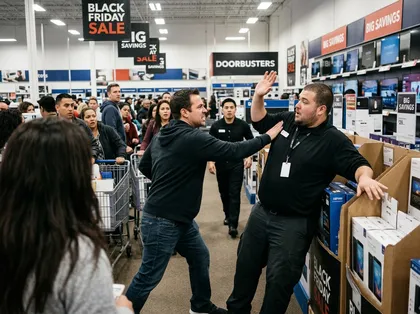
You may sue your employer after a Black Friday injury if a specific exception to California’s workers’ compensation exclusive-remedy rule applies. Two of these exceptions involve an employer’s failure to secure required workers’ comp coverage or a willful physical assault by the employer.
Your Employer Had No Workers’ Comp Coverage
California Labor Code § 3700 requires employers to secure workers’ compensation through an authorized insurer or approved self-insurance. If your employer had no legally secured coverage when you were injured, Labor Code § 3706 allows you to sue the store directly for damages.
This rule also applies to employers who hire temporary or seasonal workers for Black Friday. You can search for an employer’s reported insurance carrier through the Workers’ Compensation Insurance Rating Bureau’s coverage research service. For employers that provide their own coverage, check the California Office of Self-Insurance Plans verification database. A missing insurance record does not necessarily mean the employer lacked coverage.
Your Employer Intentionally Assaulted You
Under Labor Code § 3602(b)(1), you may sue if a willful physical assault by your employer caused your injury. An intentional assault involving a store manager or supervisor requires a review of the person’s role and conduct.
However, failing to provide enough security, allowing shoppers to rush through entrances, or leaving aisles overcrowded generally does not qualify. Even reckless crowd management does not automatically establish intentional assault.
Other narrow exceptions include aggravation caused by an employer’s fraudulent concealment of an injury’s existence and connection to employment. Certain defective product or power-press injuries may also support employer lawsuits. An attorney can review the circumstances and determine when you can sue your employer for a workplace injury.
Were you hurt working a Black Friday retail shift?
Arash Law can help you understand your claim options. Call (888) 488-1391, available 24/7, for a free case evaluation. We’ve recovered over $1 billion for injured victims in California.
Common Black Friday Retail Work Accidents
Common Black Friday retail work accidents include crowd crushes, falling merchandise, slips and falls, stockroom injuries, and parking lot collisions.
California’s Department of Industrial Relations estimated that there were 10,300 recordable injuries and illnesses in general merchandise stores in 2024. That figure covers the full year, not Black Friday alone, but it shows how exposed general merchandise workers are to injuries.
Here is how common accidents may happen in retail stores during Black Friday:
- Crowd Crushes: Rushing shoppers may knock down or trap employees, causing fractures, chest injuries, or other trauma.
- Falling Merchandise: Unstable shelves or overloaded displays may collapse onto employees.
- Slips and Falls: Spills, scattered merchandise, and crowded aisles can cause slips and falls.
- Stockroom Accidents: Heavy lifting, forklifts, and pallet jacks may cause back injuries or crushing injuries.
- Parking Lot Accidents: Employees collecting carts or directing traffic may be injured by moving vehicles.
Steps to Take After a Black Friday Retail Work Injury
If you get hurt during a Black Friday shift, seek medical care, report the injury, and file a workers’ compensation claim. Preserve evidence of the incident, especially if a customer, property owner, or another party may be responsible.
- Get Medical Care: Call 911 for serious injuries, such as crush injuries, severe bleeding, or difficulty breathing. Tell the medical provider the injury happened at work.
- Report the Injury: Notify your supervisor promptly and keep a written record. Include the incident’s date, location, and circumstances.
- Submit the DWC-1 Form: Complete the DWC-1 form and return it to your employer, but keep a copy. If your employer does not provide the form, follow the California Division of Workers’ Compensation claim-filing instructions to obtain and submit it.
- Preserve Evidence: Request that the store preserve security footage, incident reports, and witness information. Photograph dangerous conditions or damaged equipment when it is safe to do so.
- Document Your Recovery: Keep medical records, treatment instructions, and work restrictions. These records may support your benefits and any separate personal injury claim.
After you submit the DWC-1 form, your employer generally must authorize appropriate medical treatment within one working day. While the claim is being investigated, you may receive up to $10,000 in treatment under California’s workers’ compensation rules.
Filing Deadlines for Black Friday Retail Work Injuries
California has different deadlines for workers’ compensation and personal injury claims.
| Claim or Requirement | General Deadline |
|---|---|
| Workplace Injury Notice | Generally, 30 days to notify the employer in writing, subject to exceptions. |
| Workers’ Compensation Proceedings | Generally, one year from an applicable starting date under Labor Code § 5405. |
| Third-Party Personal Injury Lawsuit | Generally, two years from the injury date. |
| Government Injury Claim | Generally, six months to present a claim to the responsible public entity. |
Legal basis: Labor Code §§ 5400 and 5405; Code of Civil Procedure § 335.1; Government Code § 911.2.
The one-year workers’ compensation deadline is not simply a deadline for submitting the DWC-1 form. Labor Code § 5405 provides different starting dates depending on the circumstances.
A government claim may apply if a public entity contributed to a retail worker’s injury during a Black Friday shift. For example, a city-owned vehicle might strike an employee delivering a curbside pickup order. The worker may have a separate claim against the city while pursuing workers’ compensation benefits through their employer.
Missing a filing deadline can bar the affected claim. Meanwhile, store surveillance footage, witness information, and other evidence may become unavailable much sooner.
How Arash Law Has Handled Complex Work Injury Cases
Arash Law has secured results in cases involving workplace injuries, workers’ compensation, and third-party liability. Examples from our case results include:
$6,500,000 — Combined Settlement: A worker suffered a mild traumatic brain injury and spinal cord injury after falling from a roof. The firm secured a $5,890,000 workers’ compensation settlement and a $610,000 third-party settlement.
$18,700,000 — Workplace Injury Award: An 18-year-old worker suffered severe injuries when harvesting machinery collapsed on him. Arash Law secured the award through arbitration after the defendant disputed responsibility.
Past results do not guarantee future outcomes. Every case is different, and results depend on the specific facts and evidence involved.
Frequently Asked Questions About Black Friday Retail Work Injuries in California
Are Seasonal or Temporary Retail Workers Eligible for Workers’ Compensation in California?
Yes. Seasonal, part-time, and temporary retail employees generally qualify for workers’ compensation from their first day of work. California does not require employees to complete a waiting period before becoming eligible.
This protection also applies to workers hired specifically for Black Friday or the holiday shopping season. If a staffing agency placed you at the store, the retailer may also qualify as your special employer. In that situation, workers’ compensation exclusivity may prevent an ordinary negligence lawsuit against the retailer. The employment arrangement and control over your work help determine which rules apply.
Can I Get Fired for Filing a Workers’ Comp Claim After a Black Friday Injury?
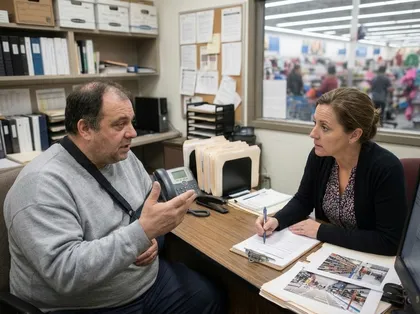
California Labor Code § 132a generally prohibits employers from discriminating against workers for filing or intending to file a workers’ compensation claim. If your employer fires, threatens, or otherwise penalizes you for reporting a Black Friday injury, you may have grounds to pursue additional remedies.
Will Workers’ Comp Cover Psychological Trauma From a Black Friday Crowd Crush?
Yes, qualifying psychiatric injuries may be covered under California workers’ compensation. An employee who develops psychological trauma after a violent crowd surge or trampling incident may qualify for benefits. However, Labor Code § 3208.3 imposes specific medical, causation, and employment-duration requirements, with exceptions in certain circumstances.
What Should I Do if My Workers’ Comp Claim Is Denied?
You can challenge a denied workers’ compensation claim through the Workers’ Compensation Appeals Board (WCAB). This may involve filing an Application for Adjudication of Claim and presenting supporting medical evidence. If a negligent customer or another third party caused your Black Friday injury, you may also have a separate civil claim.
How Much Does It Cost to Hire a Lawyer After a Black Friday Work Injury?
Attorney fees depend on the type of claim. In workers’ compensation cases, the WCAB generally must approve attorney fees, which are typically deducted from the worker’s benefits. Third-party personal injury lawyers commonly work on a contingency basis, collecting attorney fees from an eligible recovery. The written agreement should explain the fee percentage and responsibility for case costs.
Talk to Arash Law About Your California Work Injury Claim
An injury during a Black Friday retail shift may involve more than a workers’ compensation claim. A negligent customer, unsafe property condition, or defective product could support a separate civil case.
Our attorneys can review your workers’ compensation benefits and assess possible personal injury claims against other responsible parties.
Call Arash Law at (888) 488-1391 for a free case evaluation. Our team can discuss the incident, available evidence, possible insurance claims, and filing deadlines.
Sources
- California Labor Code § 3602(a) — Workers’ compensation exclusive remedy and exceptions to employer immunity. https://leginfo.legislature.ca.gov/faces/codes_displaySection.xhtml?lawCode=LAB§ionNum=3602.
- California Labor Code § 3700 — Employer requirements for workers’ compensation insurance or self-insurance. https://leginfo.legislature.ca.gov/faces/codes_displaySection.xhtml?lawCode=LAB§ionNum=3700.
- California Labor Code § 3706 — Civil lawsuits against employers that illegally lack workers’ compensation coverage. https://leginfo.legislature.ca.gov/faces/codes_displaySection.xhtml?lawCode=LAB§ionNum=3706.
- California Labor Code § 3852 — Injured workers’ rights to pursue third-party civil claims. https://leginfo.legislature.ca.gov/faces/codes_displaySection.xhtml?lawCode=LAB§ionNum=3852.
- California Labor Code § 3853 — Notice requirements when pursuing third-party lawsuits. https://leginfo.legislature.ca.gov/faces/codes_displaySection.xhtml?lawCode=LAB§ionNum=3853.
- California Labor Code § 5400 — Written notice of workplace injuries. https://leginfo.legislature.ca.gov/faces/codes_displaySection.xhtml?lawCode=LAB§ionNum=5400.
- California Labor Code § 5401 — Employer duty to provide the DWC-1 claim form. https://leginfo.legislature.ca.gov/faces/codes_displaySection.xhtml?lawCode=LAB§ionNum=5401.
- California Labor Code § 5405 — Filing limits for certain workers’ compensation proceedings. https://leginfo.legislature.ca.gov/faces/codes_displaySection.xhtml?lawCode=LAB§ionNum=5405.
- California Labor Code § 132a — Prohibition against discrimination involving workers’ compensation claims. https://leginfo.legislature.ca.gov/faces/codes_displaySection.xhtml?lawCode=LAB§ionNum=132a.
- California Code of Civil Procedure § 335.1 — Two-year personal injury lawsuit deadline. https://leginfo.legislature.ca.gov/faces/codes_displaySection.xhtml?lawCode=CCP§ionNum=335.1.
- California Vehicle Code § 17001 — Public entity liability for negligent vehicle operation by government employees. https://leginfo.legislature.ca.gov/faces/codes_displaySection.xhtml?lawCode=VEH§ionNum=17001.
- California Government Code § 911.2 — Government claim presentation deadlines. https://leginfo.legislature.ca.gov/faces/codes_displaySection.xhtml?lawCode=GOV§ionNum=911.2.
- California Government Code § 945.6 — Deadlines for filing lawsuits following government claim rejection. https://leginfo.legislature.ca.gov/faces/codes_displaySection.xhtml?lawCode=GOV§ionNum=945.6.
- California Department of Industrial Relations — 2024 Table 2, nonfatal occupational injuries and illnesses by industry in California, including general merchandise stores. https://www.dir.ca.gov/OPRL/Injuries/2024/2024Table2.html
- California Division of Workers’ Compensation — Five basic workers’ compensation benefits. https://www.dir.ca.gov/dwc/MyClaimWasAccepted.htm
- Workers’ Compensation Insurance Rating Bureau — Employer workers’ compensation insurance coverage research. https://www.wcirb.com/products-and-services/products-and-services/coverage-research
- California Office of Self-Insurance Plans — Verification of self-insured employers. https://www.dir.ca.gov/OSIP/databases/sisr/default.aspx
- Occupational Safety and Health Administration — Crowd management safety guidance for major retail sales events, including Black Friday. https://www.osha.gov/news/newsreleases/osha-national-news-release/20131118
- California Division of Workers’ Compensation — Instructions for filing a workers’ compensation claim. https://www.dir.ca.gov/dwc/FileAClaim.htm
Disclaimer
Past results do not guarantee future outcomes. Every case is different. The information on this page is for general educational purposes and does not constitute legal advice. No attorney-client relationship is formed by reading or relying on this content. If you were injured, consult a licensed California personal injury attorney about your specific situation. Arash Law — (888) 488-1391.