California Chick-fil-A Slip-And-Fall Lawyers
- PAY NOTHING UPFRONT
- OVER $1 BILLION RECOVERED
- ZERO-FEES UNTIL WE WIN
We’ll review what happened and tell you what options may be available.
MAKE THEM PAY, CALL AK!
24-hour accident hotline: (888) 488-1391
People injured in a slip-and-fall at a Chick-fil-A in California may have a premises liability claim if an unsafe property condition and another party’s negligence caused the injury. Spills, grease, wet entryways, damaged flooring, missing mats, poor lighting, and other hazards may support a claim when the evidence shows that a responsible party failed to use reasonable care.
Arash Law represents injured people in slip-and-fall and premises liability claims throughout California.
For a free case evaluation, call (888) 488-1391. Our team is available 24/7. Hablamos español.
Why Clients Trust Arash Law
- More than $1 billion recovered for injury victims across California.
- Statewide representation for premises liability and other personal injury claims.
- No attorney’s fee unless there is a recovery.
- Free case evaluations for people who want to understand their legal options after an injury.
- Available 24/7 to discuss your claim.
Reviewed by: Arash Khorsandi, Esq. | California State Bar #249405 | Law & Insurance Limits Current As Of: September 2026
Key Facts About California Chick-fil-A Slip-And-Fall Claims
- Property controllers must use reasonable care. California law generally requires reasonable care in the management of property. (Civil Code § 1714)
- A fall does not automatically establish liability. A claimant generally must prove that another party’s negligence caused the injury. (California Civil Jury Instructions, Premises Liability)
- Notice can affect a premises liability claim. A business may be liable when it knew or reasonably should have known about a dangerous condition in time to address it. (California Civil Jury Instructions, Premises Liability)
- Shared fault does not necessarily bar recovery. California comparative-fault rules generally reduce damages according to the injured person’s percentage of responsibility. (California Civil Jury Instructions, Comparative Fault)
- Personal injury claims generally have a two-year deadline. California Code of Civil Procedure § 335.1 generally applies to actions for injury caused by another person’s wrongful act or neglect. (CCP § 335.1)
- Government-related claims can have a shorter deadline. When a California public entity is involved, a qualifying injury claim generally must be presented within six months. (Government Code § 911.2)
If you were injured at a Chick-fil-A in California, call (888) 488-1391 for a free case evaluation.
Case Results For Slip-And-Fall And Premises Liability Claims
Arash Law has handled premises liability matters involving unsafe property conditions and serious fall injuries. The following matters did not involve Chick-fil-A, but they reflect premises liability cases the firm has handled. Additional results are available on the firm’s case results page.
- $3.5 Million: Our client fell because of inadequate lighting and suffered a spinal injury that significantly affected her life. Our lawyers pursued the premises liability claim and helped secure compensation for her recovery.
- $3 Million: Our client suffered a spinal injury in a slip-and-fall accident. Video evidence documented what happened, and our team used it to support the claim.
- $1.25 Million: Our client was working as a painter outside a nail salon when the defendants knocked down his ladder, causing him to fall and strike the ground. He suffered head and shoulder injuries and was later diagnosed with a mild traumatic brain injury before our attorneys resolved the case shortly before trial.
Note: No guarantee of outcome. Past results do not guarantee, warrant, or predict a similar result. Every case depends on its specific facts, injuries, evidence, available insurance coverage, and applicable law.
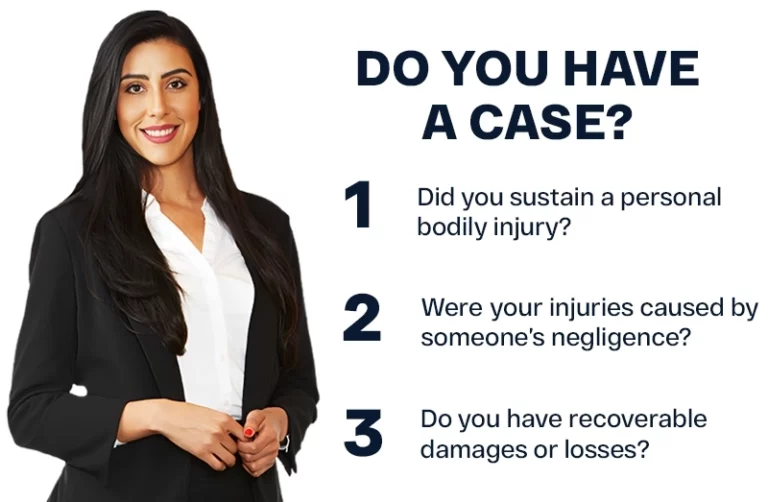
Our attorneys can investigate who controlled the property, seek relevant video and records, identify available insurance, document your losses, and handle communications with the parties involved. Call us at (888) 488-1391 for a free case evaluation. You can also fill out our “Do I Have A Case?” form. No attorney’s fees unless we recover compensation for you.
(No guarantee of outcome. Results displayed were dependent on unique facts of that case, and different facts will bring different results.)
How Comparative Fault Works In California Chick-fil-A Slip-And-Fall Claims
California’s pure comparative-fault system allows responsibility to be divided among multiple parties. If an insurer argues that an injured customer was distracted, disregarded a warning, or failed to notice a visible condition, any percentage of fault assigned to that person generally reduces rather than automatically eliminates the recovery.
How Contingency Fees Work For California Slip-And-Fall Lawyers
Arash Law handles qualifying personal injury cases on a contingency-fee basis, so clients do not pay attorney’s fees up front. The written fee agreement explains how the attorney’s fee is calculated and how case-related costs are handled. Several factors can affect how much California personal injury attorneys charge, including case complexity, duration, and whether litigation is required.
What To Do After A Slip-And-Fall At Chick-fil-A
Seek appropriate medical care, report the incident, document the condition when possible, identify witnesses, and preserve relevant records or items. These steps can help protect both your health and important evidence; see the firm’s step-by-step guide on what to do after a slip-and-fall accident.
How Insurance Coverage Affects A Chick-fil-A Slip-And-Fall Claim
Insurance coverage can affect how a Chick-fil-A slip-and-fall claim is paid, but it does not determine liability. Depending on who controlled or maintained the property, coverage may come from the restaurant operator, property owner, landlord, or an outside contractor. Commercial liability, medical payments, or excess coverage may also apply. Because store slip-and-fall claims often involve insurance, identifying all potentially responsible parties can help determine which policies may be available.
What Compensation May Be Available After A Chick-fil-A Slip-And-Fall
Compensation may include medical expenses, future care, lost income, reduced earning capacity, property damage, pain and suffering, emotional distress, and other supported losses. How much you can claim for a slip-and-fall depends on factors such as the severity of the injuries, financial losses, available evidence, and the effect of the injury on daily life.
How To Prove A California Chick-fil-A Slip-And-Fall Claim
A slip-and-fall claim generally requires evidence supporting negligence. The following elements must exist:
- Duty: The defendant owed the injured person a duty to use reasonable care.
- Breach: The defendant failed to exercise reasonable care in inspecting, maintaining, repairing, cleaning, or warning of the property.
- Causation: The unsafe condition and the defendant’s negligence were substantial factors in causing the injury.
- Damages: The injured person suffered legally compensable losses.
California Civil Code § 1714 provides the state’s general reasonable-care rule. In a Chick-fil-A slip-and-fall case, the dispute often centers on whether the business created the dangerous condition or had actual or constructive notice of it.
What Evidence Matters In A Chick-fil-A Slip-And-Fall Claim?
The evidence needed depends on how the slip-and-fall happened. The following records can be especially useful:
| Evidence | How It May Help |
|---|---|
| Surveillance Footage | It may show the hazard, how the accident happened, how long the condition existed, and whether employees encountered the area beforehand. |
| Incident Report | It creates a record that the accident was reported and may identify employees, witnesses, or conditions at the scene. |
| Photos and Videos | They can document spills, grease, puddles, damaged flooring, missing mats, lighting, warning signs, or other conditions before they change. |
| Witness Information | Witnesses may describe the incident, the hazard, or how long the condition appeared to be present. |
| Medical Records | They document injuries, symptoms, treatment, and timing of care. |
| Inspection and Cleaning Records | They can show when an area was last inspected or cleaned and how the business monitored hazards. |
| Maintenance Records | These can help identify recurring leaks, damaged flooring, lighting problems, or prior repairs. |
| Wage Records | These can help document lost income due to the injury. |
A written preservation request may help protect surveillance footage and other relevant records from routine deletion or disposal.
Evidence disputes can arise when surveillance footage, inspection records, or other material disappear after an incident. California jury instructions address circumstances in which willful suppression of evidence may support an adverse inference, but such an inference is not automatic.
That question is different from the question of constructive notice. A claimant does not need to establish willful evidence suppression merely to argue that a business failed to conduct reasonable inspections before a fall.
How Arash Law Investigates A Chick-fil-A Slip-And-Fall Claim
Arash Law may investigate who controlled the area, what caused the hazard, how long it existed, and whether another party failed to address it. The legal team may preserve surveillance footage, review incident and maintenance records, identify witnesses, document injuries and lost income, and investigate available insurance. Understanding what a slip-and-fall attorney does can also clarify how evidence, liability, and damages are evaluated during a claim.
Who Can File A Chick-fil-A Slip-And-Fall Claim?
Different people may have a claim depending on why they were on the property and how the fall occurred. For workers, whether you can sue your employer for a workplace injury depends on the circumstances, and a separate third-party claim may also be available when someone outside the employer caused the injury.
- Customers: People visiting the restaurant to eat, place an order, or pick up an order.
- Guests and Other Lawful Visitors: People accompanying customers or otherwise lawfully present on the property.
- Delivery Drivers: Drivers picking up orders for services such as DoorDash or Uber Eats.
- Vendors and Contractors: Workers performing services at the location when another party’s negligence causes their injury.
- Employees: Employees hurt while working may have a workers’ compensation claim. A separate personal injury claim may sometimes be available if an outside third party caused the injury.
- Eligible Wrongful Death Claimants: Certain survivors may bring a wrongful death action if injuries from the incident result in death.
Who May Be Liable For A Chick-fil-A Slip-And-Fall?
Liability may depend on who owned, operated, controlled, maintained, or created the hazard in the area where the fall occurred. These issues can also affect whether slip-and-fall cases are hard to win.
- The Local Chick-fil-A Owner-Operator: A restaurant operator may be responsible when its employees create a dangerous condition or when it knew or reasonably should have discovered and addressed a hazard within its area of responsibility.
- Chick-fil-A, Inc.: The existence of the Chick-fil-A brand or franchise relationship does not automatically establish corporate liability. Whether Chick-fil-A, Inc. may be legally responsible depends on the facts, including the degree of control or involvement relevant to the condition that caused the injury.
- The Property Owner or Landlord: A property owner or landlord may have responsibility when it retained control over the area, was responsible for maintenance, or otherwise owed a duty concerning the dangerous condition.
- A Cleaning or Maintenance Contractor: A contractor may be responsible when negligent cleaning, repair, or maintenance work creates a hazard or when the contractor fails to perform duties it agreed to handle.
- Another Third Party: A delivery company, vendor, contractor, or other business may potentially be responsible if its actions created the unsafe condition.
Serious Injuries That Can Affect A Slip-And-Fall Claim
- Broken Bones: Wrist, arm, hip, leg, and other fractures may require surgery, immobilization, rehabilitation, and extended time away from work.
- Traumatic Brain Injuries and Concussions: Head injuries may require emergency care, specialist treatment, follow-up testing, and longer recovery periods.
- Back and Spinal Injuries: Disc injuries, fractures, and nerve damage may require ongoing treatment, lead to physical limitations, or necessitate future care needs.
- Sprains and Strains: Severe ligament, muscle, or tendon injuries can limit movement and require physical therapy or other treatment.
- Facial or Dental Injuries: Injuries to the face, jaw, teeth, or eye area may require surgery, dental treatment, or reconstructive care.
- Cuts and Bruising: Significant lacerations may require stitches, scar treatment, or additional medical care.
The type and severity of an injury can affect medical costs, lost income, future care, and pain-and-suffering damages. Factors that influence the average slip-and-fall settlement can include the extent of the injuries, but the injured person still must prove that another party’s negligence caused the fall.
Filing Deadlines For California Chick-fil-A Slip-And-Fall Claims
Different deadlines may apply depending on whether the injured person is pursuing a lawsuit or a claim.
- Personal Injury Lawsuits: An injured person generally has 2 years to file a personal injury lawsuit arising from another person’s wrongful act or neglect (CCP § 335.1).
- Property Damage Lawsuits: If the incident also damaged personal property, a person generally has three years to file a lawsuit for injury to goods or personal property (CCP § 338(c)(1)).
- Claims Against a Public Entity: Most slip-and-falls occur on private property, but a public entity may be relevant in unusual circumstances, such as when a dangerous condition on an adjacent government-controlled walkway contributed to the accident. For injury or death claims against a California public entity, the claimant generally must first present an administrative government claim within six months after the claim accrues (Gov. Code § 911.2). Separate deadlines can apply later if the claimant files a lawsuit after the public entity acts on the claim.
- Cases Involving Minors: Special tolling rules may affect the filing deadline for an ordinary personal injury lawsuit when the injured person is under 18. Different rules may apply to government claims and other matters.
Frequently Asked Questions About Chick-fil-A Slip-And-Fall Claims
What If I Was Partly At Fault For My Slip-And-Fall?
You may still be able to recover compensation. California follows pure comparative fault. If you are assigned part of the responsibility for the accident, that percentage generally reduces your damages rather than eliminating them.
For example, an insurer might argue that you were distracted or did not notice an obvious condition. Photos, surveillance footage, warning signs, witness statements, and other evidence may help determine whether that argument is supported.
How Long Do I Have to File a Chick-fil-A Slip-and-Fall Claim in California?
You generally have two years to file a personal injury lawsuit and three years for related property damage. If a public entity is involved, you may need to file a government claim within 6 months, and different rules may apply to minors. Evidence such as surveillance footage may disappear well before these deadlines expire.
What If the Responsible Party Has Little or No Insurance?
One policy may not be the only potential source of coverage. Depending on the facts, insurance carried by the restaurant operator, property owner, landlord, maintenance contractor, or another responsible entity may need to be investigated. Available insurance does not by itself determine legal liability, but coverage can affect how a judgment or settlement is paid.
Is My Injury Serious Enough to Contact a Lawyer?
The severity of your injury is only one factor. A claim can also depend on liability, medical treatment, time away from work, ongoing symptoms, available evidence, and insurance coverage. An injury that initially seems minor may become more significant if symptoms continue or interfere with daily activities. A lawyer can review those factors and explain whether pursuing a claim may be appropriate.
What If An Insurance Adjuster Contacts Me First?
An adjuster may contact you to ask questions, request a recorded statement, seek medical information, or discuss settlement. You can speak with a lawyer before providing a recorded statement or signing a broad medical authorization. Statements and records provided during the investigation may later be considered by the insurer when evaluating liability, causation, and damages. If you retain an attorney, they can communicate with the insurer on your behalf.
How Much Can I Recover For A Chick-fil-A Slip-And-Fall?
There is no fixed amount because potential compensation depends on the specific injuries and losses supported by the evidence. Relevant factors may include medical expenses and future treatment, lost wages, reduced earning capacity, pain and suffering, lasting limitations or disability, the strength of the liability evidence, comparative fault, insurance coverage, and other available sources of recovery. A reliable evaluation requires reviewing the facts and supporting documentation rather than relying on an average settlement figure.
California Chick-fil-A Slip-And-Fall Lawyers Serving Clients Statewide
Arash Law represents people injured in slip-and-fall accidents throughout California.
When a fatal premises liability accident results from another party’s negligence, eligible family members may also have a claim under California’s wrongful death laws.
Request a Free Case Evaluation from a California Chick-fil-A Slip-And-Fall Lawyer
A slip-and-fall at a Chick-fil-A can raise several questions. You may need to determine who controlled the property, how long the dangerous condition existed, whether reasonable inspections occurred, and which insurance policies may apply. You may also need to evaluate what compensation could be available.
Arash Law represents injured people throughout California. If we take your case, our legal team can investigate the accident and seek relevant evidence. We can identify potentially responsible parties, document your losses, and communicate with insurers. When appropriate, we can also pursue the claim through negotiation or litigation.
Call (888) 488-1391 for a free case evaluation. Our team is available 24/7 to discuss your case. You pay no attorney fees unless we recover compensation for you. Hablamos español.
MAKE ‘EM PAY, CALL AK.
Disclaimer: This page provides general information and is not legal advice. Contacting Arash Law does not create an attorney-client relationship. Every case is different, and the outcome depends on the specific facts, injuries, evidence, applicable law, and available sources of recovery. Past results do not guarantee, warrant, or predict a similar outcome.