San Bernardino Work Injury Lawyers
Arash Law helps workers injured in San Bernardino County’s major industries, including warehousing, logistics, manufacturing, construction, healthcare, and retail. Whether the injury occurred at a distribution center near the I-10/I-215 interchange, a downtown San Bernardino construction site, or along the I-15 Cajon Pass freight route, the firm’s attorneys can help injured employees pursue workers’ compensation benefits and evaluate potential third-party civil claims.
California workers’ compensation generally covers reasonable and necessary medical care and provides partial wage replacement to eligible injured employees, regardless of fault. However, when a third party, such as a negligent contractor, equipment manufacturer, property owner, or commercial driver, contributes to a workplace injury, the worker may also have grounds for a separate civil lawsuit. Depending on the circumstances and applicable venue rules, that lawsuit may be filed in San Bernardino Superior Court.
Call: (888) 488-1391 (24-hour line)
Reviewed by: Arash Khorsandi, Esq., California State Bar #249405, admitted 2007, last reviewed October 2026

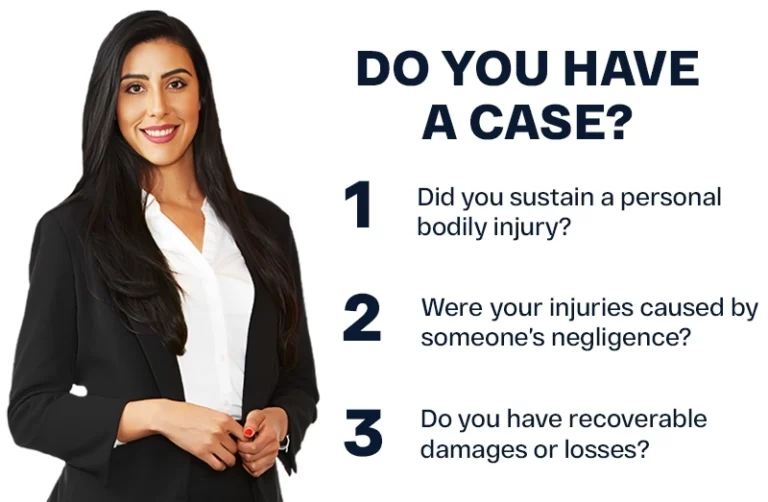
We’ll review what happened and tell you what options may be available.
Or, get LIVE help now — call our free 24-hour accident hotline at (888) 488-1391
Recovered
Fees unless we win
Free case hotline
Statewide practice
Who Can File a Work Injury Claim in San Bernardino?
Employees injured while performing their jobs may qualify for workers’ compensation benefits in California. This includes eligible full-time, part-time, and seasonal workers. Coverage depends on whether the injury is work-related, the worker’s employment status, and applicable legal exceptions.
Covered workers may include:
Employees hired through staffing agencies for warehouse, manufacturing, or other jobs. Coverage generally applies, although the responsible employer or insurer may depend on the staffing arrangement.
Are Independent Contractors Covered?
Genuine independent contractors generally do not qualify for workers’ compensation coverage through their employer. However, a worker’s classification depends on the actual working arrangement, not simply the job title.
Under California Labor Code § 2775, the ABC test generally helps determine whether a worker is an employee or independent contractor. It considers the company’s control over the work, whether the work falls outside its usual business, and whether the worker operates an independent business. Certain occupations and working arrangements may follow different classification rules.
San Bernardino warehouse, delivery, and gig workers who believe they may have been misclassified can seek a review of their employment status to determine whether workers’ compensation coverage may apply.
Do Public Safety Workers Have Additional Protections?
Certain San Bernardino firefighters, police officers, and other qualifying public safety workers benefit from legal presumptions that specific illnesses arose from their jobs. California Labor Code §§ 3212–3213.2 establish these protections for eligible workers. Eligibility depends on the occupation, medical condition, and applicable service requirements.
These presumptions may help eligible workers establish that a medical condition is work-related. However, qualifying employers may rebut the presumptions under applicable California law.
Can Injured Workers Also File a Third-Party Claim?
California Labor Code §§ 3600 and 3602 generally make workers’ compensation the exclusive remedy against an employer for covered workplace injuries, subject to exceptions. Under Labor Code § 3852, workers may also pursue civil claims against legally responsible third parties. These claims require evidence supporting the applicable legal theory.
Examples of situations that may support a third-party claim include:
- Warehouse Accidents: A visiting delivery driver negligently strikes a warehouse employee near the I-10/I-215 corridor.
- Construction Accidents: A subcontractor’s negligent operation of equipment injures a worker employed by another company.
- Defective Equipment: A defective forklift or conveyor system injures an employee at a San Bernardino distribution center.
These situations may support separate civil claims, depending on the evidence, employment relationships, and applicable liability rules. A third-party claim may provide compensation for pain and suffering, as well as additional lost income, that workers’ compensation typically does not cover.
How San Bernardino’s Workplaces and Local Agencies Affect Injury Claims
San Bernardino’s freight corridors, industrial workplaces, and local agencies influence how attorneys investigate work injuries. Although California workers’ compensation laws apply statewide, the location of the accident can affect the available evidence, the investigating agencies, and the legal proceedings.
- Third-Party Liability Along the I-10/I-215 Freight Corridor: Workers at nearby warehouses, loading docks, and freight facilities may encounter commercial trucks and heavy equipment. Vehicle records, surveillance footage, and maintenance logs may help establish third-party liability.
- Commercial Vehicle Crash Evidence From the I-15 Cajon Pass: Snow, ice, and fog can create hazards for workers traveling through Cajon Pass. CHP collision reports, vehicle records, and Caltrans maintenance records may help establish whether a third party contributed to a crash.
- Medical Evidence From San Bernardino Area Healthcare Facilities: Injured workers may receive treatment at Arrowhead Regional Medical Center (ARMC), a Level I trauma center in Colton. Medical records can document injury severity, treatment, and recovery needs for workers’ compensation or civil claims.
- Workplace Safety Investigations by Cal/OSHA: Cal/OSHA investigates workplace safety complaints, reportable serious injuries, and fatalities within its authority. Investigation reports, inspection findings, and citations may help establish safety violations relevant to an injury claim. Workers can locate the appropriate Cal/OSHA district office using the Cal/OSHA district office locator.
- Local Workers’ Compensation Proceedings at the San Bernardino WCAB: The Division of Workers’ Compensation district office at 464 W. Fourth Street, Suite 239, handles qualifying workers’ compensation proceedings. Injured workers may pursue disputed benefits through this office, subject to applicable venue rules.
- Civil Court Jurisdiction for Third-Party Work Injury Lawsuits: Qualifying third-party lawsuits may proceed in San Bernardino Superior Court. Civil court locations include the San Bernardino Justice Center, Rancho Cucamonga, and Victorville. Filing locations depend on current court rules and the case’s circumstances.

Questions About Your Claim?
Tell us what happened. Our team can explain your next steps.

Focus On Your Recovery
Let our team help with the legal process while you focus on getting better.
Common Types of Workplace Injuries in San Bernardino
Workers in San Bernardino may suffer injuries from falls, vehicle crashes, heavy lifting, machinery, repetitive tasks, or exposure to hazardous materials. These injuries can occur in warehouses, construction sites, hospitals, manufacturing plants, retail stores, and other workplaces.
The following are examples of injuries that may result from work injury incidents across different industries in San Bernardino.
| Type of Injury | How It May Happen | Possible Industries |
|---|---|---|
| Traumatic Brain Injuries (TBIs) | Falls from ladders or elevated platforms, falling objects, and work-related vehicle crashes may cause head injuries that affect memory, balance, or concentration. | Construction, warehousing, transportation, manufacturing. |
| Back and Spinal Injuries | Heavy lifting, repeated bending, falls, and vehicle collisions may cause muscle strains, herniated discs, or spinal injuries. | Warehousing, construction, healthcare, retail, transportation. |
| Amputations and Crush Injuries | Workers may suffer serious injuries when caught between moving equipment, struck by heavy objects, or involved in machinery accidents. | Manufacturing, warehousing, construction, logistics. |
| Repetitive Motion Injuries | Repeated lifting, gripping, typing, or other physical tasks may contribute to joint pain, tendon injuries, or carpal tunnel syndrome. | Warehousing, manufacturing, healthcare, retail, office work. |
| Burns and Chemical Exposure | Contact with hot surfaces, electricity, cleaning chemicals, or other hazardous substances may cause burns or exposure-related illnesses. | Manufacturing, construction, healthcare, food service. |
Medical records, imaging results, treatment notes, and work restrictions may help document the severity and effects of these injuries. Depending on the circumstances, injured employees may qualify for workers’ compensation benefits or have grounds for a separate third-party personal injury claim. If a fall caused a worker’s injury, San Bernardino slip-and-fall attorneys may also assess whether a premises liability claim is available.
The listed injuries and industries are examples. Other workplace injuries and occupational conditions may also occur in San Bernardino.
Questions After A Work Inury?
Speak with our team about your situation.
What Damages Can You Recover from a Work Injury in San Bernardino?
Injured workers in San Bernardino may qualify for workers’ compensation benefits, damages from a third-party lawsuit, or both. Workers’ compensation generally provides benefits without requiring proof of employer fault. A separate civil claim may be available if someone other than the employer, such as a contractor, equipment manufacturer, or commercial driver, is legally responsible for the injury.
Workers’ Compensation Benefits
Eligible injured employees may receive the following benefits under California law:
- Medical Care: Workers' compensation generally covers reasonable and necessary treatment for a work-related injury, including surgery, medication, physical therapy, and specialist care. Some treatments may require approval or medical review. Covered care has no deductibles or co-pays.
- Temporary Disability (TD): Workers who lose wages while recovering may receive payments generally based on two-thirds of their average weekly earnings. Eligibility, waiting periods, payment limits, and benefit duration depend on California law.
- Permanent Disability (PD): Workers with lasting impairments may qualify for payments based on their disability rating, wages, and date of injury. Permanent partial disability payments generally last for a limited period, while permanent total disability benefits may continue for life.
- Supplemental Job Displacement Benefits (SJDB): Workers with qualifying permanent partial disabilities who do not receive an appropriate offer of regular, modified, or alternative work may be eligible for a voucher to help pay for education or job retraining.
- Death Benefits: If a worker dies from a job-related injury or illness, eligible dependents may receive financial benefits and coverage for reasonable burial expenses, subject to statutory limits.
Damages in a Third-Party Injury Claim
A third-party personal injury lawsuit may allow injured workers in San Bernardino to recover economic and non-economic damages that workers’ compensation does not fully cover. Depending on the circumstances, these may include:
- Medical Expenses: Past and future reasonable treatment and rehabilitation costs, subject to applicable damages rules and workers' compensation reimbursement rights.
- Lost Income: Past and future lost earnings, including reduced earning capacity.
- Property Damage: Costs to repair or replace damaged personal property, such as a vehicle or work tools.
- Out-of-Pocket Expenses: Other reasonable costs directly related to the injury.
- Pain and Suffering: Physical pain and discomfort caused by the injury.
- Emotional Distress: Psychological effects associated with the injury.
- Loss of Enjoyment of Life: Reduced ability to participate in daily activities or hobbies.
A qualifying spouse or registered domestic partner may also pursue a separate claim for loss of consortium.
Available damages depend on the evidence, applicable California law, and the circumstances of the claim. Workers’ compensation reimbursement rights and rules against double recovery may also affect the amount recovered.
Wrongful Death Damages
If a workplace accident in San Bernardino causes a worker’s death, qualifying family members may have grounds for a wrongful death lawsuit against a legally responsible third party. Recoverable damages may include:
- Lost financial support and benefits the deceased would have provided.
- Loss of companionship, care, and guidance.
- Reasonable funeral and burial expenses.
Available damages depend on the circumstances, supporting evidence, and applicable California law. Workers’ compensation death benefits may also be available, although separate reimbursement or credit rules may affect the civil recovery.
Punitive Damages
In limited third-party cases, California Civil Code § 3294 permits punitive damages when clear and convincing evidence establishes malice, oppression, or fraud. Additional requirements apply to corporate defendants. Government Code § 818 prohibits punitive damages against public entities.
How Workers’ Compensation Affects a Third-Party Recovery
Receiving workers’ compensation benefits may affect how much an injured worker keeps from a separate third-party settlement or judgment.
Under California Labor Code §§ 3852–3865, an employer or workers’ compensation insurer may have the right to recover certain benefits it paid through a reimbursement claim or lien. The amount may depend on litigation expenses, fault allocation, and other legal factors.
These reimbursement and credit rights may reduce the worker’s net recovery or affect future workers’ compensation benefits.
Insurance Coverage for Work Injuries in San Bernardino
Injured workers in San Bernardino may receive benefits through workers’ compensation insurance and, in some cases, compensation through a responsible third party’s insurance. Under California Labor Code § 3700, employers generally must secure workers’ compensation coverage through an authorized insurer or approved self-insurance.
Workers’ compensation may cover medical treatment, partial wage replacement, and other benefits for eligible employees. If someone other than the employer caused or contributed to the injury, additional insurance coverage may be available.
What if Your Employer Has No Workers’ Compensation Insurance?
Injured employees may have grounds to sue an employer that unlawfully failed to secure workers’ compensation coverage. Under Labor Code §§ 3706 and 3708, such employers may face a civil lawsuit with a presumption of negligence. They also cannot use certain defenses, including contributory negligence and assumption of risk.
Eligible employees may also seek benefits through California’s Uninsured Employers Benefits Trust Fund (UEBTF). The fund may pay qualifying WCAB awards when illegally uninsured employers fail to provide required benefits. Workers must follow the applicable claim and procedural requirements.
What Other Insurance May Cover a Work Injury?
If a third party is legally responsible for an injury, other insurance policies may apply:
- Commercial General Liability (CGL): May cover claims involving unsafe property conditions, such as damaged flooring or unstable shelving at a San Bernardino warehouse.
- Commercial Auto Insurance: May cover injuries caused by insured commercial drivers or vehicles along I-10, I-215, or other San Bernardino roads.
- Product Liability Insurance: May provide coverage for manufacturers or other insured businesses facing claims arising from defective forklifts, conveyors, or other industrial equipment.
Available coverage depends on the responsible parties, policy terms, exclusions, and circumstances of the injury.
What Insurance Disputes May Affect Your Claim?
Workers’ compensation claims may involve disagreements over:
- Pre-Existing Conditions: Whether the injury resulted from work activities, an earlier condition, or both.
- Medical Evaluations: Disputes over medical findings may require a Qualified Medical Evaluator (QME) or Agreed Medical Evaluator (AME).
- Permanent Disability Ratings: Disagreements over the extent of lasting impairment and the benefits payable.
- Compromise and Release (C&R) Settlements: A lump-sum settlement may resolve specified benefits, including future medical care, depending on its terms and WCAB approval.
Medical records, employment documents, and other evidence may help resolve these disputes.
Proving Third-Party Fault in San Bernardino Work Injury Cases
Injured workers in San Bernardino may pursue a third-party personal injury claim if someone other than their employer is legally responsible for their injuries. Under California Labor Code §§ 3600 and 3602, workers’ compensation is generally the exclusive remedy against an employer for a covered workplace injury, although exceptions may apply.
Under Labor Code § 3852, eligible workers may also pursue a separate civil claim against a responsible third party, such as a contractor, property owner, commercial driver, or equipment manufacturer.
Establishing Negligence in a Third-Party Claim
Under California Civil Code § 1714, individuals generally have a duty to exercise reasonable care to avoid harming others. To establish a third-party negligence claim, an injured worker generally must prove four elements:
- Duty of Care: The responsible party had a legal duty to exercise reasonable care.
- Breach of Duty: That party failed to meet the duty, such as a commercial driver who violated traffic laws or a property owner who failed to address a hazard.
- Causation: The negligent action or failure to act was a substantial factor in causing the worker’s injuries.
- Damages: The worker suffered losses, including medical expenses, lost income, and pain and suffering.
Other legal theories, including product liability, may apply without requiring proof of these same negligence elements.
California’s pure comparative fault rule, established in Li v. Yellow Cab Co. (1975), may reduce an injured worker’s civil recovery based on their share of responsibility. However, being partly at fault does not automatically prevent recovery.
Liability Rules for Contractors and Property Owners
Under Privette v. Superior Court (1993) 5 Cal.4th 689, a hirer generally is not liable for injuries to an independent contractor’s employees arising from contracted work. However, exceptions may apply:
- Retained Control: Under Hooker v. Department of Transportation (2002) 27 Cal.4th 198, a hirer may be liable if it retains control over part of the work and negligently exercises that control in a way that affirmatively contributes to the injury.
- Concealed Hazards: Under Kinsman v. Unocal Corp. (2005) 37 Cal.4th 659, a property owner who hires an independent contractor may be liable for failing to warn about a concealed hazard that the owner knew or should have known about and that the contractor did not know about and could not reasonably discover.
These rules may affect construction, maintenance, and other contracted work in San Bernardino. Liability depends on the parties’ roles, their conduct, and the circumstances of the injury.
Parties That May Be Liable for San Bernardino Work Injuries
Depending on how the accident happened, potentially responsible third parties may include:
- Commercial Drivers and Trucking Companies: A negligent driver or carrier may be responsible for injuries involving commercial vehicles along I-10, I-215, I-15, or other San Bernardino roads. San Bernardino truck accident attorneys can assess whether a separate civil claim may apply.
- Property Owners: Owners of warehouses, retail stores, or other properties may face liability for unsafe conditions, subject to applicable premises liability rules and defenses.
- Equipment Manufacturers: Manufacturers may face product liability claims if defective forklifts, conveyor systems, power tools, or other equipment cause workplace injuries.
- Contractors and Subcontractors: Separate contractors working at construction sites, industrial facilities, or other job locations may be responsible when their negligent conduct contributes to an injury. Applicable employment relationships and contractor liability rules may limit certain claims.
If a workplace accident involves a negligent driver, San Bernardino car accident attorneys may also assess whether the injured worker has grounds for a separate civil claim.
Third-Party Claims Involving Government Entities
A public entity may be responsible for certain work-related injuries when a qualifying dangerous condition of public property contributed to the accident. Potential defendants may include the City of San Bernardino, San Bernardino County, or Caltrans, depending on which entity owned or controlled the property.
Under California Government Code § 835, a dangerous-condition claim generally requires evidence that:
- Public property had a dangerous condition that created a foreseeable risk of the type of injury involved.
- The condition was a substantial factor in causing the injury.
- The condition resulted from qualifying public-employee conduct, or the public entity had sufficient notice and time to protect against it.
Relevant evidence may include accident reports, roadway maintenance records, photographs, and prior complaints.
Under Government Code § 911.2, covered personal injury claims against public entities generally require written notice within six months of the claim’s inception. Statutory exceptions and late-claim procedures may apply. Government Code § 945.4 generally requires completion of the applicable claim-presentation process before filing a civil lawsuit.
How a San Bernardino Work Injury Claim Moves Through the WCAB and Superior Court
Work injury cases in San Bernardino may involve two separate legal processes: workers’ compensation and a third-party personal injury claim. Workers’ compensation generally provides benefits without requiring proof of fault, whereas a third-party claim requires establishing a legal basis to hold another party responsible. Both claims may proceed at the same time.
Workers’ Compensation Claim Process
- Employer Notification and Medical Treatment: The worker reports the injury to the employer, generally within 30 days under California Labor Code § 5400, subject to applicable exceptions. The worker receives necessary medical care, with ongoing treatment generally subject to workers’ compensation physician-selection rules.
- DWC-1 Claim Submission: Under California Labor Code § 5401, the employer generally must provide a claim form within one working day after learning of a work-related injury that causes lost work time beyond the employee’s shift or requires medical treatment beyond first aid. Filing the completed DWC-1 form with the employer begins the benefits claim process and may pause the applicable filing deadline under Labor Code § 5401(d). If benefits are denied or disputed, the worker may need to file a separate Application for Adjudication of Claim with the WCAB.
- Claims Administrator Review: Under California Labor Code § 5402, an injury is generally presumed compensable if the employer does not reject liability within 90 days after the claim form is filed. A shorter 75-day period applies to specified public safety occupational injuries and illnesses. Within one working day after the employee files a DWC-1 claim form, the employer must authorize appropriate medical treatment. While the claim awaits acceptance or denial, the employer’s treatment liability is limited to $10,000 under Labor Code § 5402(c). This is not a general cap on medical care for an accepted claim.
- WCAB Dispute Resolution: If benefits are denied or disputed, the worker may file an Application for Adjudication of Claim to begin formal proceedings before the Workers’ Compensation Appeals Board (WCAB). The San Bernardino DWC district office at 464 W. Fourth Street, Suite 239, handles qualifying cases, subject to applicable filing and venue rules.
Third-Party Personal Injury Claim Process
A separate civil claim may be available when someone other than the employer is legally responsible for the injury.
- Liability Investigation: Potentially responsible parties are identified, and relevant evidence is gathered.
- Damages Assessment: Medical expenses, lost income, pain and suffering, and available insurance coverage are evaluated.
- Settlement Negotiations: The parties may attempt to resolve the claim without litigation.
- Civil Litigation: If the claim remains unresolved, a lawsuit may be filed in the San Bernardino Superior Court. The court generally requires attorneys to file civil documents electronically, while self-represented litigants may use available filing methods.
Filing one claim does not automatically start the other. Each has separate deadlines, and workers’ compensation reimbursement or credit rights may affect a third-party recovery.
Filing Deadlines for San Bernardino Work Injury Claims
Work injury claims in San Bernardino have different filing deadlines depending on whether they involve workers’ compensation, a third-party lawsuit, or a public entity. Missing a deadline may affect eligibility for benefits or compensation. Exceptions and extensions may apply in certain circumstances.
Workers’ Compensation Deadlines
- 30-Day Employer Notice (Labor Code § 5400): Workers generally must report injuries within 30 days. For cumulative injuries or occupational diseases, Labor Code § 5412 determines the injury date based on disability and knowledge of work-relatedness. Exceptions may apply if the employer knew of the injury or was not prejudiced by late notice.
- One-Year Filing Deadline (Labor Code § 5405): Workers generally have 1 year from the applicable statutory event to initiate WCAB proceedings. These events include the injury date, certain disability payments, or qualifying medical benefits. Filing a DWC-1 may toll the deadline under Labor Code § 5401(d).
Third-Party Civil Claim Deadlines
- Two-Year Personal Injury Deadline (CCP § 335.1): Workers generally have two years to file a personal injury lawsuit against a legally responsible third party, such as a negligent commercial driver, contractor, or equipment manufacturer. Certain exceptions may change the deadline.
- Three-Year Property Damage Deadline (CCP § 338(c)(1)): Claims involving damaged personal property, such as vehicles, tools, or equipment, generally have a three-year filing deadline, subject to applicable exceptions.
Government Entity Claim Deadlines
If a work injury involves a potentially responsible public entity, such as the City of San Bernardino, San Bernardino County, or Caltrans, California’s Government Claims Act generally requires a written claim to be filed within six months after the cause of action accrues.
Additional deadlines may apply:
- Late Claims: Under Government Code § 911.4, an application to present a late claim generally must be made within one year after the cause of action accrues. If the application is denied, court relief may be available under § 946.6.
- Written Claim Rejection: Under Government Code § 945.6(a)(1), a lawsuit generally must be filed within six months after a legally sufficient rejection notice is personally delivered or mailed.
- No Proper Written Rejection: Under Government Code § 945.6(a)(2), the general lawsuit deadline is two years from when the cause of action accrued if the public entity does not provide written notice in accordance with § 913.
These government claim requirements have statutory exceptions. The applicable deadlines depend on the circumstances and the notices provided.
Evidence from San Bernardino workplaces may be lost or overwritten over time. Warehouse surveillance footage may be deleted under facility policies. Under 49 CFR § 395.8(k), motor carriers generally must keep required driver records for at least six months.
Cal/OSHA reports and citations may also provide useful evidence, although some records may be exempt from disclosure. Requesting records early may help preserve evidence for a workers’ compensation claim or third-party lawsuit.
Results Arash Law Has Recovered for Injured Workers
Arash Law has secured recoveries for injured workers in California involving workers’ compensation and third-party claims. The following cases illustrate different legal issues that may arise after serious workplace accidents, including those at construction sites and industrial facilities.
Past results displayed on this page were dependent on the unique facts of each case. Past results do not guarantee a similar outcome.
Talk to Arash Law About Your San Bernardino Work Injury Claim
Arash Law has recovered over $1 billion for injured clients across California. The firm’s attorneys help workers injured in San Bernardino County’s warehousing, logistics, construction, manufacturing, healthcare, retail, education, and other industries. Whether an injury occurs at a distribution center near I-10/I-215, a construction site, or another workplace, the firm can evaluate whether the worker may qualify for workers’ compensation benefits, a separate third-party civil claim, or both.
Call (888) 488-1391 for a case evaluation. The firm’s hotline is available 24 hours a day, 7 days a week. Hablamos español
How Arash Law’s Attorneys Help San Bernardino Work Injury Clients
Arash Law’s attorneys can help injured workers in San Bernardino evaluate workers’ compensation benefits and potential third-party personal injury claims. Depending on the case and scope of representation, the firm may assist with gathering evidence, identifying responsible parties, and pursuing available compensation.
The firm’s legal services may include:
Examine accident reports, safety records, equipment maintenance logs, and available Cal/OSHA findings to identify potentially responsible parties at San Bernardino workplaces.
Attorney fees depend on the type of claim. Arash Law handles qualifying third-party personal injury cases on a contingency-fee basis. Workers’ compensation attorney fees are subject to separate rules and require approval by the Workers’ Compensation Appeals Board (WCAB) under California Labor Code § 4906.
Frequently Asked Questions About Work Injuries in San Bernardino
In San Bernardino, What Kinds of Injuries Qualify for Workers' Compensation?
Both sudden injuries and conditions that develop over time may qualify for workers’ compensation. Examples include fractures from construction accidents, back injuries from warehouse lifting, and repetitive motion injuries. Eligibility depends on whether the injury is work-related and meets California’s workers’ compensation requirements.
Can I Get Fired for Filing a San Bernardino Workers' Compensation Claim?
California Labor Code § 132a prohibits employers from discriminating against workers for filing or intending to file a workers’ compensation claim. However, not every termination after a workplace injury is unlawful. Workers who experience prohibited discrimination may qualify for remedies, including reinstatement and lost wages.
What Happens If My Workers' Compensation Claim Is Denied?
An injured worker may challenge a denied workers’ compensation claim through the WCAB. This generally involves filing an Application for Adjudication of Claim and submitting supporting evidence. Filing deadlines apply, so reviewing the denial promptly is important.
Can I Sue My Employer Instead of Filing a Workers' Compensation Claim?
Do I Have a Claim Even If I Was Partly at Fault?
Do Work Injury Lawyers Only Get Paid If They Win?
Contact Arash Law About Your Work Injury Claim in San Bernardino
Arash Law helps workers injured in San Bernardino’s warehousing, logistics, construction, manufacturing, healthcare, and other industries. The firm’s attorneys can evaluate workers’ compensation claims and pursue compensation from responsible third parties, such as contractors, equipment manufacturers, property owners, and commercial drivers.
For a free case evaluation, call (888) 488-1391. Qualifying third-party injury cases are handled on a contingency-fee basis. Workers’ compensation attorney fees follow separate rules, and any applicable case costs depend on the representation agreement. Hablamos español.
Disclaimer: This page is for general educational purposes and does not constitute legal advice. Workers’ compensation benefits and third-party injury claims are subject to different legal requirements. Results depend on the circumstances of each case, and past recoveries do not guarantee future outcomes. Reading this page or contacting Arash Law does not create an attorney-client relationship. Consult a licensed California attorney about your situation.