TL;DR: Yes, see a doctor promptly after a rear-end crash, even if you feel fine. Adrenaline can hide injuries like whiplash or concussion for hours or days. Prompt medical care shortly after the accident protects your health. It can also strengthen your legal claim: gaps in treatment may give insurance adjusters grounds to argue your injuries were minor or unrelated to the crash.
Highlights:
- Understand that adrenaline masks pain for hours or days, so injuries may not surface until later.
- See a doctor immediately after a rear-end crash, even if you feel fine right now.
- Collect medical records from your first visit as critical evidence for insurance claims and legal protection.
- Check whether your health insurance or MedPay coverage can pay for treatment while your claim is pending.
- File an SR-1 report with the California DMV within 10 days if the crash caused injury, death, or more than $1,000 in property damage, regardless of fault.
- Continue attending follow-up appointments and follow your doctor’s advice until you heal, as gaps in medical care may lead to insurance claim disputes.
Tip: When describing the rear-end collision to police or insurers, stick to the facts and avoid guessing about the severity of your injuries before you visit a doctor.
Table of Contents
Yes, you should see a doctor immediately after a rear-end crash, even if you feel fine right now. After a rear-end crash, your body may release adrenaline, a hormone that helps you cope with sudden stress. That can mask pain for hours, so you might feel okay at first but still have a real injury beneath the surface. That initial sense of relief can be misleading.
Seeing a doctor right away does two things at once:
- Protects Your Health: A physician can detect injuries you may not yet feel, such as soft-tissue damage or a mild concussion.
- Protects Your Legal Claim: Your medical records from that first visit are key evidence if you later need to seek compensation. Insurance companies often argue that a gap in care proves the injuries were minor or unrelated to the crash.
Your body is still responding to what just happened. Pain may not appear for another day or two, and understanding why can help you make the right call.
Why You Might Feel Fine Now But Hurt Later
When your body goes through a crash, it fights back. It floods with adrenaline and endorphins, chemicals that numb pain so you can react to the threat. If those levels drop hours or days later, injuries that were already there may start to hurt. That is why you might feel fine at the scene but wake up in serious pain the next morning.
Some injuries take time to show up because of swelling and the brain’s reaction to trauma. Soft tissue injuries like whiplash and herniated discs may not be noticeable right after the accident. Other injuries may not appear immediately. Symptoms can develop hours, days, or even longer after a crash, depending on the type of injury.
Go to the hospital right away if you notice warning signs such as:
- Loss of consciousness or disorientation.
- Severe headache or dizziness.
- Abdominal pain or swelling.
Soft tissue damage and brain trauma can worsen during the first few hours. Early screening gives doctors a chance to prevent this. Knowing where to go for the right type of evaluation is the next step.
Where To Get Medical Treatment After A Crash
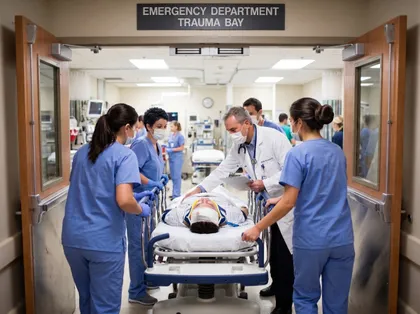
Choose your medical provider based on the severity of your injuries. For serious or life-threatening symptoms, go to the emergency room right away. For moderate symptoms, urgent care is a fast and practical option. Knowing your options in advance helps.
Here are the main types of providers to consider:
- Emergency Room (ER): Go here for severe or life-threatening symptoms, such as head injuries, loss of consciousness, or trouble breathing. The ER handles injuries that require immediate care.
- Urgent Care: A good choice for moderate symptoms like neck pain, soreness, or whiplash. These centers see patients quickly and create a medical record of their injuries.
- Primary Care Physician (PCP): Some primary care physicians may refer accident-related injuries to urgent care or specialists, depending on their practice policies and billing requirements. It is a billing issue tied to auto insurance. This is not a reflection of your situation. If your regular doctor turns you away, find an urgent care center or a clinic that handles crash patients.
- Specialists: Your doctor may send you to a specialist, such as a neurologist, orthopedist, or chiropractor, for care focused on nerve, bone, or spine injuries.
Delays in care can harm your health and hurt your legal claim. Knowing what to do if you get rear-ended can help you protect your rights from the start.
What To Do During Your First Post-Crash Medical Evaluation
When you see a doctor after a rear-end crash, explain clearly when the collision happened and how it occurred. Describe every symptom you have noticed, when each one began, and whether it is getting worse. Tell the provider if you hit your head or experienced loss of consciousness, confusion, dizziness, numbness, weakness, or changes in your balance after the accident.
Be honest about any previous injuries or medical conditions, even if they affected the same part of your body. This information helps your doctor determine whether the crash caused a new injury or aggravated an existing one.
Keep copies of all records related to your treatment, including:
- Discharge papers and visit summaries.
- Imaging and test results.
- Prescriptions and specialist referrals.
- Medical bills and insurance statements.
- Work restrictions or disability notes.
- A daily record of your symptoms, limitations, and missed work.
What To Do After Your First Doctor’s Appointment
Follow the discharge instructions your provider gives you and take any prescribed medication as directed. Attend all follow-up visits, specialist referrals, physical therapy sessions, or imaging appointments recommended for your recovery.
Contact your medical provider if your symptoms worsen or if you develop new problems, such as increased pain, dizziness, numbness, weakness, headaches, or confusion. Even if your first examination did not reveal a serious injury, return for medical care if symptoms appear later. Continuous medical monitoring can help your doctor catch hidden complications early.
How Seeking A Doctor Right Away Helps Your Claim
Insurance adjusters review medical records closely when evaluating a claim, and the timing of your first treatment often plays an important role. A prompt medical visit helps create a clear record of your injuries and how they relate to the crash, while delays can lead to questions about whether the accident caused them or how serious they are.
Early medical treatment can:
- Strengthen the Link to the Accident: Early treatment helps show that your injuries began at or near the time of the crash.
- Address Disputes From Insurers: Quick medical attention makes it harder for adjusters to argue that your injuries were unrelated or pre-existing.
- Create Clear Medical Documentation: Early records provide a baseline for doctors to track your recovery.
- Support Your Duty to Mitigate Damages: Prompt care shows you took reasonable steps to treat your injuries and prevent them from worsening.
Prompt medical documentation does more than protect your health. Rear-end accident lawyers use your medical records to show what the crash cost you in pain, lost wages, and medical bills. Without those records, your case is harder to prove.
If you only saw a doctor several days or weeks after the crash, insurance companies may point to the gap and argue your injuries are minor or unrelated to the accident. However, waiting doesn’t mean you’ve lost your ability to seek compensation.
Being honest with your doctor can help create a documented, truthful explanation of the delay, such as initially feeling fine due to adrenaline, which can help address that argument. A rear-end accident lawyer can also help explain a treatment gap to an insurer or, if needed, in court.
You may seek free advice from a rear-end accident lawyer to help you understand how a treatment gap might affect a potential claim. Covering the cost of care right away is a real concern, and knowing your payment options is the next practical step.
Who Pays Your Medical Bills After A California Car Crash?
If another driver’s careless actions caused them to rear-end you, their auto policy may cover your losses. That includes your medical bills. However, that coverage likely won’t kick in right away because you typically have to file an insurance claim first.
The claims process generally involves demonstrating that the at-fault driver owed you a legal duty to act with reasonable care. However, they failed to do so, such as by speeding or tailgating. That failure directly caused the rear-end accident, your injuries, and your losses.
After the other driver’s insurer receives and reviews your claim, it may offer you a settlement, and you may negotiate for another amount if that offer does not reflect your documented losses. If both parties can’t reach an agreement, filing a lawsuit may become an option.
All that being said, the at-fault driver’s insurance generally pays only after your claim is resolved through a settlement or judgment. This delay is one reason many crash victims postpone treatment while waiting for the insurer to act.
While pursuing a negligence claim, there are several possible ways to cover your medical bills after a rear-end collision:
- Your Health Insurance: Your personal health plan usually pays for treatment as it would for any other injury. You are responsible for deductibles and co-pays. If you receive a settlement later, your insurer may seek reimbursement.
- MedPay (Medical Payments Coverage): If included in your auto policy, MedPay can help pay medical bills immediately, regardless of who caused the crash. It can be used quickly to cover initial treatment costs.
- Letter of Protection (LOP): If you do not have insurance, a provider may agree to treat you now and wait for payment until your case is settled, based on a written agreement through your rear-end accident attorney.
- At-Fault Driver’s Insurance: This coverage generally applies later in the process, once liability is established and the claim is resolved.
California Deadlines You Must Know After A Crash
Those deadlines are strict. Miss one and you lose the right to seek compensation for your crash. An attorney can tell you which time limit you need to follow to protect your right to seek compensation.
- Two-Year Lawsuit Deadline: Under Code of Civil Procedure § 335.1, you have two years from the crash to file a personal injury lawsuit unless an exception applies. Miss this, and you lose the right to sue.
- Six-Month Government Claim Deadline: In some cases, a government entity (such as a city, county, or public transit agency) may be responsible. For example, suppose you were rear-ended by a city bus. If so, you must file an administrative claim within six months. The public entity then has 45 days to respond. If it rejects your claim, you have six months from the date of denial to sue. If it fails to respond on time, you generally have two years from the date of your injury to file a lawsuit.
- Ten-Day SR-1 Report Deadline: File an SR-1 report with the California Department of Motor Vehicles (DMV) within 10 days if the crash caused injury, death, or property damage over $1,000. Failure to comply may lead to DMV penalties, including possible suspension of your driver’s license.
Frequently Asked Questions

After a rear-end crash in California, questions tend to pile up fast. You may wonder who is at fault, what happens if the other driver has no insurance, or how you can afford a rear-end accident lawyer while dealing with medical bills. The most common concerns fall into three areas: fault, uninsured drivers, and the cost of legal help.
Is The Rear Driver Always At Fault In A California Rear-End Collision?
In many rear-end collisions, the rear driver is found at fault because California law requires maintaining a safe following distance. Still, fault can be shared under comparative negligence depending on the facts. Exceptions exist if the front driver cuts you off suddenly or brakes-checks you, in which case the fault may shift.
What If The At-Fault Driver Has No Insurance?
Your own Uninsured Motorist (UM) coverage can step in to cover your losses, such as medical bills and other crash-related costs. It can help cover those losses up to your policy limit, depending on your specific policy terms and the claim. Check your policy or call your insurer to confirm whether you have UM coverage on your auto policy and what it includes.
How Can I Afford An Attorney If I Have Medical Bills?
If you’re asking, “Do lawyers only get paid if they win?” Most personal injury lawyers work on a contingency fee basis, meaning they are paid only if they recover compensation, depending on the agreement. As every case is different, speaking with an attorney directly is the best way to understand what you may recover at no upfront cost.
Protect Your Rights After A California Rear-End Collision
Your rights after a rear-end collision are worth protecting. Getting legal help early is one of the best things you can do. Insurance companies move fast after a crash. They often make lowball offers that fall short of your actual losses. They may also try to downplay or dismiss the severity of your injuries. Once you accept a settlement, you generally cannot go back.
If we represent you, our rear-end accident lawyers at Arash Law can gather your medical records and handle the insurance company directly. If financial concerns are holding you back from seeking treatment, AK Law can also help connect you with providers who treat on a lien basis, so you can get the care you need now without paying out of pocket while your claim is pending.
Our team can then help you pursue the full compensation you may be entitled to under California law, including future medical costs. Though these results don’t guarantee specific outcomes for your situation, they illustrate our experience with handling rear-end accident cases over the years:
- $3,500,000: We represented a client who was rear-ended at a stoplight by a distracted driver. The client suffered spinal injuries that required surgery. Our team settled the case three days before trial.
- $1,250,000: Following a rear-end accident, our client developed a herniated disc and required pain management treatment. We were able to recover the maximum available insurance policy limits based on the client’s ongoing symptoms and anticipated future medical needs.
- $1,000,000: Our client initially suffered what appeared to be minor injuries after an accident, but symptoms worsened over time. Medical evaluation later revealed a severe spinal disc injury. After years of negotiations with the insurer, we recovered compensation for our client’s losses.
California law gives most injury victims two years from the date of the crash to file a lawsuit. Acting sooner helps preserve evidence and keeps your options open. Call (888) 488-1391 to schedule a free initial consultation. There is no cost and no obligation. Speaking with an attorney now can make a real difference in your case.