Trinity County Slip-And-Fall Lawyers
If you slipped and fell on a Shasta-Trinity National Forest trail, an icy walkway in Hayfork, or a worn sidewalk in the Historic District of Weaverville, the property owner or responsible agency may owe you compensation, and the clock on your claim is already running.
Trinity County is one of California’s most rural jurisdictions, and two institutions define how every slip-and-fall claim here is built and resolved. The Trinity County Superior Court at 11 Court Street, Weaverville, CA 96093, handles state-court civil personal injury actions properly filed in Trinity County. Federal claims follow a different path. A Federal Tort Claims Act (FTCA) lawsuit must be filed in a federal district court after the administrative requirements are satisfied. Trinity Hospital at 60 Easter Avenue, Weaverville, CA 96093, is the county’s only acute-care hospital. Injured people either start their medical record there or travel hours to Redding or Sacramento for specialist care.
Beyond those anchors, the land is mountainous, the terrain is often unpaved, and the winters are hard. The responsible party for a fall may be a private owner, Trinity County, or a federal agency under the Shasta-Trinity National Forest. Trinity County slip-and-fall lawyers can explain how those differences determine the way your case is built, who you file against, and how long you have to act.
Call: (888) 488-1391 (24-hour line)
Reviewed by Arash Khorsandi, Esq., California State Bar #249405, admitted 2007, last reviewed August 2026

We’ll review what happened and tell you what options may be available.
Or, get LIVE help now — call our free 24-hour accident hotline at (888) 488-1391
Recovered
Fees unless we win
Free case hotline
Statewide practice
Who Can File A Slip-And-Fall Claim In Trinity County?
California law extends the right to file a premises liability claim broadly. In Rowland v. Christian (1968) 69 Cal. 2d 108, California’s Supreme Court replaced the old visitor-status categories with one standard: every property owner must exercise ordinary care to keep their property safe for anyone foreseeably present. If they fail to do so and someone slips, falls, and gets injured, the following groups may file in Trinity County:
Anyone lawfully on the property, including, for example, a shopper at a Weaverville retailer, a lodge guest near Trinity Lake, or a tenant in an older downtown building, can pursue a claim if they were hurt by an unsafe condition the owner knew about or should have known about.
Falls on county sidewalks or public park paths in Trinity County can support a claim against Trinity County or another public agency, subject to the government claim rules described below.
Trespassers are not automatically barred from bringing a premises liability claim in California. Their reason for being on the property and the foreseeability of their presence may affect whether the property owner acted reasonably under the circumstances.
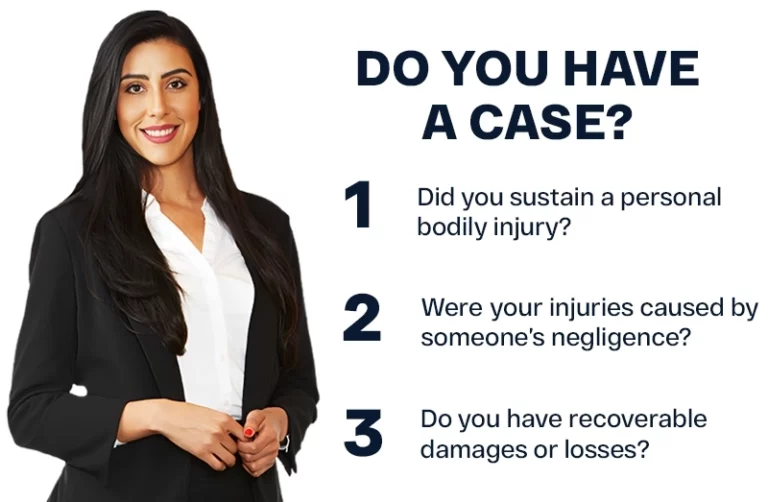
If you are unsure whether your situation qualifies, the Trinity County personal injury lawyers at Arash Law offer a free case evaluation.
Why Slip-And-Fall Cases In Trinity County Are Unlike Anywhere Else In California
A claim for a slip-and-fall accident may be filed against a private property owner, Trinity County, or a federal agency. Where you fell determines who may be liable, the kind of claim you need to file, which claim form, and which deadline applies before you can even begin a lawsuit. Trinity County’s rural conditions can affect the answers to those questions. A fall on a federally maintained trail in the Shasta-Trinity National Forest does not follow the same rules as a fall in a shopping plaza.
Trinity County’s physical conditions and limited infrastructure create challenges that urban counties do not face:
- Shasta-Trinity National Forest Trails and Trailheads: The U.S. Forest Service manages trails, trailheads, and recreation area parking throughout Trinity County. A fall on a federally maintained trail requires an administrative claim filed with the U.S. Forest Service under the FTCA before any federal lawsuit can proceed.
- Historic Main Street in Weaverville: Main Street is a designated commercial corridor where aging sidewalk surfaces on historic streets can become uneven over time. Depending on local maintenance obligations and who controls the sidewalk area, an adjacent property owner may bear premises liability for public-facing sidewalks adjacent to their building, and failure to inspect or repair an uneven surface can support a claim.
- Trinity Lake Campgrounds and Boat Ramps: Facilities near Lewiston and Trinity Center feature wet boat-launch surfaces where falls can occur. Seasonal and remote operations in this area can complicate evidence preservation when a fall happens.
- Isolation and No-Witness Falls: In 2020, Trinity County had a population of only 5.1 people per square mile. That means slips and falls here can happen in areas with no foot traffic, no cameras, and no bystanders. Evidence such as ice, standing water, algae, and cracked surfaces often disappears within hours. Getting an attorney involved quickly is not optional in this county.
Because trail conditions shift and physical evidence erodes rapidly in the mountains, early investigation determines how liability is proven.
Injuries Common To Trinity County Slip-And-Fall Accidents
Trinity County’s uneven terrain, icy paths, unpaved areas, and wet boat-ramp surfaces can contribute to serious falls. In many situations, victims make high-impact contact with hard or irregular ground. Injuries sustained here may thus require specialist care that is not available locally, adding a layer of economic damage, including travel time, mileage, and lost work, that directly shapes the value of a claim.
The most common serious injuries in Trinity County slip-and-fall cases include:
A backward fall onto a rocky trail surface or a hard floor strikes the back of the skull with significant force. Symptoms, including headaches, cognitive fog, memory disruption, and personality changes, may not appear immediately, which is why same-day evaluation at Trinity Hospital’s emergency department matters even when you feel “mostly okay.”
Falls that compress the spine can crack vertebrae or rupture discs, causing radiating nerve pain, numbness, or loss of mobility. Trinity Hospital provides emergency evaluation and some rehabilitation services, including physical therapy, but many patients with complex spinal, neurological, or orthopedic injuries are referred to specialists in Redding or Sacramento. Travel and lodging costs for those referrals may be recoverable when reasonable, necessary, and related to the injury.
These fractures, most common in older adults but not exclusive to them, may require surgery, hospitalization, and extended rehabilitation, depending on their severity. The nearest orthopedic surgery centers are outside the county.
The instinctive response to a fall is to extend your hands, and the force travels directly to the radius and ulna. Comminuted (shattered) fractures may require plates and screws, followed by occupational therapy.
Muscle tears, ligament sprains, and nerve damage in the back and shoulders can be debilitating without being immediately visible on imaging. For instance, an awkward landing or a rotation on uneven ground can tear the anterior cruciate ligament (ACL) or meniscus. Some ACL or meniscus injuries often require surgery and extended physical therapy, while treatment depends on the nature and severity of the tear.
PTSD following a traumatic fall in a remote Trinity County location, where help may be hours away, is a real and compensable non-economic harm.
In 2024, California Emergency Medical Services data recorded 392,923 responses involving ground-level falls, the category corresponding to same-level slips, trips, and stumbles.
Some individuals are more likely to sustain severe injuries than others. The California Department of Public Health says falls are the leading cause of both fatal and nonfatal injuries among adults 65+. Children may also experience adverse outcomes if injuries impact their long-term physical or mental development.
In some cases, injuries may worsen if medical treatment is delayed. That can be an issue in Trinity County. Though Trinity Hospital (60 Easter Avenue, Weaverville, CA 96093) operates a 24-hour emergency room with laboratory, X-ray, CT, and ultrasound services, it is the county’s only acute-care hospital. Specialist referrals for neurology, orthopedic surgery, and spinal care may require travel outside Trinity County, including to Redding or Sacramento.
Medical records from Trinity Hospital’s emergency department, combined with records from every out-of-county specialist, form the documentary backbone of any serious slip-and-fall claim here. Imaging studies, physical therapy notes, work restriction letters, and future care cost projections document the full impact of every injury type listed above. Do not assume that a single emergency room visit captures the whole picture. It rarely does when the injuries are serious.
What Damages Can You Recover From A Slip-And-Fall In Trinity County?
When you file a slip-and-fall claim in Trinity County, you can seek compensation for every financial and personal loss the injury caused, from the day of the fall forward. California law recognizes several categories of recoverable damages:
- Past and future medical bills, including emergency care at Trinity Hospital, specialist visits in Redding or Sacramento, surgery, physical and occupational therapy, and prescription costs.
- Transportation costs to out-of-county medical facilities, which are substantial in Trinity County, where the nearest specialists may be hours away.
- Lost wages from time missed at work during recovery.
- Reduced earning capacity if the injury leaves you unable to return to your prior occupation or work at the same level.
- Property damage for personal items such as a phone, glasses, or a mobility device, broken in the fall.
These reflect the human cost of the injury, not the dollar cost. Examples include:
- Pain and suffering, both at the time of injury and ongoing.
- Emotional distress and anxiety, including PTSD, following a traumatic or isolated fall.
- Loss of enjoyment of life, or the inability to participate in activities and hobbies you used to enjoy because of your injury.
- Permanent disfigurement or scarring.
Under CCP § 377.61, eligible family members may recover funeral and burial expenses, the financial support the deceased would have provided, and the loss of companionship, comfort, and guidance. CCP § 377.60 (addressed in the Who Can File section above) governs who may file, and the two-year deadline under CCP § 335.1 applies.
A spouse or registered domestic partner may pursue a separate claim for the loss of companionship, support, and intimacy caused by the injured person’s condition.
An attorney familiar with Trinity County’s medical landscape can identify and document damages, including travel costs and future specialist care, that adjusters routinely overlook or undervalue.
Which Insurance Applies To Your Fall In Trinity County?
The type of coverage that applies to your fall depends on where you fell and who owns or controls that property. Understanding each coverage type helps you know what an insurer is supposed to pay and what to do when they dispute the facts of your claim.
- Commercial General Liability (CGL): Businesses in Downtown Weaverville, retail stops along SR-299, and commercial lodges near Trinity Lake typically carry CGL coverage. This policy covers bodily injury to customers, visitors, and other people injured on the business premises. CGL adjusters commonly challenge claims by arguing the hazard was “open and obvious” or that the claimant’s own conduct caused the fall.
- Homeowners Insurance: Falls on residential property, such as a cracked driveway, an icy porch step, or an unlit exterior path, may be covered by the property owner’s homeowners insurance. Visiting a home as a guest does not eliminate your right to file a claim under that policy.
- Medical Payments Coverage: This is a no-fault coverage available under some homeowners, commercial general liability, or other premises policies that pays medical expenses up to a per-incident policy limit that varies by coverage, regardless of who was at fault. Medical Payments coverage is not present in every premises liability claim. It does not settle the liability question and does not prevent you from pursuing a full damages claim.
- Government Tort Claims: Falls on Trinity County-maintained sidewalks, public park paths, or government buildings do not go through a standard insurance demand. They require a written government claim filed with the appropriate public entity before a lawsuit can be filed. Claims against Trinity County must be presented to the Trinity County Board of Supervisors or its designated claims clerk under Government Code § 915(a). Verify the current submission address and form directly with Trinity County before filing.
- Federal Agency Claims: Falls on Shasta-Trinity National Forest land or other federal property are not covered by a standard insurance demand. An FTCA administrative claim must be filed with the relevant federal agency before any lawsuit can proceed. See Filing Deadlines below for the two-year presentment window under 28 U.S.C. § 2401(b) and the exhaustion requirement under 28 U.S.C. § 2675(a).
Insurers representing private property owners in Trinity County often raise the same challenges. The “open and obvious” defense is a common insurer argument in Trinity County: that a hazard such as visible ice, a posted warning sign near a wet boat ramp, or a clearly cracked sidewalk was apparent enough that a reasonable person would have avoided it.
Defenses such as these do not automatically bar your claim. California’s comparative fault analysis still applies: if the owner unreasonably failed to repair or remove a known danger, their liability survives even when the condition was partially visible.
Federal, State, Or Private: What To Expect Before And During A Trinity County Slip-And-Fall Claim
Preparing, filing, and pursuing a slip-and-fall claim typically involves gathering evidence, documenting your losses, and negotiating a settlement with the other party’s insurer. Although many claims are resolved before trial, filing a lawsuit may still be necessary in some cases. Here is how you can expect the process to unfold in Trinity County:
- Immediate Evidence Preservation: Scene conditions such as ice, standing water, algae, and cracked surfaces can disappear within hours in Trinity County’s climate and terrain. An attorney can act quickly to request preservation of surveillance footage, maintenance records, inspection logs, and incident reports because some evidence may be overwritten, altered, or lost with time.
- Investigation and Records Gathering: Your attorney collects the full evidentiary picture: medical records from Trinity Hospital’s emergency department, records from any out-of-county specialists in Redding or Sacramento, and any California Public Records Act (CPRA) requests for maintenance logs or prior-incident reports held by Trinity County Public Works or another government agency.
- Filing the Insurance Demand or Government Claim: For private property falls, your attorney sends a formal demand package to the property owner’s insurer. For public entity falls, the government claim must be filed by the deadline outlined in the Filing Deadlines section. For federal land, the FTCA administrative claim is filed with the responsible federal agency.
- Settlement Negotiations: After the insurer or government agency reviews the demand, negotiations begin. Many claims may resolve during negotiations without requiring a trial.
- Filing a Civil Complaint: If the claim does not resolve, your attorney files the lawsuit in the court with jurisdiction over the case. State-law claims may proceed in Trinity County Superior Court when venue is proper there. In contrast, an FTCA claim against the United States proceeds in federal district court after administrative exhaustion.
- Discovery and Alternative Dispute Resolution: Both sides exchange documents, take depositions (sworn statements taken outside court), and may attend mediation, a process where a neutral third party facilitates a negotiated resolution, before any trial date is set.
Because Trinity County is a small jurisdiction, your attorney handles all court filings and required appearances at the Trinity County Superior Court in Weaverville. In many cases, much of the process can be handled remotely. However, you may still need to attend a deposition, medical examination, mediation, or trial, depending on how your case progresses.
Federal, State, Or Private: Identifying Who Is Liable For Your Fall In Trinity County?
To recover compensation, you must prove the property owner or responsible agency was negligent. CIV § 1714 sets the foundational rule: every person is responsible for injuries caused by their failure to exercise ordinary care in managing their property.
The four elements of a California premises liability claim, drawn from California Civil Jury Instruction 1000, are:
- Duty: The defendant owned, leased, occupied, or controlled the property where you fell. Under CIV § 1714, that control creates a legal duty to exercise ordinary care.
- Breach: The defendant failed to maintain the property in a reasonably safe condition or failed to warn of a known hazard. In Trinity County, breach often turns on constructive notice, meaning the owner should have discovered the hazard through reasonable inspections, even if no one reported it directly. Notice issues include whether a cracked sidewalk on Main Street, an icy path at a trailhead, or algae on a boat ramp existed long enough and were visible enough that a careful owner conducting routine inspections would have found and fixed them.
- Causation: The defendant’s breach was a substantial factor in causing your injury, not merely a trivial contributing cause.
- Damages: You suffered actual, documentable harm: medical expenses, lost wages, pain and suffering, or other losses.
Under this framework, potentially liable parties in Trinity County slip-and-fall cases include:
- Private property owners and landlords, including owners of older commercial buildings along Main Street in Weaverville.
- Business tenants who control and maintain the space where the fall occurred.
- Trinity County, through Trinity County Public Works, for county-maintained sidewalks, government buildings, and public parks; claims are presented to the Trinity County Board of Supervisors.
- The United States, for qualifying FTCA claims arising from negligent acts or omissions involving U.S. Forest Service operations on Shasta-Trinity National Forest property. The administrative claim is presented to the appropriate federal agency, such as the U.S. Forest Service, but an FTCA lawsuit is brought against the United States.
- Third-party contractors hired to clear ice or repair hazards on rural properties in Trinity County who leave a dangerous condition behind.
California public-entity property claims are subject to an additional standard under Government Code § 835. You must show that:
- The property was in a dangerous condition.
- The condition created a reasonably foreseeable risk of the type of injury that occurred.
- The condition substantially contributed to the injury.
- Either of the following is true:
- A public employee negligently or wrongfully created the dangerous condition while acting within the scope of employment.
- The public entity had actual or constructive notice of the condition for a sufficient period to protect against it.
Special immunities may apply to recreational property. Government Code § 831.4 generally protects California public entities from liability for injuries caused by conditions of qualifying recreational trails and certain recreational-access routes. CIV § 846 can also limit a property owner’s duty to people using land for recreational purposes, although statutory exceptions apply. These rules can substantially affect claims involving hiking trails, campgrounds, fishing access, and similar recreational areas.
Different rules apply if you slip and fall on federal land in Trinity County. The U.S. Forest Service is a federal agency governed by the FTCA and federal law, not Government Code § 835. It likewise generates maintenance records, inspection logs, and prior-complaint files relevant to establishing notice, but those records are accessed through Freedom of Information Act (FOIA) requests, and the claim proceeds under the FTCA framework described in Filing Deadlines.
Identifying the correct defendant and the correct filing deadline you need to follow is often the most consequential early decision in a Trinity County slip-and-fall case.
Filing Deadlines For Slip-And-Fall Cases In Trinity County
California and federal law impose strict deadlines on slip-and-fall claims. Missing an applicable deadline can bar your claim or significantly limit your ability to recover compensation. The applicable deadline depends in part on who owned, controlled, or was responsible for the property where the fall occurred.
Lawsuits Against Private Parties
For slip-and-fall cases against private property owners, businesses, landlords, or other private parties, California law generally provides the following deadlines:
- Personal Injury — Two Years: Under California CCP § 335.1, you generally have two years to file a lawsuit for injuries caused by another party’s wrongful act or negligence.
- Property Damage — Three Years: If the fall also damaged personal property, such as a phone, glasses, clothing, or other belongings, CCP § 338(c)(1) generally provides three years to bring a claim for damage to personal property.
Claims Against California Public Entities
Different, much shorter deadlines may apply when a slip-and-fall involves a California public entity, such as Trinity County or the California Department of Parks and Recreation.
Under Government Code § 911.2, a claim involving personal injury or damage to personal property generally must be presented to the appropriate public entity within six months after the claim accrues or arises. That date is usually the day of the slip-and-fall. This administrative claim requirement usually must be satisfied before a lawsuit can be filed against the public entity.
What happens after the government claim is presented can affect the deadline for filing a lawsuit:
- If the Public Entity Provides a Written Rejection Notice: Under Government Code §§ 913 and 945.6, you generally have six months from the date the notice is personally delivered or deposited in the mail to file a lawsuit.
- If the Public Entity Does Not Provide Written Notice: The lawsuit generally must be filed within two years after the cause of action accrues.
Government claims involve procedural requirements in addition to these deadlines, and exceptions may apply in certain circumstances. Because the initial six-month period is significantly shorter than California’s ordinary personal injury statute of limitations, claims involving public property should be evaluated promptly.
Claims Against The Federal Government
A different process may apply if your fall involves alleged negligence by the federal government or a federal employee, including certain incidents that occur on federally managed land, such as the Shasta-Trinity National Forest.
Under the FTCA, a tort claim against the United States generally must first be presented in writing to the appropriate federal agency within two years after the claim accrues. 28 U.S.C. § 2401(b).
After the administrative claim is presented, you generally cannot file a federal lawsuit until the agency issues a final written denial. If the agency does not make a final disposition within six months after the claim is filed, you may generally treat that inaction as a final denial and proceed with a lawsuit. 28 U.S.C. § 2675(a).
If the federal agency mails a written final denial of the administrative claim, the lawsuit generally must be filed within six months from the date the denial is mailed. This six-month deadline is separate from the two-year deadline for initially presenting the administrative claim. 28 U.S.C. § 2401(b).
Filing an FTCA administrative claim does not necessarily mean the federal government can be held liable. The FTCA contains exceptions to its waiver of sovereign immunity, including the discretionary-function exception under 28 U.S.C. § 2680(a), and independent federal contractors are generally outside the FTCA’s definition of a federal agency. That is why who controlled or maintained the property and what conduct allegedly caused the fall matters.
Because different deadlines and procedural rules may apply depending on whether the responsible party is private, state, local, or federal, determining who controlled the property should be one of the first steps in evaluating a Trinity County slip-and-fall claim.
What Arash Law Has Recovered For Premises Liability Clients
Arash Law has achieved significant results for slip-and-fall cases and other premises liability cases involving unsafe property conditions, inadequate safety measures, and property owner negligence. The results below highlight the firm’s experience in pursuing compensation for clients who suffered serious injuries due to hazardous conditions leading to falls:
Our client, who sustained a spinal injury in a fall caused by inadequate lighting on someone else’s property, achieved a favorable resolution with our firm’s help.
Our client sustained injuries in a fall caused by unsafe roof conditions and inadequate safety protocols. We sought accountability and achieved this million-dollar result to support him and his family in the aftermath of the incident.
These results are representative examples only. Past outcomes do not guarantee a similar result. Every case depends on its unique facts, the applicable law, and the evidence available.
Why Choose Arash Law For A Slip-And-Fall Claim In Trinity County?
Trinity County is not a jurisdiction where a personal injury firm can rely on general experience. The county’s jurisdictional split (private, county, state, and federal land all in the same geography) requires an attorney who understands which type of claim to file for a slip-and-fall and what happens if the wrong one is chosen. Here is how Arash Law approaches these cases:
We send litigation hold letters on the day we take a case, targeting surveillance footage from private businesses, maintenance logs from Trinity County Public Works, and trail inspection records from the U.S. Forest Service Shasta-Trinity National Forest Supervisor’s Office. Evidence in rural Trinity County disappears faster than in urban settings, so we do not wait.
We track the six-month deadline under GOV § 911.2 and file government claims with the Trinity County Board of Supervisors and state agencies before the window closes. The Trinity County Board of Supervisors is the designated claims recipient under GOV § 915(a); we verify the current submission address and form directly with the county before filing. For FTCA claims on Shasta-Trinity National Forest property, we file Standard Form 95 with the U.S. Forest Service and manage the administrative process.
You do not need to come to us or drive to the Weaverville courthouse. We coordinate the investigation, file all court documents, and appear on your behalf at the Trinity County Superior Court at 11 Court Street.
Arash Law handles every personal injury case on a contingency fee basis, under a written fee agreement confirmed before we begin. You pay no attorney’s fees unless we recover compensation for you.
Talk To Arash Law About Your Trinity County Slip-And-Fall Case
Arash Law’s Trinity County slip-and-fall lawyers represent injured people across this county, from Weaverville and Hayfork to Lewiston, Douglas City, Junction City, and Trinity Center. Our firm has recovered over $1 billion for injured clients across California, and we handle every case on a contingency fee basis.
If you need the support of a Trinity County injury law firm, our team can discuss your legal options during a free case evaluation and explain how we can help you pursue compensation.
Call (888) 488-1391, available 24 hours a day, or contact us online to discuss your case with our Trinity County slip-and-fall lawyers.
Frequently Asked Questions About Slip-And-Fall Claims In Trinity County
Slip-and-fall claims in Trinity County can involve unique legal and practical issues, especially when an accident occurs on government property, federal land, rural trails, or privately owned premises. The following frequently asked questions address common concerns about liability, filing deadlines, comparative fault, government claims, and what to expect when pursuing compensation after a fall.
What If The Insurer Argues I Should Have Seen The Hazard And Avoided It?
California follows a pure comparative fault rule, established in Li v. Yellow Cab Co. (1975) 13 Cal. 3d 804. Your recovery is reduced by your percentage of fault, not eliminated. If an insurer argues you were 30% at fault for not noticing ice on a trailhead path in Trinity County, your total recovery is reduced by 30%, but you can still recover the remaining 70%.
The central question remains whether the property owner breached their duty to maintain a safe condition or warn of a known hazard. Comparative fault arguments are most aggressively pushed in rural cases where no camera footage exists, which is exactly why witness statements, medical records, and scene photographs taken immediately after the fall carry so much weight.
I Fell On A Trail Inside The Shasta-Trinity National Forest. Can I Still File A Claim?
Yes, but the process is different from a private property claim. Federal land falls require an FTCA administrative claim presented to the appropriate federal agency before any lawsuit can proceed. Standard Form 95 is commonly used for this purpose, but federal law does not require that specific form. The written claim must satisfy the FTCA’s presentment requirements, including stating the amount of damages sought as a “sum certain.”
That claim must be filed within two years of your fall. This is the presentment deadline under 28 U.S.C. § 2401(b). Under 28 U.S.C. § 2675(a), you cannot file suit until the agency issues a final disposition or six months pass without a response. Only after a denial, or after six months of inaction, can you file suit in federal district court. Skipping the administrative step generally bars your lawsuit. An attorney needs to evaluate which federal agency manages the specific trail or facility where you fell, because jurisdiction matters for routing the claim correctly. See the Filing Deadlines section above for the full framework.
What If I Fell On A Sidewalk Or County Property In Weaverville?
Falls on Trinity County-owned sidewalks, government buildings, or public parks trigger the government claim process under Government Code § 911.2. You must file a written claim with the Trinity County Board of Supervisors within six months of your fall, before you can file a lawsuit.
The six-month deadline for government claims will generally apply. This filing window is strict. While there are limited procedures that may allow late-claim applications in certain circumstances, an attorney must evaluate your situation immediately to determine if that option is available. Missing the deadline without obtaining relief can permanently bar your lawsuit, so you may wish to contact an attorney as soon as possible.
Does A Fall Automatically Mean The Property Owner Is Liable?
No. A fall establishes that you were hurt. It does not establish that someone else is responsible. In a typical unsafe-condition claim, liability may turn on whether the property owner knew or should have known about the hazard in time to fix it or warn you. If the owner or its employee negligently created the dangerous condition, however, separate proof of notice is generally not required because knowledge of the condition is imputed to the owner.
Do I Need To Travel To Weaverville To Handle My Case?
In many cases, much of the process can be handled remotely, and your attorney can appear for routine court hearings at the Trinity County Superior Court in Weaverville. If Arash Law represents you, we handle all court filings and coordinate investigations, records collection from Trinity Hospital and out-of-county specialists, and government claim filings. However, you may still need to attend a deposition, medical examination, mediation, or trial, depending on how your case progresses. We will prepare you and work to minimize that burden.
How Does Arash Law Get Paid?
Arash Law gets paid on a contingency fee basis, meaning we don’t charge attorney’s fees unless we win or settle a case. This arrangement is governed by a written fee agreement under California Business & Professions Code § 6147, as required by California law.
Contact Our Trinity County Slip-And-Fall Lawyers: Free Case Evaluation
A fall in Trinity County is not a simple event. The responsible party might be a private business on Main Street in Weaverville, a federal agency managing a trail in the Shasta-Trinity National Forest, or the County of Trinity itself. Getting the filing pathway wrong, or missing the six-month government claim deadline that applies when a public entity is responsible, can end your case before it begins.
Arash Law’s attorneys are ready to review your case at no charge, evaluate which entities may be liable, and tell you exactly how much time you have to act. We serve clients throughout Trinity County, including Weaverville, Hayfork, Lewiston, Douglas City, Junction City, and Trinity Center.
Our team collects medical records from Trinity Hospital, Weaverville, and out-of-county providers, handles state-court filings at the Trinity County Superior Court, handles federal court filings when required, and manages government claims and FTCA administrative claims to help you meet the applicable deadlines.
Call (888) 488-1391, available 24 hours a day, or reach us online to start your free case evaluation. Arash Law. MAKE ‘EM PAY, CALL AK.
The information on this page is for general informational purposes and does not constitute legal advice. Viewing this page does not create an attorney-client relationship. If you have been injured, consult a qualified attorney about your specific situation. Arash Law — (888) 488-1391.