TL;DR: California recognizes 4 accident categories: traffic collisions, workplace accidents, home or premises accidents, and sports or recreational accidents. Each has different liability rules and recovery options. You have 2 years from injury to file a lawsuit, or 6 months if a government agency was involved; missing this deadline bars recovery entirely.
Highlights:
- Identify which of the four accident categories applies to your situation.
- Understand that liability rules differ across traffic, workplace, premises, and recreational accidents.
- Check California filing deadlines, including two years for personal injury lawsuits and six months for government claims.
- Collect evidence such as photos, witness details, and incident reports early.
- Determine whether workers’ compensation or a third-party claim may apply.
- Document unsafe conditions or crash factors linked to the injury.
- Review available insurance coverage based on the type of accident involved.
Tip: Document all accident details, injuries, and any citations or violations at the scene, as this evidence becomes critical proof of negligence in your claim.
Table of Contents
The four main types of accidents that lead to injury claims are traffic crashes, workplace accidents, property-related accidents, and sports or recreational accidents. Each type follows different rules in determining liability.
An unexpected injury can disrupt your life fast. Medical bills, missed work, and pain can pile up at once, leaving you and your family in a tough spot. Knowing which type of accident you had helps you understand your legal options.
Category 1: Traffic Accidents
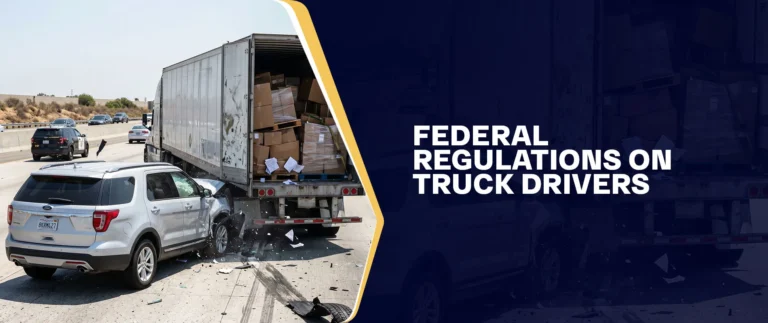
Traffic collisions are the most common type of accident in California. Cars, trucks, motorcycles, bicyclists, and pedestrians can all be involved. Determining how the crash occurred is often a key part of building a personal injury claim.
Common causes of traffic collisions include:
- Distracted driving.
- Speeding.
- Driving under the influence.
- Following too closely.
- Failure to yield the right of way.
- Running red lights or stop signs.
- Unsafe lane changes.
- Fatigued driving.
- Aggressive or reckless driving.
- Poor vehicle maintenance.
- Dangerous road conditions.
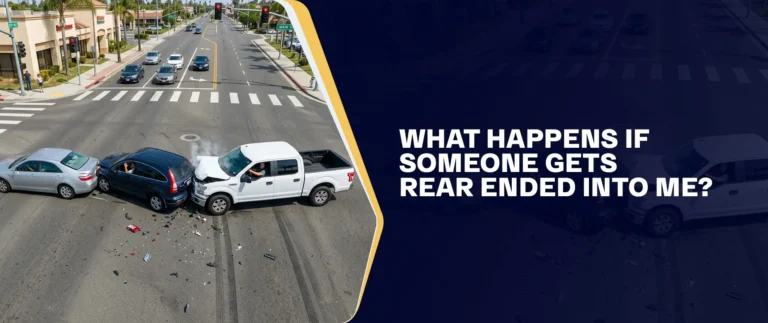
The type of crash can influence the severity of injuries and the value of a claim. Rear-end collisions are among the most common, while head-on and T-bone crashes often result in more serious injuries.
In California, speeding causes the most fatal traffic accidents. According to a Safe Transportation Research and Education Center (SafeTREC) report, it was a contributing factor in 32% of the state’s traffic-related fatalities in 2023, resulting in 1,303 deaths.
Negligence is often the basis of liability in most traffic accident cases. A driver may be considered negligent when they fail to exercise reasonable care while on the road.
It is understandable to think that you need a personal injury lawyer after a traffic accident. An attorney gathers evidence, handles communications with insurance companies, and helps protect your claim. This support lets you focus on recovering from your injuries.
Category 2: Workplace Accidents
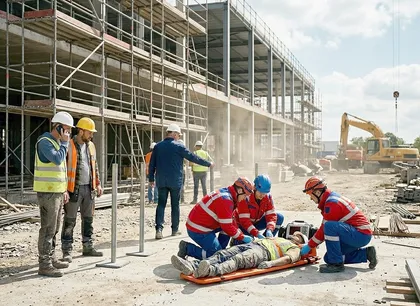
Employees who get injured on the job can generally seek workers’ compensation benefits. In some situations, they may also have personal injury claims against responsible third parties. Understanding all available options can be important when seeking compensation after a workplace injury.
Workplace accidents can happen in many places in California. These include construction sites, factories, hospitals, transportation hubs, farms, hotels, and offices. Common causes include:
- Falls from ladders, roofs, scaffolding, or elevated surfaces.
- Slips, trips, and falls on unsafe walking surfaces.
- Accidents involving machinery or equipment.
- Being struck by falling tools, materials, or objects.
- Vehicle and transportation accidents while on duty.
- Exposure to hazardous substances or chemicals.
- Electrocution and electrical accidents.
- Repetitive stress and overexertion injuries.
- Inadequate safety procedures or training.
- Defective equipment or safety gear.
Workplace injuries remain a significant concern in California. In 2024, private employers reported 344,500 nonfatal workplace injuries and illnesses, according to the U.S. Bureau of Labor Statistics (BLS).
Workers’ compensation benefits may be available regardless of who caused the accident. These benefits can help cover medical treatment and a portion of lost wages. However, they generally do not include compensation for pain and suffering or other non-economic losses.
Workers can pursue non-economic losses not covered by workers’ comp when someone other than the employer is responsible for a workplace injury. In different industries, several parties may share fault for one accident. If their actions or decisions create unsafe conditions, these parties may be liable:
- Contractors
- Subcontractors
- Property owners
- Equipment manufacturers
- Maintenance companies
In those situations, an injured worker may have the right to pursue a separate personal injury claim in addition to any workers’ compensation benefits. Workplace accident lawyers evaluate the circumstances of the incident to determine if both claims are possible.
Category 3: Home And Premises Accidents
This third category covers injuries that happen on someone else’s property. If a property owner does not keep their space safe and you get hurt, they can be liable for your losses. Accidents in homes, grocery stores, rental homes, office buildings, and other places you have a legal right to visit fall into this category.
Common hazardous conditions that may lead to premises liability claims include:
- Wet or Slippery Floors: Spills, leaks, or freshly mopped areas can create slipping hazards.
- Uneven Surfaces & Walkways: Cracked sidewalks, potholes, uneven flooring, loose carpeting, or other defects that can cause trips and falls.
- Broken or Unsafe Stairs: Missing handrails, damaged steps, poor lighting, or other stairway hazards.
- Poor Lighting: Bad lighting in hallways, staircases, parking areas, or walkways makes hazards difficult to see.
- Unsafe Property Maintenance: Debris, clutter, falling objects, or hazards caused by poor upkeep or inspections.
- Defective Equipment or Fixtures: Broken escalators, elevators, doors, gates, or other property features that create injury risks.
- Falling Objects: Merchandise, equipment, or other items that fall due to improper storage or negligent maintenance.
Dog bites also fall under this category, which may surprise many people. Under the California Civil Code, dog owners are generally strictly liable for injuries caused by dog bites. The owner can still be responsible even if the dog has never bitten anyone or shown aggressive behavior. The law applies when the bite occurs in a public place or while the injured person is lawfully on private property.
To have a valid California premises liability claim, an injured person or their accident attorney must show the following:
- A dangerous condition existed.
- The property owner or occupier knew or should have known about it.
- They didn’t take reasonable steps to fix it or warn visitors.
Evidence such as photographs, surveillance footage, incident reports, witness statements, and maintenance records can help prove whether the property owner had “notice” of the hazard.
Category 4: Sports And Recreational Accidents
Sports, gym workouts, and outdoor recreation make up the fourth type of injury claim. Pursuing these cases can be more challenging due to a legal doctrine known as “assumption of risk,” which holds that when you play a sport, you assume its inherent risks. That generally means you cannot sue for injuries that are a typical part of the game.
Common causes of sports and recreational injuries in California include:
- Defective equipment or poorly maintained equipment.
- Negligent supervision or coaching.
- Unsafe facilities or poor maintenance.
- Reckless conduct, such as intentional harm or excessive force.
When gross negligence or unsafe conditions cause an injury, fault and damages rules determine who may be responsible and what compensation may be available. Some victims seek free advice from accident lawyers to understand their legal options if their cases involve assumption of risk.
How California Law Impacts Your Accident Claim

No matter what type of accident hurt you, the same California laws control how and when you can seek money. Under the California Civil Code, every person has a basic legal duty to avoid harming others. When someone breaks that duty and injures you, you may be able to file a compensation claim.
California follows a “pure comparative fault” rule. Under this legal doctrine, you can still pursue compensation even if you were partly at fault. Your share of fault reduces any compensation you may recover. For example, if a court finds you 20% at fault, it will reduce your compensation by 20%.
Legal Deadlines Under California Law
Under California’s statute of limitations, you generally have two years from the date of your injury to file a lawsuit. If you miss that deadline, you lose the right to seek damages in court, even if the other side was clearly at fault. Nevertheless, there are still exceptions, such as:
- Delayed Discovery of Injuries: The deadline may begin when the injury is discovered or when the victim reasonably should have discovered it.
- Victims Who Are Minors: The two-year deadline does not begin until they turn 18.
If your injury involved a government agency, you have only six months to act. Within this period, you must file a notice of claim, which is a formal written notice to the agency about your injury. You can only sue the agency if it denies the claim or fails to respond to it within 45 days. In these cases, different deadlines for filing suit would apply.
Frequently Asked Questions About California Accident Claims
After a California accident, it is normal to have questions about your rights, your options, and what comes next. Legal processes can feel confusing, especially when you are dealing with pain, lost income, and insurance calls. These answers are designed to give you a clearer picture of your rights under California law.
What Is The Most Common Type Of Auto Accident?
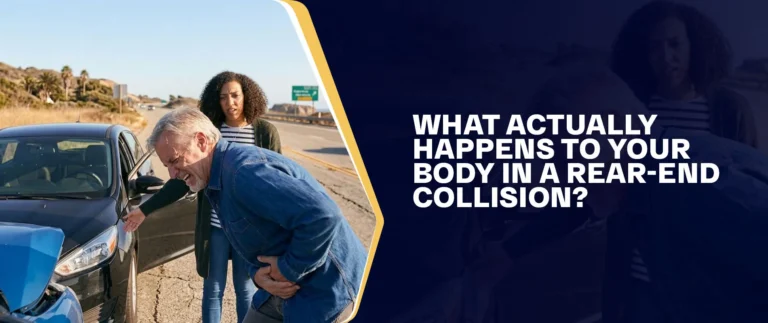
Rear-end collisions are the most common type of car accidents. They occur when a driver follows too closely or becomes distracted by a phone or navigation device. Even low-speed rear-end crashes can cause whiplash and neck and back injuries that take months to heal.
What Happens If The At-Fault Party Is Uninsured?
If the accident is a traffic collision and the at-fault driver has no insurance, your options depend on your own policy. If you purchased Uninsured Motorist (UM) coverage, it may help compensate you when the other driver cannot pay.
However, for other types of accidents, such as workplace injuries or premises liability cases, accident lawyers may help you explore legal options, including pursuing a lawsuit against the responsible party.
Can I Still Recover Damages If I Was Partially At Fault?
Yes. California follows a system called pure comparative fault, established by California courts. This means you may still be able to recover compensation, even if you were partly at fault. Your percentage of fault reduces your total payout, so the greater your share of blame, the less you receive.
Do Lawyers Only Get Paid If They Win An Accident Case?
Yes, if the accident lawyers work on a contingency fee basis. Under this arrangement, you pay nothing up front. You only pay attorney’s fees if your legal team recovers compensation for you. You can clarify the details of this fee structure during your consultation.
Do Accident Cases Usually Go To Trial?
Most accident cases settle before going to trial. A case goes to trial when the insurance company disputes who was at fault or refuses to accept the severity of the injuries. If both sides can agree on a fair number, a settlement is reached out of court, which is far more common.
What Damages Can I Claim In A California Accident Case?
If someone else is liable for your injuries, you may be able to seek compensation for the following:
- Medical Bills: Costs for emergency treatment, doctor visits, physical therapy, chiropractic care, medications, diagnostic tests, and other necessary medical services.
- Lost Wages: Income lost due to missed work, reduced earning capacity, or time needed for recovery.
- Property Damage: Costs to repair or replace damaged vehicles or personal property.
- Non-Economic Damages: Compensation for pain and suffering, emotional distress, loss of enjoyment of life, and other non-financial impacts of the injury.
Other damages may be available depending on the facts of your case.
Arash Law Protects The Rights Of California Accident Victims
Our accident lawyers at AK Law handle serious injury cases throughout California. We can review the facts, identify all responsible parties, and pursue the compensation you may be eligible for under California law.
Do not wait to protect your rights. Evidence fades, and California’s filing deadlines are strict. The longer you delay, the harder it becomes to build a strong case. Call us at (888) 488-1391 to schedule your free initial consultation.