TL;DR: Assessing a California injury claim requires information about the incident, responsibility, injuries, losses, and insurance. Reports, photos, witness accounts, medical records, and financial documents help establish these facts. You can request an assessment even with incomplete records. Filing deadlines and shared fault can affect your claim.
Information that can help assess a personal injury claim includes evidence of what happened, who may be at fault, and financial and personal losses. Incident reports, photographs, witness statements, medical records, and financial documents can help with this assessment.
You do not need every record before requesting an assessment. Bring what you have. Even partial records may help identify the responsible parties, evaluate insurance coverage, and determine which deadlines may apply. An early assessment can also determine whether further investigation or more detailed medical documentation is needed.
Table of Contents

What Information Helps Determine Whether There Might Be a Basis for a Personal Injury Claim?
Details about the incident, potential responsibility, reported injuries, and resulting losses help an attorney assess whether there might be a valid claim. Useful information includes:
- Incident Details: When, where, and how the incident occurred, including the people, businesses, or public entities involved.
- Supporting Evidence: Available reports, photographs, recordings, and witness accounts that help explain what happened.
- Medical Information: Reported symptoms, when they began, treatment received, and any relevant medical history or clinical findings.
- Documented Losses: Medical expenses, missed income, other injury-related costs, and changes in daily activities.
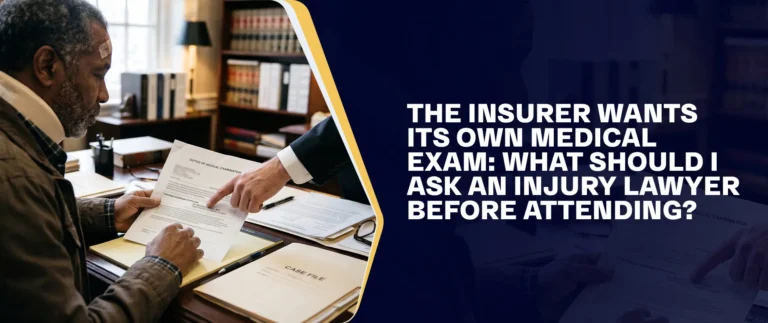
- Insurance and Claim Documents: Available insurance policies, claim numbers, adjuster correspondence, denial letters, settlement offers, and any releases you signed.
The available information must connect another party’s legal responsibility to an injury and resulting harm. For a California personal injury claim based on negligence, attorneys generally assess four elements:
- Duty of Care: Did the other party owe you a legal duty to act with reasonable care? Their role and relationship to the incident help answer this question.
- Breach of Duty: What did that party do or fail to do? Evidence might show distracted driving, unsafe equipment operation, or an unaddressed property hazard.
- Causation: Was the negligent conduct a substantial factor in causing your injury? It need not be the only cause, but a remote or trivial connection is insufficient.
- Damages: What harm resulted? Medical expenses, lost income, physical pain, and limitations on daily activities may help establish the consequences.
California Civil Code § 1714 provides the general foundation for responsibility arising from a failure to exercise ordinary care. Other claim types may involve different legal requirements.
An initial assessment may identify evidence supporting some elements while leaving others unresolved. A personal injury lawyer can review the available information to assess whether a potential claim calls for further investigation.
Key Facts About California Injury Claim Assessment
- Responsibility for the injury: California Civil Code § 1714 generally holds people responsible for injuries caused by their failure to exercise ordinary care.
- Losses connected to the incident: California Civil Code § 3333 generally permits compensation for harm proximately caused by another party’s wrongful conduct.
- Time to file a lawsuit: California Code of Civil Procedure § 335.1 generally allows two years from the date of injury to file a personal injury lawsuit.
- Claims involving public entities: Government Code § 911.2 generally requires that a government claim be filed within six months, usually from the date of the injury.
- California’s comparative fault rule: Partial responsibility does not automatically bar recovery; it only reduces recoverable damages in proportion to the share of fault.
What Evidence Shows What Happened And Who May Be Liable?
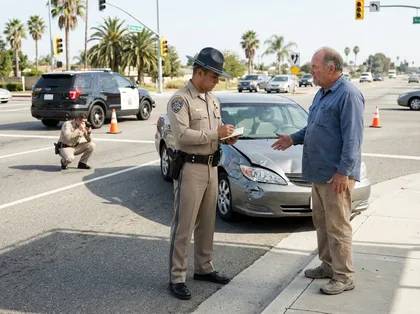
Reports, recordings, witness accounts, and ownership or safety records help establish what happened and who may bear responsibility. Comparing these sources can clarify each party’s actions, conditions at the scene, and conflicting descriptions of the incident.
Useful evidence may include:
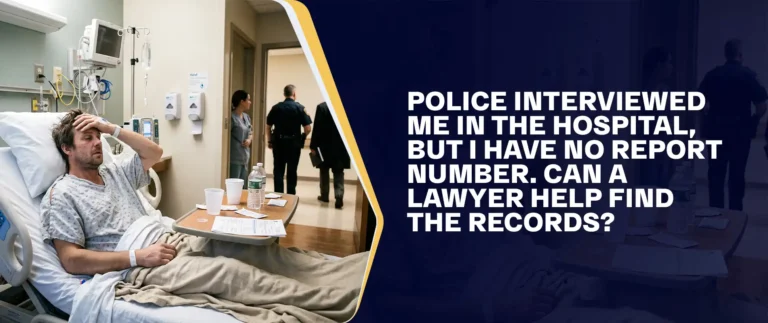
- Police and Incident Reports: Police reports, employer incident records, and business accident reports may identify involved parties, witnesses, and reported conditions. Available Cal/OSHA investigation records may provide additional information about workplace hazards.
- Photographs and Physical Evidence: Images of the scene, hazards, property damage, and surrounding conditions can help explain the incident. Damaged clothing, broken equipment, or a product involved in the injury may provide details about the cause of the harm.
- Surveillance and Dashcam Footage: Business, doorbell, workplace, or vehicle recordings may capture a fall, equipment failure, collision, or other event. The recording’s location, owner, date, and approximate time help identify footage to request.
- Witness Accounts: Names, contact information, and descriptions of firsthand observations help clarify what happened. Witnesses may also describe conditions before the incident, including how a hazard developed or how long it existed.
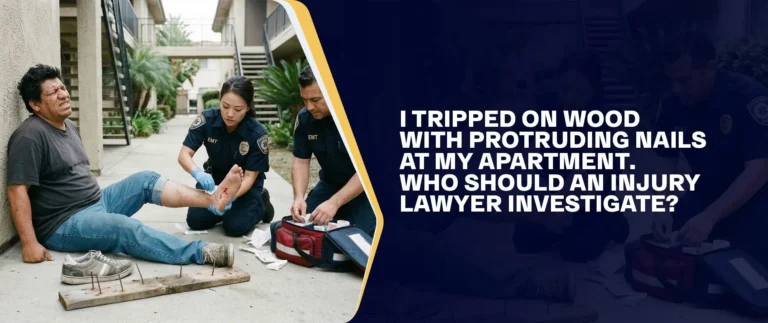
- Ownership and Safety Records: Property records and contracts may identify who owned, maintained, or controlled a location or equipment. Inspection logs, repair records, and prior complaints may help establish notice of a hazard.
- Insurance Coverage Details: Auto policy declaration pages, commercial liability policies, health insurance information, or uninsured/underinsured motorist (UM/UIM) coverage limits help an attorney determine who will actually pay for the losses and whether available policy limits are sufficient to cover the full extent of your damages.
Preserve available evidence promptly. Businesses may overwrite recordings, and repairs may change physical evidence long before the lawsuit deadline. Keep original photographs, recordings, messages, and relevant objects. Tell your attorney who controls evidence you cannot access so they can consider preservation requests.
What Records Help Document Injury-Related Losses?
Medical billing, employment records, receipts, and descriptions of daily limitations help document the financial and personal effects of an injury. California Civil Code § 3333 generally permits compensation for harm proximately caused by wrongful conduct.
Useful documentation includes:
- Medical Expenses: Itemized bills, payment histories, insurance explanations of benefits, and outstanding balances help clarify treatment charges and amounts paid or owed.
- Lost Income: Pay stubs, employer statements, attendance records, and relevant tax documents help establish missed earnings. Work restrictions help connect absences to the injury.
- Other Expenses: Receipts for medication, treatment-related transportation, and necessary assistance help identify additional costs associated with the injury.
- Daily Effects: Dated notes describing pain, sleep disruption, and difficulty with ordinary activities help explain losses that bills cannot capture.
- Future Losses: Treatment recommendations, medical opinions, and employment information may help assess anticipated care costs or reduced earning capacity.
California courts identify medical bills, doctors’ reports, work-related medical notes, and income records as evidence supporting claimed losses.
The amount billed does not automatically equal recoverable medical expenses. Under Howell v. Hamilton Meats & Provisions, Inc. (2011), contractual write-offs under insurer-provider agreements generally are not recoverable as past medical expenses. Billing and payment records help identify those adjustments.
What If My Injuries Have Not Been Medically Confirmed?
You can seek an initial claim assessment without a confirmed diagnosis. Describe your symptoms accurately and provide available treatment records. Medical evaluation helps clarify the condition, while the broader evidence helps assess its connection to the incident.
For example, you may experience pain or stiffness after a fall, lifting incident, or collision without knowing whether you have a soft-tissue injury. A clinician can evaluate whether those symptoms indicate a strain, sprain, or another condition.
Useful information includes:
- Symptom Timeline: Record when pain, stiffness, swelling, or other symptoms began and how they changed after the incident.
- Examination and Treatment Records: Provide available clinical findings, treatment recommendations, follow-up notes, and diagnostic test results.
- Relevant Medical History: Identify earlier symptoms, injuries, or treatment involving the same area to help distinguish existing problems from reported changes.
- Functional Changes: Describe activities that became difficult, including lifting, walking, sleeping, or performing specific job duties.
These details help distinguish reported symptoms from a clinician’s diagnosis. A symptom timeline can inform the assessment, but timing alone does not establish causation.
How Deadlines and Shared Fault Affect Claim Assessment
Filing deadlines and shared responsibility can affect whether a California personal injury claim can move forward and how much compensation may be available. An attorney reviews when the injury occurred, whether special filing requirements apply, and whether the injured person contributed to the accident.
- Standard Personal Injury Deadline: Under California Code of Civil Procedure (CCP) § 335.1, injured people generally have two years from the date of injury to file a lawsuit.
- Minor Tolling: Under CCP § 352, the filing deadline for many personal injury lawsuits may be paused while the injured person is under 18. However, government claims, medical malpractice cases, and certain other claims follow different rules.
- Government Entity Deadline: Under Government Code § 911.2, injury claims against public entities generally require a written government claim within six months of the accident or injury.
- Deadline After Government Claim Rejection: Under Government Code § 945.6, a claimant generally has six months from the date a legally compliant written rejection notice is personally delivered or deposited in the mail to file a lawsuit. If the public entity does not provide such notice, the deadline is generally two years from when the claim arose, subject to exceptions.
- Pure Comparative Fault: Under California’s rule established in Li v. Yellow Cab Co., an injured person may still recover compensation even if they were partly responsible for the accident. However, their compensation is reduced by their percentage of fault. For example, someone found 25% responsible may recover 75% of their proven damages.
These rules help attorneys assess whether a potential claim is timely and how shared responsibility could affect its value.
Arash Law is ready to evaluate your claim and manage California’s filing deadlines. We can investigate the incident, preserve relevant evidence, identify potentially responsible parties, and document your losses.
Our firm handles personal injury cases on a contingency fee basis, which means you owe no legal fees unless we win or settle your case. Call (888) 488-1391 to schedule a free evaluation.
Frequently Asked Questions About Assessing Personal Injury Claims in California
When Is the Right Time to Settle My California Injury Claim?
The right time to settle depends on the severity of your injuries, your recovery progress, and the estimated cost of future medical care. Attorneys often recommend waiting until you reach Maximum Medical Improvement (MMI), when your condition has stabilized enough for doctors to assess your long-term needs.
However, California law does not require you to reach MMI before settling. An earlier settlement may be appropriate when the available evidence supports a reasonable assessment of future losses. Before accepting an offer, make sure you have considered all of your losses — present and future.
How Do Gaps in Medical Treatment Affect an Injury Assessment?
Gaps in medical treatment may raise questions about the severity, duration, or cause of reported injuries. Missed appointments or extended periods without care can make it harder to document symptoms and recovery progress.
Still, a treatment gap does not automatically invalidate a claim. Financial difficulties, transportation problems, or work obligations may explain interruptions in care. Documenting these circumstances can help attorneys present a more complete medical history.
What If I Was Injured at Work?
Report your injury to your employer in writing as soon as possible, generally within 30 days. You generally have one year from the date of your injury to file a workers’ compensation claim.
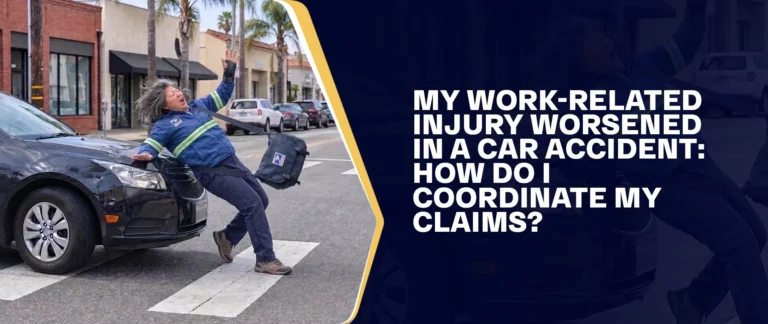
If someone other than your employer helped cause your injury, such as a negligent driver, a contractor, or an equipment manufacturer, you may also have a separate personal injury claim against them. That claim generally must be filed within two years of your injury.
Does My Social Media Activity Affect My Injury Claim?
Yes. Social media posts may affect your personal injury claim if they appear inconsistent with your reported symptoms or physical limitations. Insurance adjusters and defense attorneys may review photographs, videos, comments, and other online activity when evaluating a claim.
Consider limiting posts about your injuries, physical activities, or recovery while your claim is pending. Keep in mind that private posts may still become relevant evidence, and you should not delete potentially relevant content without consulting your attorney.
What If I Had a Pre-Existing Medical Condition Before the Accident?
You may still have a valid personal injury claim if an accident worsened a pre-existing medical condition. Under California law, a negligent party may be responsible for aggravating an existing injury or condition, but not for harm unrelated to the accident.
Medical records from before and after the incident can help establish changes in symptoms, treatment needs, and physical limitations. An accident attorney can review this information to assess whether the accident caused additional harm.
How Does the Insurance Company Evaluate Pain and Suffering?
Insurance companies generally assess pain and suffering by reviewing the reported injury, medical evidence, recovery period, and effects on daily life. Relevant information may include physical limitations, emotional distress, sleep disruption, and changes in usual activities.
California law does not establish a fixed formula for calculating pain and suffering. The value of these damages depends on the available evidence and the circumstances of each claim.
How Long Does a Personal Injury Claim Take to Resolve in California?
A California personal injury claim may resolve within a few months or take several years, depending on its complexity. Cases involving clear liability and a relatively straightforward recovery may settle sooner than those involving serious injuries, disputed responsibility, or multiple parties.
Claims that proceed to litigation or trial may take longer because of court schedules and legal procedures. An attorney can assess the available evidence and provide a more specific estimate based on the circumstances of your case.
Arash Law Injury Case Results
The following case results from Arash Law illustrate how incident reports, medical records, and case investigations can help support personal injury claims.
$17,900,000 — Government Entity Liability: A collision involving the County of Los Angeles injured two clients. One client had a sprained knee that required physical therapy, while the other suffered a fractured tibia and a mild but irreversible brain injury.
$12,000,000 — Pedestrian Accident Settlement: A vehicle struck a 74-year-old pedestrian while she was crossing the street, causing severe injuries that required extensive medical care. The case settled as jury selection was about to begin.
Past results do not guarantee future outcomes. Every case is different, and results depend on the specific facts and evidence involved.
Find Out Whether You Have Grounds for a Personal Injury Claim
Not sure whether you have a valid personal injury claim? Arash Law can review the circumstances of your accident, available evidence, reported injuries, and potential losses in a free case evaluation.
Our attorneys can investigate liability, gather medical records, preserve relevant evidence, and handle communications with insurance companies. That way, you can focus on your recovery.
We also work on a contingency fee basis, meaning you pay no legal fees unless we win or settle your case.
Arash Law has recovered over $1 billion for injured clients. Call (888) 488-1391 today for a free initial consultation. Our team is available 24/7.
Sources
- California Legislature. California Civil Code § 1714, Responsibility for Negligent Conduct. https://leginfo.legislature.ca.gov/faces/codes_displaySection.xhtml?lawCode=CIV§ionNum=1714.
- California Legislature. California Civil Code § 3333, Damages for Harm Caused by Wrongful Conduct. https://leginfo.legislature.ca.gov/faces/codes_displaySection.xhtml?lawCode=CIV§ionNum=3333.
- California Legislature. California Code of Civil Procedure § 335.1, Personal Injury Filing Deadline. https://leginfo.legislature.ca.gov/faces/codes_displaySection.xhtml?lawCode=CCP§ionNum=335.1.
- California Legislature. California Code of Civil Procedure § 352, Tolling for Minors and Certain Other Claimants. https://leginfo.legislature.ca.gov/faces/codes_displaySection.xhtml?lawCode=CCP§ionNum=352.
- California Legislature. California Government Code § 911.2, Government Claim Presentation Deadlines. https://leginfo.legislature.ca.gov/faces/codes_displaySection.xhtml?lawCode=GOV§ionNum=911.2.
- California Legislature. California Government Code § 945.6, Lawsuit Deadlines for Claims Against Public Entities. https://leginfo.legislature.ca.gov/faces/codes_displaySection.xhtml?lawCode=GOV§ionNum=945.6.
- California Legislature. California Labor Code § 5400, Written Notice of Injury to Employer. https://leginfo.legislature.ca.gov/faces/codes_displaySection.xhtml?lawCode=LAB§ionNum=5400
- California Legislature. California Labor Code § 5405, One-Year Limitation for Workers’ Compensation Claims. https://leginfo.legislature.ca.gov/faces/codes_displaySection.xhtml?lawCode=LAB§ionNum=5405
- Li v. Yellow Cab Co. (1975) 13 Cal.3d 804. Pure Comparative Negligence. https://scocal.stanford.edu/opinion/li-v-yellow-cab-co-27850/
- Judicial Council of California. California Civil Jury Instructions (CACI), 2026 Edition, Negligence, Comparative Fault, Causation, Damages, and Pre-Existing Conditions. https://courts.ca.gov/partners/california-jury-instructions/civil-jury-instructions-resource-center/civil-jury-instructions
- California Courts, Self-Help Guide. Before You Sue Someone, Evaluating a Case and Gathering Supporting Evidence. https://selfhelp.courts.ca.gov/civil-lawsuit/before-sue
- National Institute of Arthritis and Musculoskeletal and Skin Diseases. Sports Injuries: Diagnosis, Treatment, and Steps to Take, Medical History and Physical Examination. https://www.niams.nih.gov/health-topics/sports-injuries/diagnosis-treatment-and-steps-to-take
- California Department of Industrial Relations. Access to Public Records, Requesting Available Workplace Investigation Records. https://www.dir.ca.gov/pra_request.html
- Supreme Court of California. Howell v. Hamilton Meats & Provisions, Inc. (2011) 52 Cal.4th 541, Recoverable Medical Expenses and Insurer-Negotiated Write-Offs. https://supreme.courts.ca.gov/case/s179115-howell-v-hamilton-meats-provisions
Legal Disclaimer
Past results do not guarantee future outcomes. Every case is different. The information on this page is for general educational purposes and does not constitute legal advice. Reading or relying on this content does not create an attorney-client relationship. If you were injured, consult a licensed California personal injury attorney about your specific situation.