TL;DR: The difference between a slip-and-fall and a trip-and-fall is the cause, as slips involve traction loss and trips involve hazards. This matters because liability, evidence, and notice depend on the hazard, and delays can result in lost evidence or missed filing deadlines.
Highlights:
- Write down whether you lost traction or struck an object.
- Photograph the exact hazard, plus any missing warning signs.
- Ask for any video before it is overwritten or deleted.
- Request relevant logs – cleaning, spill response, inspection, and maintenance records.
- Get names and contact details for witnesses who saw the hazard.
- Seek medical care and keep records linking injuries to the fall.
- Track deadlines – most California premises claims must be filed within two years.
Tip: When describing what happened to insurers or staff, stick to observable facts (surface condition, location, footwear, lighting) and avoid guessing about causes.
Table of Contents
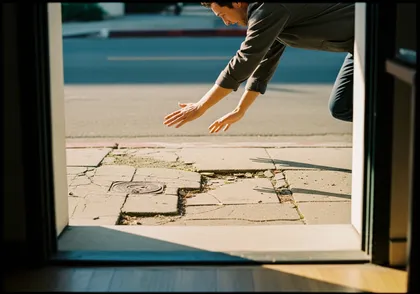
The difference between a slip-and-fall and a trip-and-fall is the cause of the fall. A slip-and-fall occurs when someone loses traction on a slick surface, such as slipping on a wet grocery store floor. A trip-and-fall occurs when someone strikes an object or an uneven surface, such as tripping over a cracked sidewalk or a raised pavement. Put simply, a slip involves losing grip on the ground, while a trip involves hitting something that interrupts your step.
In California, this distinction matters because it affects how a premises liability claim is investigated and proven. Although both types of accidents fall under California premises liability law, the specific hazard involved influences fault, evidence, and liability analysis.
Correctly identifying whether you slipped or tripped helps clarify what caused the accident and what proof is needed to support a claim.
How California Law Distinguishes Slip-And-Fall And Trip-And-Fall Accidents
California law does not treat slip-and-fall and trip-and-fall accidents as interchangeable. Courts and insurance companies focus on what caused the fall.
Both types of accidents fall under California premises liability law and California Civil Jury Instructions CACI 1000. However, identifying whether the fall resulted from a slippery condition or a surface defect helps determine:
- Whether the property owner had notice of the hazard
- What safety measures were required
- What evidence best supports the claim
Comparing The Causes Of Slip-And-Fall And Trip-And-Fall Accidents
The key difference between slip-and-fall and trip-and-fall accidents lies in the type of hazard that caused the fall. Understanding this distinction helps explain why these cases are investigated and evaluated differently under California premises liability law.
| Type of Accident | Primary Cause | Typical Hazard Characteristics |
| Slip-And-Fall | Loss of traction | Slick, wet, greasy, icy, or smooth surfaces |
| Trip-And-Fall | Contact with a hazard | Objects, cracks, raised pavement, clutter, or elevation changes |
Slip-and-fall accidents usually involve temporary or changing conditions, such as spills or weather-related moisture. Trip-and-fall accidents are more often caused by fixed or slowly developing hazards, such as broken sidewalks or uneven flooring. Identifying the type of hazard involved helps focus the claim on the condition that actually caused the fall.
How Evidence Differs Between Slip-And-Fall And Trip-And-Fall Claims
The type of hazard involved determines what evidence matters most in a fall-related claim. Slip-and-fall cases focus on proving a slippery condition existed at the time of the accident. In contrast, trip-and-fall cases focus on showing that a surface defect or obstruction existed and was not properly addressed.
| Evidence Focus | Slip-And-Fall | Trip-And-Fall |
| Photos | Slippery surfaces, lack of warning signs | Cracks, uneven pavement, obstructions |
| Records | Cleaning logs, spill response procedures | Maintenance logs, inspection reports |
| Timing | Shows how long the slippery condition existed | Shows how long the defect was ignored |
| Video | Confirms presence of liquid or loss of traction | Shows defect location and foot contact |
In both types of cases, medical records and witness statements help link the hazard to the injuries. Preserving the right evidence early can make a significant difference in determining liability.
Comparing Common Injuries From Slip-And-Fall And Trip-And-Fall Accidents
Injuries vary based on how the fall unfolds and what the person strikes. No specific injury defines either type of accident, but certain patterns appear more often.
| Injury Consideration | Slip-And-Fall | Trip-And-Fall |
| Common impact areas | Back, spine, head, hips | Wrists, arms, face, ankles |
| Reason | Sudden traction loss | Attempt to regain balance or break the fall |
| Severity | Ranges from minor to catastrophic | Ranges from minor to catastrophic |
Courts do not require a specific injury pattern to classify the accident. The classification depends on the hazard, not the injury.
How Liability Is Evaluated In Slip-And-Fall Versus Trip-And-Fall Cases
The legal duty is the same in both cases. Property owners must keep their premises reasonably safe and address known hazards.
The analysis differs based on the hazard involved:
- Slip-And-Fall Liability — Focuses on spill response, warning signs, floor maintenance, and weather precautions.
- Trip-And-Fall Liability — Focuses on repair history, inspection practices, and whether the defect existed long enough to require correction.
In both cases, liability often depends on whether the owner knew or should have known about the hazard and failed to act.
Does The Difference Change A Premises Liability Claim?
Yes. While both slip-and-fall and trip-and-fall cases fall under California premises liability law, the cause of the fall affects how the claim is investigated and proven. It determines what evidence is required, how notice is evaluated, and which safety failures are examined. Misidentifying the cause can shift focus away from the actual hazard and weaken the claim.
Why Proper Classification Matters For A Premises Liability Claim
Correctly identifying whether an accident was a slip or a trip helps:
- Identify the responsible party.
- Focus the investigation on the correct hazard.
- Request the correct records and documents.
- Strengthen the causation between the danger and the injuries.
Misclassifying the cause can lead to pursuing the wrong records, inspections, or witness evidence.
Shared Legal Rules That Apply To Both Types Of Falls
Many people wonder whether slip-and-fall cases are difficult to prove, especially when evidence disappears quickly, raising the question: “Are slip-and-fall cases hard to win under California law?”
Some rules apply regardless of whether the accident involved a slip or a trip. Understanding these shared legal standards helps injured individuals evaluate how California premises liability law applies to their situation. Arash Law regularly reviews these rules when assessing fall-related injury claims and explaining potential legal options to clients.
- Comparative Negligence — California follows a pure comparative negligence system. If an injured person shares fault, their compensation may be reduced but not eliminated.
- Statute of Limitations — Most premises liability claims must be filed within two years of the injury. Shorter deadlines apply to claims involving public entities.
- Potentially Liable Parties — Depending on who has control of the property, responsible parties may include:
- Property owners
- Tenants or occupiers
- Property management companies
- Contractors or vendors
Frequently Asked Questions About Slip-And-Fall And Trip-And-Fall Claims
Slip-and-fall and trip-and-fall accidents often raise similar legal questions, especially about liability, evidence, and compensation. Many people search for free accident lawyer advice at this stage to better understand how California premises liability law applies to their situation. The answers below address common concerns and explain how these claims are typically evaluated.
Does It Matter Whether I Slipped Or Tripped?
Yes. The cause of the fall determines what evidence is needed and how liability is evaluated, even though both claims fall under premises liability law. Slip-and-fall cases focus on proving a slippery condition existed at the time of the accident. Trip-and-fall cases concentrate on proving that an object, a surface defect, or an elevation change caused the fall. Correctly identifying the cause helps determine what records, photos, and testimony are most important to the claim.
Can Both Types Of Falls Happen In The Same Place?
Yes. A single location can have both slippery conditions and tripping hazards at the same time. For example, a wet floor may exist near uneven pavement or cluttered walkways. Each hazard is evaluated separately based on its contribution to the fall. Identifying the specific cause helps focus the claim on the condition that actually caused the injury.
What Damages Are Available In Fall-Related Claims?
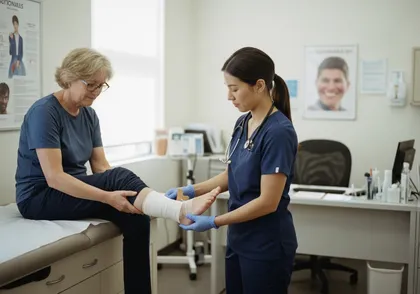
In both slip-and-fall and trip-and-fall cases, injured individuals may seek:
- Economic damages
- Medical expenses
- Lost income
- Ongoing care needs
- Non-economic damages
- Pain and suffering
- Emotional distress
- Loss of consortium
Punitive damages are rare and require clear and convincing evidence of malice, fraud, or oppression under California Civil Code section 3294.
Do Lawyers Only Get Paid If They Win A Slip-And-Fall Or Trip-And-Fall Case?
Many California slip-and-fall lawyers work on a contingency fee basis. This means the attorney’s fee is typically paid only if compensation is recovered through a settlement or court award. At Arash Law, attorneys explain the contingency fee arrangement and how fees are handled before representation begins. The exact terms depend on the specific agreement and the facts of the case.
Get Guidance On A Slip-And-Fall Or Trip-And-Fall Claim
After a serious fall, it is common for injured individuals to think, “I need a personal injury lawyer,” particularly when the cause of the accident is unclear or when evidence needs to be preserved.
Slip-and-fall and trip-and-fall accidents involve different types of hazards, which can affect how fault, evidence, and liability are evaluated. A slip involves loss of traction, while a trip involves contact with an object or surface defect. Correctly identifying the cause of the fall is essential to how a California premises liability claim is handled.
If you were injured on someone else’s property and have questions about how these rules apply to your situation, AK Law can help explain your options under California law. You can contact us at (888) 488-1391 to discuss the facts of your accident and understand the next steps in the claims process.