TL;DR: Rear-end collisions on freeways are common because high speeds, heavy traffic, and tailgating leave drivers little time to stop when traffic suddenly slows. Rear drivers are usually at fault, and injured drivers or passengers can face ER bills, surgery, rehab, and lost wages if insurance disputes blame.
Highlights:
- Calendar the two-year California injury filing deadline, and ask about shorter government deadlines.
- Request your CHP crash report online using the date, location, and report number.
- Review your policy for Uninsured Motorist coverage if the other driver lacks insurance.
- Hold off on giving the other insurer a recorded statement until you get advice.
- Write down details that can affect fault, like lane changes or broken brake lights.
- If it was a pileup, note each impact and which vehicle pushed you forward.
- Factor in comparative negligence – shared fault can reduce recovery, not bar it.
Tip: Preserve evidence early (photos, dashcam footage, and claim communications) and stick to facts instead of guessing about speed, distance, or timing.
Table of Contents
Rear-end collisions commonly occur on freeways because high speeds, heavy traffic, and sudden braking leave drivers with very little time to stop. A glance at a phone, a short delay in braking, or a moment of fatigue can cause a serious crash when traffic stops without warning. Heavy traffic, tailgating, and long stretches of freeway driving make these crashes even more likely.
Why Freeway Driving Increases Rear-End Crash Risks
Freeway driving increases rear-end crash risk because vehicles travel faster and stay closer together than on most local roads. Many California highways have speed limits around 65 mph, and some posted limits may be higher.
At those speeds, drivers need much more time and distance to stop safely.
Several freeway conditions make rear-end crashes more likely:
- Higher Speeds: A driver may need about a second or more to recognize danger and hit the brakes. At 55 mph, a passenger car may still need hundreds of feet to stop, depending on speed, tire condition, brake condition, road conditions, and driver reaction time. Larger vehicles can take even longer. This risk increases when commercial vehicles are involved, which helps explain why big rig trucks often get rear-ended despite their size and visibility.
- Sudden Traffic Slowdowns: Traffic can come to a sudden halt even when no driver makes an obvious mistake. Researchers sometimes call this a phantom traffic jam or “jamiton.” It can start when one driver lightly taps the brakes. Each driver behind reacts a little harder, and the slowdown moves backward until traffic comes to a sudden stop.
- Heavy Traffic: California freeways often pack cars close together at high speeds. When traffic suddenly slows, drivers may have almost no room to react.
Speed, traffic density, and short following distances create the danger. Driver choices often determine whether that danger turns into a crash.
Driver Behavior That Can Cause Rear-End Crashes On Freeways
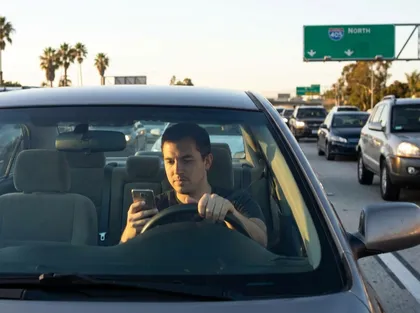
When a driver tailgates, checks their phone, or zones out behind the wheel, the risk of a crash increases. On freeways, high speeds heighten this risk. Driving on a freeway itself does not result in a rear-end crash; unsafe driver behavior does.
Careless driver behavior that can lead to rear-end collisions includes the following:
- Tailgating: Following too closely is one of the top causes of rear-end collisions. The California Vehicle Code requires drivers to maintain a safe following distance from the vehicle ahead.
- Speeding for Conditions: Driving too fast for the current road and weather conditions is illegal. Even when a driver stays under the posted speed limit, crashes can still occur during rush hour, in fog, or in heavy rain.
- Distracted Driving: Looking at a phone, adjusting the radio, or eating behind the wheel takes a driver’s eyes and focus off the road. Even a split second of distraction on freeways can significantly affect your reaction time to sudden changes.
- Driver Fatigue & Highway Hypnosis: Long California freeways like the 99 or 101 can trigger highway hypnosis. On long drives, a driver can keep moving but still fail to notice what is happening on the road ahead. Fatigued drivers react much more slowly, and that delay turns a near-miss into a collision.
These errors are why rear drivers are typically held responsible in freeway traffic accidents.
Who Is At Fault When You Get Rear-Ended On The Freeway?
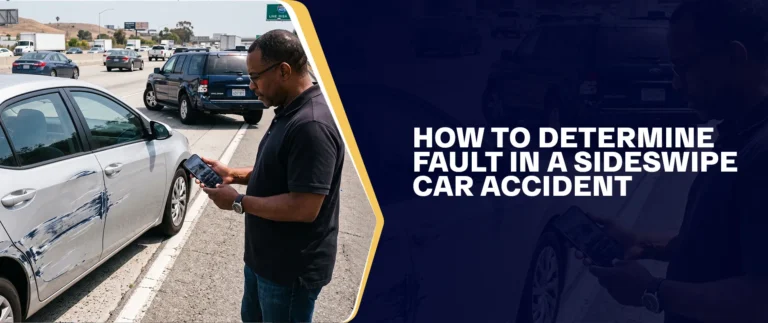
The driver who hits you from behind is almost always at fault under California law. The driver who hits you from behind is usually at fault under California law. Drivers must leave enough space to stop safely if traffic ahead slows or stops.
However, fault is not automatic in every case. The front driver may share fault if they contributed to the crash. For example, fault may become more complicated if:
- The front vehicle has broken headlights.
- The driver in the front left made an unsafe lane change.
- The front driver intentionally brake-checked another vehicle.
- Several vehicles were involved in a chain-reaction crash.
California follows a pure comparative negligence rule. This means you can still pursue compensation even if you were partly at fault. However, your percentage of fault can reduce the amount you may recover.
For example, if your broken brake lights contributed to the crash, the insurance company may argue that you share some blame. Your share of fault would reduce your potential recovery, but it would not automatically prevent you from seeking compensation.
This rule matters even more in a multi-car pileup. An attorney or insurer must examine each driver’s actions separately when one car pushes another car into a third vehicle. One speeding driver may start the chain reaction, or several drivers may share fault based on their speed, following distance, and reaction time.
Knowing who is at fault helps determine what evidence matters. It also prepares you for the questions the insurance company may ask when you file your claim.
Frequently Asked Questions About Freeway Rear-End Accidents
A freeway rear-end crash can leave you with more questions than answers. The legal process can be confusing, especially when you are in pain and missing work. Many crash victims seek free advice from rear-end accident lawyers to ask questions such as which deadlines apply, what to do about insurance, and who is responsible for the crash. The following sections address those questions.
What Is The Deadline To File A California Injury Claim?
California law gives you two years from the accident date to file a personal injury lawsuit. The deadline may be shorter if a government vehicle or a hazard on a government-maintained road caused or contributed to the accident. If you miss this deadline, you may lose the right to seek compensation through the courts.
How Do I Get My CHP Crash Report After A Freeway Accident?
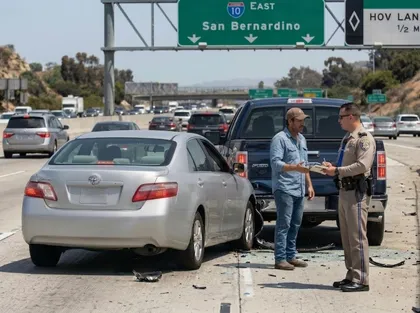
You can ask for a copy of your California Highway Patrol (CHP) crash report through their crash report request portal. Another option is visiting a local CHP office in person. You will need the date, location, and report number to request a copy.
What If The Driver Who Rear-Ended Me Does Not Have Insurance?
You may be able to file a claim through your own Uninsured Motorist (UM) coverage. This is coverage you purchase as part of your auto policy, and it is designed exactly for this situation. Your UM coverage may also apply in hit-and-run cases. Check your policy or ask your insurance agent to confirm your coverage limits.
Should I Talk To The At-Fault Driver’s Insurance Company?
You don’t have to. You are also not obligated to give a recorded statement to the other driver’s insurance adjuster. Consider talking to a lawyer first to avoid giving answers that insurers can use to reduce or deny your claim.
Can I Be Blamed If I Had To Slam On My Brakes For Traffic?
If you stopped for an emergency or a valid traffic reason, the driver behind you is typically the one responsible for the crash. However, intentionally slamming your brakes, or “brake checking,” is illegal in California. To determine fault, courts and insurers often look at each party’s actions before the crash. If you share some fault, it may reduce your recovery.
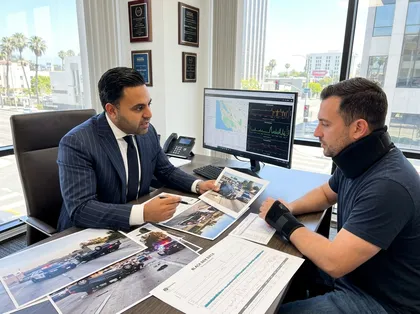
Do Lawyers Only Get Paid If They Win?
Personal injury attorneys who work on a contingency fee basis only get paid if they recover compensation for you. They only get a percentage of your recovery and don’t charge up front. This arrangement allows injured victims to get representation without paying in advance.
Get Legal Support From Arash Law After A Rear-End Collision
A rear-end accident can leave you feeling overwhelmed and confused about what to do next. It can involve multiple vehicles and insurance companies. Other parties may also dispute fault and question the severity of your injuries. These complications can lead you to realize, “I need a personal injury lawyer to help me.”
When you are ready to understand your options, our attorneys are here to help. Talk to our team about what happened, the injuries you got, and the losses you faced.
Our legal team has handled freeway accident cases across California for decades. We understand how these crashes unfold, how insurers respond, and what it takes to build a case that reflects the full impact of your injuries.
Talk to our rear-end accident lawyers to understand your options. Call (888) 488-1391 today to schedule your free consultation with AK Law.