TL;DR: Red-light cameras reduce red-light crashes and injuries by deterring drivers from running lights, which lowers right-angle and front-into-side collisions that often harm drivers and passengers. Injury crashes drop by 13% to 29% after installation, and accidents rise when programs end, showing enforcement affects safety at busy intersections.
Highlights:
- Confirm whether the driver entered after red or rolled a right-on-red stop.
- If camera-ticketed, check whether your state presumes the owner was driving.
- Request and review the camera images before paying or contesting.
- Appeal if warning signs were missing, an emergency vehicle forced entry, or theft.
- Document medical bills and other losses so damages include future needs.
- Route insurer communications through counsel to avoid undervalued settlements.
- Follow procedure and evidence rules so your claim is not dismissed technically.
Tip: Preserve evidence early – save ticket notices, photos, and a written timeline, and stick to facts when describing what happened.
Table of Contents
An Estimated 143,000 People Were Injured In Red Light-Running Crashes In 2019
It may not seem like a big deal, but the consequences can be significant when a driver runs a red light. Drivers running red lights and causing traffic accidents have been a problem for as long as cars have been on the road. Drivers can avoid red-light crashes if they follow the rules of the road.
Drivers are more likely to obey traffic rules if they know there is a good chance of getting caught if they violate them. The knowledge that they are being monitored can decrease the chances that drivers will break the law while on the road. Many of us have seen a police car following closely behind.
We slow down and refrain from using our phones. But what happens when there are fewer police officers on the road? Not every intersection has a police officer monitoring it. As law enforcement began to rely on technology to monitor safety concerns on America’s roads, red-light traffic cameras were developed.
Many cities across the country started using red-light traffic cameras, hoping to reduce the number of deadly crashes. The cities that used the cameras found some success, but not without public pushback about privacy concerns. Despite public debate and privacy concerns, proponents argue that red-light cameras make roads safer.
If you suffered an injury in a traffic accident, car accident attorneys at Arash Law can help you understand your rights and legal options for seeking compensation. We work to hold negligent drivers accountable for the injuries and other losses you may have suffered. Our accident lawyers have represented injured victims in cases involving running a red light and other traffic violations. Call us at (888) 488-1391 to schedule a free initial consultation.
Continue reading to learn more about red lights, red-light accidents, and how red-light cameras made roads safer.
What Is Running A Red Light?
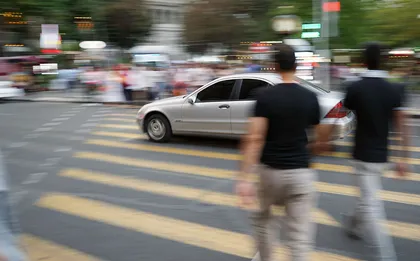
If a driver enters an intersection with a traffic light after the light turns red, the driver runs the red light. An accident can happen if a driver runs a red light, especially if they are speeding. There are some situations when a driver does not have to enter the intersection after the traffic light turns red to commit a traffic violation.
If a driver attempts to make a right turn on a red light but does not come to a complete stop before proceeding, they have violated traffic rules. You may have seen drivers in the intersection after the light turns red. They may be waiting to make a left-hand turn. In that circumstance, those drivers are not running a red light. Most states will not issue a citation for a driver who is making a left turn after the light turns red.
Who Runs Red Lights?
Any driver can run a red light. Unfortunately, running red lights is a common occurrence on roads, regardless of whether the road is busy or not. Studies show that traffic cameras have decreased the likelihood of a driver running a red light, but it is still a significant problem. The statistics on drivers who run red lights are as follows:
- The AAA Foundation for Traffic Safety reported that in recent years, more than 86 percent of drivers thought that running a red light was dangerous. Despite recognizing the danger of running a red light, 31 percent of respondents reported having done so in the previous month.
- Recent data has shown that in previous years, red light crashes that ended in death usually involved young and male drivers. These drivers also tended to have at least one conviction for driving under the influence of alcohol on their record.
- Red light crashes often involved drivers who were speeding before the impact. Drivers with a history of breaking the speed limit are more likely to run red lights. It is harder to stop a car that is moving at high speed, and the combination of high speed and running a red light can lead to a bad accident.
Running Red Lights And The Beginning Of Red-Light Traffic Cameras
Many drivers tried to beat a red light. Our choice to run the red light could have resulted in an accident that changed the course of our lives or the lives of others on the road around us. In 2019, across the United States, 846 people died in traffic accidents caused by a driver who ran a red light. To prevent further tragedies, law enforcement agencies across the country have begun to rely on red light cameras to catch drivers who run red lights.
Increasing traffic safety was the primary consideration that leadership in cities and states across the country accounted for when they decided to begin using red-light traffic cameras. Strict enforcement of traffic laws helps reduce the number of red-light violations. Nowadays, a cop does not need to see you for you to get a ticket for running a red light.
When drivers knew they would get a ticket for running a red light, the number of violations decreased. However, many cities lack the resources to monitor traffic. Since police officers cannot monitor every intersection to prevent drivers from running red lights, traffic cameras have become more commonplace across the country.
How Do Red-Light Cameras Work?
Red-light cameras are located near traffic lights. The camera and the traffic light are connected to sensors. The sensors track traffic flow and automatically take pictures of vehicles that run red lights. Red-light cameras operate continuously, and you can be caught by one at any time, whether during the day or at night. Depending on the state, it could take a few seconds for the camera to snap the picture after the light changes.
How Are Drivers Punished After They Are Caught By Red-Light Cameras?
Cities and states use red-light traffic cameras to increase traffic enforcement without using more police officer resources. A ticket gets issued if a person gets caught on camera running a red light. If a driver is caught on camera running a red light, the set of penalties that may apply varies depending on the state where the violation happened. In some states, the city will presume that the vehicle’s owner ran the light, and the ticket is issued to them.
If the owner was not driving, they can dispute the ticket. Some states, such as New York, treat red-light camera tickets similarly to parking citations. Under this system, however, the vehicle owner is always responsible for the ticket, regardless of who was driving. Tickets are only issued if the camera captures the vehicle.
Typically, trained police officers review the pictures from red-light cameras and issue tickets to violators. Sometimes, citizens are authorized to review images taken by red-light traffic cameras. In many states, you will not get points on your license if you get a red-light traffic camera ticket because states do not treat red-light camera tickets as moving violations. Most states do not require car insurance if a driver receives a red-light traffic camera violation.
Every state has an avenue for appealing a red-light camera ticket. Examples of grounds for appeal include:
- There are missing warning signs (like stop signs) that should have been there according to the law of the jurisdiction.
- The vehicle entered the intersection so an emergency vehicle could get through traffic quickly.
- The car was stolen.
Are Red Light Cameras Effective?
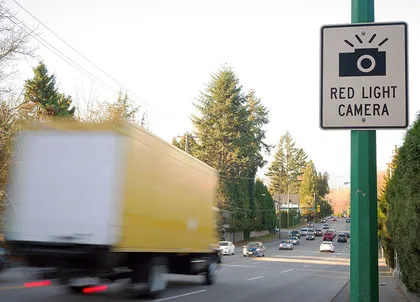
Red light cameras have shown positive results in many locations. The use of red-light cameras has been linked to reduced accident rates in numerous locations where they have been implemented. Various studies have found the following:
- Large cities with traffic cameras are likely to have fewer traffic crashes than those without cameras.
- As traffic light cameras became more prevalent, traffic accidents decreased by 40 percent.
- Despite not having a red-light camera, reducing traffic accidents caused by drivers who ran red lights was significant.
- The positive effect continued for years beyond the initial installation of red-light cameras. Red-light violations decreased after the traffic light began monitoring drivers and issuing tickets after one year. Each year, the number of violations decreased.
- As a result of the installation of red-light cameras across large cities, crashes at intersections decreased by 29 percent.
- An estimated 13% to 29% reduction in injury-causing crashes occurred after installing traffic cameras.
- Right-angle crashes were reduced by 25 percent.
- Traffic cameras reduced the number of front-into-side collisions (the most common type of crash at intersections).
Even with advancements in technology, such as traffic cameras, accidents still occur daily across the state. When accidents happen, you may need a lawyer to represent your interests. The legal team at Arash Law has been helping accident victims across the state.
Backed by decades of experience, we aim to help you seek compensation for your injuries and related losses. Call our lawyers for accident cases at (888) 488-1391 to schedule a free initial consultation.
What About Privacy?
Despite reducing red-light traffic accidents in many cities, some citizens want the cameras gone. However, many courts have determined that automated cameras monitoring public roads generally do not constitute a privacy violation, although privacy laws and interpretations may differ across jurisdictions.
Some people continue arguing that traffic cameras violate a driver’s privacy rights. While the concern is well-taken in most circumstances, courts have generally held that a city’s use of traffic cameras does not violate citizens’ privacy rights, though legal interpretations may vary. Obtaining a license is not a right, and drivers who hold a license must abide by the rules of the road.
Privacy concerns are the strongest argument against red-light cameras. However, the need for increased and ongoing safety measures on the road outweighs their concerns. Most cities retained their red-light traffic camera programs, but a few states allowed them to lapse. States that no longer have active red-light camera programs have seen an increase in the number of accidents caused by drivers running red lights.
What Happens When Traffic Camera Programs Are Discontinued?
The data suggest that there is a correlation between the end of red-light traffic camera programs and an increase in the number of traffic accidents, especially in large cities. From 2010 to 2014, fourteen cities discontinued their programs and experienced a 30 percent increase in the number of accidents caused by drivers who ran red lights. This suggests that if there were no immediate punishment for their actions, drivers would take more chances while on the road.
Over the last decade, the number of red-light traffic programs nationwide has decreased. Here are some reasons that cities and states typically give when they shut down their programs:
- Community opposition to having cameras record them as they use public roads.
- The financial viability of the program appears to be unsustainable.
- Fewer traffic citations were issued.
Community support for the red-light camera program contributed to its longevity in many cities across the country. Some major cities that implemented traffic light camera programs and found success include:
- Washington, D.C.
- Seattle
- New York City
- Philadelphia
- Atlanta
- Chicago
- Denver
- New Orleans
Government agencies maintain public support by addressing the privacy issue. Public officials have worked to gain acceptance and support for the use of traffic cameras. A survey conducted in recent years found that fourteen major cities that maintained high public support for traffic red-light cameras have experienced safety advantages from their use.
Signal Timing
Some studies suggest that increasing the duration of yellow lights helps decrease the number of traffic accidents caused by red-light violations. However, simply adjusting the duration of a light’s yellow phase does not, in itself, reduce the harm caused by traffic accidents. Increasing the yellow light time and using red light cameras both result in a decrease in traffic accidents at intersections with traffic lights.
How Can An Attorney Help Me After A Car Accident?
If you are involved in a car accident with a driver who ran a red light, consider seeking legal representation. An experienced accident attorney can help your case in the following ways:
Building Your Case

Your injury lawyer will help you build your case. They listen to your story and work to help you pursue compensation for your medical bills and other losses.
Negotiating With Insurance Companies
Your attorney can communicate with the at-fault party’s insurance company on your behalf. While handling correspondence, your attorney can also help you avoid common pitfalls and mistakes that unrepresented accident victims make, such as accepting a settlement that does not account for current and future damages.
Protecting Your Claim From Dismissal On Technical Grounds
There are many rules that must be followed in car accident cases. Personal injury lawyers know the rules of civil procedure, evidence, and the local regulations of the court, and it is a part of their job to help you comply with these rules in pursuing a claim.
Assist You Throughout The Lawsuit
There are various stages of a lawsuit, and an attorney can help you at each stage. One example is depositions. A deposition is a formal testimony in an informal setting. During it, the opposing attorney will ask you questions about the case. Your attorney will prepare you to answer the questions so that you protect your legal interests.
If you and your attorney are unable to reach a settlement, the case may proceed to trial. Your traffic accident lawyer will thoroughly prepare you for all stages of trial and represent you in front of a judge or jury. You can represent yourself at trial, but having an attorney can help you understand procedures, gather evidence, and present your case effectively.
Answering Your Questions
Your legal team is your partner throughout the lawsuit. If you have questions, your attorney can answer them, and you can benefit from their experience. They can explain your legal options and help you identify the appropriate next steps for your claim.
Call Arash Law For Legal Help In Traffic-Related Accidents
After suffering an injury in a traffic accident, seeking legal representation provides you with an advocate who can clarify your rights and manage the entire legal process on your behalf. The attorneys at Arash Law have been helping victims across the state for decades. If you have been in an accident caused by a driver who ran a red light, we can help you seek compensation under the law.
Our firm has the resources and experience to handle a wide range of personal injury cases, including complex traffic collisions. Our red light accident lawyers can take care of the legal aspects of your case so you can focus on healing from your injuries. Call us at (888) 488-1391 to schedule a free initial consultation. You may also complete our “Do I Have A Case?” form here to discuss your situation.