TL;DR: Heavy traffic can cause brain damage because traffic-related air pollution, especially diesel fumes, disrupts brain connectivity within 2 hours of exposure. Daily commuters in congested cities face higher risk of cognitive decline and mood disorders, and repeated exposure may lead to lasting neurological harm.
Highlights:
- Use navigation apps to choose less congested, lower-pollution routes.
- Keep car windows closed during stop-and-go traffic to reduce intake.
- Wear a mask on buses, trains, and other crowded transit.
- Carpool or take public transit to cut overall traffic emissions exposure.
- Walk or bike short trips instead of driving when feasible.
- Maintain your vehicle regularly to reduce emissions and improve air filtration.
- If symptoms arise, seek medical care and document your commuting exposure.
Tip: Save evidence early – keep a simple log of dates, routes, traffic conditions, air-quality reports, and medical visits, and share only what you know without guessing.
Table of Contents
Imagine you’re working a 9-to-5 job and have to deal with terrible traffic on the way home. Sounds bad, right? Research indicates that exposure to heavy traffic conditions may potentially impact brain connectivity, as noted in a study published in the Environmental Health journal.
A study published in the journal Environmental Health reported that diesel fumes can cause adverse effects in as little as two hours when exposed during heavy stop-and-go traffic. The results of this study demonstrate how air pollution may cause changes in brain connectivity.
Our brain injury accident lawyers at Arash Law can assist if an accident-related injury has affected you or a loved one, such as brain damage from toxic fumes caused by moving vehicles. You can contact us at (888) 488 1391 or reach us online for a free initial consultation.
Lawyers experienced in personal injury can represent victims of diesel fume-caused brain damage. They can use their knowledge of laws to help identify the responsible parties who may be held liable for your injuries.
As Proven By Data – Heavy Traffic Contributes To Brain Damage
Heavy traffic often means exposure to high air pollution levels. California cities experience poor air quality due to vehicle emissions that contain harmful pollutants, including particulate matter and nitrogen oxides.

According to researchers from the University of British Columbia (UBC) in Victoria, their study is the first to demonstrate altered brain network connectivity due to air pollution. This was the first study where people were intentionally exposed to Traffic-Related Air Pollution (TRAP) to see how it affects brain scans using functional MRI. The research has shown that even brief exposure to traffic pollution can significantly impact brain function.
Twenty-five healthy individuals participated in the study. Participants experienced either diesel exhaust (DE) or clean, filtered air (FA) after some light exercise. They were exposed to diesel exhaust and filtered air at different times so that the researchers could measure the brain’s activity before and after each exposure using functional magnetic resonance imaging (fMRI). This setup showed the immediate impacts on brain connections under these conditions.
The researchers examined the default mode network (DMN), a network of interconnected brain areas crucial for memory and internal thought. The result shows that the participants’ functional connectivity in many areas of the DMN decreased after breathing diesel exhaust compared to breathing filtered air.
What Are The Effects Of Driving To Work In Heavy Traffic On Our Brains?
Prolonged exposure to air pollution from heavy traffic has been associated with cognitive decline. These cognitive functions are crucial to work and daily life, including memory, attention, and decision-making.
TRAP is consistently associated with adverse health effects, particularly respiratory and cardiovascular-related issues. These health issues have far-reaching consequences on a global scale, resulting in illnesses, reduced productivity, and substantial impacts on global health, including respiratory and cardiovascular diseases. However, the effects on the central nervous system have gathered little attention until recently.
Here are specific examples with a detailed perspective focusing on recent findings related to the central nervous system:
- Neurological Disorders & TRAP Exposure
Individuals residing or working in regions with high vehicle traffic volumes are at greater risk of experiencing anxiety, depression, and cognitive impairments. Research has indicated a growing understanding of the potential mechanisms behind the negative impact of TRAP on mental health. The possible link between TRAP exposure and neurological ailments has only been studied recently.Such investigations have started to provide insights into this matter. For instance, a pioneering study carried out in a city with heavy traffic revealed a significant rise in the number of people suffering from Parkinson’s disease among those who were exposed to high levels of TRAP. These findings underscore the urgent need for further research in this field.
- Cognitive Decline in Older Adults
The University of California, Irvine researchers found that traffic-related air pollution in Irvine led to memory loss, cognitive impairment, and activated brain pathways related to Alzheimer’s disease. Recent studies highlight TRAP’s negative impact on older adults’ cognitive health, with prolonged exposure to pollutants like PM2.5 and VOCs linked to accelerated cognitive decline. Urban studies reveal a 20% higher rate of cognitive impairment in seniors residing in high-TRAP areas compared to less polluted regions. - Neuroinflammation and Mood Disorders
There is evidence from human, epidemiological, and animal studies indicating that air pollution may adversely affect the central nervous system (CNS) and contribute to CNS disorders. The discovery of TRAP has led to a hypothesis that neuroinflammatory processes can lead to mood disorders such as depression and anxiety. Studies have demonstrated that individuals living in areas with heavy traffic pollution are more likely to suffer from mood disturbances, drawing attention to the implications of TRAP exposure for mental health.According to studies by Dr. Chris Carlsten, professor and director of respiratory medicine at the University of British Columbia, for years, many believed that the brain was shielded from the adverse impacts of air pollution. He added that this study is the first of its kind anywhere in the world and provides new evidence supporting the connection between air pollution and cognitive function.
A psychology professor at the University of Victoria, Dr. Jodie Gawryluk, also said it is alarming to see traffic pollution disrupting these same networks, as they know that altered functional connectivity in the DMN has been associated with decreased cognitive performance and symptoms of depression. He also mentioned that although additional study is required to understand how these alterations affect functionality properly, it’s possible that they could make it harder for people to think clearly or function at their jobs.
The findings become even more significant as more firms begin to require employees to return to work, increasing morning and afternoon commute traffic.
What Should You Do To Avoid The Risk Of Brain Damage Caused By Traffic-Related Air Pollution When You’re Stuck In Traffic?
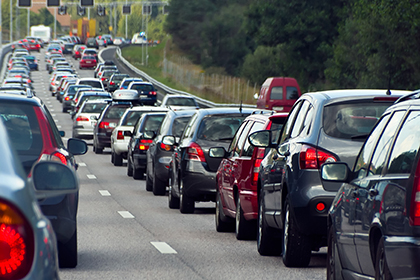
We are frequently stopped in city traffic, breathing pollutants from multiple automobiles around us. Beyond the typical advice you’ve got, there are some fantastic ways to protect yourself from the effects of air pollution, such as wearing a face mask, riding public transportation or ridesharing cars, and closing the windows of your vehicle.
Although the current study solely considered the effects of traffic-related pollution on cognitive function, Dr. Carlsten stated that other combustion-related byproducts are probably relevant.
According to Dr. Carlsten, the effects of air pollution on all major organ systems have recently been acknowledged as the biggest environmental danger to human health. He anticipates that exposure to other air contaminants, such as smoke from forest fires, would have comparable effects on the brain. For public health officers and politicians, it’s a vital factor to consider, given the rising prevalence of neurocognitive disorders.
Dr. Carlsten proposed that repeated exposure could have long-term effects. He recommended that people take the appropriate precautions to lessen their exposure to potentially harmful air pollutants like car exhaust. Medical professionals say commuters can take precautions to reduce their risk.
Individuals can take the following actions to reduce their exposure to air pollution while commuting:
- Wear your mask when commuting via bus, train, or public transportation. It might not be new, but people don’t want to wear masks. We must have this, especially when traveling, to avoid any health risks, not just air pollution, but also other ailments we can get when we’re out in public.
- Choose a cleaner commute, like riding a bike or taking a walk. Instead of driving, think about walking or bicycling for short distances. This not only lessens pollutants but also encourages physical exercise and good health in general. For quick excursions, biking or walking eliminates the need for a car, which lowers emissions.
- Use public transit or carpool. Take the bus, train, or subway whenever possible instead of driving. Compared to individual cars, these vehicles produce less pollution per passenger. Additionally, carpooling with coworkers or friends helps cut traffic volume and, thus, pollution levels. By reducing the number of individual automobiles on the road through the use of public transportation or carpooling, lower emissions and better air quality are achieved.
- Close the vehicle’s windows to keep out some toxic air that might risk your health. Rolling up your car windows can help reduce your exposure to air pollution from vehicle exhaust and other sources like construction sites and road dust. It can lower the risk of brain damage by reducing exposure to air pollutants that can cause brain inflammation and neurological disorders.
How To Plan Your Drive
Choose Low-Pollution Routes. Use navigation apps or tools that provide real-time traffic information and suggest routes with less congestion and pollution to avoid busy roads where cars frequently idle, increasing emissions. People can lessen their exposure to vehicle air pollution by taking less crowded routes. Choosing a healthier route with less exposure risk might mitigate adverse health outcomes under the condition that worldwide air pollution in urban areas cannot be eradicated quickly.
Maintain Vehicle in Good Condition. Regularly service and maintain your vehicle so it meets emission standards and functions efficiently. A well-maintained car emits fewer pollutants and is less likely to contribute to air pollution. Improving fuel efficiency and reducing emissions may be achieved through regular maintenance. This includes changing air filters, tuning the engine, and monitoring tire pressure.
By following these tips, people can lessen their exposure to air pollution while driving and help create a cleaner atmosphere. You can reduce the occurrence of traffic-related brain injuries by taking these precautions. The air quality in metropolitan areas can be considerably improved by implementing these strategies on a larger scale.
Exploring The Congested Cities In California
California has one of the greatest networks of freeways in the nation. Its cities frequently experience heavy traffic. The traffic impacts measure the number of vehicles using the local roadways.
The biggest percentage of congested urban interstate highways in the United States, 87%, occurs in California during peak hours. The nation’s busiest interstates, carrying the most daily interstate travel per urban lane mile, are in California. From 2000 to 2019, the number of vehicles traveling on California’s interstates climbed by 17%.
Based on the Traffic Index by City 2023 Mid-Year Traffic Region Rankings in North America, the following are the congested cities in California:
- Los Angeles has the highest population density of any city in North America and is the most populous city in California. Its Travel Time Index (TTI) is 57.5 minutes.
- San Francisco takes second place in both North America and California, with a TTI of 50.5 minutes.
- San Jose ranks third in California and tenth in North America, with a TTI of 39.3 minutes.
- San Diego is fourth in California and 16th in North America, with a TTI of 38.0 minutes.
- Sacramento ranks fifth in California and 42nd in North America, with a TTI of 28.2 minutes.
Thus, brain injuries caused by traffic-related air pollution are more likely to occur in these locations. Arash Law is here to help.
Why Does Traffic-Related Air Pollution Cause Brain Damage?

A recent study by Canadian researchers confirms the alarming link between heavy traffic and air pollution-induced brain damage. The research provides solid evidence of a changed brain network connection due to exposure to average traffic pollution levels, particularly in stop-and-go traffic with high diesel fumes.
The air we breathe is contaminated by factory pollutants, dust particles, and exhaust fumes from vehicles, which a rising number of studies suggest may be bad for our brains. Researchers have shown a connection between air pollution and heart and lung illness for many years. Air pollution may raise one’s risk of developing Parkinson’s disease, Alzheimer’s disease, stroke, other dementias, and cognitive loss. It might even harm young children’s developing brains.
As commuters prepare to return to work, it is critical that they are informed of the potential health concerns connected with everyday traffic exposure. The findings of the study highlight the need for additional research to completely understand the neurological impact of air pollution on the human brain.
Simple yet effective safety measures can be implemented when commuting to protect ourselves and produce a cleaner environment. Taking public transportation, carpooling, walking, or cycling short distances, and taking low-pollution routes can all help decrease exposure to dangerous air pollutants. Vehicle maintenance is also necessary to reduce pollutants and promote a healthy environment.
As evidence of the negative impacts of air pollution on human health grows, politicians and public health professionals should prioritize steps to tackle this environmental danger. We can preserve our health and promote a healthy future for all by proactively limiting air pollution and protecting ourselves during our everyday commutes.
California’s Transit agencies are required to transition to zero-emission vehicle technologies under the Innovative Clean Transit (ICT) policy. It was enacted in 2018 to assist the state in lowering hazardous vehicle emissions and achieving its environmental and air quality goals.
What Can California’s Brain Injury Lawyers Do For You?
In California, the courts recognize brain injuries as exceptionally severe because of their lasting effects on individuals. If you or a loved one has experienced such injuries, consulting skilled brain injury lawyers can be beneficial. They can help victims pursue compensation to address the following:
- Medical Bills — This includes everything from immediate hospital costs to ongoing medical expenses related to the injury.
- Emotional & Physical Distress — Compensation for the tangible pain and the emotional scars left behind, typically determined by a legal formula.
- Lost Income — This accounts for both the earnings you’ve missed and what you might lose in the future due to the injury.
- Lost Quality of Life — For those living with disabilities or in need of ongoing care, taking into account aspects like age and previous health.
Call Arash Law’s Brain Injury Lawyers For Help
Arash Law offers legal assistance to individuals who have developed health issues, such as brain damage, caused by traffic-related factors, including exposure to air pollution or other harmful substances. With our experience in personal injury law, we not only handle cases involving injuries arising from traffic pollution but also those stemming from accidents, product liability, and more. Our dedicated legal team will work to help you pursue the compensation available under California law.
The brain injury lawyers at Arash Law fully understand the complexities of these cases. Moreover, our team can collaborate with medical professionals to carefully evaluate your medical history and develop a viable case for your claim. Let us handle the legal process so that you can focus on your well-being.
For a free initial consultation with our car accident lawyers, please call (888) 488-1391. Our firm serves clients throughout California, including Los Angeles, San Francisco, San Jose, San Diego, and Sacramento.