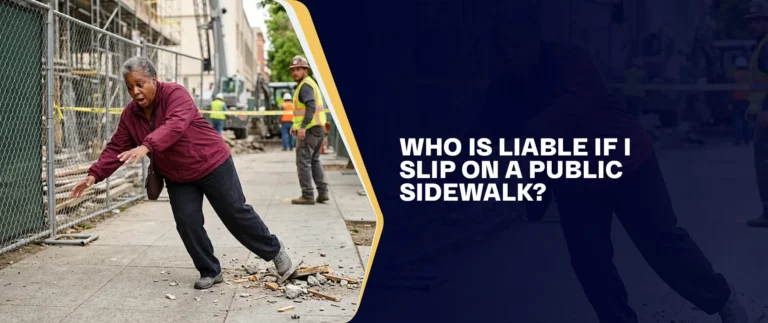
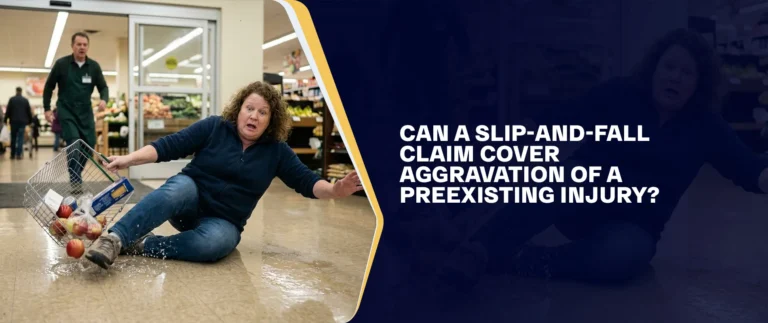
TL;DR: Slip, trip, and fall hazards commonly include wet floors, cluttered walkways, uneven surfaces, poor lighting, loose rugs, and sudden height changes. These hazards often injure shoppers, tenants, and workers when property owners fail to fix or warn about dangers, creating liability under California law and making timely evidence important after an accident.
Highlights:
- Get medical evaluation promptly, follow treatment, and save all medical records.
- Photograph the hazard, surrounding area, and your footwear before conditions change.
- Report the fall to management and request a copy of the incident report.
- Collect witness names and contact details, and write down what they saw.
- Request video retention immediately using a surveillance preservation letter.
- Ask for cleaning, inspection, and repair logs that show notice of the hazard.
- Calendar deadlines: 2 years to sue; 6 months for government claims.
Tip: When speaking with the property owner or insurer, stick to documented facts and avoid guessing about what caused the fall.
Table of Contents
The most common slip, trip, and fall hazards include wet or slippery floors, cluttered walkways, uneven surfaces, poor lighting, loose rugs, and sudden changes in elevation. These hazards often appear in stores, workplaces, apartment complexes, sidewalks, and parking lots throughout California.
Injuries from these hazards can range from bruises to fractures or head trauma. Even if your injuries seem minor or you were partially at fault, you may be able to pursue compensation under California law. Understanding how to prove negligence and what types of damages you may recover is essential if you decide to file a claim.
What Conditions Commonly Cause Slip, Trip, And Fall Accidents?
Slip, trip, and fall accidents usually happen on flat surfaces or from low heights, such as stepping off a curb or losing balance on stairs. These incidents often involve preventable hazards related to poor maintenance, unsafe layouts, or missing warnings.
Common Slip Hazards
Slips occur when there is not enough traction between footwear and the walking surface. Common slip hazards include:
- Wet Floors — Spilled drinks, cleaning products that haven’t dried, or sweat can make floors slippery.
- Grease & Oil — Kitchens and food service areas often accumulate grease buildup, increasing slip risk.
- Polished or Waxed Floors — Marble, tile, or waxed concrete floors can become slippery, especially when wet.
- Improper Footwear — Shoes with worn soles or limited grip can increase the likelihood of slipping.
- Sloped or Uneven Surfaces — Ramps, parking structures, and inclined walkways without traction strips pose hazards.
- Weather-Related Hazards — Rainwater near entrances can create unsafe walking conditions if not addressed.
Common Trip Hazards
Unlike slip-and-falls, where the main issue is usually loss of traction from a slick surface like wet tile, spilled drinks, or freshly mopped floors, trip-and-fall accidents are caused by something physically interrupting your step. Trip accidents occur when a person’s foot strikes an object or an uneven surface, causing a sudden loss of balance. The following are some of the most common trip hazards people encounter:
- Cluttered Walkways — Objects left in walking paths, such as boxes or cleaning supplies, create tripping risks.
- Loose Rugs & Mats — Unsecured rugs or mats can slide or curl at the edges, particularly in entryways and lobbies.
- Uneven or Damaged Flooring — Cracked tiles, loose boards, missing bricks, or uneven pavement can cause sudden missteps.
- Inadequate Lighting — Poorly lit areas, like basements, make it harder to see obstacles or changes in elevation.
- Exposed Cables & Cords — Wires, extension cords, or hoses across walkways pose serious tripping hazards.
- Open Drawers & Doors — Drawers, cabinet doors, or storage units left open can block narrow pathways and cause falls.
- Exposed Tree Roots — Natural growth that buckles pavement or breaks through surfaces can create trip hazards.
- Loose Gravel and Debris — Accumulations of stones, yard waste, or loose materials can cause unstable footing on walkways.
Common Fall Hazards
Falls can happen on the same level or from an elevated surface. They may result from poor maintenance, unsafe practices, or missing safety features. Some of the most common fall hazards to watch for include:
- Missing or Damaged Handrails — Stairs, ramps, and balconies without secure handrails increase the risk of falls.
- Floor Openings & Sudden Drop-Offs — Uncovered holes, open hatches, or sudden elevation create serious fall risks.
- Unsafe Ladders — Broken, improperly placed, or poorly used ladders can lead to severe falls.
- Improper Use of Equipment — Standing on chairs, boxes, or other unstable objects to reach high areas can lead to accidents.
- Carrying Large or Heavy Items — Moving oversized objects can block vision and throw off balance, especially on stairs or uneven surfaces.
- Unsafe Scaffolding — Scaffolding without guardrails or proper assembly increases the risk of dangerous falls, particularly on construction sites.
Common Locations And Injuries In Slip, Trip, And Fall Accidents
Slip, trip, and fall accidents can occur almost anywhere people walk. However, specific locations are more prone to these incidents. Statewide California statistics show that slip, trip, and fall accidents most often occur in retail, residential, and public properties.
Frequent Locations For Slip, Trip, And Fall Incidents

Certain places carry higher risks due to foot traffic, environmental conditions, or maintenance issues. Accident-prone areas include:
- Retail stores and grocery aisles.
- Restaurants, bars, and cafes.
- Apartments, condos, and residential buildings.
- Parking lots, parking garages, and driveways.
- Sidewalks, walkways, and other public properties.
- Office buildings and workplaces.
- Hotels, resorts, and lobbies.
- Stairways and escalators.
- Hospitals and healthcare facilities.
- Schools and playgrounds.
These locations demonstrate that slip, trip, and fall accidents are not exclusive to workplaces. They can occur almost anywhere the public or residents walk.
Common Injuries Sustained In Slip, Trip, And Fall Accidents
The types of injuries sustained can vary in severity, but some are especially common in these accidents. Some examples are:
- Wrist, hip, and ankle fractures.
- Head trauma, including concussions and traumatic brain injuries (TBI).
- Back, neck, and spinal cord injuries.
- Sprains, strains, and other soft-tissue injuries.
- Cuts, bruises, and lacerations.
- Dislocated joints.
If you’ve suffered one of these injuries due to unsafe conditions at any of the above-mentioned locations, you may have grounds for a compensation claim. Knowing the risks and your rights is the first step toward seeking financial recovery.
Legal Considerations For Slips, Trips, And Fall Accidents
In California, most slip, trip, and fall cases are under premises liability law. Property owners, tenants, and occupiers must maintain reasonably safe conditions for visitors.
Businesses open to the public, such as grocery stores, restaurants, hotels, and shopping centers, owe visitors a duty of care. This duty includes inspecting for hazards and, within a reasonable time, repairing or warning about unsafe conditions.
Cal-OSHA regulations apply primarily to workplace safety and employee protection. They generally do not govern slip, trip, and fall hazards on public or residential properties open to visitors.
Proving Negligence In Slip, Trip, And Fall Accidents
Negligence is the foundation of a premises liability claim. To pursue damages in a slip-and-fall case, you need to demonstrate that the property owner failed to take reasonable care in keeping their premises safe.
Here’s the general process for establishing negligence in a slip and fall case:
- Identify the dangerous condition on the property.
- Show the property owner knew or should have known about the hazard through reasonable inspection.
- Prove the owner did not fix the issue or provide adequate warning.
- Link your injury directly to the unsafe condition.
- Provide documentation of losses resulting from the accident, such as medical bills, lost wages, and other related expenses.
Impact Of Your Own Negligence On Your Claim
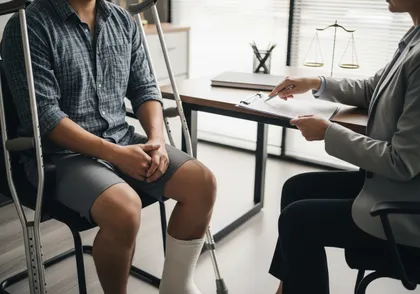
Even if you are partially or mostly at fault for the accident, you may still be eligible to seek compensation in California. The state follows a pure comparative negligence rule, which means that you and the property owner can share fault.
For example, if you slipped on a wet floor while looking at your phone, the court might decide you are partially at fault. In this case, you can still recover damages. However, your total compensation will be reduced by the percentage of fault attributable to you. For example, if your damages total $50,000 and you are found 20% at fault, you would only receive $40,000.
Evidence That Can Help Prove A Slip-And-Fall Claim
Establishing negligence in a slip-and-fall claim requires strong evidence. The more documentation you have, the easier it will likely be to demonstrate what happened, who was responsible, and the extent of your losses.
Use this checklist to gather key evidence that can support your case:
- Photos or video of the scene.
- Pictures of your shoes
- Incident report.
- Witness contact details.
- Surveillance preservation letter.
- Cleaning or inspection logs.
- Prior complaints or repair records.
- Medical records and bills.
- Proof of lost wages and other expenses.
- Emails or messages with the property owner.
Legal Deadlines In A Slip-And-Fall Case
You typically have two years from the date of your slip, trip, or fall to file a personal injury lawsuit in California. Missing this deadline can mean losing your right to seek compensation. However, there are exceptions:
- If your injury happened on government property, you usually have just six months to file an administrative claim and then another six months to sue.
- If the injured person is under 18 at the time of the accident, the deadline generally doesn’t start until they turn 18. After reaching their 18th birthday, they have two years to file a claim.
Certain situations may also extend the deadline (e.g., delayed discovery of injury or the at-fault party is out of state). It’s essential to act quickly, as gathering evidence and building a case can take time.
Due to time constraints, you may think, “I need a personal injury lawyer.” Working with one can help manage your claim more efficiently. They can prepare your documents, file them on your behalf, and guide you on your next steps.
Potential Compensation In A Slip, Trip, Or Fall Accident
The circumstances of your slip-and-fall case and the severity of your injuries determine the type of compensation you may pursue. Here’s how compensation is typically structured in California:
Workers’ Compensation Benefits
If your accident happens at work, you can file a workers’ compensation claim. This usually covers:
- Partial wage replacement during your recovery.
- Medical expenses related to your injury.
Personal Injury Damages From A Third Party
If a third party, not your employer, caused your injury, you have the option to file a personal injury case. This legal option can provide additional compensation: economic and non-economic damages.
Economic damages are direct financial losses you can document with bills, receipts, or pay stubs. These damages may include:
- Medical expenses (surgery, ER visits, or chiropractic care).
- Prescription medication costs.
- Lost income from missing work.
- Reduced future earning capacity.
- Costs of home help (cleaning, cooking, or maintenance).
- Loss of retirement savings or benefits.
Non-economic damages compensate for the impact your injuries have on your daily life and well-being. Examples include:
- Pain and suffering.
- Emotional distress (anxiety, depression, or mental anguish).
- Loss of enjoyment of life.
Wrongful Death Claims
If a slip, trip, or fall accident results in death, eligible family members may file a wrongful death claim. Under California law, spouses, domestic partners, children, or the estate representative can seek compensation for:
- Medical costs incurred before death.
- Funeral and burial expenses.
- Loss of companionship and financial support.
Steps To Take After A Slip, Trip, And Fall

If you slip, trip, or fall at any establishment or location, the actions you take immediately afterward can protect both your health and your legal rights. Here are some recommended steps to follow:
- Seek or Continue Medical Care — If you did not receive immediate treatment, schedule a medical evaluation as soon as possible. If treatment has already begun, continue following medical advice and keep all records related to your injuries.
- Preserve Evidence from the Scene — If you or someone else took photos or videos of the hazard, save them. If possible, return to the location to document the condition, especially if it has not yet been repaired.
- Confirm the Incident Was Reported — If you reported the fall to a property owner, manager, or employer, request a copy of the incident report. If no report exists, document when and how the accident was reported.
- Gather Witness Information — If anyone witnessed the fall or knew of the hazardous condition beforehand, try to collect their contact information while the memories are still fresh.
- Consult an Attorney — A slip-and-fall accident lawyer can manage the legal details of your case. More specifically, they can do the following for your claim:
- Gather evidence.
- Review your lease and insurance policy.
- Handle communications with the insurance company.
- Negotiate for a fair settlement of your losses.
- Represent you in court if necessary.
Frequently Asked Questions About Slip, Trip, And Fall Hazards
It’s normal to have questions after a slip, trip, or fall. You may even look for free accident lawyer advice to get some clarity about your concerns.
Below you’ll find answers to some of the most common questions about slip-and-fall cases:
Do I Need A Lawyer For A Slip And Fall Case?
You do not need to hire a lawyer for a slip-and-fall case. However, having legal representation can help you pursue the most favorable outcome possible. Many people ask, “Do lawyers only get paid if they win?” The answer is yes if they work on a contingency fee basis. Under this fee structure, they only get paid if they win your case or recover compensation for you.
How Much Is A Slip And Fall Case Worth?
The value of a claim depends on factors such as the severity of the injury, the medical treatment required, documented financial losses, and the available insurance coverage. Fault and comparative negligence can also affect the amount of compensation that may be recovered. Evidence quality, including medical records and incident documentation, often plays a significant role in how a claim is evaluated. Because these factors vary from case to case, each claim must be assessed based on its specific facts.
Can I Sue Someone If I Tripped And Fell In Their Home?
Yes, you can sue a homeowner if you trip and fall in their house, but certain conditions must be met. You need to prove that a dangerous condition on the property caused your injury. You must also show that the homeowner’s negligence directly led to your accident.
Can I File A Claim If I Slipped On The Ice?
Yes, it may be possible to file a claim if you slipped on ice and sustained injuries. However, California law evaluates such cases based on the property owner’s duty of care. Under the state’s premises liability law, property owners must take reasonable steps to maintain their property in a safe condition for visitors. Whether an owner can be held responsible depends on factors like:
- Foreseeability of the hazard
- Notice
- Maintenance and design
For example, if ice formed due to a leaking sprinkler system or a negligent attempt to clear snow, a property owner might be liable. Because ice is uncommon in most of California, slip-and-fall claims are more often due to other hazards, such as wet floors or uneven surfaces.
Hurt From A Slip, Trip, Or Fall? Contact Our Skilled Lawyers
Slip, trip, and fall accidents can occur anywhere due to various factors, including slippery floors and cluttered areas. These incidents can result in injuries and unexpected expenses. If a property owner failed to fix or warn about a dangerous condition, you may have grounds for a legal claim.
If you’re considering filing a claim, Arash Law is here to help. Our California slip-and-fall lawyers can evaluate your situation and gather necessary evidence. We can guide you through the process and pursue compensation for your injuries and related losses. Our team works on a contingency fee basis, meaning you won’t pay any fees unless we secure compensation for you.
Call AK Law at (888) 488-1391 to schedule your free initial consultation. During this meeting, a lawyer will assess whether you have a valid claim and provide guidance on your next steps.